
Colubridae
Antiguan Racer
HarmlessAlsophis antiguae
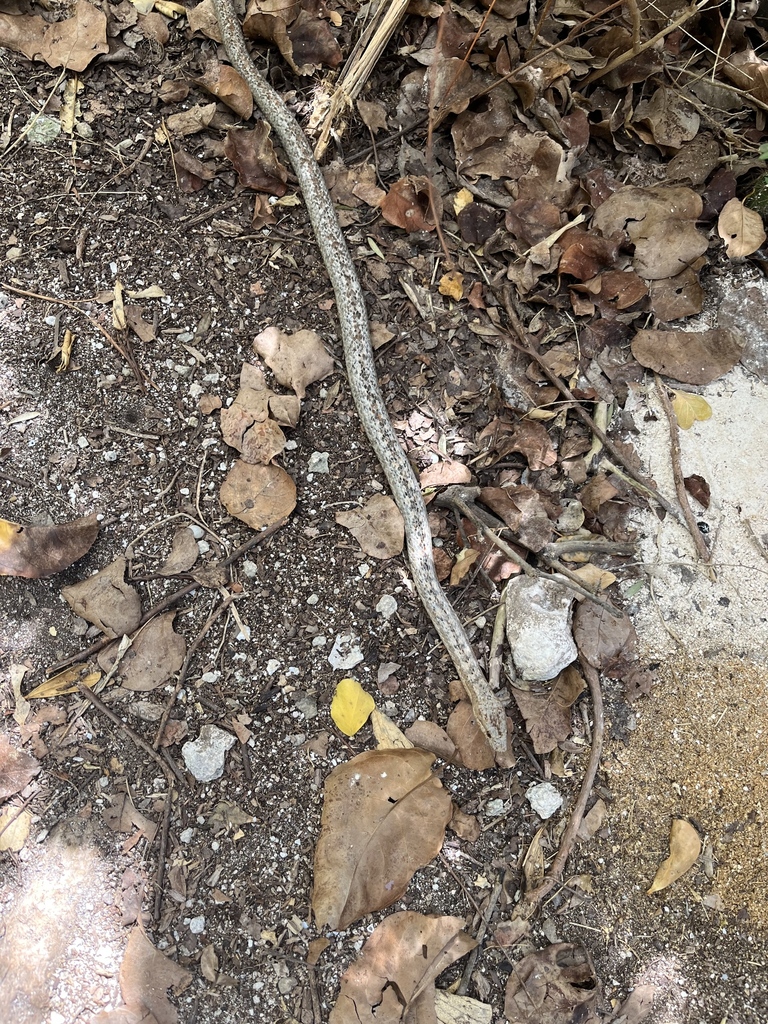
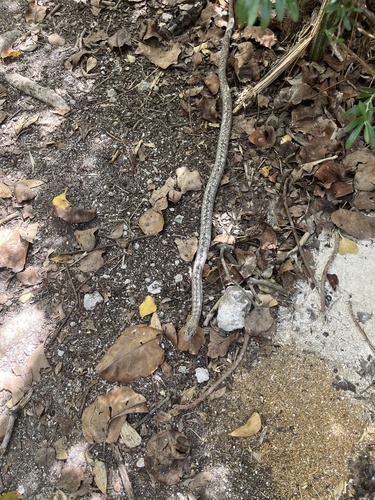
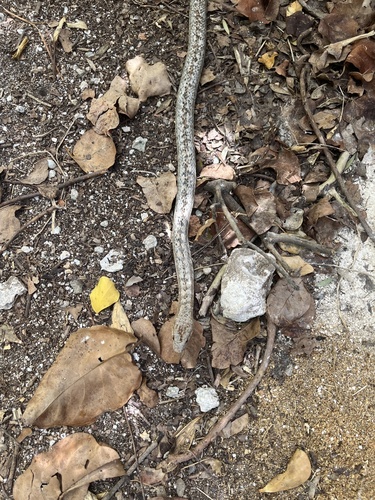
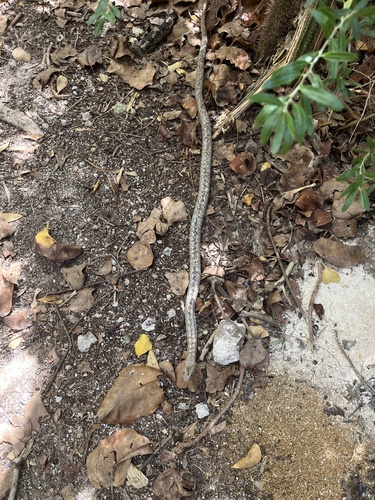
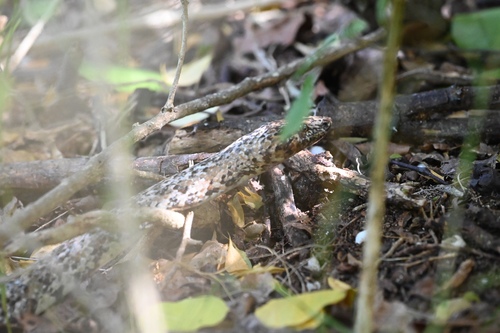
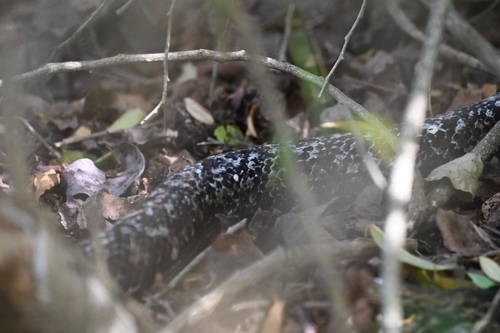
6 photographs of the Antiguan Racer. © Bonnie Isaac.
The Antiguan Racer (Alsophis antiguae) is a non-venomous snake in the Colubridae family, recorded in 1 country.
- Family
- Colubridae
About the Antiguan Racer
The Antiguan racer (Alsophis antiguae) is a harmless rear-fanged (opisthoglyphous) grey-brown snake that was until recently found only on Great Bird Island off the coast of Antigua, in the eastern Caribbean. It is among the rarest snakes in the world. In the year 1995 researchers estimated that only 51 Antiguan racer snakes were alive on the Great Bird Island. However, in the last 20 years, conservation efforts have boosted numbers from an estimated 50 to over 1,100 individuals by eradicating non-native predators and reintroducing the snake to other Antiguan islands in its original range. In addition to Great Bird Island, the Antiguan racer has successfully recolonised the nearby Rabbit Island, Green Island, and York Island.
Taxonomy
The Antiguan racer is a snake that belongs to the family Colubridae, which includes about half of the world's known snake species. It belongs to the genus Alsophis, which contains several species of West Indian racers. Many West Indian racers are threatened or extinct.
Description
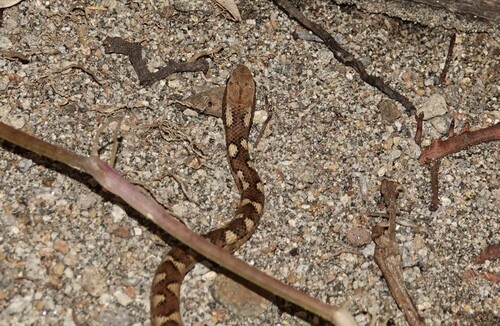
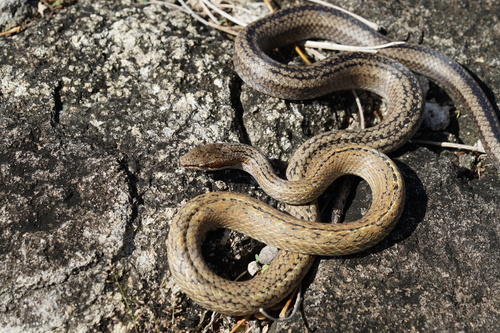
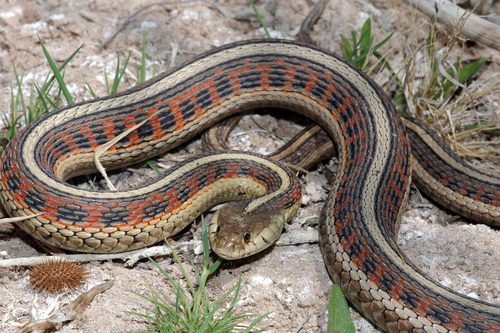
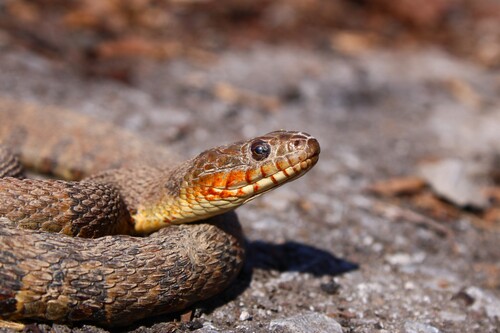
This racer exhibits sexual dimorphism. The adult racer is typically about 1 m long, with females being larger than the males. Young adult males are usually dark brown with light creamy markings, while young females are silvery-gray with pale brown patches and markings. Females also have larger heads than the males. However, older individuals of both sexes can be highly variable in colour hue and pattern, and are frequently heavily speckled or blotched in a range of hues, including white, taupe, reddish brown, brown, and black.
Distribution and habitat
The Antiguan racer originally inhabited Antigua and Barbuda and probably all of the islands on the Antigua Bank. By 1995, the species was found only on Great Bird Island, a small island 2.5 km off of the northeast coast of Antigua. The island is extremely small at only 8.4 hectares. The Antiguan racer prefers to live in shady woodlands with dense undergrowth, although it is also found on sandy beaches and rocky outcrops.
Ecology and behavior
The Antiguan racer is harmless to humans and has a gentle temperament. It is diurnal, being active from dawn to dusk. At night, it rests in a hidden shelter. The Antiguan racer appears to have poor resistance to common snake mites, which are not naturally found in Antigua, which has ended some attempts at captive breeding.
The racer primarily eats a diet of lizards, including the local Antiguan ground lizard. While the species sometimes hunts for its food, it is typically an ambush predator, waiting for prey with most of its body buried beneath leaves.
Relationship with humans
In the centuries before the Europeans arrived in Antigua, the Antiguan racers were numerous and widespread. The thick forest that covered the islands teemed with lizards, the snakes' favored prey, and the racer had no natural predators to threaten it.
Adapted from Wikipedia, available under CC BY-SA.
Frequently asked: Antiguan Racer
- Is the Antiguan Racer venomous?
- No. The Antiguan Racer (Alsophis antiguae) is non-venomous and is not considered dangerous to humans. Like most snakes, it will retreat rather than bite when given the chance.
- Is the Antiguan Racer poisonous?
- Snakes are venomous, not poisonous. "Poisonous" means harmful to eat or touch; "venomous" means injecting toxins through a bite. The Antiguan Racer is neither poisonous nor venomous.
- Is the Antiguan Racer dangerous?
- The Antiguan Racer is not dangerous to humans. It has no medically significant venom and bites only defensively if cornered or handled.
- Where does the Antiguan Racer live?
- The Antiguan Racer has verified records in 1 country, including Antigua and Barbuda. See the distribution section below for its full range.
Where it is found
More Colubridae snakes
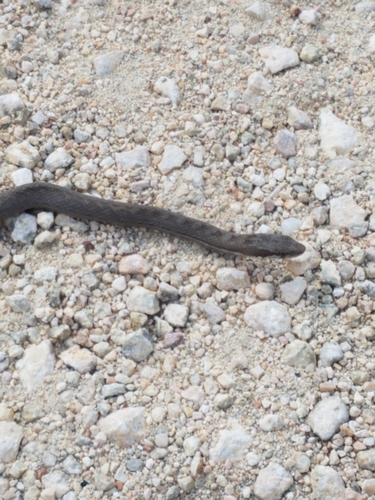
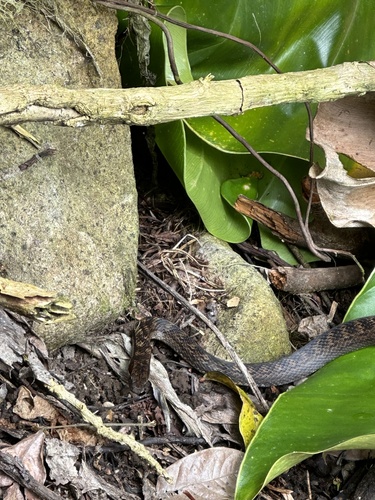
Classification
How scientists group this snake, from the broadest category down to the exact species. Each step narrows to its closest relatives.
- OrderThe broad group of scaled reptiles: all snakes and lizards
- Squamata
- FamilyA group of related snakes that share key traits
- Colubridae
- GenusA close-knit group of very similar species
- Alsophis
- SpeciesThis exact snake, named in the two-part scientific name
- Alsophis antiguae
Keep learning
- What to Do If You Find a SnakeFound a snake at home or on a trail? Here is how to stay calm, give it space, identify it safely, and know when to call a professional.
- Venomous vs Nonvenomous: How to Tell the DifferenceThe folk rules for telling venomous snakes apart, where each one fails, and why location-based identification beats guessing by sight.
- What Is a Snake? Anatomy and the BasicsA clear overview of what makes a snake a snake: limbless body plan, anatomy, evolution from lizards, species diversity, and why they are ectothermic.
- How to Keep Snakes Out of Your Yard and HomeA practical guide to keeping snakes out of your yard and home using habitat changes that work, plus what to skip and what to do if one shows up.
Distribution from GBIF & iNaturalist. Venom status per CDC. Background: Wikipedia. Informational only. Never handle a snake to identify it.