
Antigua and Barbuda
Snakes in Antigua and Barbuda
7 snake species have been recorded in Antigua and Barbuda, and none are venomous.
Snakes of Antigua and Barbuda
Antigua and Barbuda is a two-island nation in the eastern Caribbean, part of the Lesser Antilles, with a warm, dry climate and low-lying terrain. Its snake fauna is small and shaped by island geography: limited land area, isolation from the mainland, and a mix of scrub woodland, dry coastal thicket, mangroves, and agricultural land. Our database records 7 snake species for the country, and none of them are recorded as venomous. As on many Caribbean islands, the snakes present here are a modest set adapted to island life rather than the larger, more diverse communities found on the South American mainland.
The most important safety point is also the simplest: there are no medically dangerous venomous snakes established in Antigua and Barbuda. The Lesser Antilles in general have very few front-fanged venomous land snakes, and the islands of Antigua and Barbuda fall outside the range of the pit vipers and coral snakes that concern people on the mainland. The snakes you may encounter belong to harmless groups such as small burrowing blindsnakes, ground-dwelling and tree-climbing colubrid-type snakes, and slender racer-like species. These are not a threat to human life.
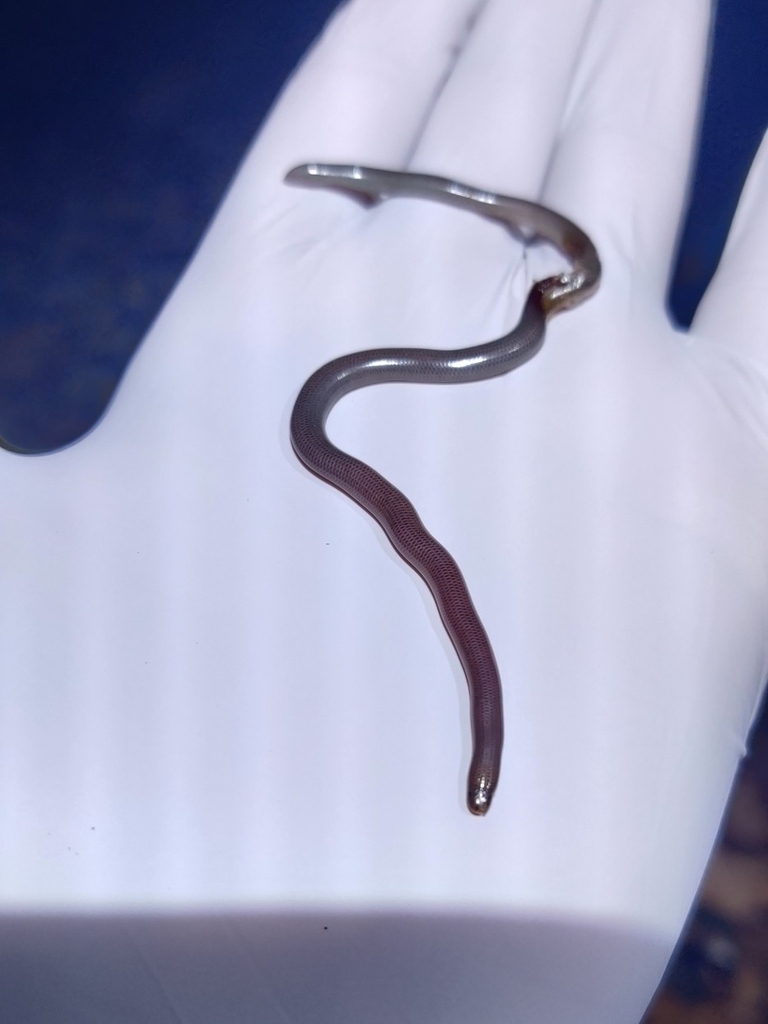
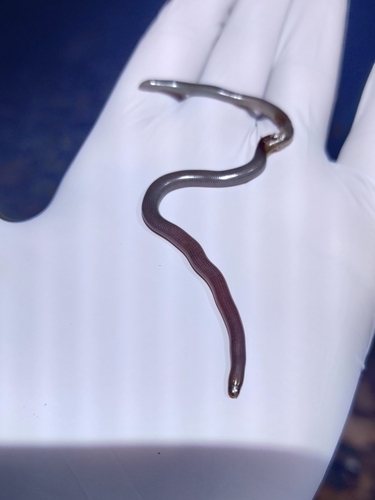
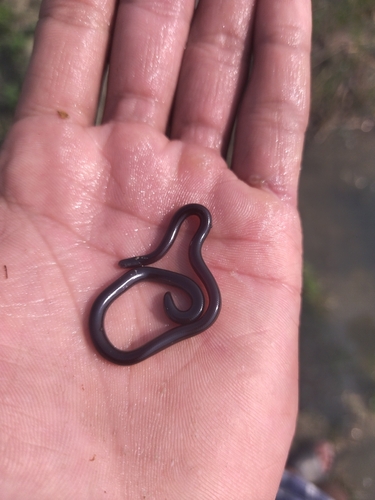
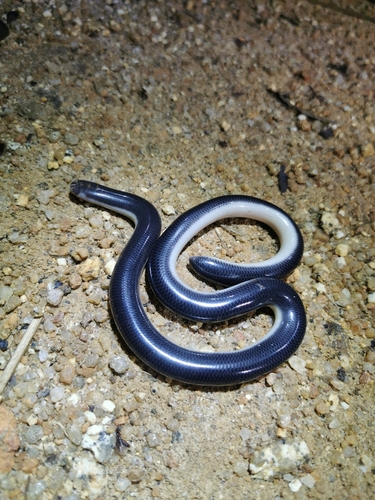
The harmless majority defines this fauna. Tiny blindsnakes spend most of their lives underground and are often mistaken for earthworms; they feed on ants, termites, and their larvae. Larger non-venomous snakes hunt lizards, frogs, rodents, and insects across the islands' dry forest and brush. The most iconic conservation story in the region is the Antiguan racer, a slender, non-venomous snake once considered among the rarest snakes in the world. Driven to the edge of extinction by introduced predators, it has been the focus of a long-running recovery effort on small offshore islands and stands as a symbol of Caribbean island conservation.
Ecologically, these snakes matter more than their small numbers suggest. By preying on rodents and insects they help control populations that would otherwise damage crops and stored food, and as predators of lizards and frogs they sit in the middle of the islands' food webs, themselves serving as prey for birds and other animals. On small islands, where every native species plays an outsized role, losing a snake like the Antiguan racer would ripple through the local ecosystem. Protecting native snakes is closely tied to protecting the islands' broader biodiversity.
For residents and visitors the practical guidance is reassuring but still grounded in caution. The great majority of snakes here are non-venomous and pose no danger, and there is no significant venomous-snakebite threat to plan around. Even so, no wild snake should be picked up or handled, since any snake can bite defensively and wild animals are unpredictable. If a bite occurs, or if you are ever uncertain about a snake anywhere, seek professional medical care promptly; in a medical setting the standard treatment for a serious venomous bite is hospital care and antivenom where indicated. For guidance you can contact local emergency services, or US Poison Control at 1-800-222-1222 if you are in the United States. The honest takeaway for Antigua and Barbuda is that its snakes are a small, largely harmless, and ecologically valuable part of the islands' natural heritage.
Snakes in Antigua and Barbuda: FAQ
- Are there venomous snakes in Antigua and Barbuda?
- No venomous snakes have verified records in Antigua and Barbuda. Every snake recorded here is harmless to humans, though any snake may bite defensively if handled.
- How many snake species live in Antigua and Barbuda?
- 7 snake species have verified records in Antigua and Barbuda.
- What is the most commonly seen snake in Antigua and Barbuda?
- The Montserrat Worm Snake is the most frequently reported snake in Antigua and Barbuda, based on verified wildlife observations.
Every snake recorded in Antigua and Barbuda
7 species across 4 families, grouped by family. Venomous flagged.
Typhlopidae (3)
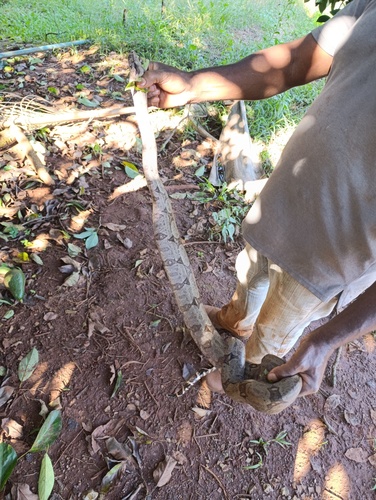
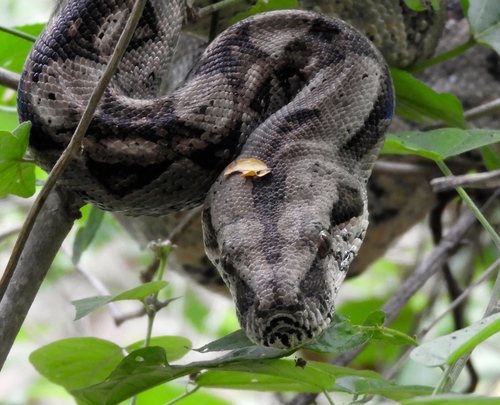
Colubridae (1)
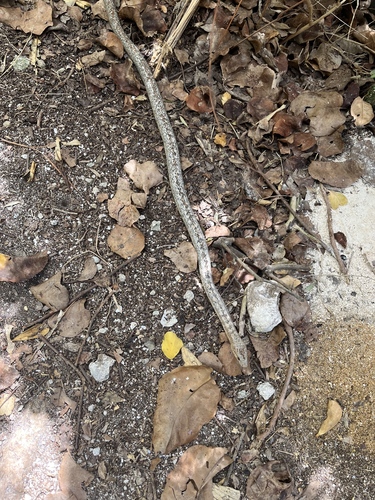
Leptotyphlopidae (1)
Compiled from verified GBIF & iNaturalist observations. "How often seen" reflects how frequently a snake is reported here, not how dangerous it is. Informational only.
Keep learning
- What Is a Snake? Anatomy and the BasicsA clear overview of what makes a snake a snake: limbless body plan, anatomy, evolution from lizards, species diversity, and why they are ectothermic.
- What to Do If You Find a SnakeFound a snake at home or on a trail? Here is how to stay calm, give it space, identify it safely, and know when to call a professional.
- How to Keep Snakes Out of Your Yard and HomeA practical guide to keeping snakes out of your yard and home using habitat changes that work, plus what to skip and what to do if one shows up.
- Are Snakes Dangerous? The Real Risk, in PerspectiveMost snakes are harmless and avoid people. Here is the honest picture of snakebite risk worldwide and how to lower your own.