
Genus · Colubridae
Types of racers
7 species make up the genus Alsophis, the snakes commonly called racers. None are considered dangerous to humans.
About West Indian racers
Fast, slender, day-active colubrid snakes native to the islands of the Caribbean.
Alsophis is a genus of slender, fast-moving snakes in the family Colubridae, the largest and most diverse snake family in the world. The genus belongs to the group commonly called West Indian racers, and its members are found almost entirely on the islands of the Lesser Antilles and surrounding Caribbean territories. Like many island colubrids, these snakes evolved in isolation, which has produced a number of distinct species restricted to single islands or small island banks.
Members of this genus are typically long and thin with a narrow head, large forward-set eyes, and smooth or weakly keeled scales that give them a streamlined look built for speed. Coloration is usually some combination of brown, gray, olive, or reddish tones, often with stripes, blotches, or a paler underside. Because several species look broadly similar, reliable identification usually depends on which island you are on, since many islands host only one native racer.
These are active, terrestrial hunters that move quickly during the day in search of prey. Their diet centers on small vertebrates such as lizards and frogs, with some species also taking small mammals, birds, or invertebrates. Like most colubrids in this part of the world they are egg-laying, and they tend to favor scrubland, dry forest, rocky coast, and other open or semi-open habitats where they can chase down prey in the sun.
Alsophis racers are rear-fanged. This means they have enlarged teeth toward the back of the upper jaw and a mild saliva that helps subdue small prey. They are not considered dangerous to people, and they are not front-fanged venomous snakes like vipers or cobras. A bite from a small rear-fanged colubric snake is generally minor for humans, but no wild snake should be handled, and any bite that causes unusual swelling, pain, or other symptoms warrants medical attention.
Several West Indian racers are of serious conservation concern. Island populations are highly vulnerable to introduced predators such as mongooses, cats, and rats, as well as habitat loss, and some species in this group are among the rarest snakes on Earth. If you encounter a racer in the Caribbean, the responsible thing is to observe it from a distance and leave it undisturbed.
Alsophis belongs to the Colubridae family (Colubrids). The largest snake family, and the one most snakes you meet belong to. Typically round pupils, a head only slightly wider than the neck, and no heat-sensing facial pit or rattle. Scales may be smooth and glossy or keeled and matte depending on the species.
Danger: Almost all colubrids are harmless. A small number are rear-fanged with medically significant venom, the boomslang and the twig (vine) snakes of Africa being the dangerous exceptions. Most colubrids will flee or bluff rather than bite.
All species (7)
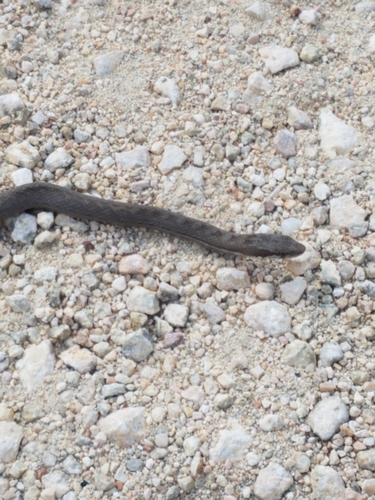 Anguilla Bank RacerAlsophis rijgersmaeiHarmless
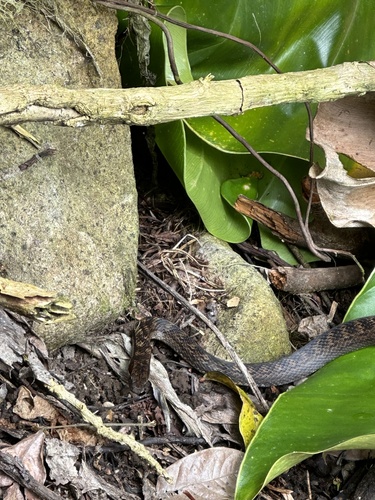 Red-bellied RacerAlsophis rufiventrisHarmless
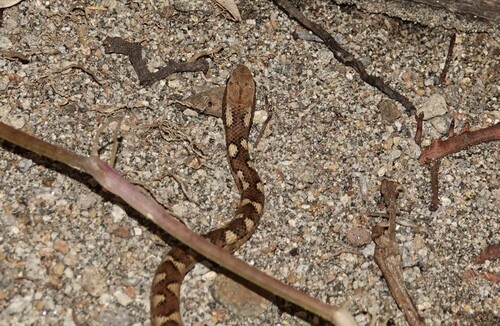 Dominican RacerAlsophis siboniusHarmless
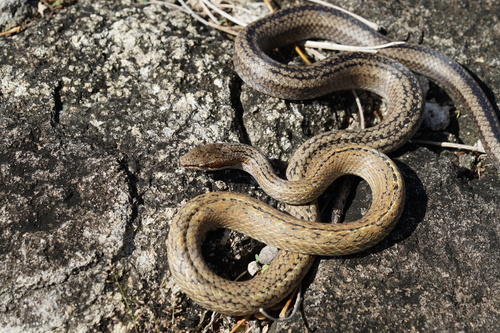 Terre-de-Haut RacerAlsophis sanctonumHarmless
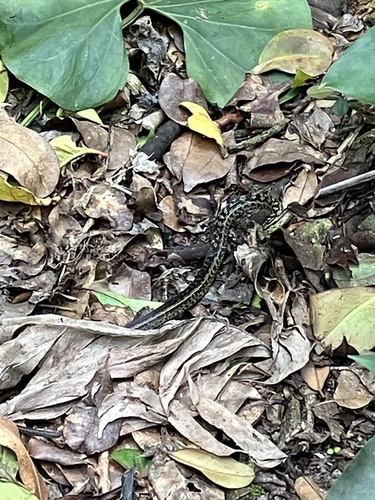 Montserrat RacerAlsophis manselliHarmless
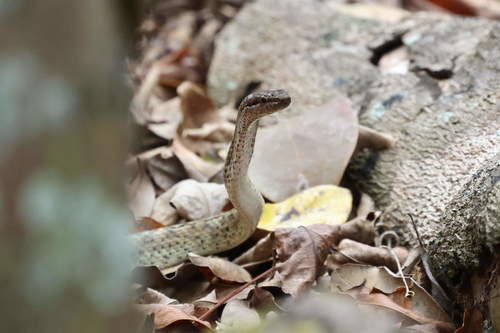 Terre-de-Bas RacerAlsophis danforthiHarmless
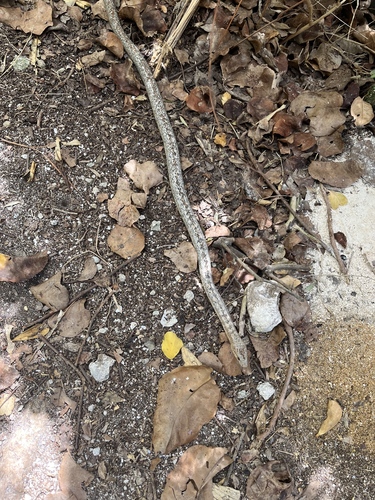 Antiguan RacerAlsophis antiguaeHarmless
Keep learning
- What Is a Snake? Anatomy and the BasicsA clear overview of what makes a snake a snake: limbless body plan, anatomy, evolution from lizards, species diversity, and why they are ectothermic.
- How Snakes Move, Hunt, and EatHow snakes move without legs, hunt as ambushers or active foragers, kill by constriction or venom, and swallow prey wider than their head.
- What Do Snakes Eat?All snakes are carnivores. Learn what snakes eat, how diet changes with size and age, how often they feed, and how they hunt and swallow prey.
- Venomous vs Nonvenomous: How to Tell the DifferenceThe folk rules for telling venomous snakes apart, where each one fails, and why location-based identification beats guessing by sight.