
Regional field guide
Snakes in Oregon
20+ snake species have verified records in Oregon, including 2 venomous. Pick your county below to see exactly which snakes live near you.
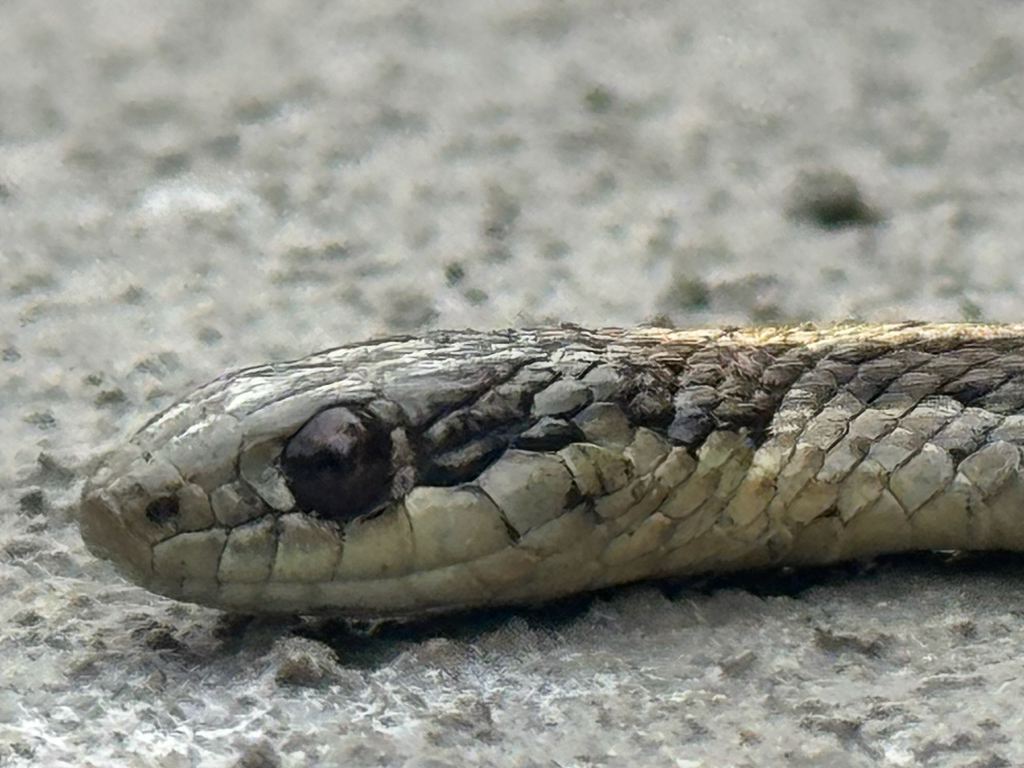
Snakes of Oregon
Oregon has about 20+ species of snakes, and only 2 of them are venomous. Both are rattlesnakes. There are no copperheads or cottonmouths in Oregon or anywhere in the far West, so a venomous snake in Oregon always means a rattlesnake. The other 20 species are harmless to people, and over much of the wet, forested western half of the state, dangerous snakes are genuinely scarce.
Oregon is really two worlds split by the Cascade Range. West of the Cascades lie the cool, rainy Coast Range and the Willamette Valley, where wet forest and mild damp ground favor harmless snakes and rattlesnakes are uncommon to absent in many areas. East of the Cascades the climate flips to dry: high desert, sagebrush steppe, juniper country, and rocky canyons that stretch toward the Great Basin. That dry eastern country, plus the warm canyons of southern Oregon, is where rattlesnakes live.
Oregon records 2 venomous kinds, both rattlesnakes. The Western Rattlesnake (in its northern Pacific and Great Basin forms) is the common one, found through the dry sagebrush flats, river canyons, rocky slopes, and juniper country of central, eastern, and southern Oregon. The Prairie Rattlesnake reaches the far southeastern corner near the Great Basin desert. Both stay tied to warm, dry, rocky ground, so the rainy western forests see very few.
Most snakes Oregonians actually meet are harmless. The gophersnake is common and a famous bluffer, flattening its head, hissing, and buzzing its tail to imitate a rattlesnake even though it carries no venom and no rattle. Garter snakes are everywhere, especially in the wetter west, hunting near streams, ponds, and gardens, and several kinds live across the state. Racers streak across open country, the rubber boa turns up in cool forests and meadows, and nightsnakes hunt small lizards after dark in the east. Honest safety: nearly every serious snakebite in Oregon is a rattlesnake bite, and most happen when someone handles, corners, or surprises one or reaches into rock and brush blindly. Deaths are very rare with antivenom and care. Give rattlesnakes room, watch your hands and feet on warm rocky slopes east of the Cascades, and never handle a wild snake. If a bite happens, call Poison Control at 1-800-222-1222 or 911.
Venomous snakes in Oregon
Most commonly seen
- Northwestern Garter SnakeCommonly seen
- Common Garter SnakeCommonly seen
- Gopher SnakeCommonly seen
- Western Terrestrial Garter SnakeCommonly seen
- Northern Rubber BoaCommonly seen
- North American RacerCommonly seen
- Western RattlesnakeCommonly seen
- Ring-necked SnakeCommonly seen
- Aquatic Garter SnakeCommonly seen
- Common Sharp-tailed SnakeOften seen
- Prairie RattlesnakeOften seen
- Striped WhipsnakeOften seen
Counties in Oregon
36 listedSnakes in Oregon: FAQ
- Are there venomous snakes in Oregon?
- Yes. 2 venomous snake species have verified records in Oregon, including Western Rattlesnake, Prairie Rattlesnake. Most snakes in Oregon, however, are harmless.
- How many snake species live in Oregon?
- 20+ snake species have verified records in Oregon, of which 2 are venomous.
- What is the most commonly seen snake in Oregon?
- The Northwestern Garter Snake is the most frequently reported snake in Oregon, based on verified wildlife observations.
- What should I do if I see a venomous snake in Oregon?
- Keep your distance and do not try to catch or kill it. Most bites happen when people handle or corner a snake. If someone is bitten, contact local emergency services or poison control immediately.