
Genus · Viperidae
Types of rattlesnakes
50+ species make up the genus Crotalus, the snakes commonly called rattlesnakes. All of them are venomous.
About rattlesnakes
Crotalus is the largest genus of rattlesnakes, New World pit vipers famous for the keratin rattle they shake as a warning.
Crotalus belongs to the viper family, Viperidae, and sits within the group known as pit vipers. The defining pit-viper trait is a pair of heat-sensing pits, one on each side of the face between the eye and the nostril, that detect the body warmth of nearby prey. The trait that makes the genus instantly recognizable is the rattle: a string of loose, interlocking keratin segments at the tip of the tail. A new segment is added each time the snake sheds its skin, so the rattle is built up over a lifetime rather than counting years directly. When threatened, the snake vibrates its tail and the segments knock together to produce the buzzing sound that gives rattlesnakes their name.
This is the largest rattlesnake genus, and our database lists 50+ species within it. The group is centered in Mexico and the United States, with members reaching into Canada and through Central and South America. Rattlesnakes occupy a wide range of habitats across the Americas, including deserts, grasslands, rocky hillsides and slopes, and forests. Some species are tied closely to arid country, while others live in cooler, wooded terrain. This range of habitats is one reason the genus is so varied in appearance and size.
In general terms, Crotalus species tend to have a heavy, thick body, a broad triangular head that is distinctly wider than the neck, and the segmented rattle at the tail tip. Many carry blotched or diamond-shaped patterns along the back, which is the source of names like the diamond-backed rattlesnakes. These are useful clues, but they are not a substitute for careful identification. Patterns vary between species and even between individuals, harmless snakes can resemble venomous ones, and a young rattlesnake may have only a single small button instead of a full rattle, so it can be nearly silent. Treat identification as something that takes care and expertise, and never rely on the rattle alone.
Most Crotalus species deliver venom that is primarily hemotoxic, meaning it acts on tissue and blood and can cause local swelling, pain, and damage around the bite. A smaller number, such as the Mojave rattlesnake, carry potent neurotoxic components that affect the nervous system. Because of this variation and their wide distribution, rattlesnakes are among the most medically important snakes in the Americas. A bite from any species in this genus is a medical emergency. The effective treatment is antivenom given at a hospital, so the priority is always to reach professional emergency care quickly. In the United States, Poison Control can be reached at 1-800-222-1222 for guidance while seeking care.
Ecologically, rattlesnakes are ambush predators that often wait in cover and strike passing prey, and they play an important role in controlling rodent populations. Unlike many snakes that lay eggs, Crotalus species give live birth. They are not aggressive by nature, and most bites happen when people try to handle, corner, capture, or kill them rather than during chance encounters. Given the choice, a rattlesnake would far rather flee or warn than bite. Never attempt to handle, catch, or kill a wild venomous snake. If you see one, give it distance and let it move on, and keep pets and children back.
Crotalus belongs to the Viperidae family (Vipers & pit vipers). Heavy-bodied venomous snakes with long, hinged, hollow fangs. Broad, triangular head distinct from a narrow neck, heavy body, and (usually) vertical, cat-like pupils. Pit vipers also have a heat-sensing pit; true vipers do not.
Danger: Every viper is venomous, and the family includes some of the world's most medically important snakes. Venom is typically hemotoxic, causing pain, swelling, tissue damage, and bleeding. Treat any viper bite as a medical emergency.
All species (51)
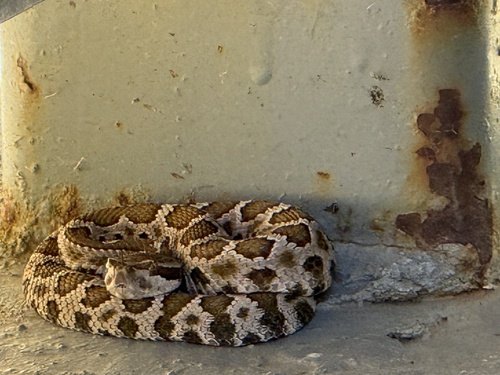 Western RattlesnakeCrotalus oreganusVenomous
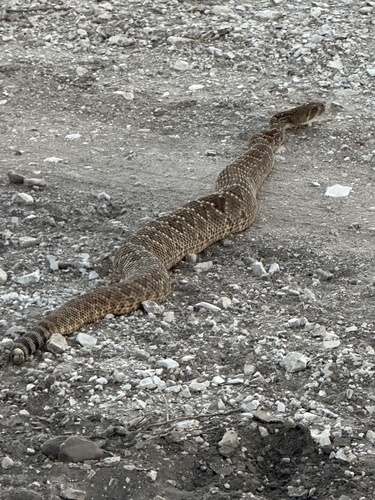 Western Diamond-backed RattlesnakeCrotalus atroxVenomous
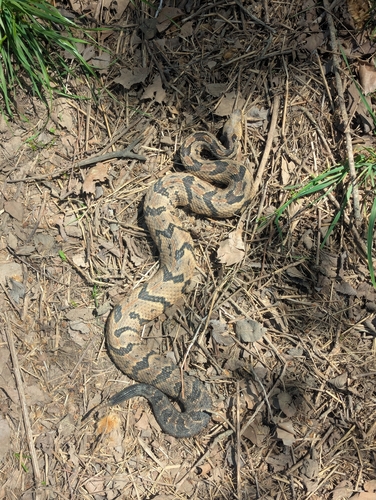 Timber RattlesnakeCrotalus horridusVenomous
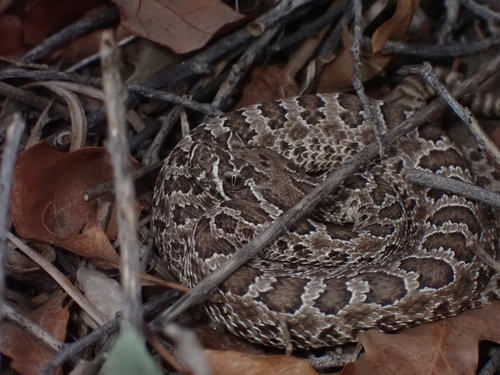 Prairie RattlesnakeCrotalus viridisVenomous
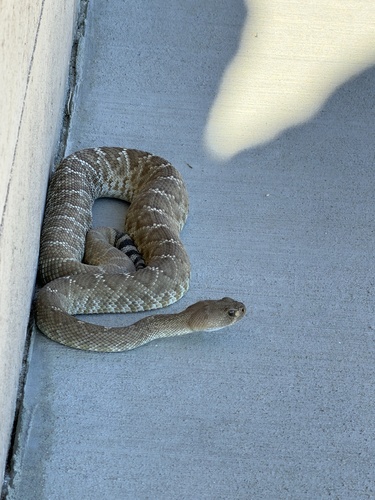 Red Diamond RattlesnakeCrotalus ruberVenomous
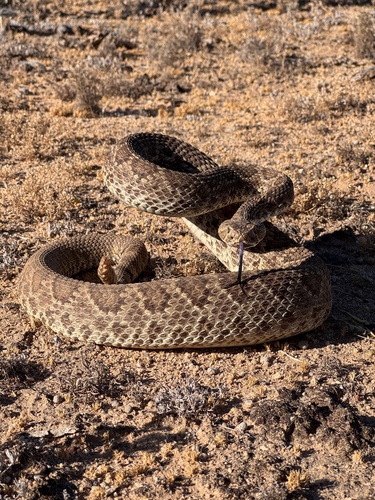 Mojave RattlesnakeCrotalus scutulatusVenomous
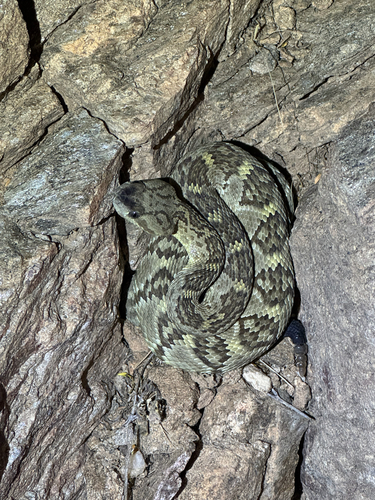 Western Black-tailed RattlesnakeCrotalus molossusVenomous
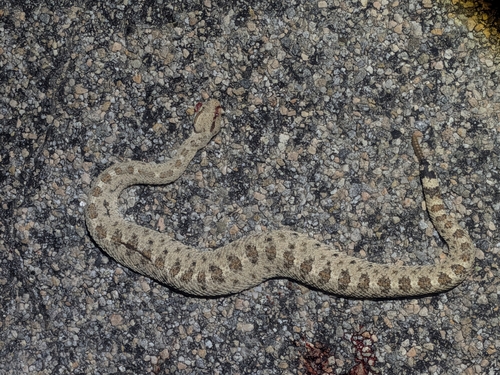 SidewinderCrotalus cerastesVenomous
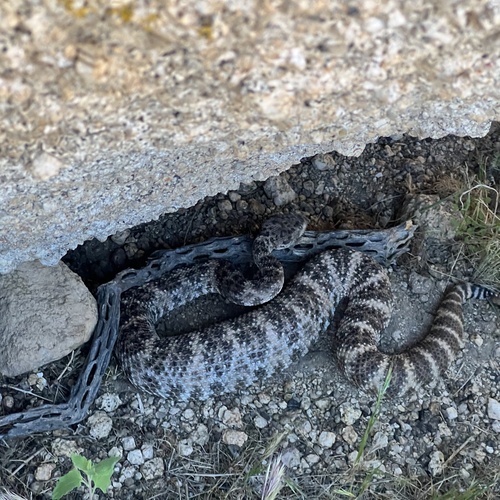 Southwestern Speckled RattlesnakeCrotalus pyrrhusVenomous
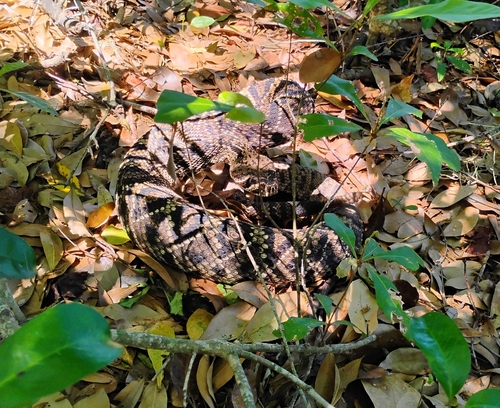 Eastern Diamondback RattlesnakeCrotalus adamanteusVenomous
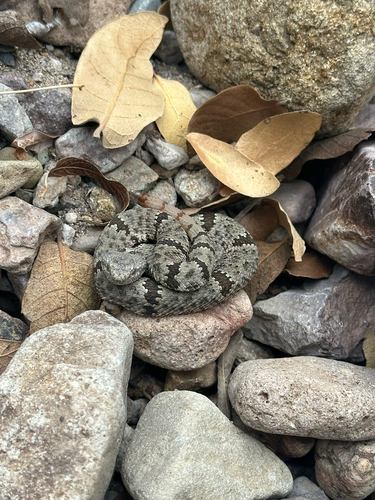 Rock RattlesnakeCrotalus lepidusVenomous
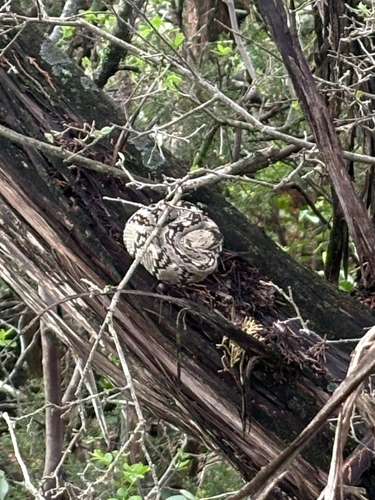 Eastern Black-tailed RattlesnakeCrotalus ornatusVenomous
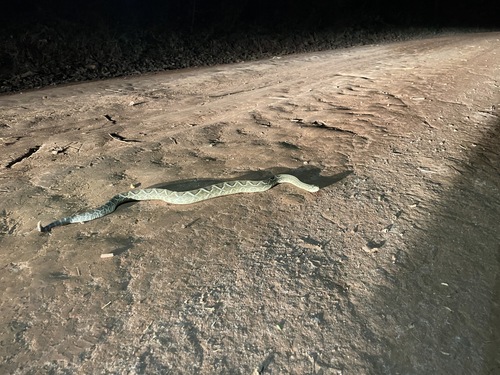 Neotropical RattlesnakeCrotalus durissusVenomous
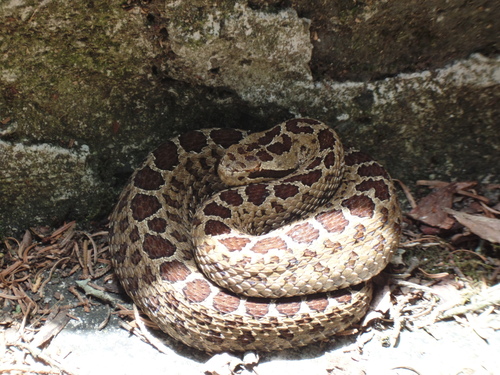 Dusky RattlesnakeCrotalus triseriatusVenomous
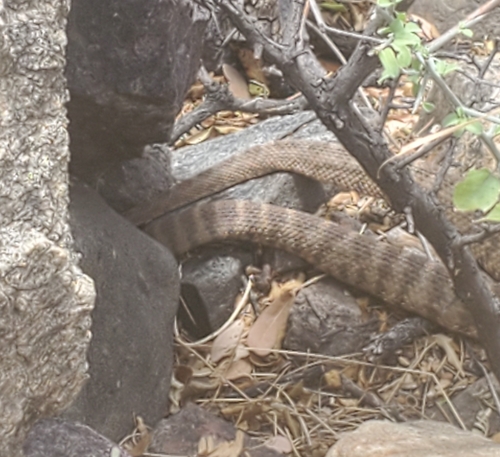 Tiger RattlesnakeCrotalus tigrisVenomous
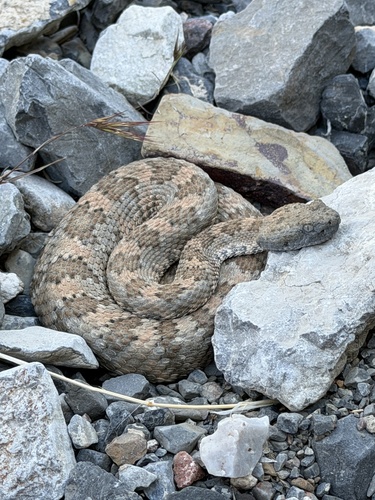 Panamint RattlesnakeCrotalus stephensiVenomous
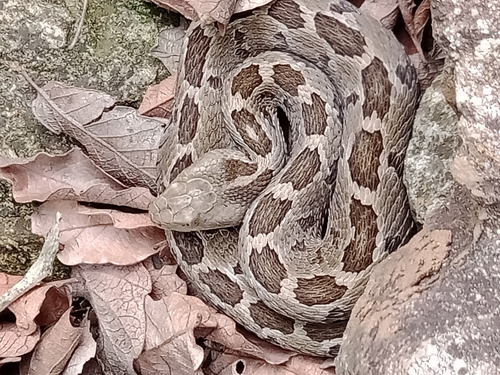 Mexican Pygmy RattlesnakeCrotalus ravusVenomous
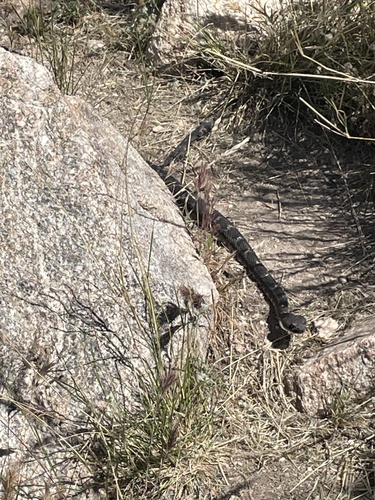 Arizona Black RattlesnakeCrotalus cerberusVenomous
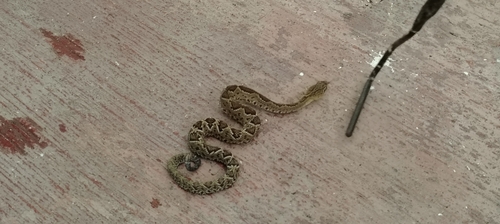 Basilisk RattlesnakeCrotalus basiliscusVenomous
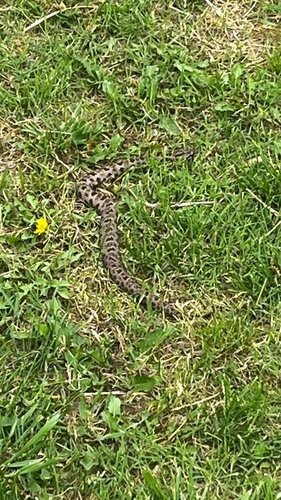 Queretaran Dusky RattlesnakeCrotalus aquilusVenomous
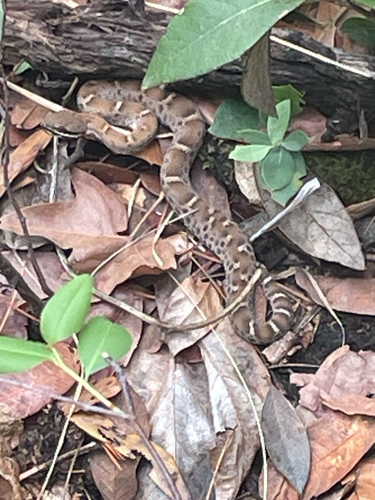 Ridge-nosed RattlesnakeCrotalus willardiVenomous
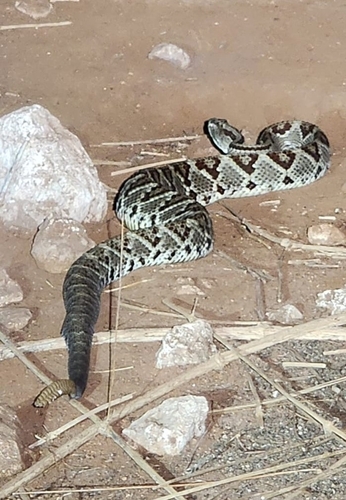 Yucatán Neotropical RattlesnakeCrotalus tzabcanVenomous
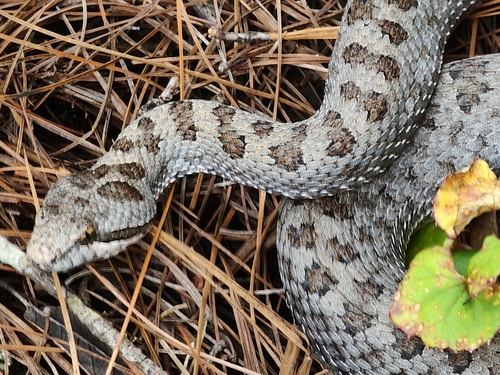 Twin-spotted RattlesnakeCrotalus priceiVenomous
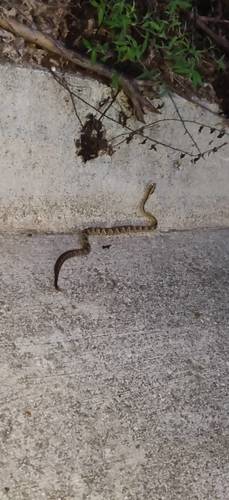 Central American RattlesnakeCrotalus simusVenomous
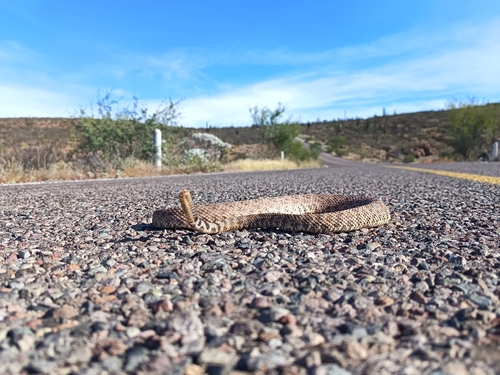 Speckled RattlesnakeCrotalus mitchelliiVenomous
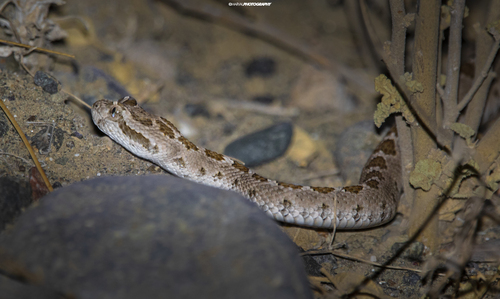 Lower California RattlesnakeCrotalus enyoVenomous
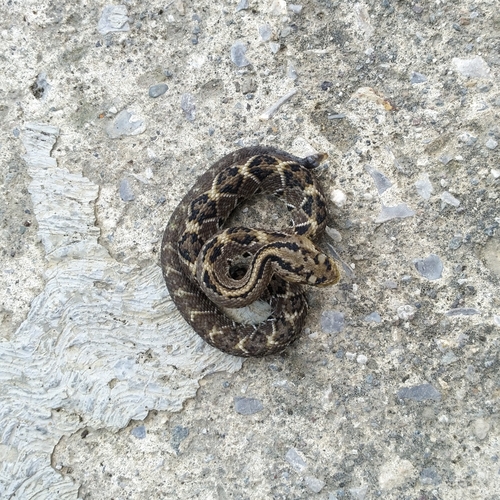 Northwestern Neotropical RattlesnakeCrotalus culminatusVenomous
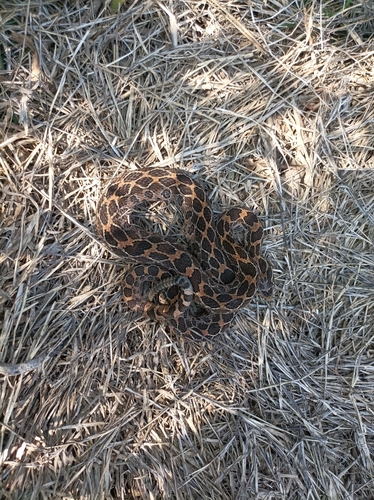 Mexican Lancehead RattlesnakeCrotalus polystictusVenomous
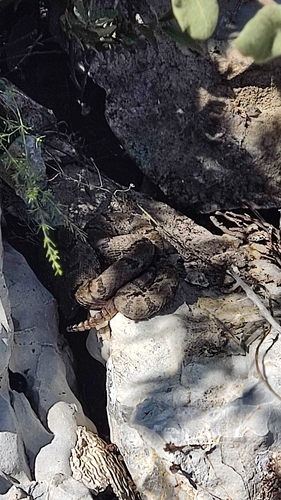 Tamaulipan Rock RattlesnakeCrotalus morulusVenomous
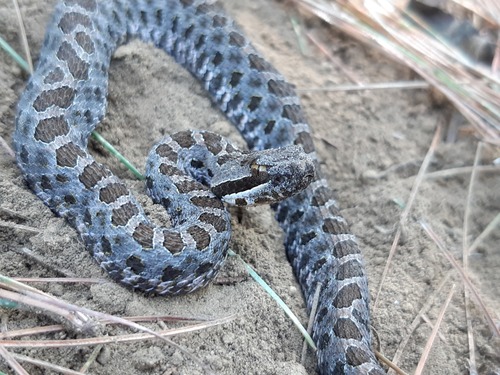 Mexican Dusky RattlesnakeCrotalus armstrongiVenomous
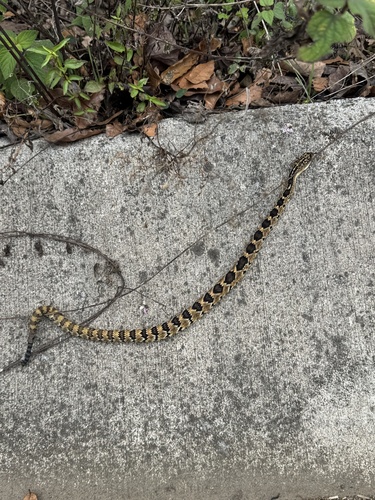 Totonacan RattlesnakeCrotalus totonacusVenomous
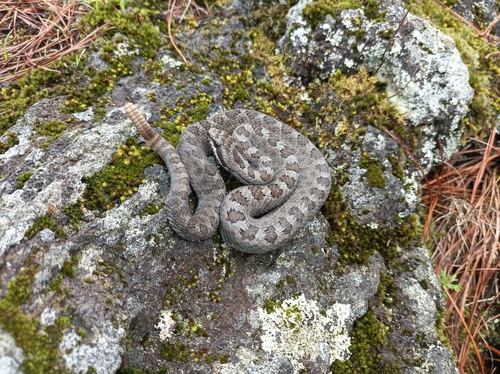 Mexican Smallhead RattlesnakeCrotalus intermediusVenomous
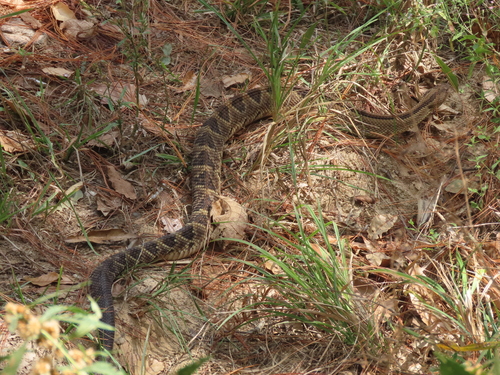 Tehuantepec Isthmus Neotropical RattlesnakeCrotalus ehecatlVenomous
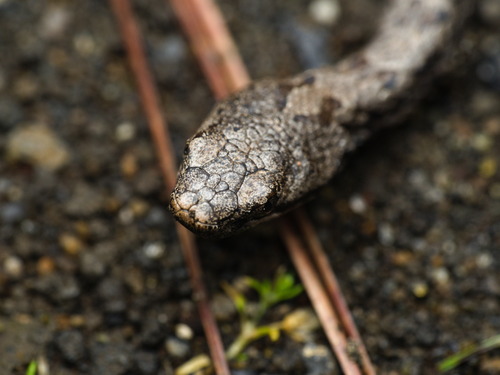 Cross-banded Mountain RattlesnakeCrotalus transversusVenomous
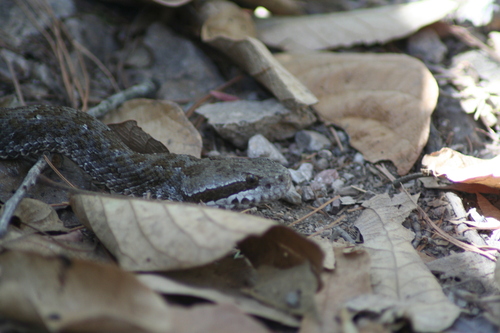 Campbell's RattlesnakeCrotalus campbelliVenomous
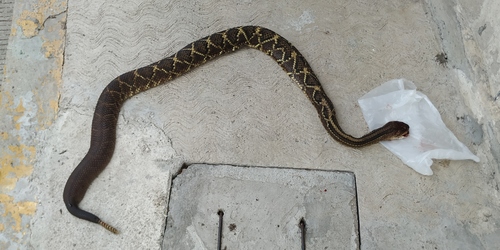 Veracruz Neotropical RattlesnakeCrotalus mictlantecuhtliVenomous
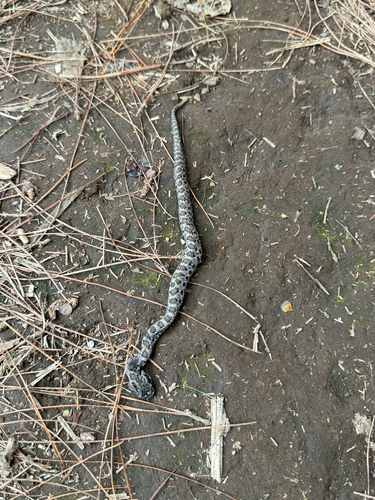 Tlaloc's RattlesnakeCrotalus tlalociVenomous
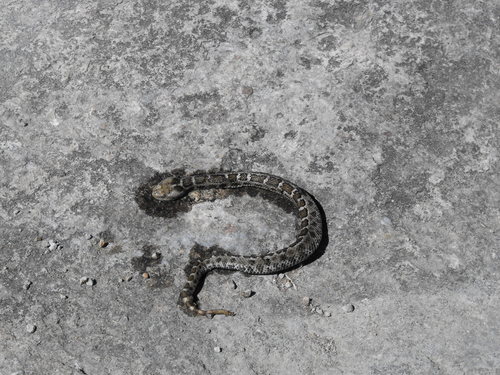 Oaxacan Pygmy RattlesnakeCrotalus brunneusVenomous
 Santa Catalina Island RattlesnakeCrotalus catalinensisVenomous
 Sinaloan Long-tailed RattlesnakeCrotalus stejnegeriVenomous
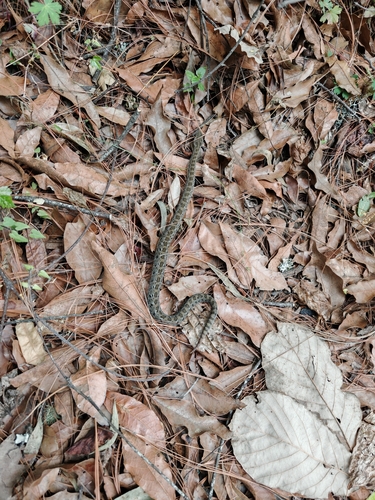 Tancitaran Dusky RattlesnakeCrotalus pusillusVenomous
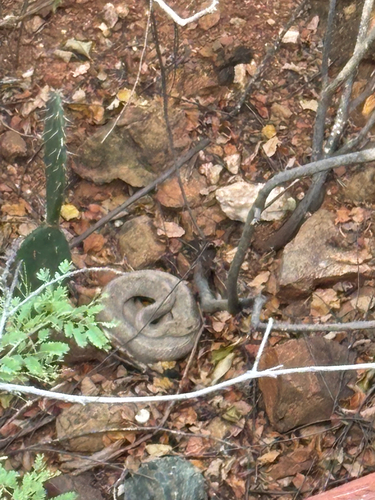 Aruba Island RattlesnakeCrotalus unicolorVenomous
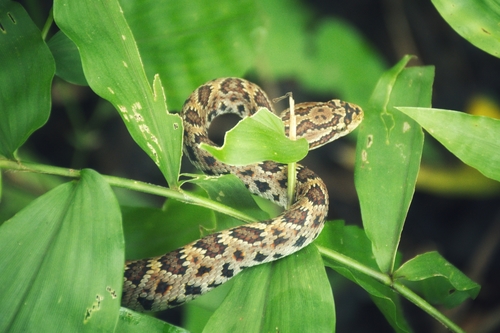 Manantlán Long-tailed RattlesnakeCrotalus lannomiVenomous
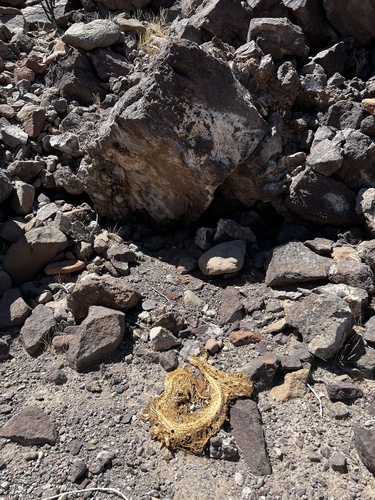 Angel de la Guarda Island Speckled RattlesnakeCrotalus angelensisVenomous
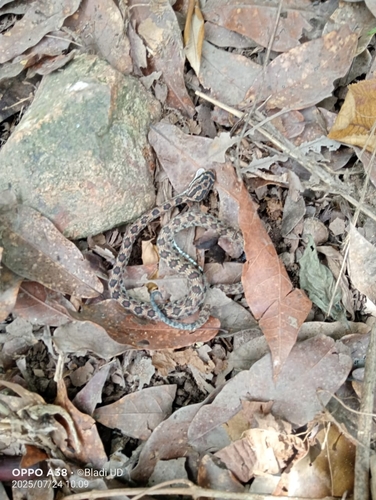 Guerreran Long-tailed RattlesnakeCrotalus ericsmithiVenomous
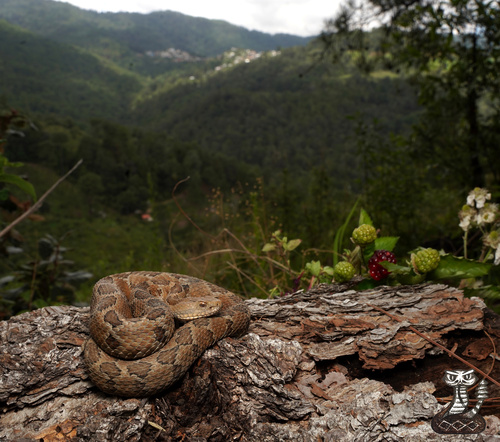 Guerreran Pygmy RattlesnakeCrotalus exiguusVenomous
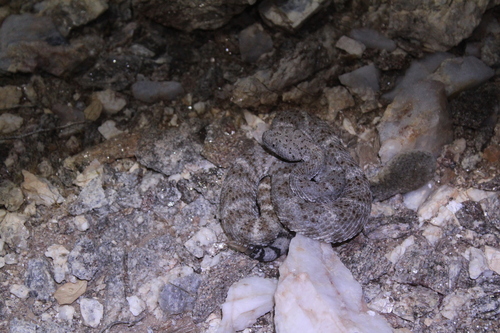 Isla Piojo Speckled RattlesnakeCrotalus thalassoporusVenomous
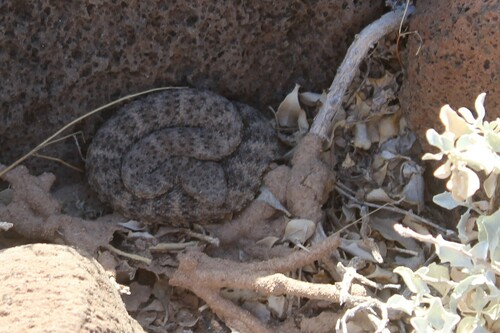 Horsehead Island Speckled RattlesnakeCrotalus polisiVenomous
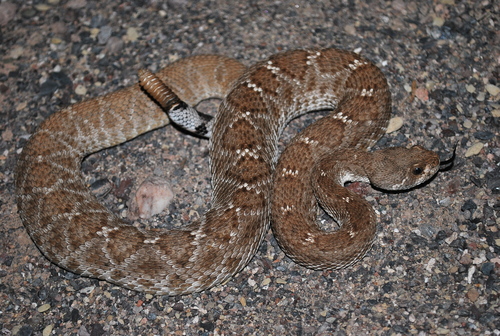 San Lorenzo Island RattlesnakeCrotalus lorenzoensisVenomous
- No photoSan Esteban Island RattlesnakeCrotalus estebanensisVenomous
- No photoTancítaro Cross-banded Mountain RattlesnakeCrotalus tancitarensisVenomous
Keep learning
- Venomous vs Nonvenomous: How to Tell the DifferenceThe folk rules for telling venomous snakes apart, where each one fails, and why location-based identification beats guessing by sight.
- Are Snakes Dangerous? The Real Risk, in PerspectiveMost snakes are harmless and avoid people. Here is the honest picture of snakebite risk worldwide and how to lower your own.
- Snake Venom Explained: How It Works and WhyWhat snake venom actually is, why it evolved, the main venom types, fang delivery, how antivenom works, and why ranking the most venomous snake is hard.
- How Snakes Move, Hunt, and EatHow snakes move without legs, hunt as ambushers or active foragers, kill by constriction or venom, and swallow prey wider than their head.