
Genus · Colubridae
Types of ground snakes
75+ species make up the genus Atractus, the snakes commonly called ground snakes. None are considered dangerous to humans.
About ground snakes
A huge genus of small, secretive burrowing snakes that spend most of their lives hidden in the leaf litter and soil of Central and South America.
Atractus is a genus of small, slender snakes in the family Colubridae, the largest and most diverse family of snakes in the world. With well over a hundred described species, Atractus is one of the most species rich snake genera on Earth, and our database tracks 75+ of them. They are commonly called ground snakes because they live almost entirely on or under the ground. New species are still being described regularly, which tells you how poorly explored and easy to overlook these animals are.
The genus is centered on Central and South America. Members range from Panama and the rest of lower Central America down through the Andes and across the Amazon basin into much of tropical South America. Many species have tiny ranges, sometimes a single mountain valley or river drainage, which is part of why the genus has so many members. Typical habitat is humid forest, cloud forest, and montane areas, where the snakes shelter in leaf litter, loose soil, rotting logs, and under rocks.
Recognizing an Atractus in general terms means looking for a small snake, often well under a foot to roughly a foot and a half long, with a cylindrical body, a short tail, smooth scales, and a small head that is barely distinct from the neck. The eyes are small, fitting their burrowing life underground. Color is highly variable across the genus, from plain browns and blacks to banded, striped, or reddish patterns. Because so many species look similar and ranges overlap with other small snakes, exact identification often comes down to locality and scale counts rather than color alone.
Atractus are not considered dangerous to people. They are small, secretive, and not aggressive, and they are not known to cause medically significant envenomation in humans. They belong to a colubrid lineage without the front fangs and potent venom of vipers or elapids. As a general rule with any wild snake, the safe approach is to observe and not handle it, because field identification is unreliable and even harmless snakes can bite if grabbed. If a bite from any snake causes worrying symptoms, contact emergency services or US Poison Control at 1-800-222-1222 rather than trying to treat it yourself.
Ecologically, ground snakes are specialized feeders. Most prey on soft bodied invertebrates such as earthworms, and some take slugs, snails, or insect larvae, hunting through soil and leaf litter where these are abundant. They are egg laying, producing small clutches, and they spend much of their time concealed, becoming active in humid conditions and at night or after rain. Their quiet, fossorial lifestyle makes them an underappreciated but important part of the forest floor food web across the Neotropics.
Atractus belongs to the Colubridae family (Colubrids). The largest snake family, and the one most snakes you meet belong to. Typically round pupils, a head only slightly wider than the neck, and no heat-sensing facial pit or rattle. Scales may be smooth and glossy or keeled and matte depending on the species.
Danger: Almost all colubrids are harmless. A small number are rear-fanged with medically significant venom, the boomslang and the twig (vine) snakes of Africa being the dangerous exceptions. Most colubrids will flee or bluff rather than bite.
All species (88)
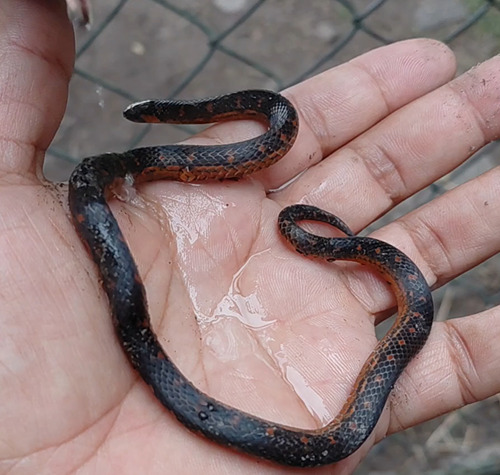 Thickhead Ground SnakeAtractus crassicaudatusHarmless
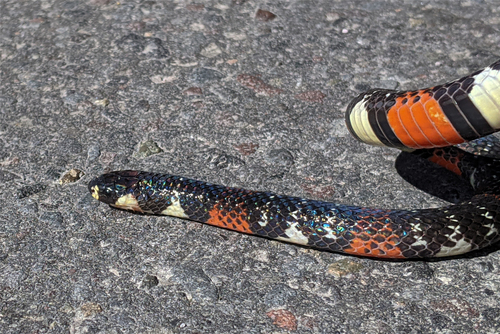 Black Ground SnakeAtractus elapsHarmless
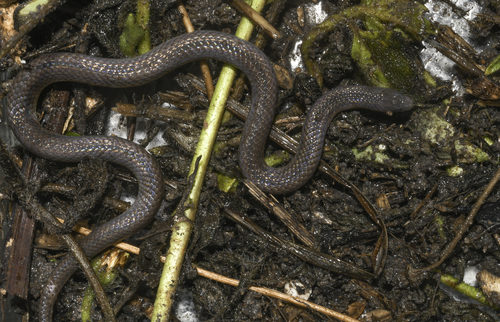 Three-lined Ground SnakeAtractus trilineatusHarmless
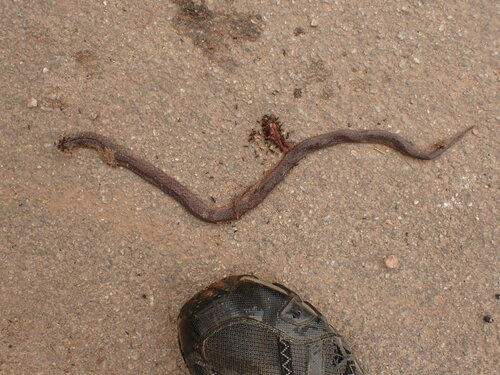 Atractus pantostictusHarmless
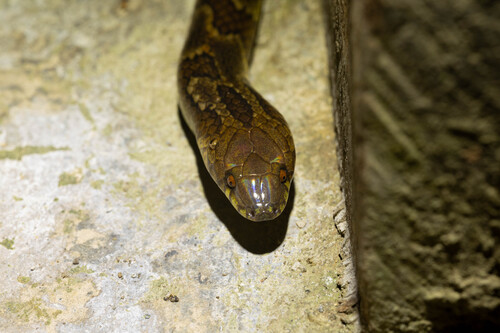 Big Ground SnakeAtractus majorHarmless
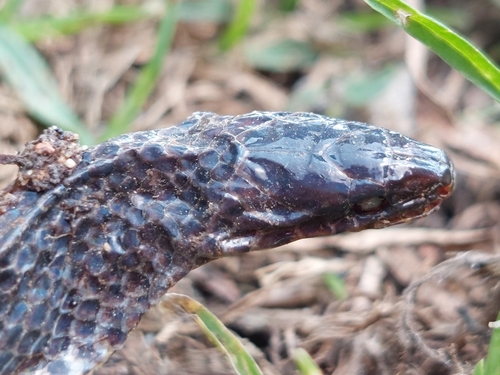 Lasalle's Ground SnakeAtractus lasalleiHarmless
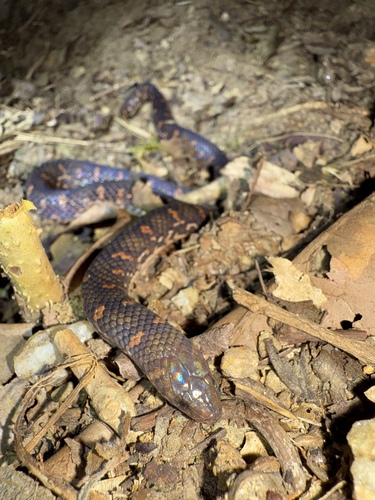 St. Marta's Ground SnakeAtractus sanctaemartaeHarmless
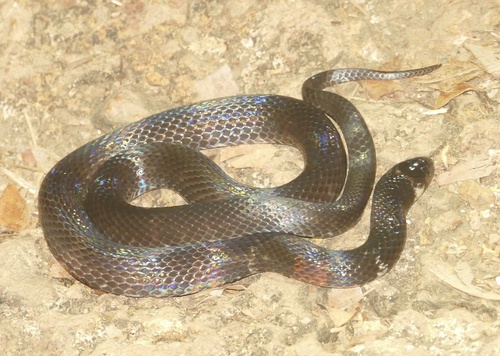 Boie's Ground SnakeAtractus badiusHarmless
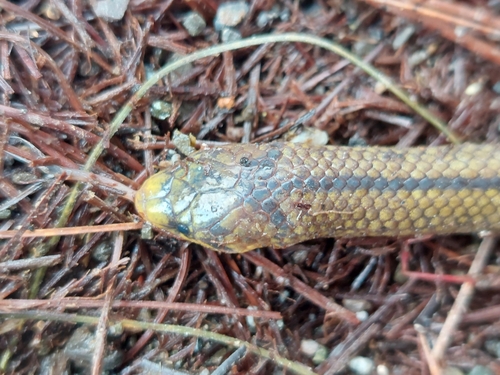 Lehmann's Ground SnakeAtractus lehmanniHarmless
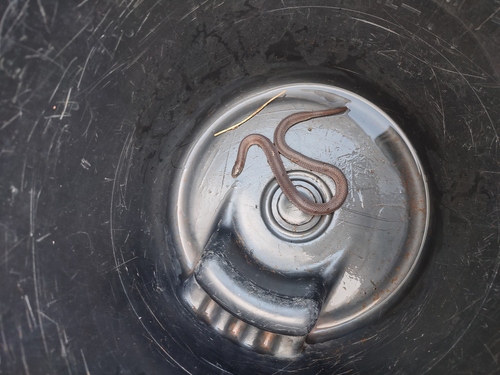 Reticulate Ground SnakeAtractus reticulatusHarmless
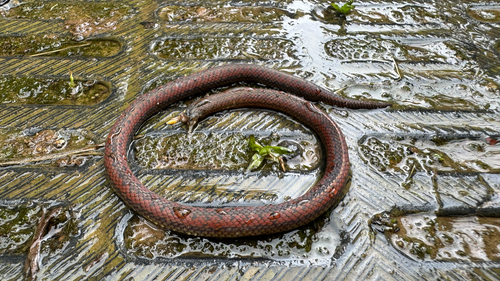 Werner's Ground SnakeAtractus werneriHarmless
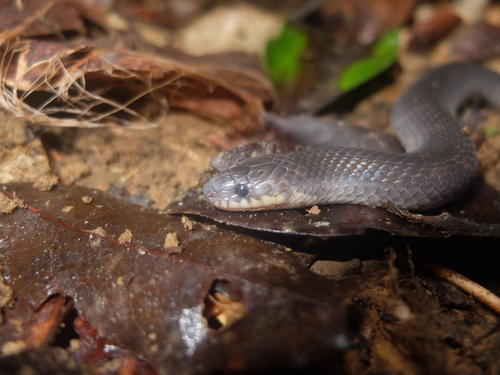 Flaming Ground SnakeAtractus flammigerusHarmless
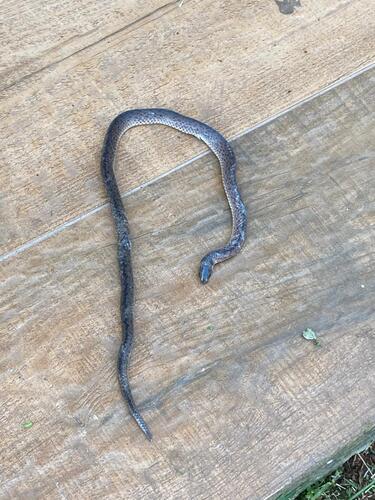 Paraguayan Tellurian SnakeAtractus paraguayensisHarmless
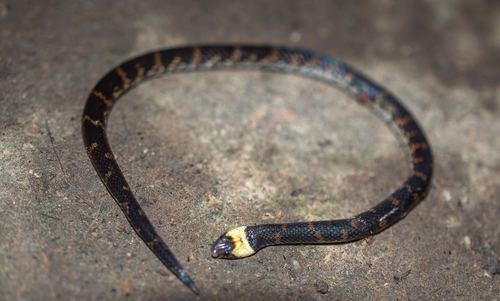 Pachacamac Ground SnakeAtractus snethlageaeHarmless
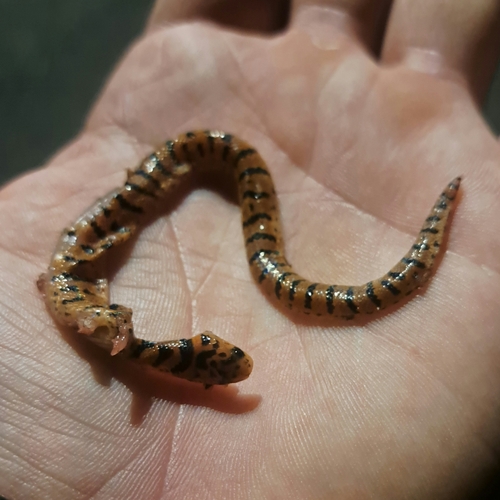 Atractus zebrinusHarmless
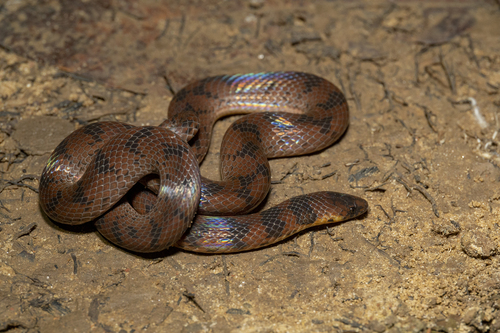 Neckband Ground SnakeAtractus torquatusHarmless
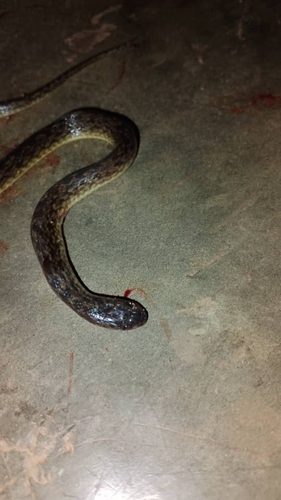 Hallowell's Ground SnakeAtractus fuliginosusHarmless
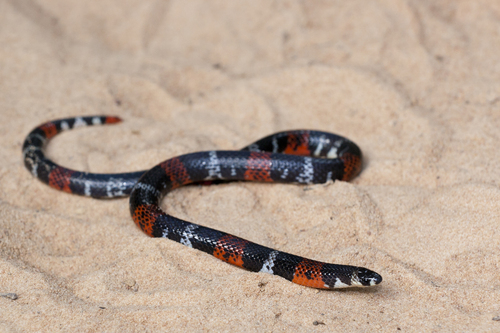 Broadhead Ground SnakeAtractus latifronsHarmless
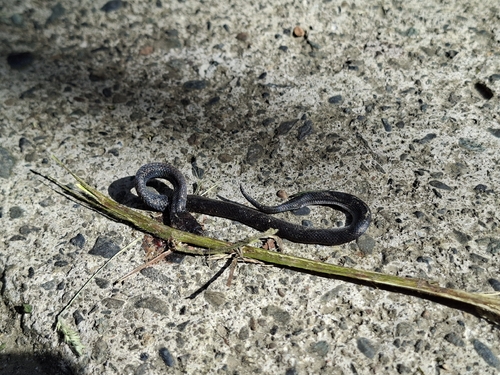 Northern Ground SnakeAtractus niceforiHarmless
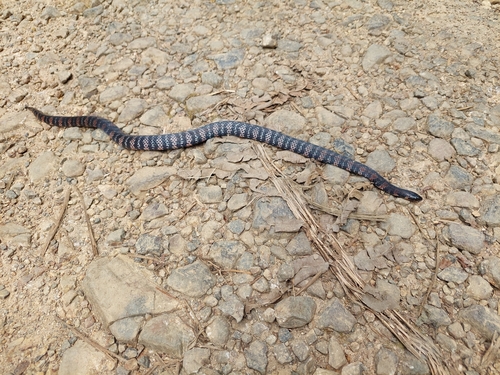 Fat Ground SnakeAtractus obesusHarmless
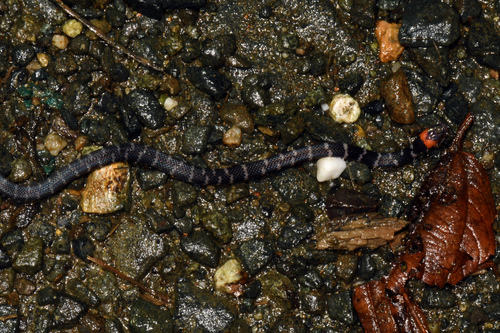 Clark's Ground SnakeAtractus clarkiHarmless
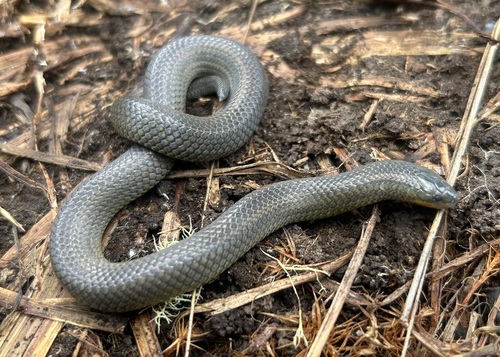 Parker's Ground SnakeAtractus carrioniHarmless
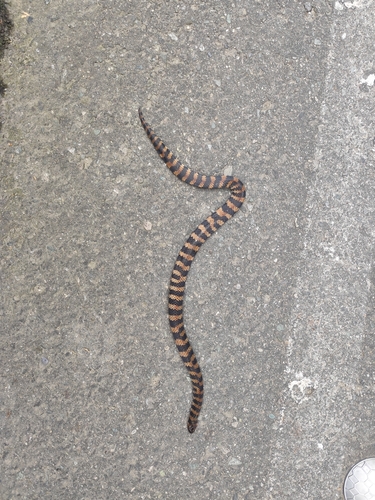 Atractus titanicusHarmless
 Dunn's Ground SnakeAtractus dunniHarmless
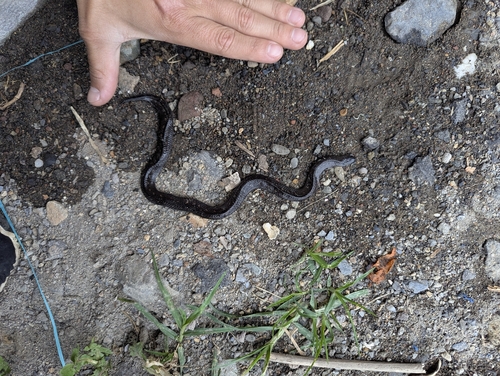 Atractus duboisiHarmless
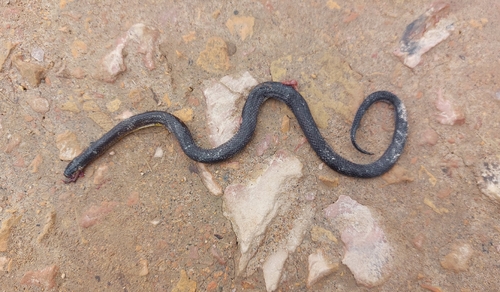 Modest Ground SnakeAtractus modestusHarmless
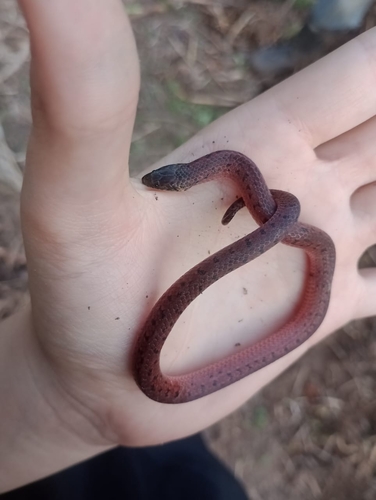 Atractus manizalesensisHarmless
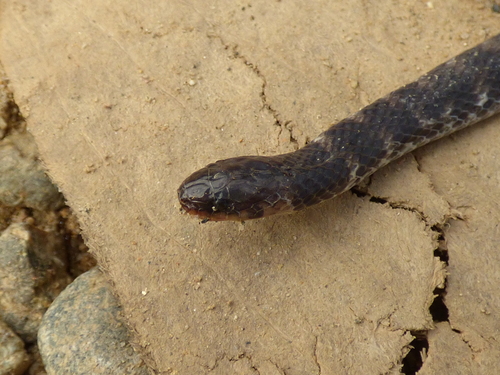 Bloody Ground SnakeAtractus sanguineusHarmless
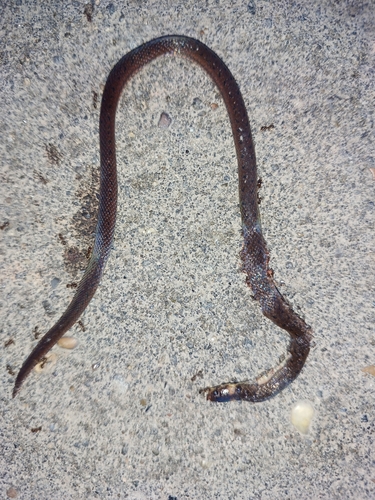 Collared Ground SnakeAtractus collarisHarmless
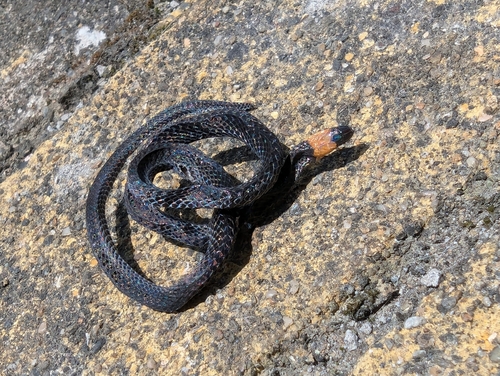 Gray Ground SnakeAtractus occipitoalbusHarmless
 Zidok's Ground SnakeAtractus zidokiHarmless
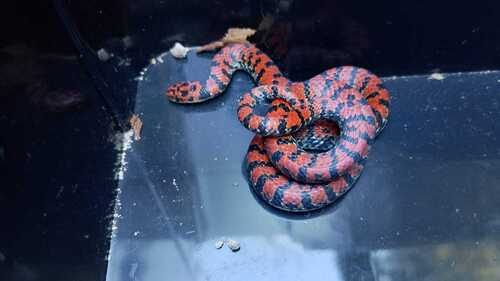 Bock's Ground SnakeAtractus bockiHarmless
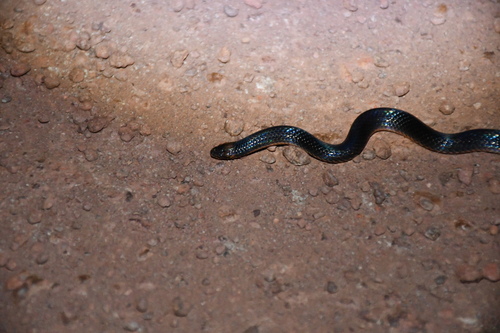 Emmel's Ground SnakeAtractus emmeliHarmless
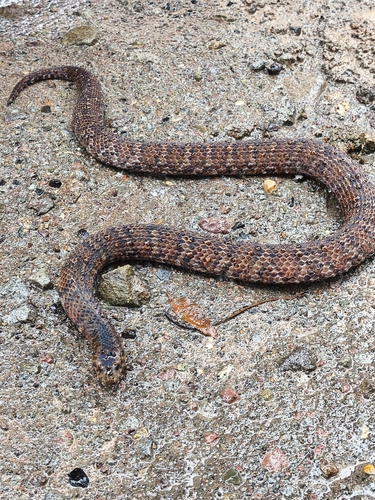 Giant GroundsnakeAtractus gigasHarmless
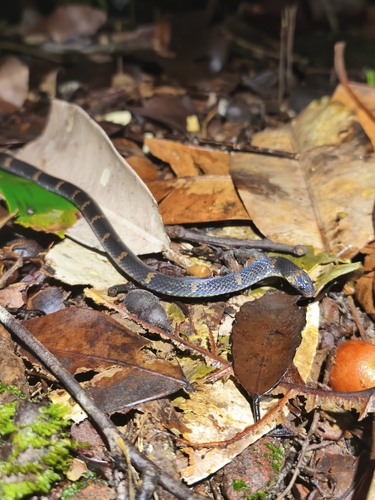 Atractus trefautiHarmless
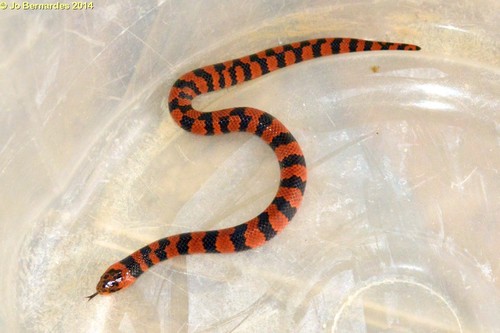 Southern Ground SnakeAtractus trihedrurusHarmless
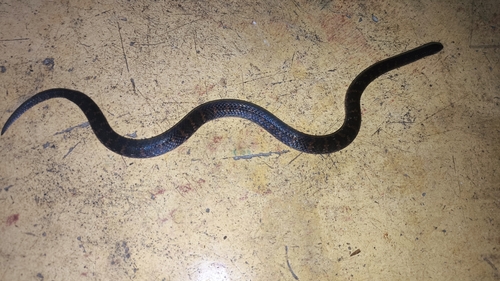 Two-lined Ground SnakeAtractus biseriatusHarmless
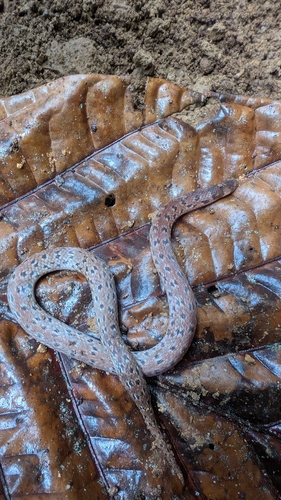 Iridescent Ground SnakeAtractus iridescensHarmless
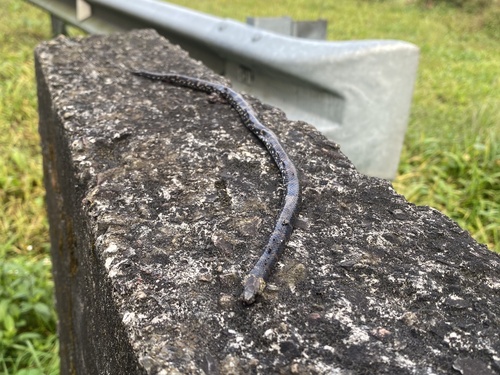 Atractus atratusHarmless
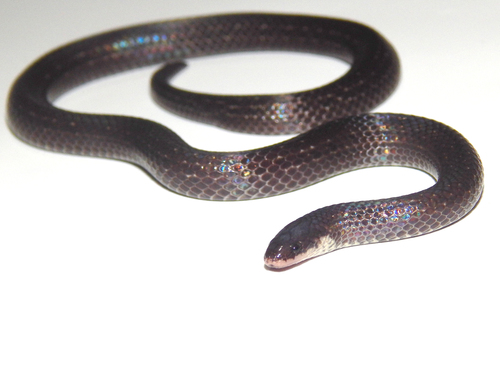 Atractus paisaHarmless
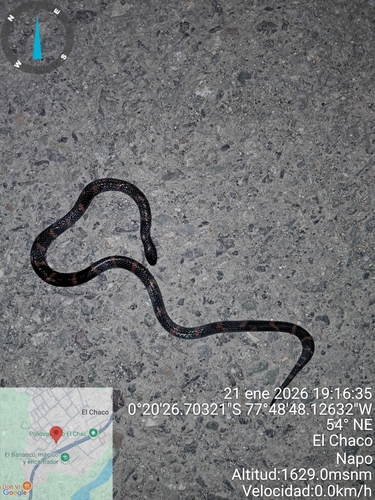 Atractus ukupachaHarmless
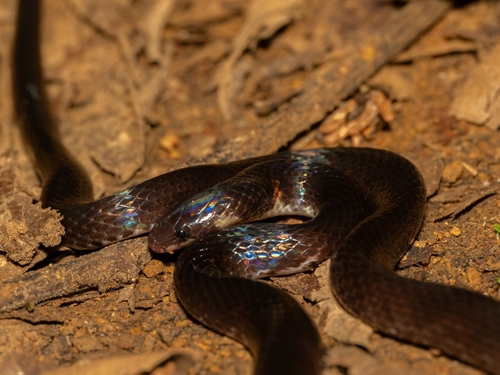 Despax's Ground SnakeAtractus paucidensHarmless
 Schach's Ground SnakeAtractus schachHarmless
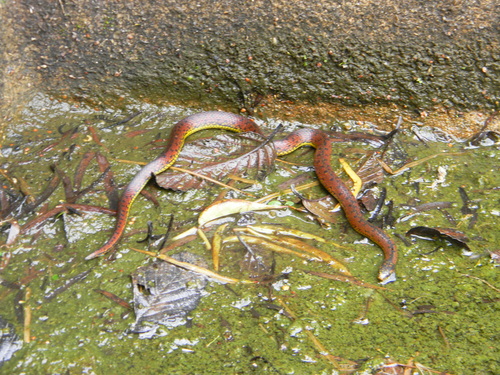 Wagler's Ground SnakeAtractus wagleriHarmless
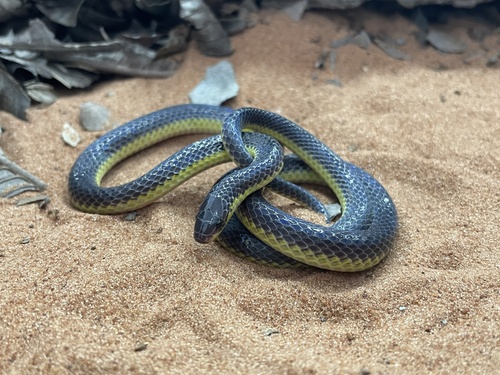 Albuquerque Ground SnakeAtractus albuquerqueiHarmless
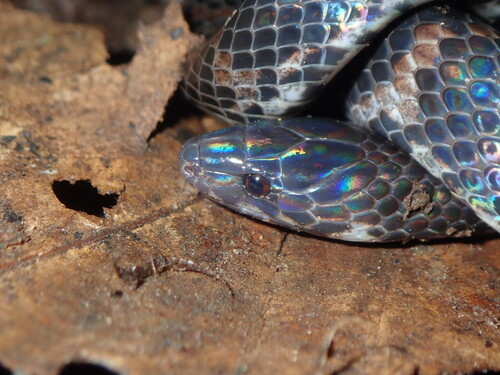 Typhon Ground SnakeAtractus typhonHarmless
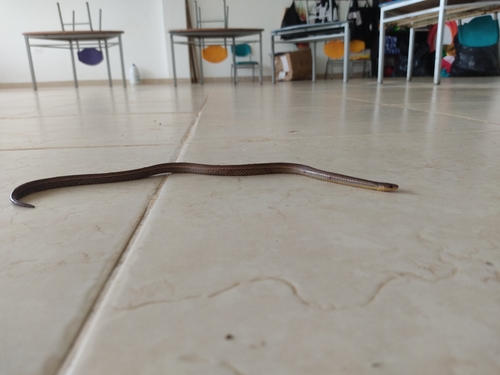 Atractus chthoniusHarmless
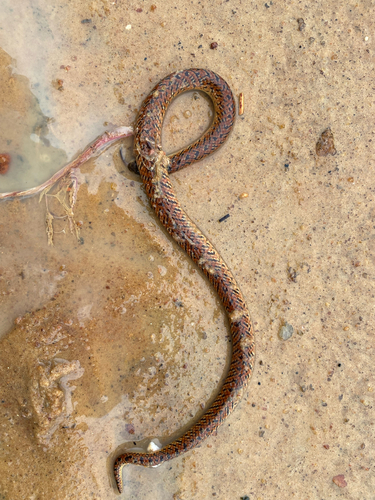 Atractus potschiHarmless
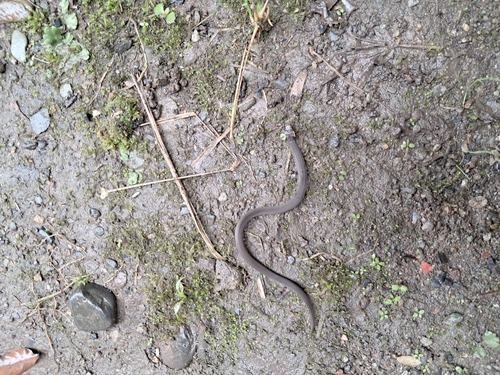 Atractus zgapHarmless
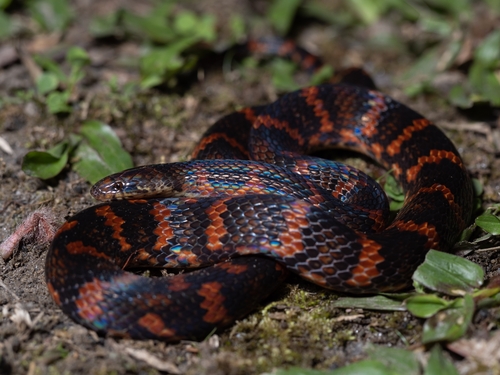 Atractus pachacamacHarmless
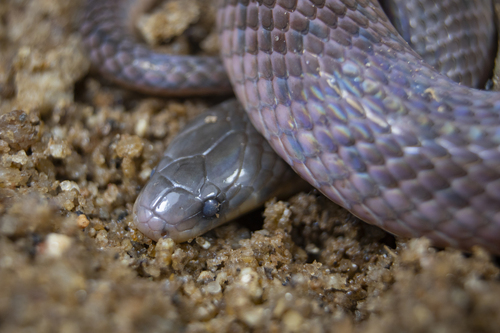 Atractus ronnieHarmless
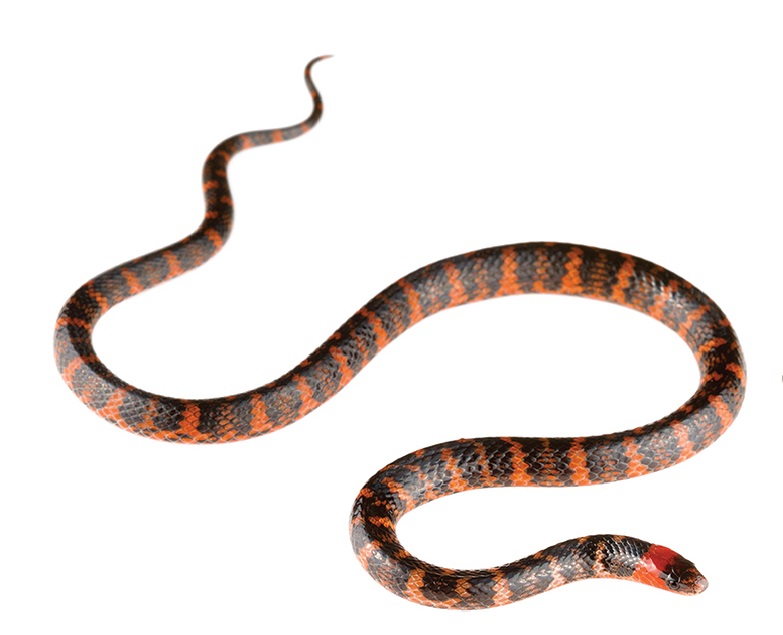 Banded Ground SnakeAtractus multicinctusHarmless
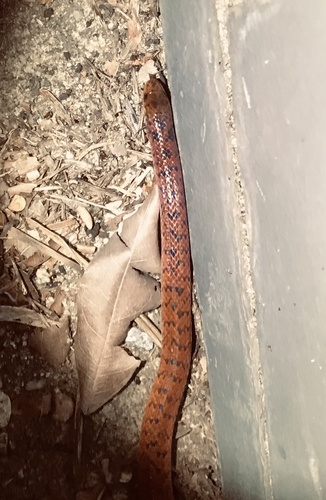 Spotted Ground SnakeAtractus maculatusHarmless
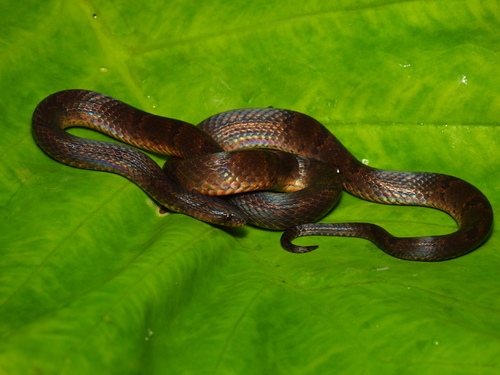 Atractus arangoiHarmless
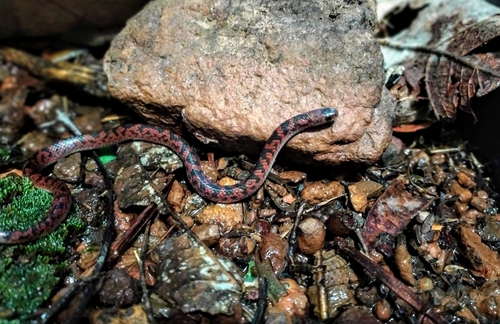 Atractus spinalisHarmless
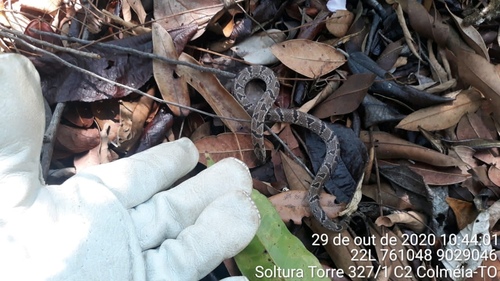 Atractus tartarusHarmless
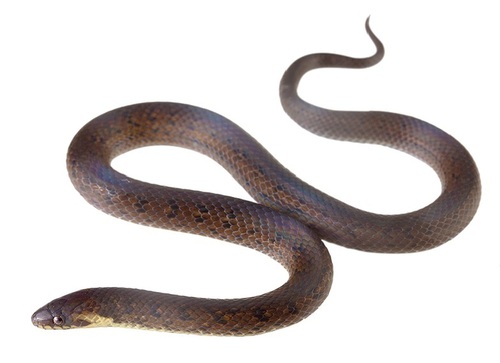 Short-nosed Ground SnakeAtractus microrhynchusHarmless
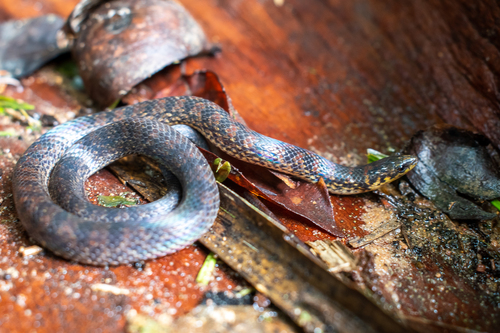 Atractus tamessariHarmless
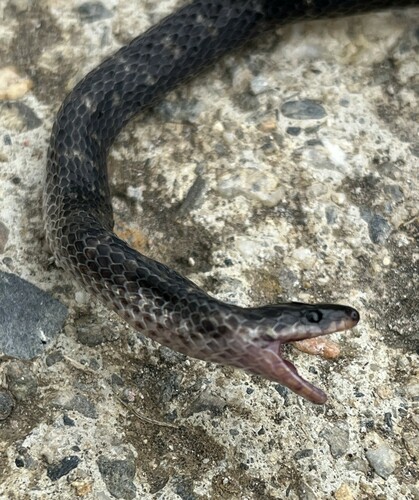 Lancini's Ground SnakeAtractus lanciniiHarmless
 Resplendent Ground SnakeAtractus resplendensHarmless
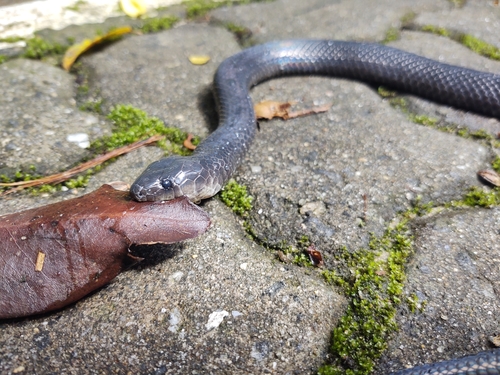 Atractus francoiHarmless
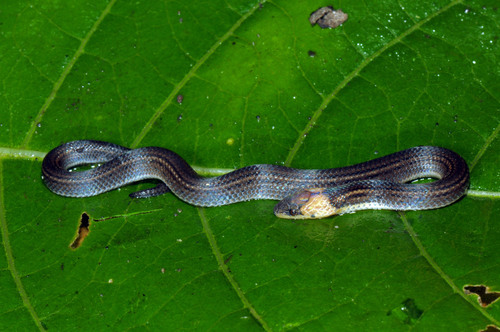 Atractus orcesiHarmless
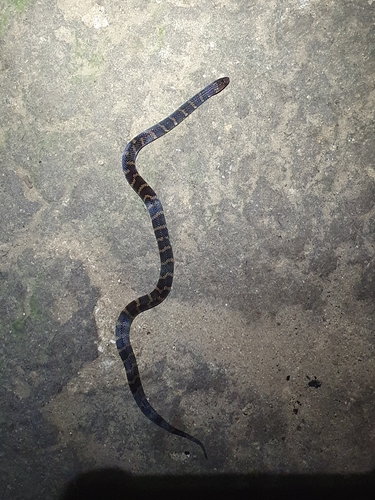 Atractus touzetiHarmless
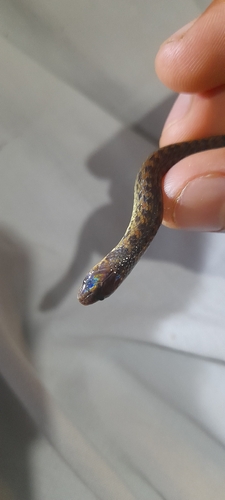 Bignose Ground SnakeAtractus obtusirostrisHarmless
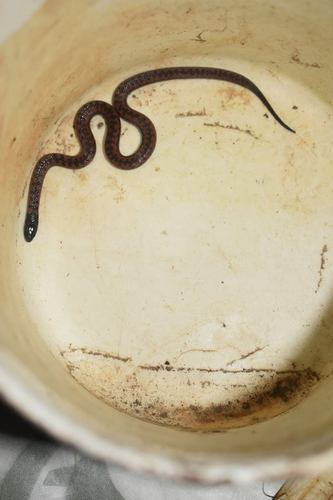 Indistinct Ground SnakeAtractus indistinctusHarmless
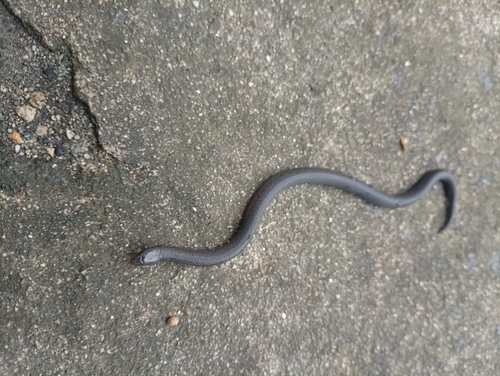 Pamplona Ground SnakeAtractus pamplonensisHarmless
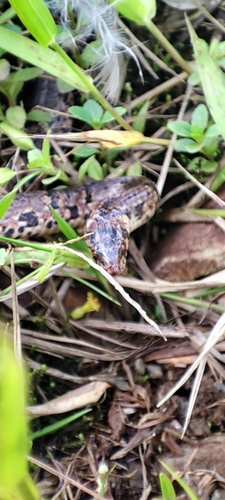 Pointed Ground SnakeAtractus punctiventrisHarmless
 Western Ground SnakeAtractus occidentalisHarmless
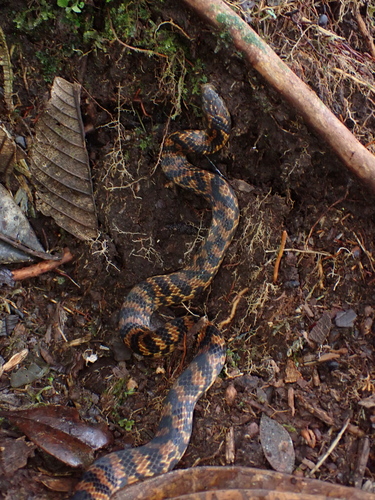 Atractus atlasHarmless
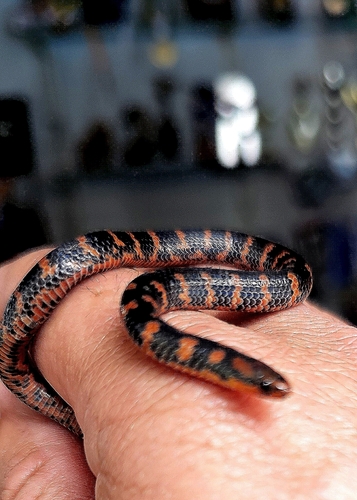 Red-black Ground SnakeAtractus erythromelasHarmless
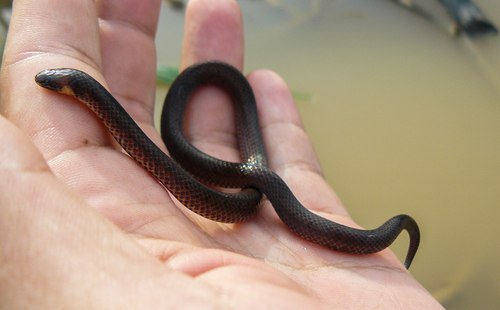 Atractus natansHarmless
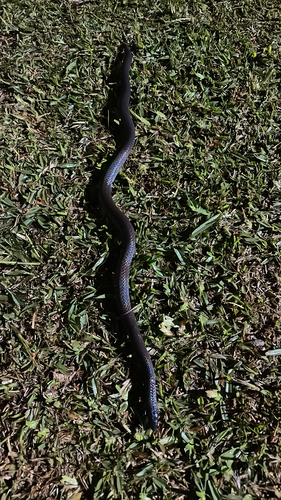 Atractus vittatusHarmless
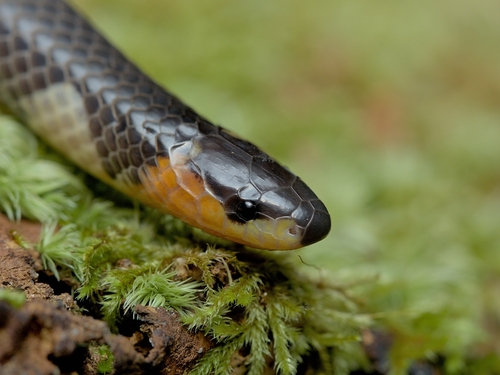 Basin Ground SnakeAtractus poeppigiHarmless
 Bocourt's Ground SnakeAtractus bocourtiHarmless
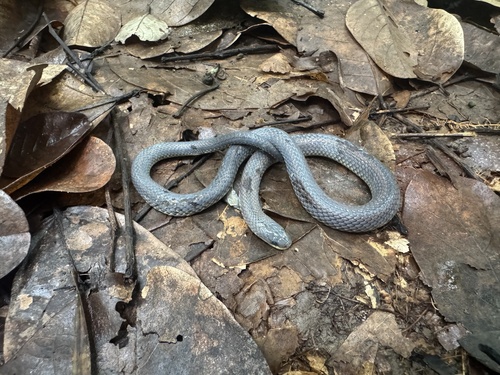 Günther's Ground SnakeAtractus guentheriHarmless
 Atractus cerberusHarmless
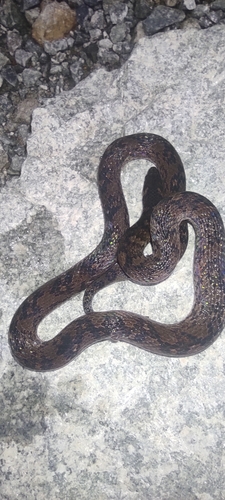 Atractus imperfectusHarmless
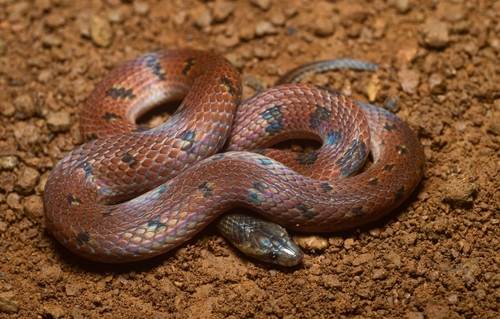 Atractus medusaHarmless
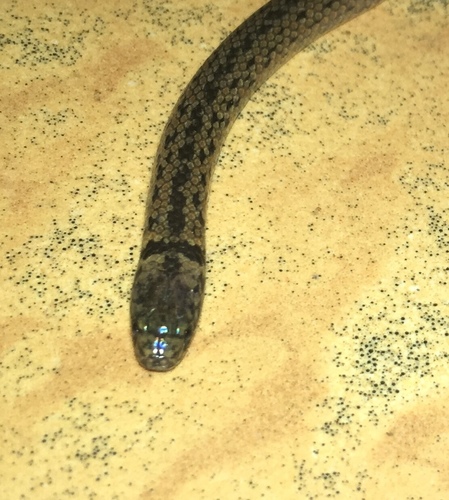 Atractus meridensisHarmless
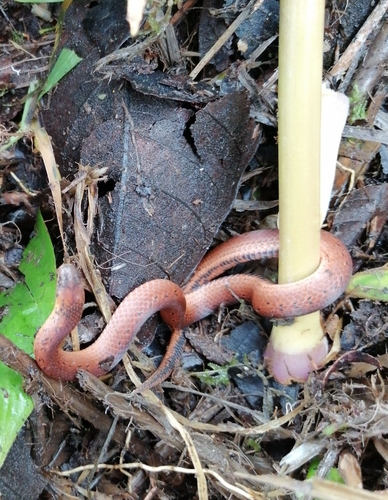 Atractus michaelsabiniHarmless
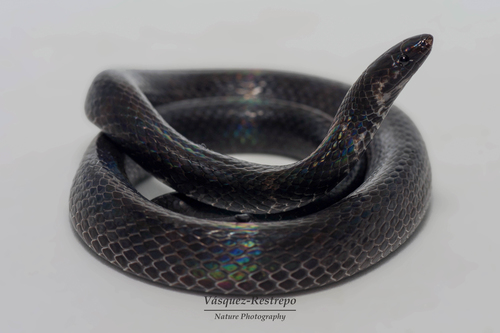 Dark Ground SnakeAtractus melasHarmless
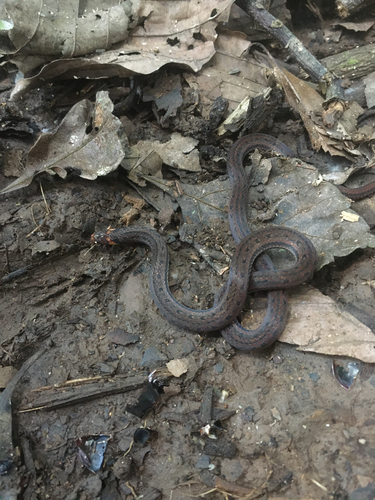 Gaige's Ground SnakeAtractus gaigeaeHarmless
 Rivero's Ground SnakeAtractus riveroiHarmless
- No photoAtractus marthaeHarmless
- No photoAtractus nawaHarmless
- No photoAtractus turikensisHarmless
- No photoEmigdio’s Ground SnakeAtractus emigdioiHarmless
- No photoLittle-scaled Ground SnakeAtractus pauciscutatusHarmless
Keep learning
- What Is a Snake? Anatomy and the BasicsA clear overview of what makes a snake a snake: limbless body plan, anatomy, evolution from lizards, species diversity, and why they are ectothermic.
- How Snakes Move, Hunt, and EatHow snakes move without legs, hunt as ambushers or active foragers, kill by constriction or venom, and swallow prey wider than their head.
- What Do Snakes Eat?All snakes are carnivores. Learn what snakes eat, how diet changes with size and age, how often they feed, and how they hunt and swallow prey.
- Venomous vs Nonvenomous: How to Tell the DifferenceThe folk rules for telling venomous snakes apart, where each one fails, and why location-based identification beats guessing by sight.