
Saint Martin
Snakes in Saint Martin
7 snake species have been recorded in Saint Martin, and none are venomous.
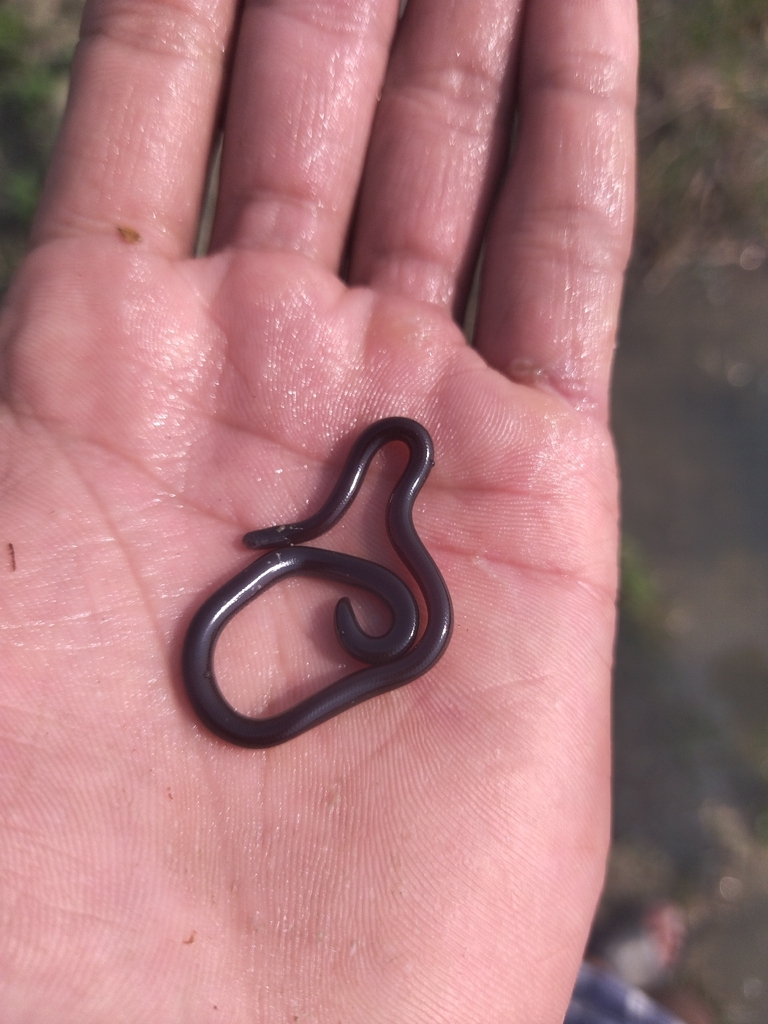
Snakes of Saint Martin
Saint Martin (French part) occupies the northern half of a small Caribbean island shared with the Dutch territory of Sint Maarten. Its snake fauna is shaped by that island setting: a compact landmass of dry coastal scrub, salt ponds, low hills, and patches of dry tropical forest, ringed by beaches and development. Islands of this size hold far fewer snake species than the nearby mainland of South America, and the species that do occur are generally small, secretive, and tied to leaf litter, rock crevices, and brushy ground. Our database records 7 snake species for Saint Martin (French part), and none of them are recorded as venomous.
On the question of dangerous snakes, the honest answer is direct: Saint Martin (French part) has no established population of dangerously venomous snakes, and none of the 7 species in our database are recorded as venomous. This matches the broader pattern of the small Lesser Antilles, where the front-fanged pit vipers found on a few larger islands such as Martinique and Saint Lucia simply never colonized the smaller, drier islands. Rather than name doubtful or unverified species, the accurate statement is that a person on this part of the island is not facing a meaningful risk of venomous snakebite from the local fauna.
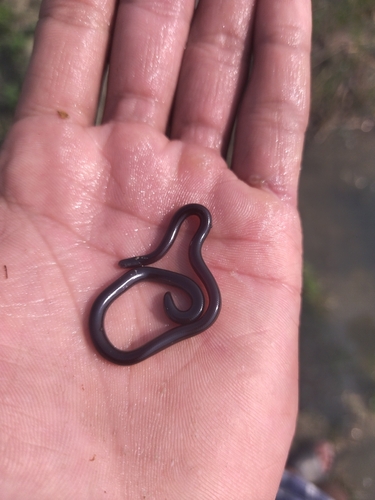
The harmless majority is the whole story here. The snakes you might encounter belong to non-venomous groups typical of small Caribbean islands: slender, burrowing blind snakes that look more like earthworms and live in soil and under stones, and small ground-dwelling colubrid-type snakes that hunt lizards, frogs, and insects in the scrub and leaf litter. These are shy animals that flee from people and pose no threat. Most residents and visitors will go a long time without seeing one at all, since the snakes spend much of their time hidden underground or under cover.
Small as they are, these snakes matter to the island. They help control populations of insects, lizards, and other small prey, and the burrowing species turn and aerate soil as they move through it. In a confined island ecosystem with limited land, each native species carries weight, and the snakes form one quiet link in a food web that also includes the birds and larger reptiles that occasionally prey on them. Losing them would ripple through the balance of the dry forest and scrub habitats they occupy.
For safety, the practical reality is reassuring: the snakes of Saint Martin (French part) are harmless to people, and there is no significant venomous-snakebite threat from the local fauna. Even so, no wild snake should be picked up or handled, since handling stresses the animal and can provoke a defensive bite, and species can be misidentified. If a bite from any animal occurs and there is concern, seek professional medical care promptly. The correct response to any serious or worrying snakebite is hospital evaluation and, where a venomous bite is confirmed, antivenom administered by clinicians. In the United States you can reach Poison Control at 1-800-222-1222; elsewhere, contact local emergency services.
Snakes in Saint Martin: FAQ
- Are there venomous snakes in Saint Martin?
- No venomous snakes have verified records in Saint Martin. Every snake recorded here is harmless to humans, though any snake may bite defensively if handled.
- How many snake species live in Saint Martin?
- 7 snake species have verified records in Saint Martin.
- What is the most commonly seen snake in Saint Martin?
- The Brahminy Blindsnake is the most frequently reported snake in Saint Martin, based on verified wildlife observations.
Every snake recorded in Saint Martin
7 species across 4 families, grouped by family. Venomous flagged.
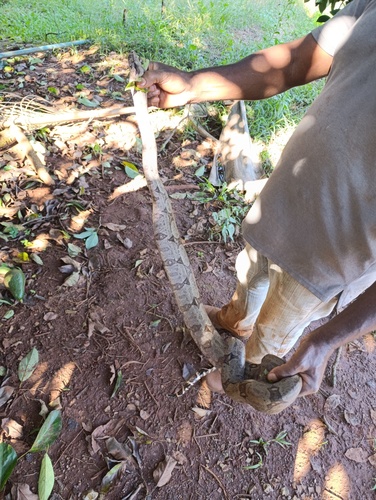
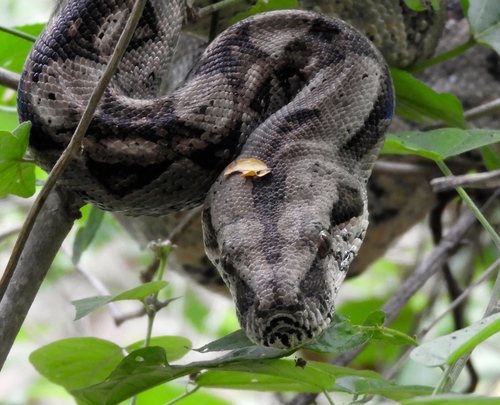
Colubridae (3)
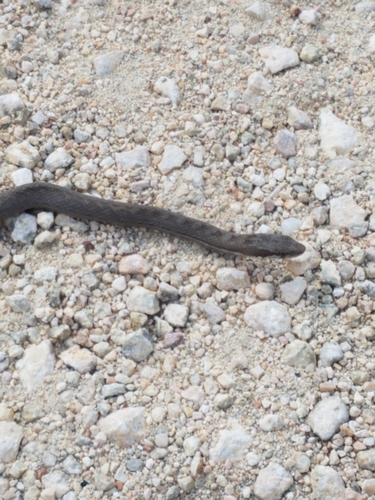
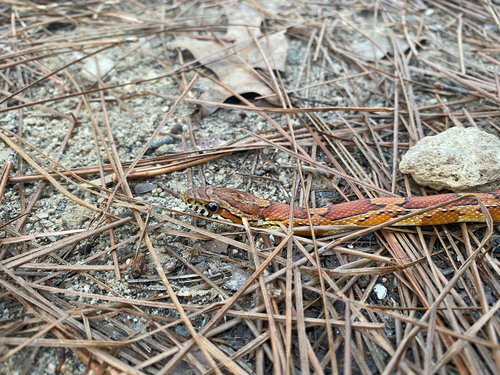
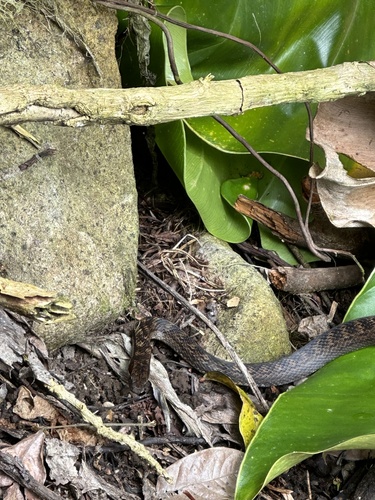
Typhlopidae (1)
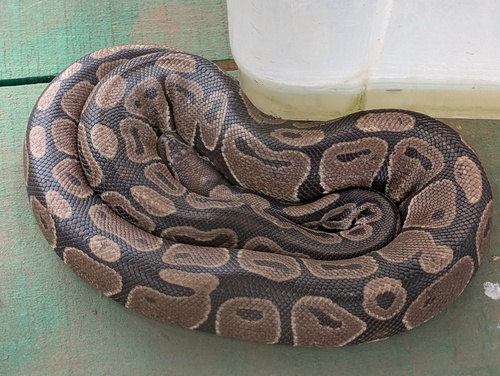
Pythonidae (1)
Compiled from verified GBIF & iNaturalist observations. "How often seen" reflects how frequently a snake is reported here, not how dangerous it is. Informational only.
Keep learning
- What Is a Snake? Anatomy and the BasicsA clear overview of what makes a snake a snake: limbless body plan, anatomy, evolution from lizards, species diversity, and why they are ectothermic.
- What to Do If You Find a SnakeFound a snake at home or on a trail? Here is how to stay calm, give it space, identify it safely, and know when to call a professional.
- How to Keep Snakes Out of Your Yard and HomeA practical guide to keeping snakes out of your yard and home using habitat changes that work, plus what to skip and what to do if one shows up.
- Are Snakes Dangerous? The Real Risk, in PerspectiveMost snakes are harmless and avoid people. Here is the honest picture of snakebite risk worldwide and how to lower your own.