
Northern Mariana Islands
Snakes in Northern Mariana Islands
7 snake species have been recorded in Northern Mariana Islands, 4 venomous.
Snakes of Northern Mariana Islands
The Commonwealth of the Northern Mariana Islands is a chain of volcanic and limestone islands in the western Pacific, including Saipan, Tinian, and Rota, surrounded by deep tropical ocean. Like most isolated oceanic islands far from any continent, the Marianas naturally support very few snakes. Native terrestrial snake life is essentially limited to small, secretive species, and most snakes recorded here are associated with forests, coastal scrub, limestone terraces, and the sea. The 7 species in our database for this territory reflect this mix of land and marine snakes rather than a rich continental fauna.
Of the 7 recorded species, 4 are classed as venomous. On the Marianas these venomous snakes are dominated by marine forms. Sea snakes and the amphibious sea kraits belong to the cobra family and carry potent venom, but they live in the ocean and on coastal rocks, feed on fish and eels, and are not encountered inland. They are generally unaggressive toward people and bites are very rare, though their venom is medically serious. The presence of these marine elapids is the main reason the venomous count is more than zero, since the land itself has little in the way of dangerous terrestrial snakes.
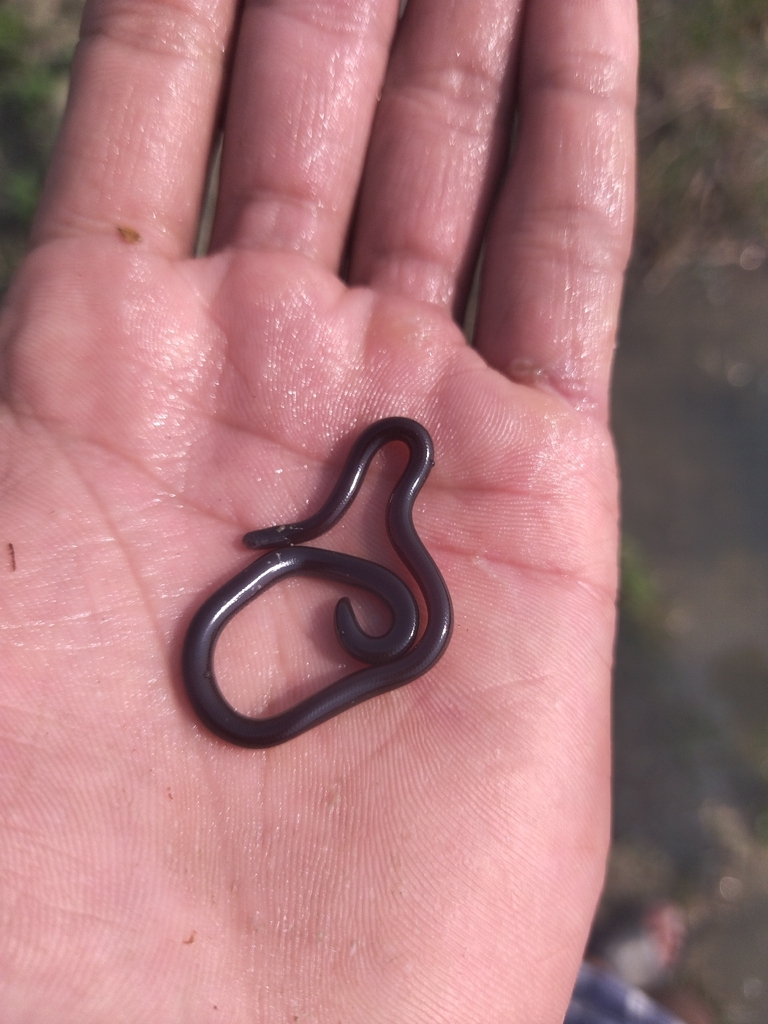
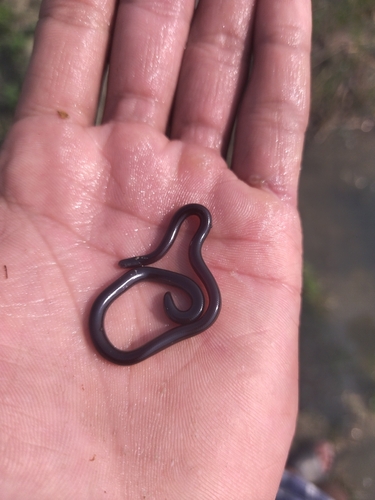
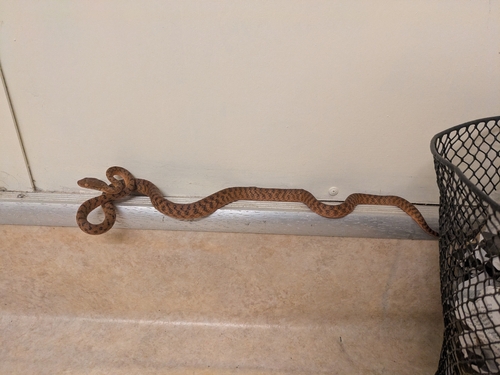
The harmless majority includes tiny burrowing snakes such as the introduced flowerpot or brahminy blind snake, a thread like, worm sized species that lives in soil and leaf litter, eats ant and termite larvae, and is completely harmless to people. The most ecologically important snake in the Marianas, however, is one that does not belong here at all: the brown tree snake, an invasive species that devastated the bird life of nearby Guam. It is mildly venomous to small prey but not considered dangerous to healthy adults. Authorities actively work to keep this snake from establishing in the Commonwealth, and any sighting on these islands should be reported to wildlife officials.
Snakes play a real ecological role even where they are few. Burrowing blind snakes help control soil invertebrates, marine snakes are predators within reef and coastal food webs, and the cautionary example of the brown tree snake shows how a single snake species can reshape an entire island ecosystem. On islands with limited native fauna, the balance is fragile, which is why preventing further snake introductions matters as much as understanding the species already present.
For safety, treat the situation honestly. The few land snakes you might encounter on these islands are not dangerous, and the genuinely venomous species here are marine. No wild snake, on land or in the water, should ever be handled, picked up, or provoked, and that holds even for species that look harmless. The realistic medical threat is a bite from a sea snake or sea krait while swimming, fishing, or wading, which is uncommon but should always be taken seriously. If a venomous bite is suspected, the correct response is immediate professional medical care, where antivenom and hospital treatment are given as needed. In the United States and its territories you can reach Poison Control at 1-800-222-1222, or contact local emergency services right away.
Snakes in Northern Mariana Islands: FAQ
- Are there venomous snakes in Northern Mariana Islands?
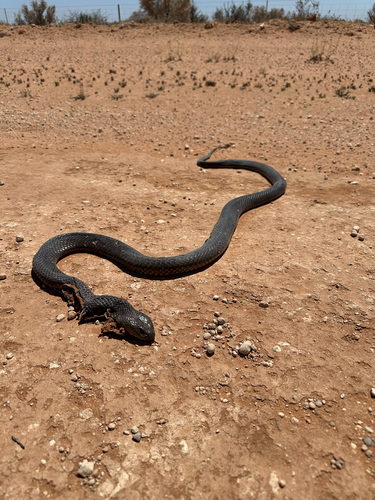
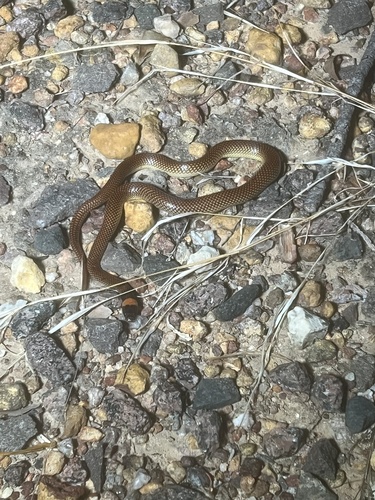
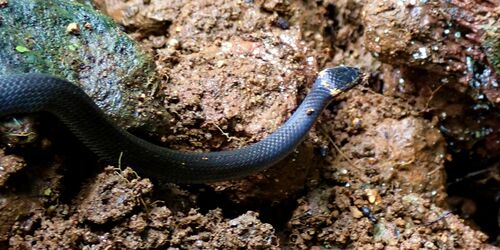
- Yes. 4 venomous snake species have verified records in Northern Mariana Islands, including Mulga Snake, Orange-naped Snake, Northern Dwarf Crowned Snake, Black-striped Snake. Most snakes in Northern Mariana Islands, however, are harmless.
- How many snake species live in Northern Mariana Islands?
- 7 snake species have verified records in Northern Mariana Islands, of which 4 are venomous.
- What is the most commonly seen snake in Northern Mariana Islands?
- The Brahminy Blindsnake is the most frequently reported snake in Northern Mariana Islands, based on verified wildlife observations.
- What should I do if I see a venomous snake in Northern Mariana Islands?
- Keep your distance and do not try to catch or kill it. Most bites happen when people handle or corner a snake. If someone is bitten, contact local emergency services or poison control immediately.
Venomous snakes in Northern Mariana Islands
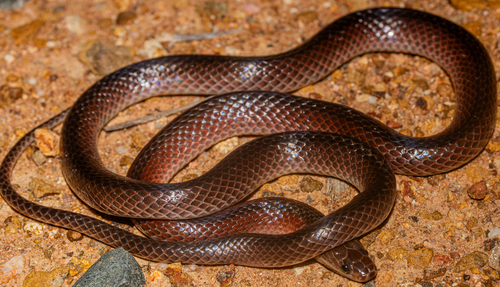
Every snake recorded in Northern Mariana Islands
7 species across 4 families, grouped by family. Venomous flagged.
Elapidae (4)
Typhlopidae (1)
Colubridae (1)
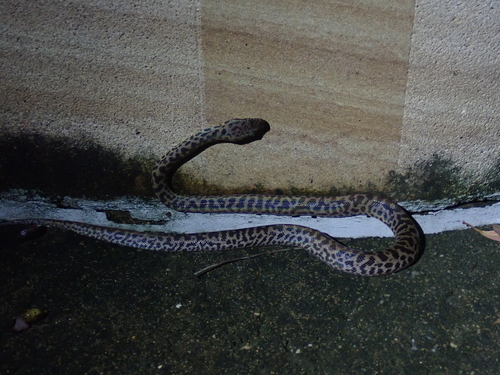
Pythonidae (1)
Compiled from verified GBIF & iNaturalist observations. "How often seen" reflects how frequently a snake is reported here, not how dangerous it is. Informational only.
Keep learning
- Are Snakes Dangerous? The Real Risk, in PerspectiveMost snakes are harmless and avoid people. Here is the honest picture of snakebite risk worldwide and how to lower your own.
- Snakebite First Aid: What to Do (and What Never to Do)A clear, CDC-based guide to snakebite first aid: the steps that help, the popular myths that hurt, and how to tell a serious bite from a minor one.
- Venomous vs Nonvenomous: How to Tell the DifferenceThe folk rules for telling venomous snakes apart, where each one fails, and why location-based identification beats guessing by sight.
- What to Do If You Find a SnakeFound a snake at home or on a trail? Here is how to stay calm, give it space, identify it safely, and know when to call a professional.