
Haiti
Snakes in Haiti
20+ snake species have been recorded in Haiti, and none are venomous.
Snakes of Haiti
Haiti has 20+ snake species recorded in our database, none venomous. Occupying the western third of the island of Hispaniola, Haiti shares its snake fauna with the Dominican Republic, and that fauna is overwhelmingly harmless to people. The great majority of species pose no medical threat, and the country has no native land snakes capable of delivering a dangerous bite to humans.
The diversity here is driven by Hispaniola's varied terrain. Haiti packs dry coastal lowlands, humid broadleaf forest, pine-clad mountains, river valleys, and karst limestone hills into a small area, and each of these settings supports its own mix of reptiles. Island isolation has also produced a high level of endemism, meaning many of Haiti's snakes are found only on Hispaniola and nearby islands and nowhere else on Earth. This combination of habitat variety and long isolation explains why a relatively small country holds a notable list of distinct species.
On the question of medically important venomous groups, the honest answer for Haiti is that there are none among the native land snakes. The dangerous mainland groups people often ask about, including cobras, mambas, true vipers, pit vipers such as rattlesnakes and lanceheads, and coral snakes, do not occur naturally in Haiti. The island was colonized largely by non-venomous lineages. The one venomous group present anywhere in the wider Caribbean region is sea snakes in open ocean waters, but these are not a feature of Haitian shores and are not part of the recorded land fauna here. In practical terms, a wild snake encountered in Haiti is not a venomous threat.
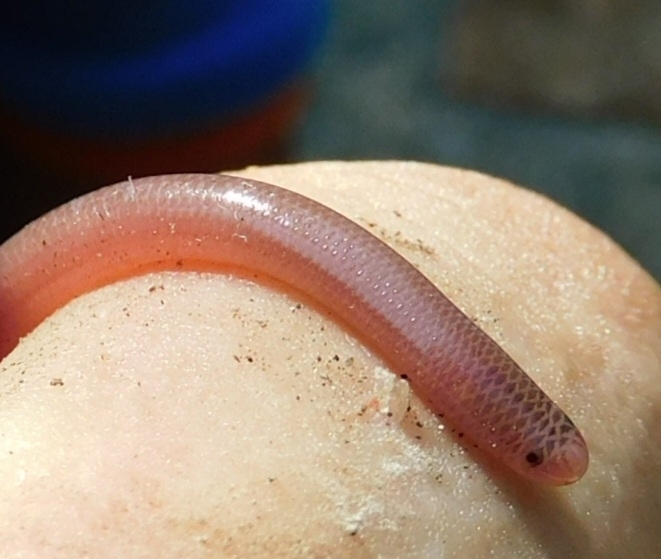
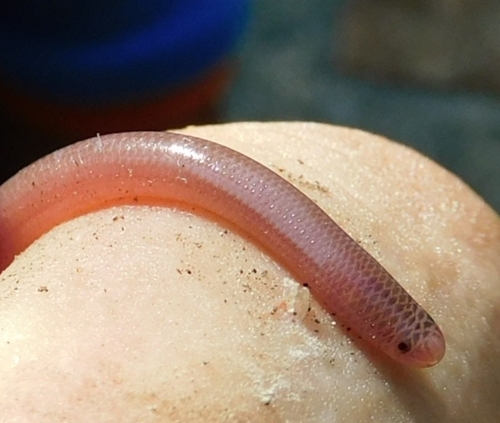
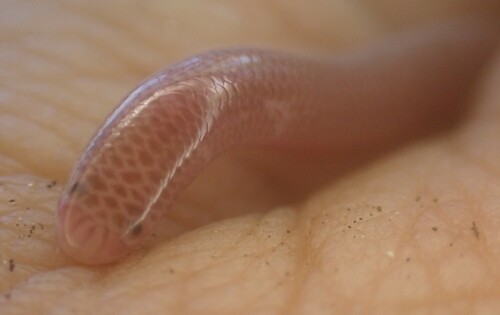
The large non-venomous majority is led by the racers and ground snakes of the genus that biologists once grouped under Alsophis and related Caribbean racers, fast, slender, day-active hunters of lizards and frogs. Haiti is also home to small burrowing blindsnakes that look almost like earthworms and spend their lives underground eating ant and termite brood. The most famous snakes of Hispaniola are the island boas, large constrictors of the genus Chilabothrus, including the Hispaniolan boa, which can grow to a substantial size and kills prey by constriction rather than venom. These boas are the headline reptiles of the country and are harmless to people in the sense that they carry no venom.
Snakes earn their place in Haiti's ecosystems by controlling rodents and other pests. The boas in particular take rats and mice that would otherwise damage stored grain and spread disease, while the smaller racers and ground snakes keep populations of insects, lizards, and frogs in balance. A landscape with healthy snake populations tends to have fewer rodent problems, which is a direct benefit to farms, homes, and food stores. Removing or killing snakes often makes pest issues worse, not better.
For safety, the framing is simple and reassuring. Almost every snake you might meet in Haiti is harmless, and the country has no native venomous land snakes, so the main risk from a wild snake is a defensive bite from a frightened animal rather than envenomation. Even so, never handle a wild snake, regardless of how harmless it appears, because a bite can still cause injury or infection. If a person is bitten and there is any concern, the correct response is professional medical care: get to a hospital or call local emergency services. In the United States you can also reach Poison Control at 1-800-222-1222. Antivenom and hospital treatment, not home remedies, are the answer to any serious snakebite.
Snakes in Haiti: FAQ
- Are there venomous snakes in Haiti?
- No venomous snakes have verified records in Haiti. Every snake recorded here is harmless to humans, though any snake may bite defensively if handled.
- How many snake species live in Haiti?
- 20+ snake species have verified records in Haiti.
- What is the most commonly seen snake in Haiti?
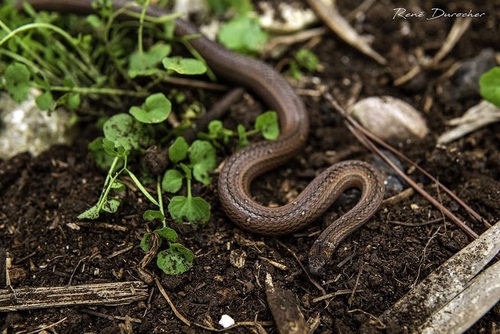
- The Hispaniola Worm Snake is the most frequently reported snake in Haiti, based on verified wildlife observations.
Every snake recorded in Haiti
20+ species across 5 families, grouped by family. Venomous flagged.
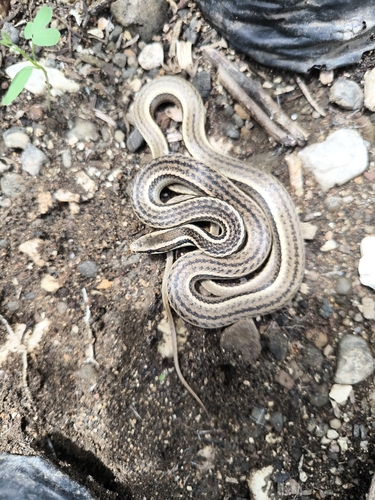
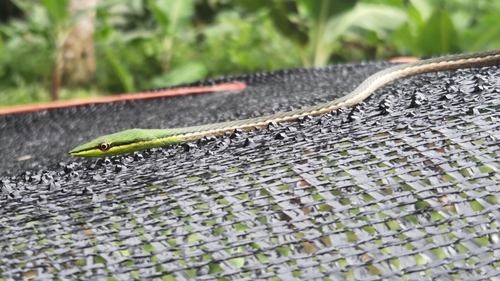
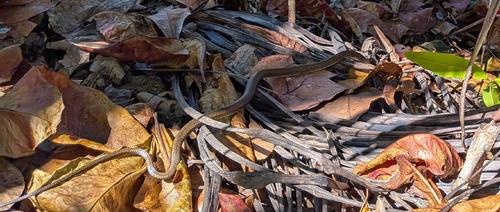
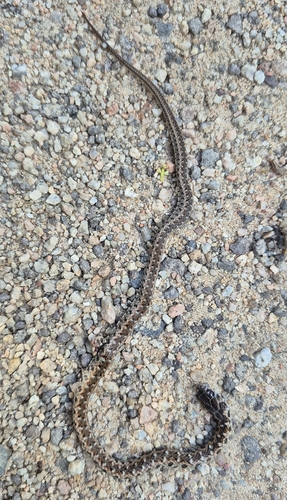
Colubridae (14)
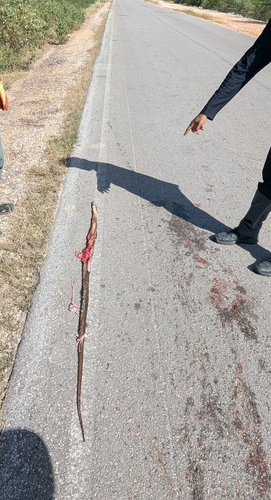
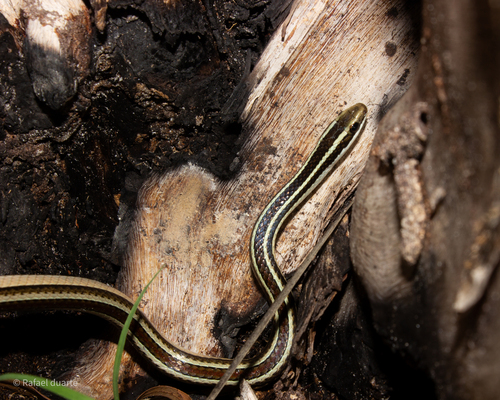
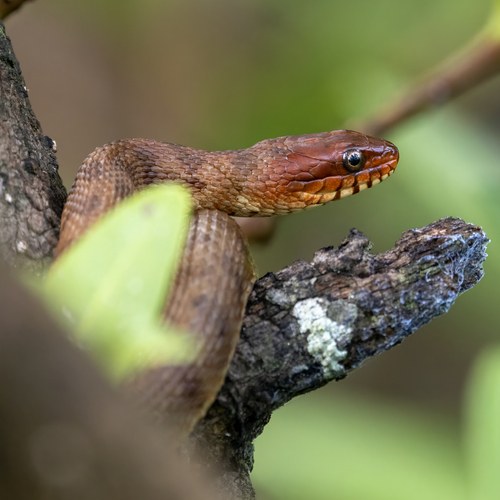
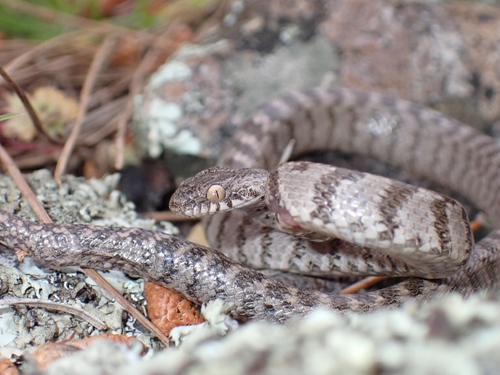

Typhlopidae (6)
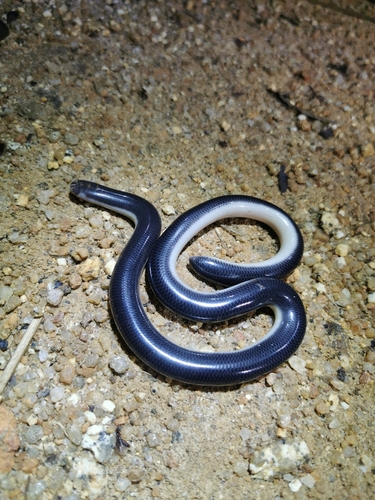
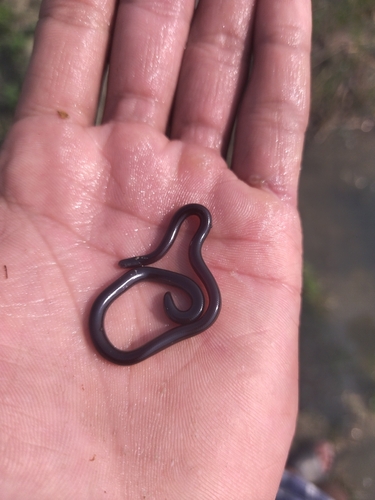
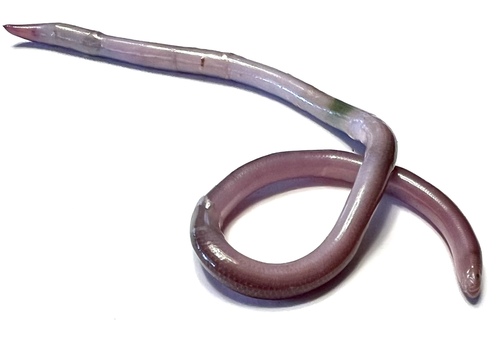
Tropidophiidae (5)
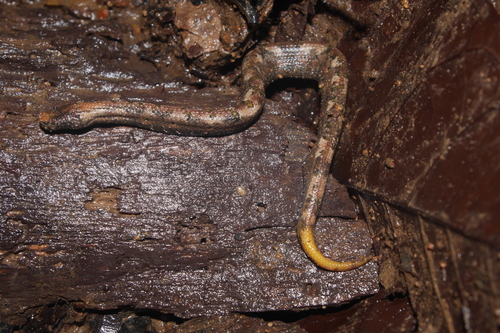
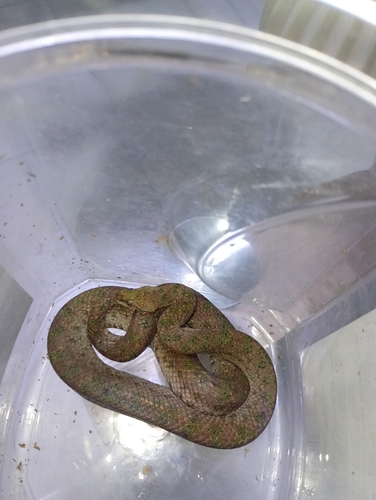
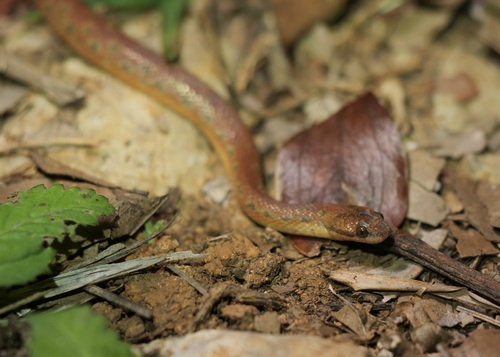
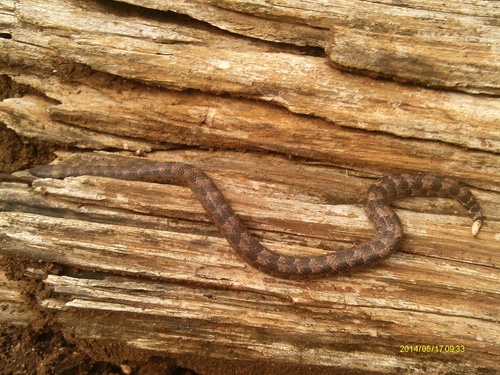

Boidae (3)
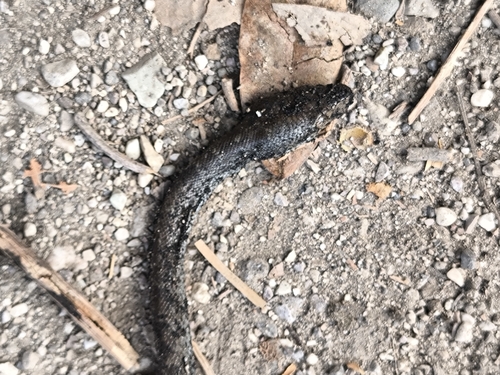
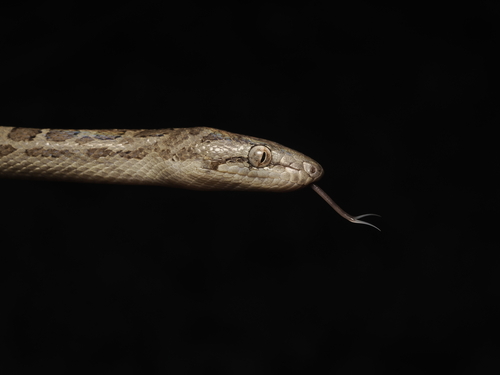
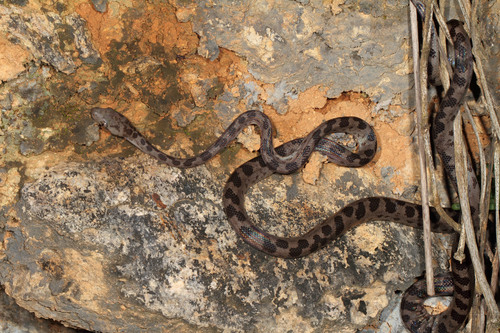
Pythonidae (1)
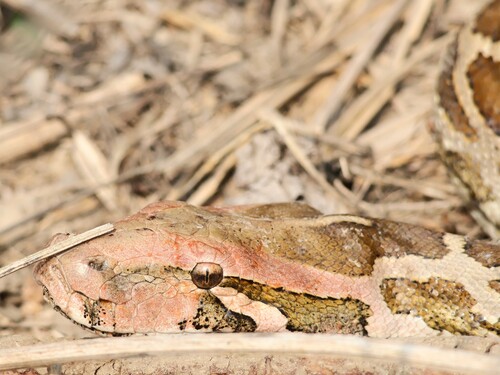
Compiled from verified GBIF & iNaturalist observations. "How often seen" reflects how frequently a snake is reported here, not how dangerous it is. Informational only.
Keep learning
- What Is a Snake? Anatomy and the BasicsA clear overview of what makes a snake a snake: limbless body plan, anatomy, evolution from lizards, species diversity, and why they are ectothermic.
- What to Do If You Find a SnakeFound a snake at home or on a trail? Here is how to stay calm, give it space, identify it safely, and know when to call a professional.
- How to Keep Snakes Out of Your Yard and HomeA practical guide to keeping snakes out of your yard and home using habitat changes that work, plus what to skip and what to do if one shows up.
- Are Snakes Dangerous? The Real Risk, in PerspectiveMost snakes are harmless and avoid people. Here is the honest picture of snakebite risk worldwide and how to lower your own.