
Bahrain
Snakes in Bahrain
11 snake species have been recorded in Bahrain, 7 venomous.
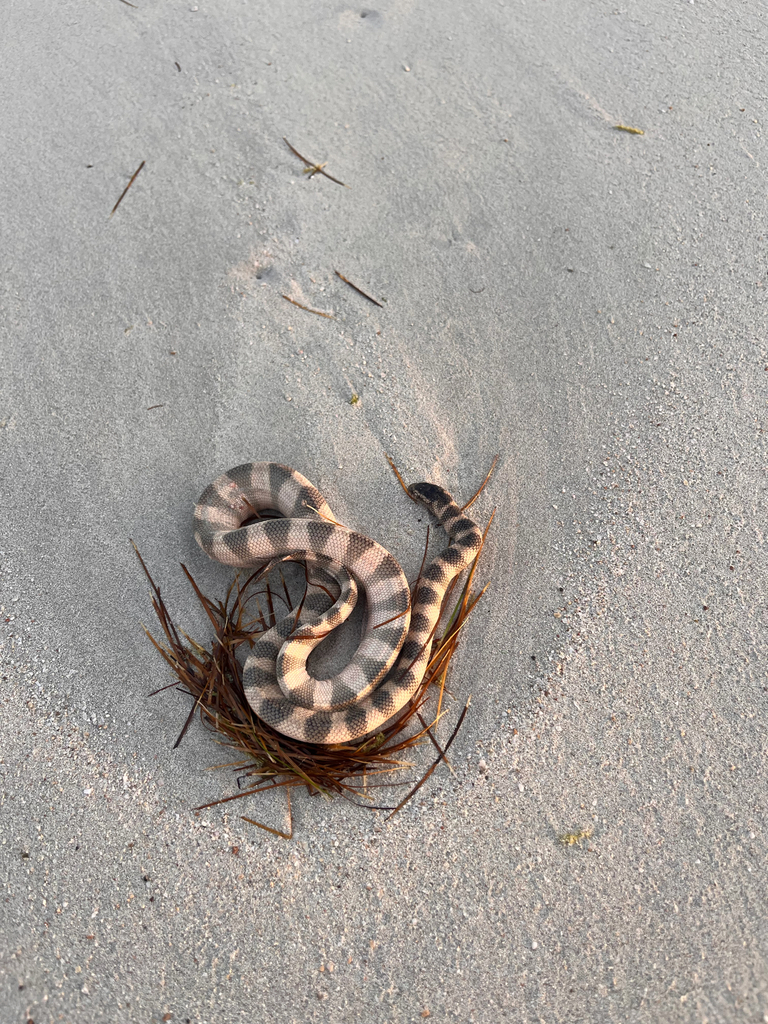
Snakes of Bahrain
Bahrain is a small, low-lying archipelago in the Persian Gulf, and its snake fauna reflects that compact desert geography. Our database records 11 snake species for the country, 7 of them venomous. The main island is arid, with sandy and gravel plains, sparse scrub, rocky outcrops, and cultivated date gardens and irrigated greenery near settlements. The surrounding warm shallow waters of the Gulf add a marine dimension, because some of the venomous species here are sea snakes rather than land animals. Snakes tend to concentrate where there is cover and prey, so the green margins of farms and the rocky and sandy edges of the desert hold most of the terrestrial species.
The venomous snakes present in Bahrain fall into a few clear groups. On land the most significant are vipers of the saw-scaled type, small, irritable desert vipers that are well known across Arabia and the Gulf, along with related arid-zone vipers. There are also small front-fanged colubrid-style burrowing and sand snakes whose venom is mild and of little danger to people. The other important venomous group is marine: true sea snakes live in the warm Gulf waters around the islands. These are highly venomous in principle but are reluctant to bite and are encountered mainly by fishermen handling nets rather than by people on land. Because several taxa in the region are easily confused, it is more accurate to describe these as groups, saw-scaled vipers, minor rear-fanged sand snakes, and Gulf sea snakes, than to attach uncertain individual names.
The harmless majority makes up most of what anyone is likely to see. Bahrain hosts non-venomous and effectively harmless snakes such as sand and racer-type colubrids that move quickly across open ground, along with small burrowing and worm-like snakes that spend much of their lives under sand and stones feeding on insects and their larvae. These animals are slender, fast, and shy, and they pose no threat to people. The iconic local image of a snake here is the fast desert racer disappearing into scrub or the tiny blind snake turned up under a rock, far more than any dangerous viper.
Snakes are a working part of Bahrain's desert and garden ecosystems. They control rodents, lizards, and large insects, which matters in cultivated areas where rodents would otherwise damage crops and stored food. The burrowing species recycle nutrients in the soil and feed on invertebrates, while the larger snakes are themselves prey for birds of prey and other predators. In a small, heavily developed country, these predators help keep the food web balanced in the remaining natural and semi-natural habitats.
On safety, the honest picture is that most snakes you might meet in Bahrain are harmless, and snakebite is uncommon. The main medical concern on land is the saw-scaled viper group, whose bites can be serious, and at sea the venomous sea snakes that fishermen occasionally encounter. The correct response to any bite from a snake you cannot positively identify as harmless is immediate professional medical care, where antivenom and hospital treatment are the established therapy. Never attempt to handle, catch, or kill a wild snake, including ones you believe are venomous, since most bites happen during those attempts. If a bite occurs, contact local emergency services, or in the United States call Poison Control at 1-800-222-1222, and get to a hospital without delay.
Snakes in Bahrain: FAQ
- Are there venomous snakes in Bahrain?
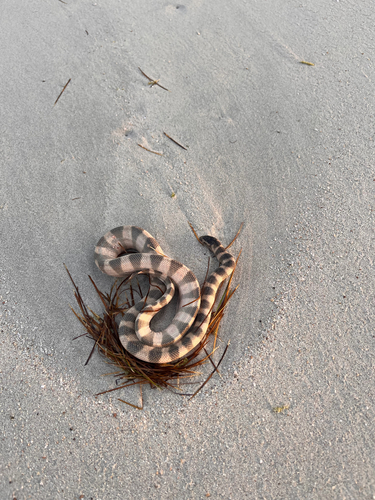
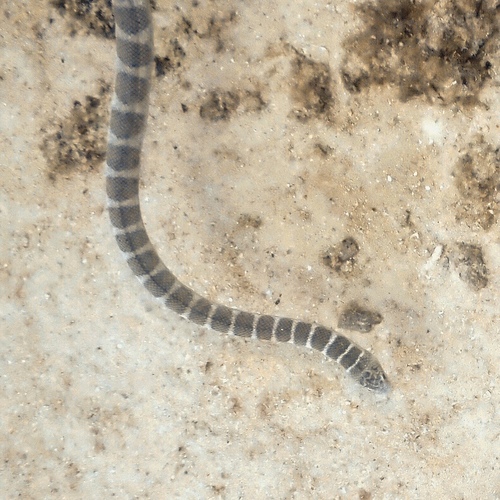
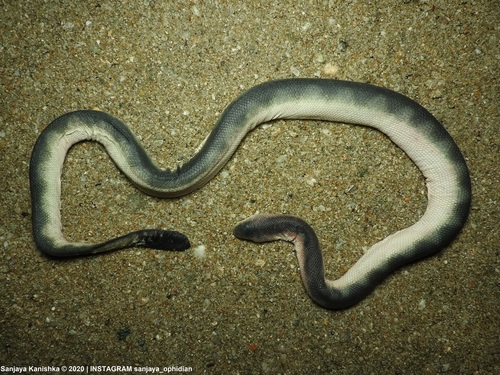
- Yes. 7 venomous snake species have verified records in Bahrain, including Persian Gulf Sea Snake, Ornate Sea Snake, Viperine Sea Snake, Yellow-bellied Sea Snake. Most snakes in Bahrain, however, are harmless.
- How many snake species live in Bahrain?
- 11 snake species have verified records in Bahrain, of which 7 are venomous.
- What is the most commonly seen snake in Bahrain?
- The Persian Gulf Sea Snake is the most frequently reported snake in Bahrain, based on verified wildlife observations.
- What should I do if I see a venomous snake in Bahrain?
- Keep your distance and do not try to catch or kill it. Most bites happen when people handle or corner a snake. If someone is bitten, contact local emergency services or poison control immediately.
Venomous snakes in Bahrain
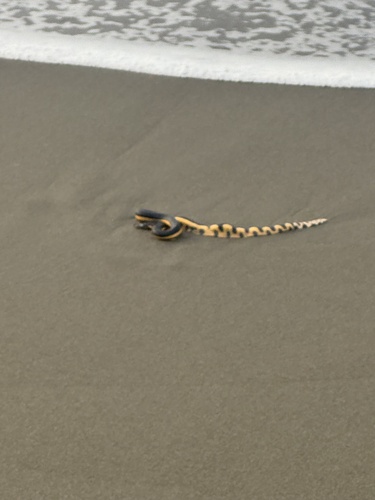
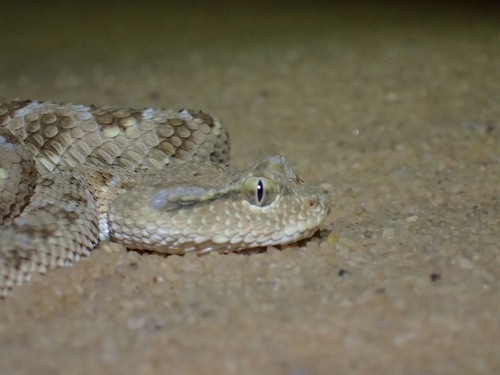
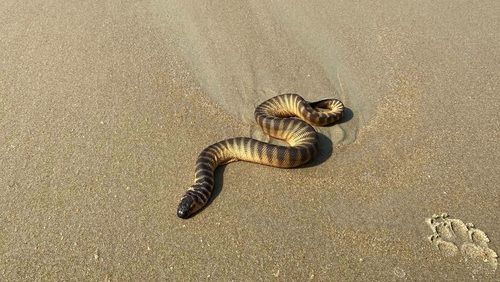
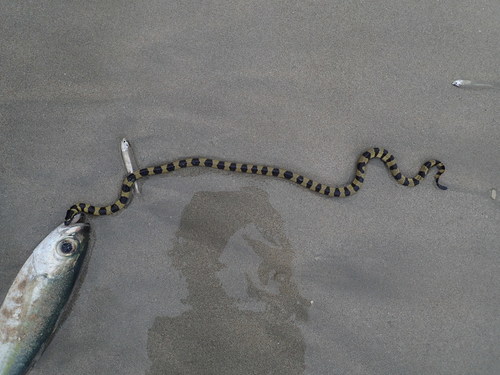
Every snake recorded in Bahrain
11 species across 6 families, grouped by family. Venomous flagged.
Elapidae (6)
Colubridae (1)
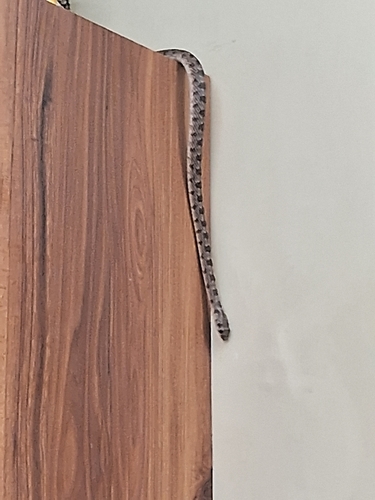
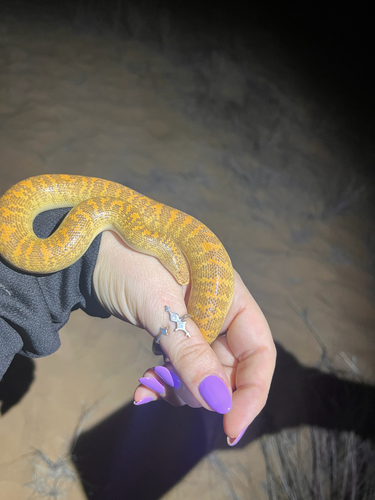
Boidae (1)
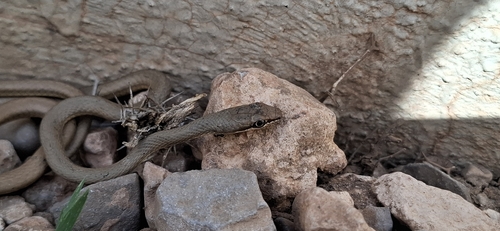
Psammophiidae (1)
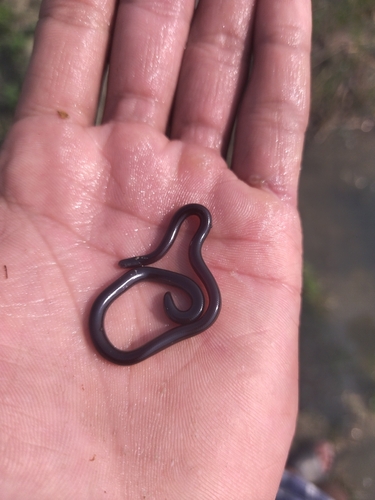
Typhlopidae (1)
Viperidae (1)
Compiled from verified GBIF & iNaturalist observations. "How often seen" reflects how frequently a snake is reported here, not how dangerous it is. Informational only.
Keep learning
- Are Snakes Dangerous? The Real Risk, in PerspectiveMost snakes are harmless and avoid people. Here is the honest picture of snakebite risk worldwide and how to lower your own.
- Snakebite First Aid: What to Do (and What Never to Do)A clear, CDC-based guide to snakebite first aid: the steps that help, the popular myths that hurt, and how to tell a serious bite from a minor one.
- Venomous vs Nonvenomous: How to Tell the DifferenceThe folk rules for telling venomous snakes apart, where each one fails, and why location-based identification beats guessing by sight.
- What to Do If You Find a SnakeFound a snake at home or on a trail? Here is how to stay calm, give it space, identify it safely, and know when to call a professional.