
Regional guide
The Most Dangerous Snakes in Australia: 5 Medically Important Species
Australia is home to many of the world's most venomous snakes. Here are the most dangerous snakes in Australia and the species that matter most for safety.
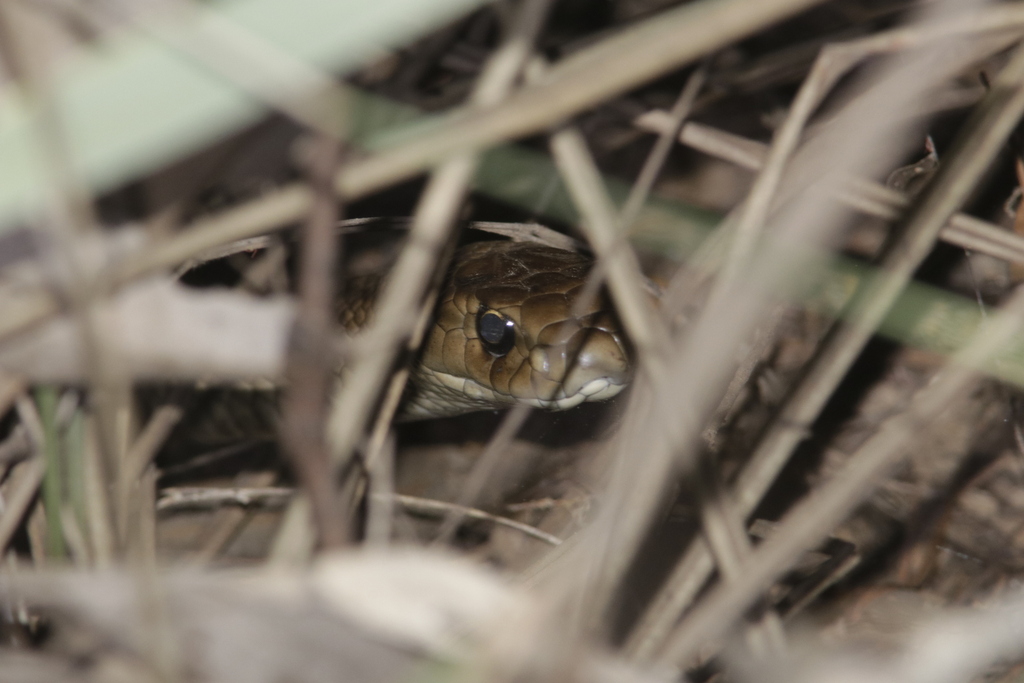
Australia has a reputation for venomous snakes, and it is partly earned: the continent is home to more highly venomous species than anywhere else on Earth. The good news is that serious bites are uncommon and antivenom is available for the medically important species. A small number of snakes account for nearly all of the dangerous bites in the country, and knowing them is the most useful place to start.
Below are five of the most dangerous snakes in Australia, judged not just by raw venom potency but by how often they actually cause serious harm to people. For a full breakdown of what lives in each region, see the Australia snake guide. At a glance, the species to know are:
- The eastern brown snake, the leading cause of snakebite deaths in the country.
- The coastal taipan and inland taipan, with the most potent venoms of any land snakes.
- The tiger snake, common in southern wetlands and gardens.
- The southern death adder, an ambush hunter that sits still rather than fleeing.
- The mulga snake, a large snake that delivers a very large dose of venom.
Eastern Brown Snake
The eastern brown snake is responsible for more snakebite deaths in Australia than any other species. It is fast, alert, and common across the populated eastern half of the country, including farmland and suburban edges, so people and brown snakes cross paths often. Its venom is highly potent and acts on blood clotting and the nervous system. Despite the name, color varies from pale tan to almost black, so color alone is a poor identification clue.
Inland and Coastal Taipans
The inland taipan has the most toxic venom of any land snake measured, drop for drop. Fortunately it lives in remote, dry country and is shy, so bites are extremely rare. The coastal taipan is the one to respect in populated areas: it is large, found along the north and east coasts, and delivers a large volume of fast-acting venom. Both are treated with taipan antivenom, and rapid hospital care makes a major difference to the outcome.
Tiger Snake
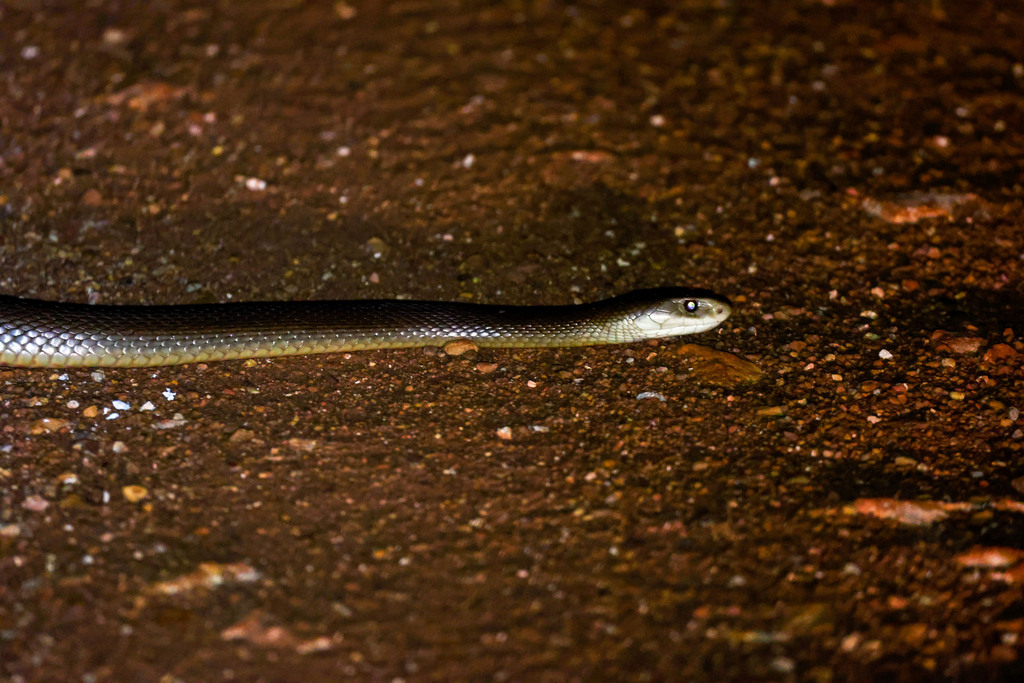
The tiger snake is a southern species found around wetlands, creeks, and coastal scrub across the cooler parts of the continent. It is often banded, like a tiger, but coloring is variable. Tiger snakes cause a meaningful share of serious bites because they live near water and gardens where people spend time. The venom affects the nervous system and muscles, and antivenom is available.
Death Adder
The southern death adder does not behave like the other snakes on this list. Instead of fleeing, it sits still, camouflaged in leaf litter, and ambushes prey, which means people are far more likely to step on one than to be chased. Its strike is one of the fastest of any snake. The venom is strongly neurotoxic. Because death adders rely on stillness, watching where you put your hands and feet in the bush is the best defense.
Mulga Snake
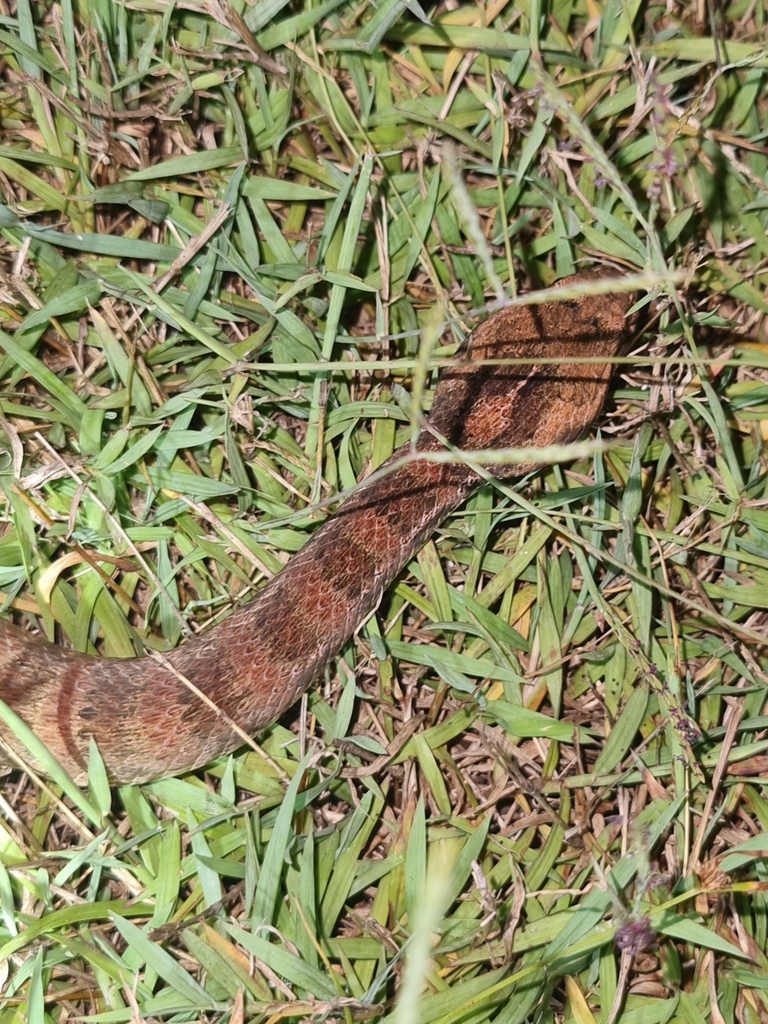
The mulga snake, also called the king brown, is one of the largest venomous snakes in Australia and ranges across much of the mainland's arid and tropical zones. It does not have the most potent venom on this list, but it injects a very large amount, which makes a bite serious. It is a member of the black snake group rather than a true brown snake, despite the common name.
When and Where You Are Most Likely to See Them
Australian snakes are most active in the warmer months, from spring through autumn, and many are out on warm mornings and evenings rather than the hottest part of a summer day. They turn up where their prey does, which means rodents draw them toward sheds, chicken runs, compost heaps, and the edges of homes and farms. Long grass, woodpiles, and water features are classic spots. Keeping grass short, sealing gaps, and removing rodent food and shelter make a property far less attractive to a snake.
What to Do About a Bite
The single most important fact about Australian snakes is that antivenom exists and works, but time matters. Most bites happen when people try to catch, kill, or move a snake, so the simplest prevention is to leave any snake alone and give it room to escape. Standard Australian first aid uses a pressure immobilization bandage and keeping the person still, but the priority everywhere is to call emergency services and get to a hospital fast. Do not wash the bite, cut it, try to suck out venom, or apply a tourniquet, and do not waste time trying to identify or capture the snake.
If you want to know which of these species actually occur where you live or travel, start with the Australia guide, browse the list of venomous snakes, or use the identification tool when you have a photo.