
Regional field guide
Snakes in Nevada
30+ snake species have verified records in Nevada, including 8 venomous. Pick your county below to see exactly which snakes live near you.
Snakes of Nevada
Nevada is home to about 30+ species of snakes, and only 8 of them are venomous. All 8 are rattlesnakes. There are no copperheads or cottonmouths in Nevada or anywhere in the far West, so identifying the dangerous snakes here is straightforward: if it is not a rattlesnake, it is harmless to people. That leaves 30 species you can meet without any real risk.
Nevada is the heart of the Great Basin, a vast cold desert of sagebrush flats ringed by dry mountain ranges, and farther south the land drops into the hotter Mojave Desert near Las Vegas. This range from high sagebrush steppe to low Mojave creosote flats explains the rattlesnake lineup. The Western Rattlesnake (in its Great Basin form) and the Prairie Rattlesnake cover the northern and eastern sagebrush country. The southern deserts add the heat-loving specialists: the Mojave Rattlesnake, the Sidewinder that loops sideways across loose sand, and the Southwestern Speckled, Speckled, and Panamint Rattlesnakes that match desert rock and gravel almost perfectly. The Western Diamond-backed reaches the state's far southern tip.
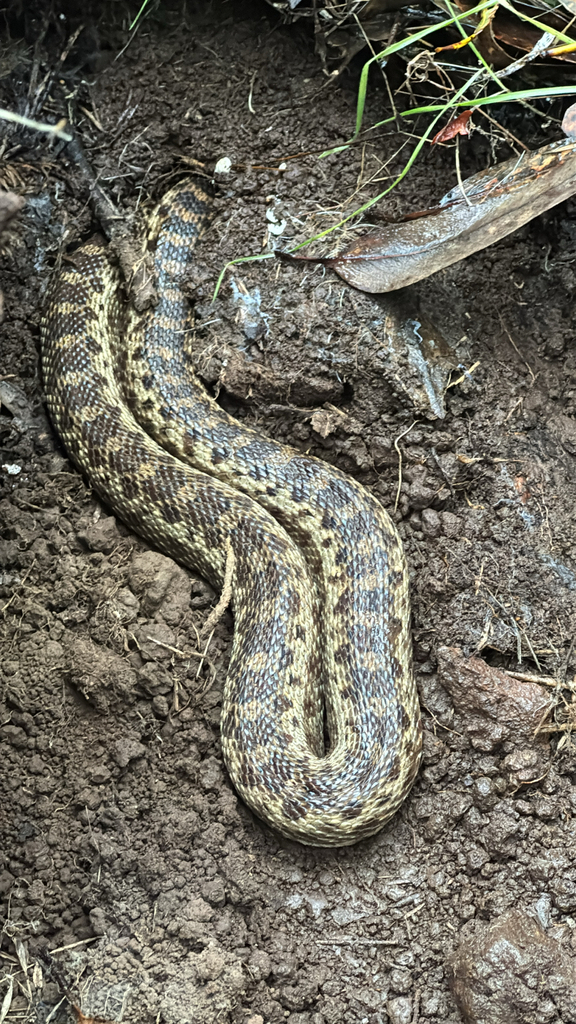
The harmless snakes are the ones you are most likely to actually see. Gophersnakes are common and famous bluffers, flattening their heads, hissing, and buzzing their tails to imitate a rattlesnake despite having no venom and no rattle. Kingsnakes hunt and eat rattlesnakes and are immune to their venom. Garter snakes stay near the scarce water of springs and creeks, racers move fast across open ground, and nightsnakes come out after dark. None of these can seriously harm a person.
Honest safety: almost every serious snakebite in Nevada is a rattlesnake bite, and most happen when people handle or corner a snake or reach into rock crevices and brush without looking. Deaths are very rare with antivenom and prompt care. Give rattlesnakes distance, watch your hands and feet around rock and woodpiles, and they will move off on their own. Never handle a wild snake, no matter how calm it seems. If a bite occurs, keep still and call Poison Control at 1-800-222-1222 or 911.
Venomous snakes in Nevada
- Western RattlesnakeCrotalus oreganus Venomous
- SidewinderCrotalus cerastes Venomous
- Panamint RattlesnakeCrotalus stephensi Venomous
- Prairie RattlesnakeCrotalus viridis Venomous
- Mojave RattlesnakeCrotalus scutulatus Venomous
- Southwestern Speckled RattlesnakeCrotalus pyrrhus Venomous
- Speckled RattlesnakeCrotalus mitchellii Venomous
- Western Diamond-backed RattlesnakeCrotalus atrox Venomous
Most commonly seen
- Gopher SnakeCommonly seen
- Western Terrestrial Garter SnakeCommonly seen
- Western RattlesnakeCommonly seen
- SidewinderCommonly seen
- Common CoachwhipCommonly seen
- Long-nosed SnakeCommonly seen
- Striped WhipsnakeCommonly seen
- Panamint RattlesnakeCommonly seen
- Prairie RattlesnakeCommonly seen
- Western Patch-nosed SnakeOften seen
- Pine SnakeOften seen
- Western Leaf-nosed SnakeOften seen
Counties in Nevada
17 listedSnakes in Nevada: FAQ
- Are there venomous snakes in Nevada?
- Yes. 8 venomous snake species have verified records in Nevada, including Western Rattlesnake, Sidewinder, Panamint Rattlesnake, Prairie Rattlesnake. Most snakes in Nevada, however, are harmless.
- How many snake species live in Nevada?
- 30+ snake species have verified records in Nevada, of which 8 are venomous.
- What is the most commonly seen snake in Nevada?
- The Gopher Snake is the most frequently reported snake in Nevada, based on verified wildlife observations.
- What should I do if I see a venomous snake in Nevada?
- Keep your distance and do not try to catch or kill it. Most bites happen when people handle or corner a snake. If someone is bitten, contact local emergency services or poison control immediately.