
Genus · Viperidae
Types of pitvipers
50+ species make up the genus Trimeresurus, the snakes commonly called pitvipers. All of them are venomous.
About Asian pit vipers
Trimeresurus is a large genus of slender, often vivid green pit vipers that live in the trees and shrubs of South and Southeast Asia, where their camouflage makes them easy to miss and genuinely tricky to tell apart.
Trimeresurus, commonly called the Asian lance-headed or green pit vipers, is a genus in the family Viperidae. The Snake Finder database lists 50+ species, and all 53 are venomous. What unites them is a body built for life off the ground: slender frames, broad triangular heads set apart from a narrow neck, and prehensile tails that grip branches and bamboo while the snake waits motionless. Like all pit vipers they carry heat-sensing pits between the eye and nostril, which let them detect warm-blooded prey in low light.
Their range stretches across Asia from India through mainland Southeast Asia and into the islands of Indonesia. They are at home in dense forest, bamboo thickets, plantations, and even suburban gardens, which is part of why people encounter them so often. Many species are a striking leaf green that blends perfectly into foliage; others are patterned or duller, and because so many look alike, confident species identification is genuinely hard even for experienced observers. Recognizable members include the Chinese Green Tree Viper, the White-lipped Pit Viper, Kramer's Pit Viper, the Mangrove Viper, and the Sabah Bamboo Pitviper.
These snakes are ambush predators. Rather than chase prey, they coil quietly in vegetation and strike at frogs, lizards, birds, and small rodents that pass within reach. Reproduction varies across the genus: some species give live birth while others lay eggs. Their patience and stillness, combined with their tendency to perch at head and hand height in plants, shape both their hunting success and the way they intersect with people.
The venom of Trimeresurus species is mainly hemotoxic, producing intense local pain, swelling, and effects on blood clotting. Bites are common in rural parts of Asia precisely because the snakes sit unseen in foliage right where people reach while harvesting, farming, or gardening. The encouraging part is that with proper medical care, including antivenom when indicated, deaths are relatively uncommon compared with the frequency of bites. That outcome depends entirely on prompt treatment, not on the bite being minor.
On safety, the honest message is simple. A Trimeresurus is a wild venomous snake and should never be handled, no matter how calm or beautiful it appears. Because their camouflage is so effective, the real risk is brushing against one by accident in dense plants, so move carefully and look before reaching into vegetation in their range. Any suspected bite needs medical evaluation right away. Seek emergency care rather than attempting to manage a bite yourself.
Trimeresurus belongs to the Viperidae family (Vipers & pit vipers). Heavy-bodied venomous snakes with long, hinged, hollow fangs. Broad, triangular head distinct from a narrow neck, heavy body, and (usually) vertical, cat-like pupils. Pit vipers also have a heat-sensing pit; true vipers do not.
Danger: Every viper is venomous, and the family includes some of the world's most medically important snakes. Venom is typically hemotoxic, causing pain, swelling, tissue damage, and bleeding. Treat any viper bite as a medical emergency.
All species (53)
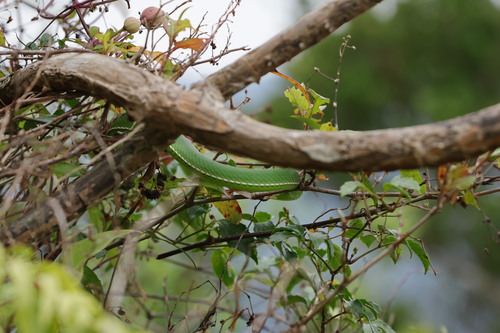 Chinese Green Tree ViperTrimeresurus stejnegeriVenomous
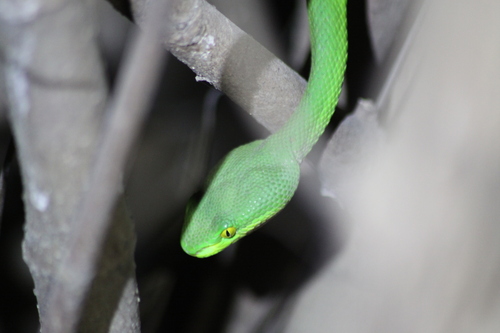 White-lipped Pit ViperTrimeresurus albolabrisVenomous
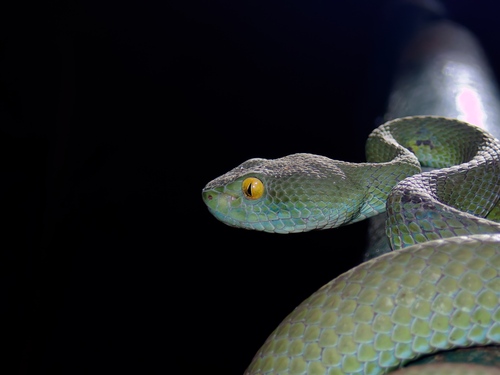 Kramer's Pit ViperTrimeresurus macropsVenomous
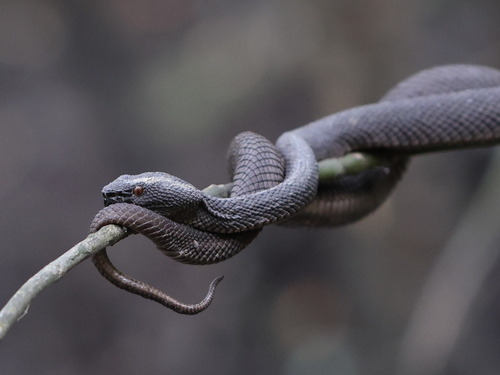 Mangrove ViperTrimeresurus purpureomaculatusVenomous
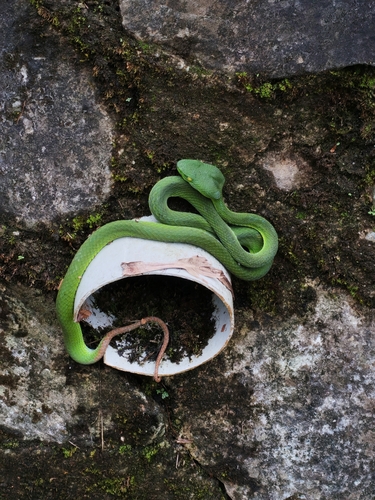 Sabah Bamboo PitviperTrimeresurus sabahiVenomous
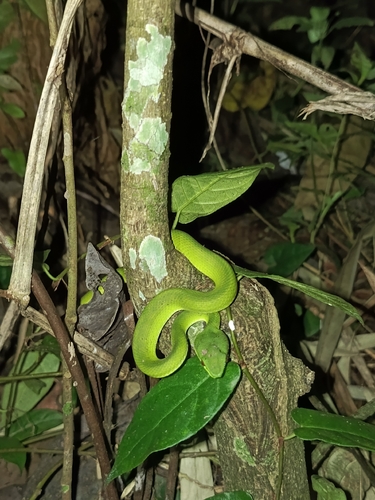 White-lipped Island PitviperTrimeresurus insularisVenomous
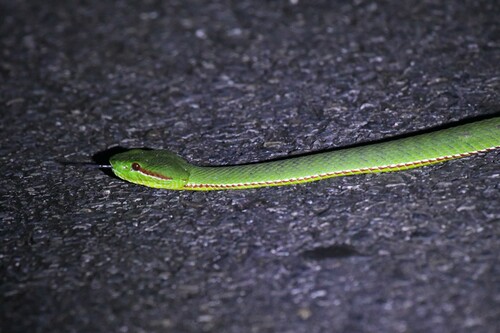 Lanna Green PitviperTrimeresurus lannaVenomous
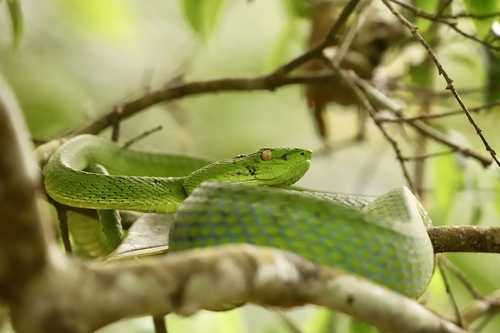 Vogel’s Pit ViperTrimeresurus vogeliVenomous
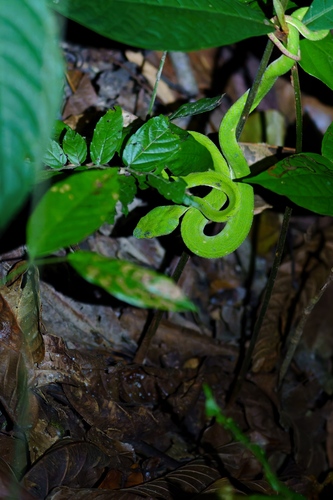 Hagen’s PitviperTrimeresurus hageniVenomous
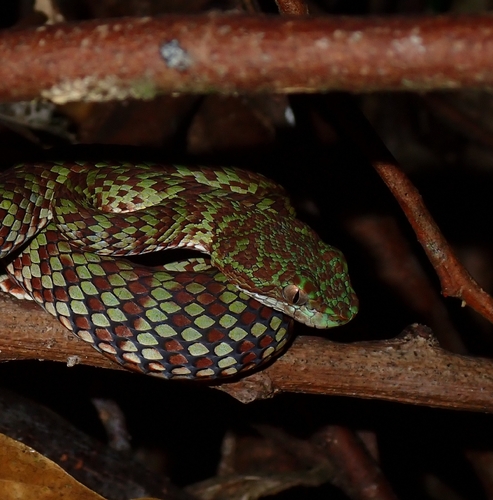 Beautiful PitviperTrimeresurus venustusVenomous
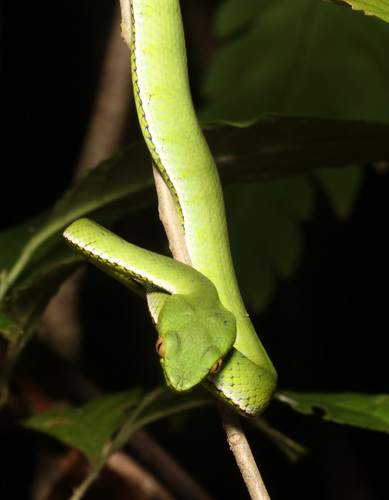 Sumatra Pit ViperTrimeresurus sumatranusVenomous
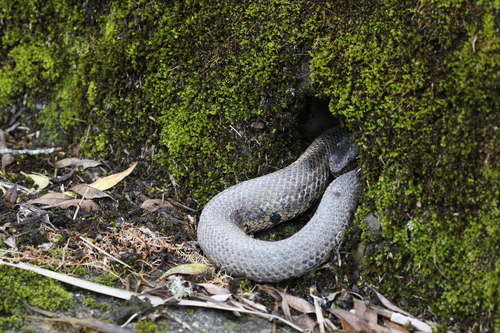 Kikuchi HabuTrimeresurus gracilisVenomous
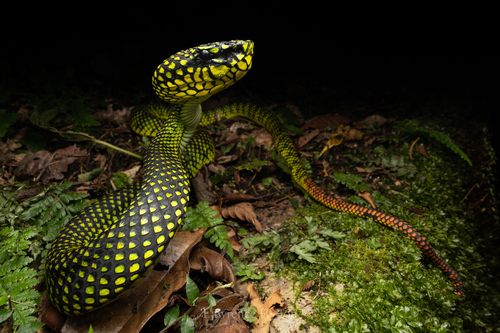 Malcolm’s PitviperTrimeresurus malcolmiVenomous
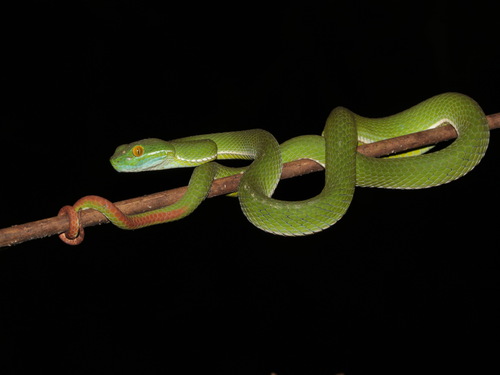 Cardamom Mountains Green PitviperTrimeresurus cardamomensisVenomous
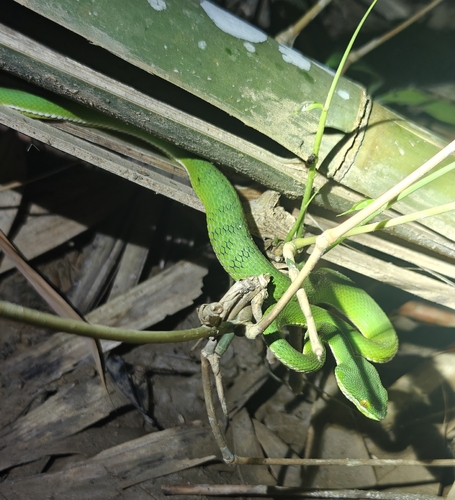 Spot-tailed PitviperTrimeresurus erythrurusVenomous
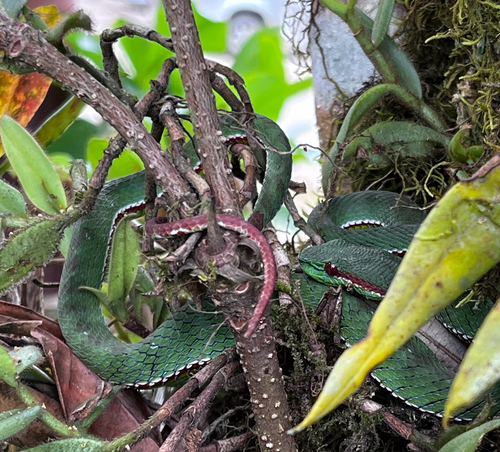 Tenasserim Green PitviperTrimeresurus tenasserimensisVenomous
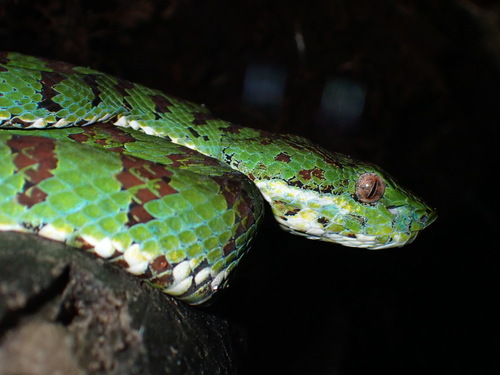 Philippine Pit ViperTrimeresurus flavomaculatusVenomous
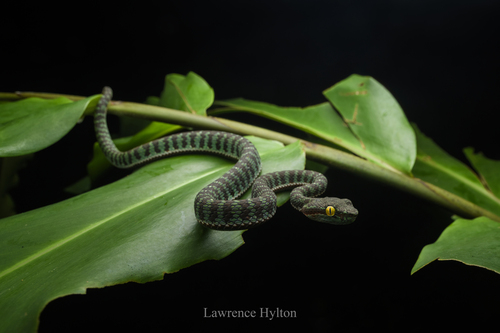 Phuket Pit ViperTrimeresurus phuketensisVenomous
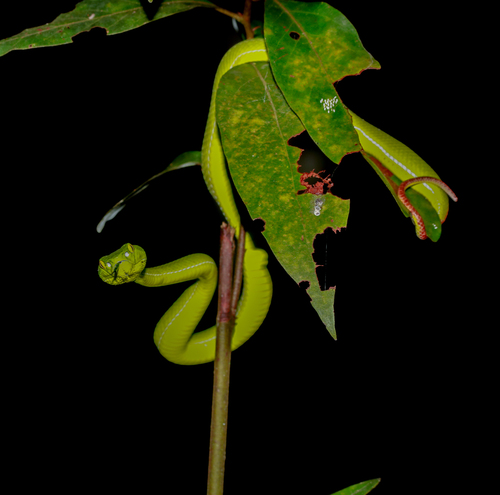 Gumprecht's Green PitviperTrimeresurus gumprechtiVenomous
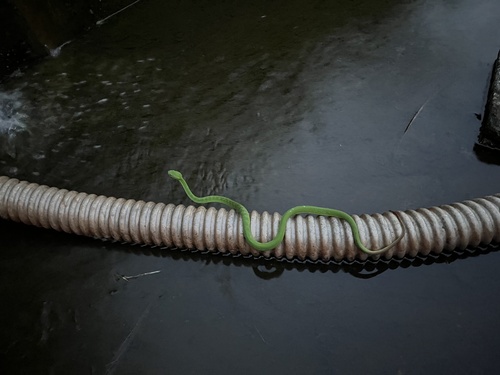 Guo's Green Pit ViperTrimeresurus guoiVenomous
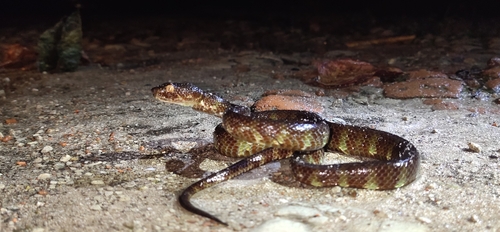 Andaman PitviperTrimeresurus andersoniiVenomous
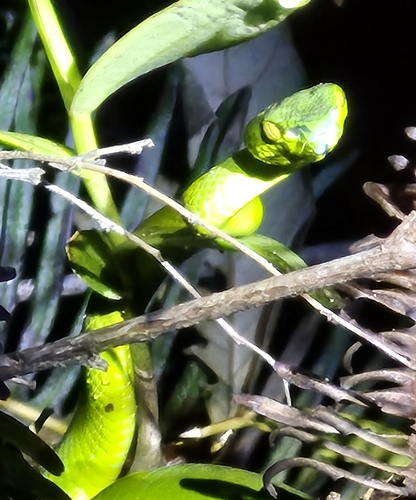 Cameron Highlands PitviperTrimeresurus nebularisVenomous
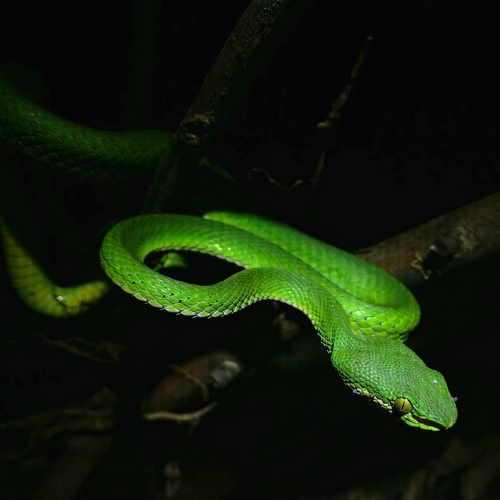 Nepal PitviperTrimeresurus septentrionalisVenomous
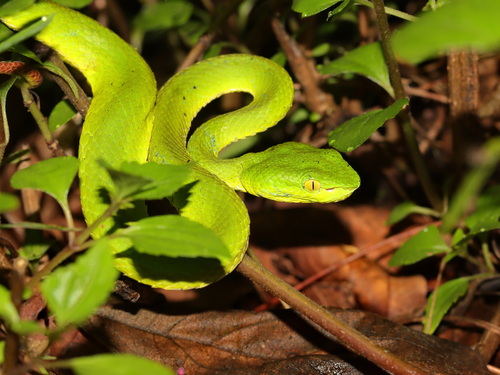 Yunnan Bamboo PitviperTrimeresurus yunnanensisVenomous
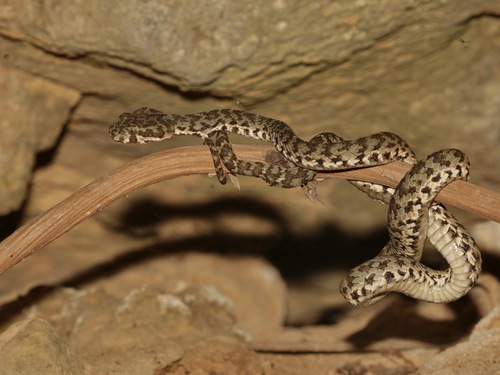 Kanburi Pit ViperTrimeresurus kanburiensisVenomous
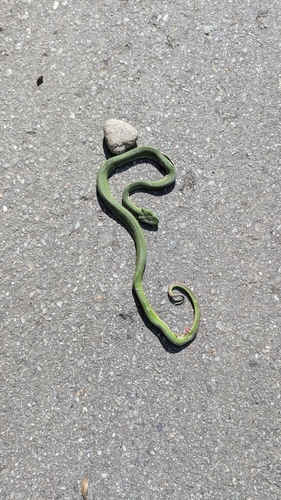 Salazar's Pit ViperTrimeresurus salazarVenomous
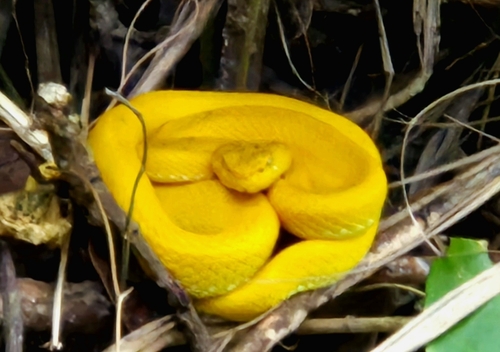 Philippine Pit ViperTrimeresurus mcgregoriVenomous
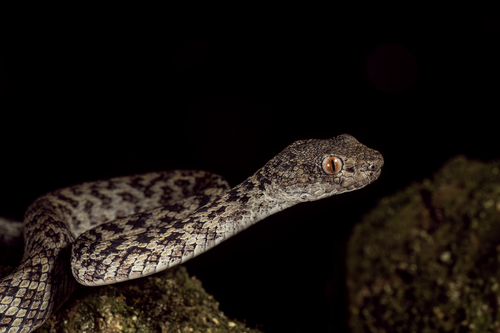 Hon Son Pit ViperTrimeresurus honsonensisVenomous
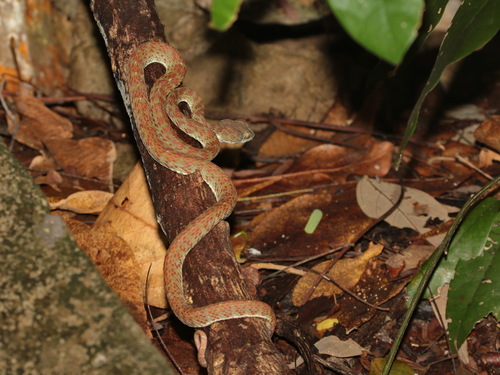 Kui Buri PitviperTrimeresurus kuiburiVenomous
 Schultze's Pit ViperTrimeresurus schultzeiVenomous
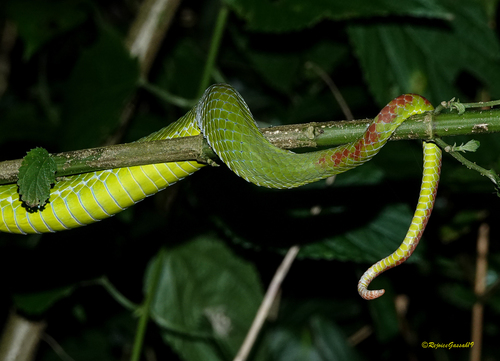 Pope’s Tree ViperTrimeresurus popeiorumVenomous
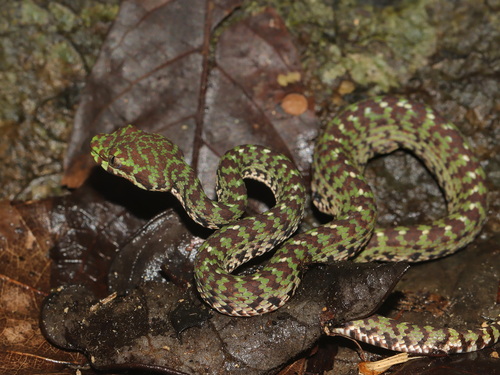 Limestone Eyelash PitviperTrimeresurus ciliarisVenomous
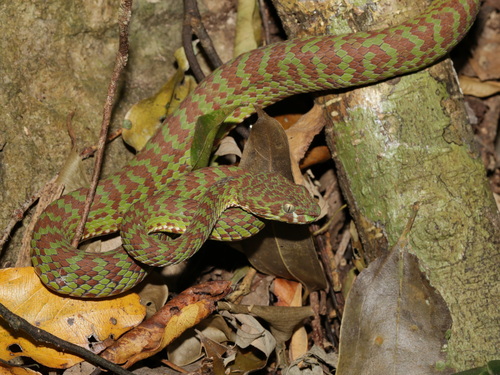 Kra Isthmus PitviperTrimeresurus kraensisVenomous
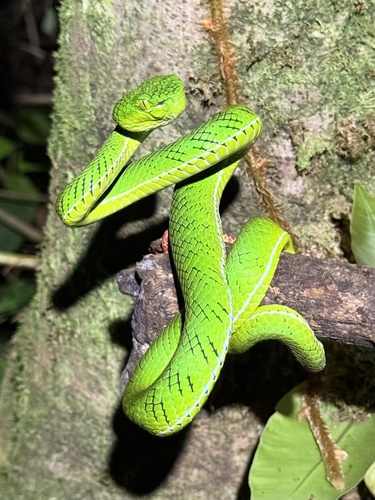 Trimeresurus gunaleniVenomous
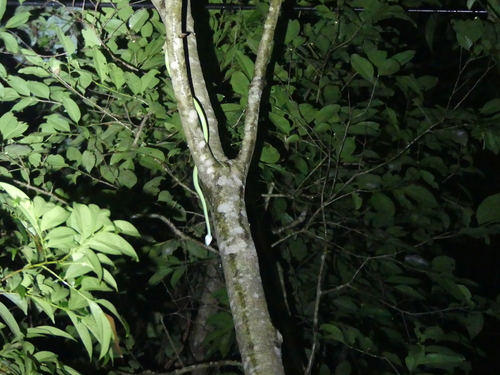 Blue-lipped green pitviperTrimeresurus cyanolabrisVenomous
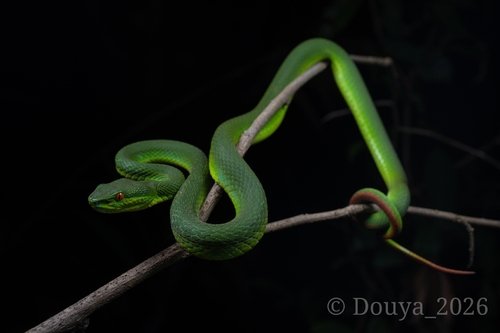 Nabang PitviperTrimeresurus caudornatusVenomous
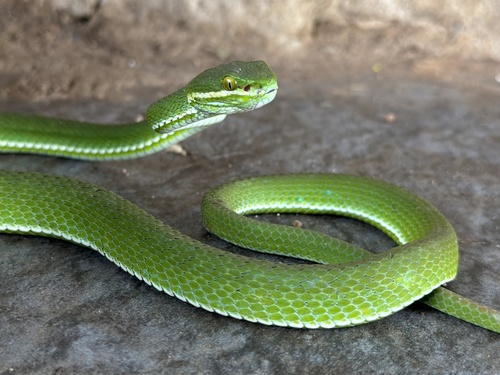 Burmese White-lipped Tree PitviperTrimeresurus uetziVenomous
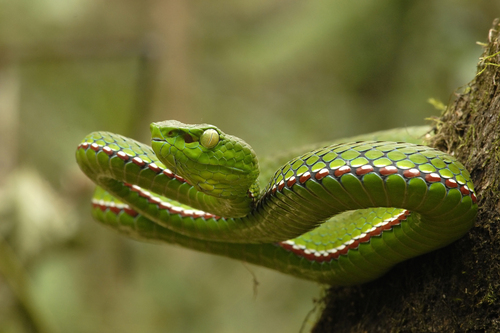 Green Bamboo Leaf Pit ViperTrimeresurus medoensisVenomous
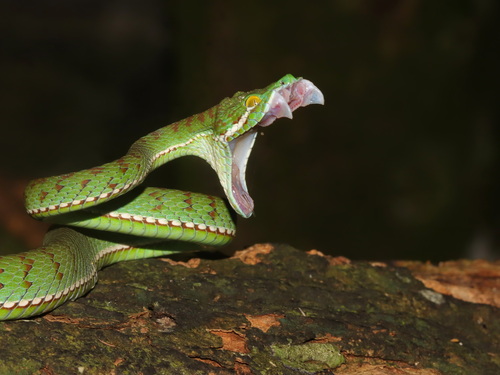 Red-barred Green PitviperTrimeresurus erythrochlorisVenomous
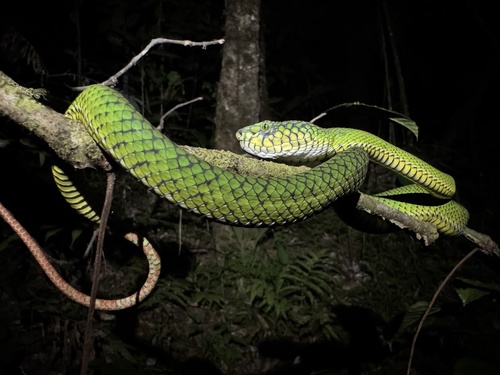 Trimeresurus calamitasVenomous
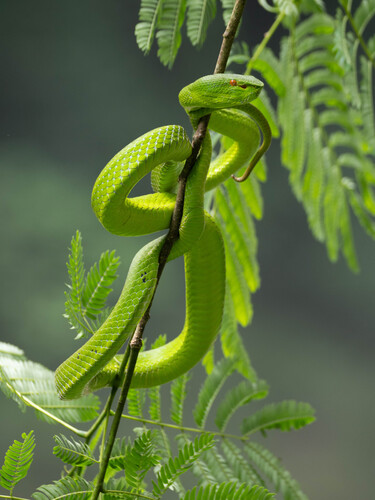 Trimeresurus sichuanensisVenomous
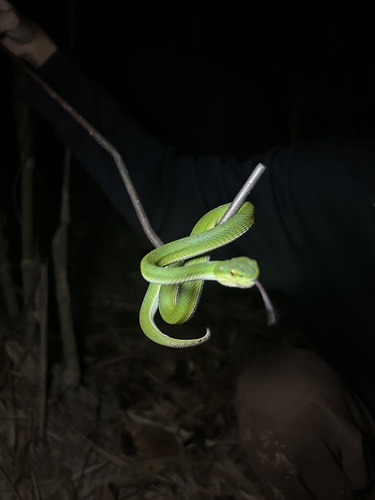 Ayeyarwady PitviperTrimeresurus ayeyarwadyensisVenomous
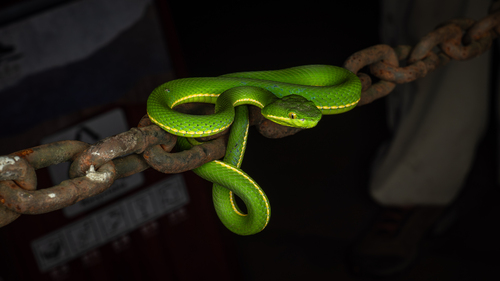 Huaxi Green PitviperTrimeresurus liiVenomous
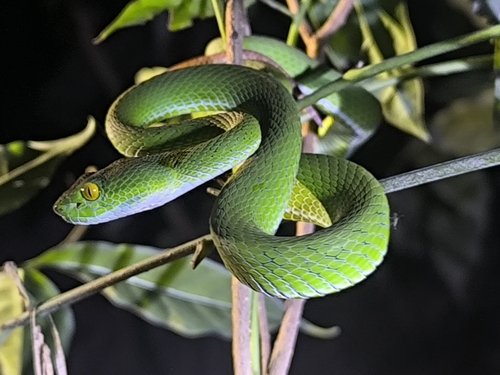 Phitsanulok PitviperTrimeresurus cryptographicusVenomous
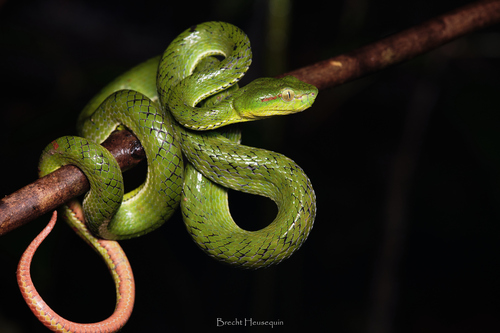 Trimeresurus kirscheyiVenomous
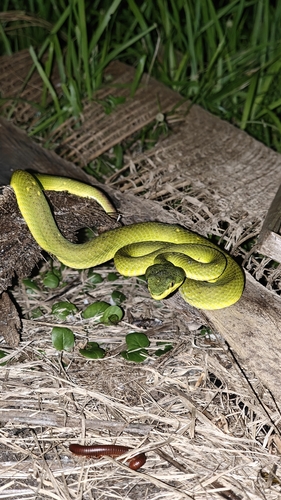 Car Nicobar Green PitviperTrimeresurus davidiVenomous
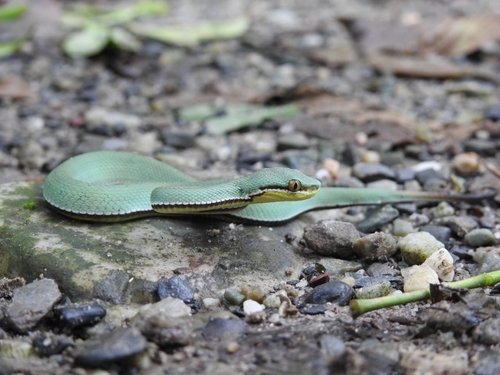 Maya's pit viperTrimeresurus mayaaeVenomous
 Quang Binh PitviperTrimeresurus truongsonensisVenomous
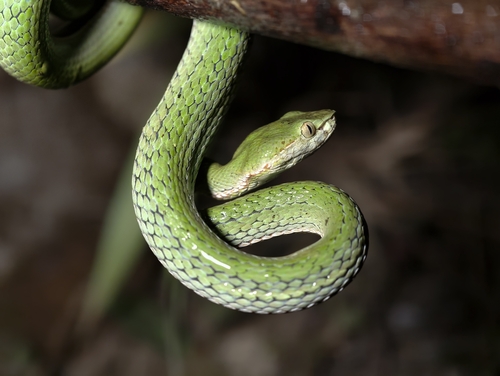 Trimeresurus nujiangVenomous
 Cantor's Pit ViperTrimeresurus cantoriVenomous
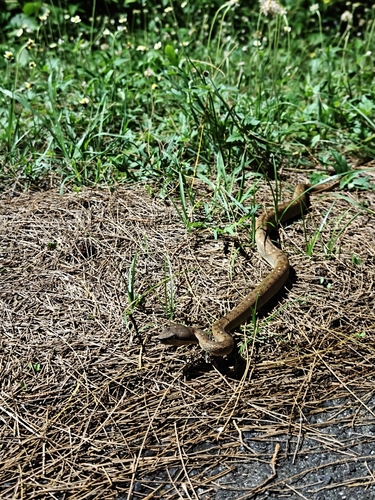 Island Pit ViperTrimeresurus labialisVenomous
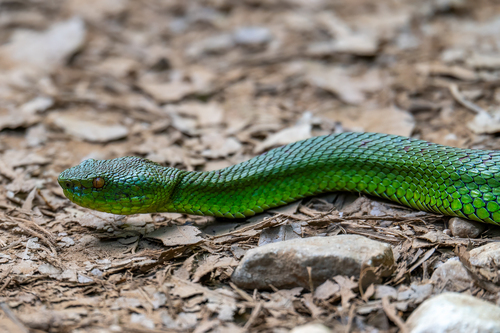 Tibetan Pit ViperTrimeresurus tibetanusVenomous
- No photoTrimeresurus whitteniVenomous
Keep learning
- Venomous vs Nonvenomous: How to Tell the DifferenceThe folk rules for telling venomous snakes apart, where each one fails, and why location-based identification beats guessing by sight.
- Are Snakes Dangerous? The Real Risk, in PerspectiveMost snakes are harmless and avoid people. Here is the honest picture of snakebite risk worldwide and how to lower your own.
- Snake Venom Explained: How It Works and WhyWhat snake venom actually is, why it evolved, the main venom types, fang delivery, how antivenom works, and why ranking the most venomous snake is hard.
- How Snakes Move, Hunt, and EatHow snakes move without legs, hunt as ambushers or active foragers, kill by constriction or venom, and swallow prey wider than their head.