
Genus · Elapidae
Types of hooded snakes
10 species make up the genus Suta, the snakes commonly called hooded snakes. All of them are venomous.
About Australian hooded and curl snakes
Small, secretive Australian elapids that hunt by night and shelter under cover by day.
Suta is a genus of small, ground-dwelling snakes found only in Australia. It belongs to the family Elapidae, the same family that includes cobras, mambas, taipans, and sea snakes. Like all elapids, members of Suta have fixed front fangs, meaning short, hollow fangs set at the front of the upper jaw that deliver venom. This puts them in the proteroglyphous group, distinct from the rear-fanged colubrids and the hinged-fang vipers.
The genus sits among Australia's large radiation of small terrestrial elapids, a group that fills many of the ecological roles taken by harmless snakes on other continents. Several members carry the name hooded snake, but this refers to a dark cap or band of pigment across the head and neck rather than a spreading hood like a cobra. The common name curl snake comes from the defensive habit of throwing the body into tight coils and flattening out when disturbed.
Suta species occur widely across mainland Australia, from arid interior regions to woodlands, scrub, grasslands, and rocky country. They are nocturnal and spend the day sheltering under rocks, logs, leaf litter, soil cracks, and other ground cover, emerging after dark to forage. In general terms they are recognized as small snakes, often well under a meter, with smooth scales, a rounded snout, and many marked by a dark head or nape pattern that gives the hooded snakes their name.
These are venomous snakes, as is true of the family Elapidae, and they should be treated with caution and never handled in the wild. Most Suta species are small and not considered a serious threat to human life, and bites are uncommon because the snakes are secretive and nocturnal. Even so, a bite can cause local pain, swelling, and other effects, and the risk should not be dismissed. If anyone is bitten, treat it as a medical emergency, keep the person calm and still, and seek immediate medical care. In the United States contact Poison Control at 1-800-222-1222, and elsewhere call local emergency services.
Ecologically, Suta snakes feed largely on small vertebrates such as lizards, especially skinks, along with small frogs and occasionally other prey, which they subdue with venom. Most species in the genus give live birth rather than laying eggs, a common trait among Australian elapids that helps them reproduce in harsh and variable climates. Their nocturnal, fossorial, and shelter-seeking habits make them rarely seen, so much of what is known comes from animals found under cover or active on warm nights.
Suta belongs to the Elapidae family (Cobras, mambas, coral & sea snakes). Front-fanged venomous snakes, many with potent neurotoxic venom. Usually slender with a head barely wider than the neck and fixed front fangs (not the folding fangs of vipers). Coral snakes are boldly ringed; sea snakes have a flattened, paddle-like tail.
Danger: All elapids are venomous and the family is responsible for a large share of fatal snakebites worldwide. Many are shy, but bites can be life-threatening. Treat any bite as a medical emergency.
All species (10)
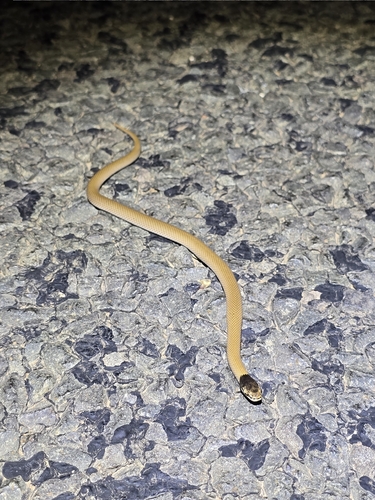 Curl SnakeSuta sutaVenomous
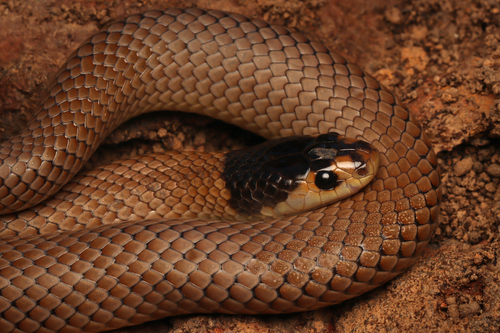 Whip Hooded SnakeSuta flagellumVenomous
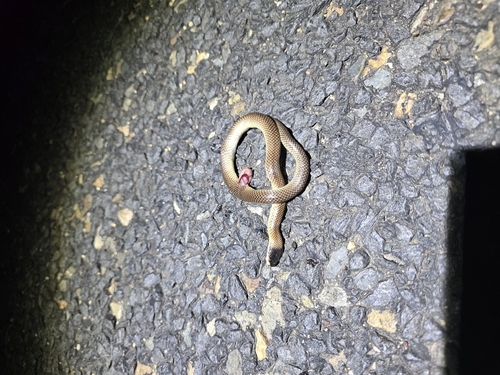 Black-naped Hooded SnakeSuta dwyeriVenomous
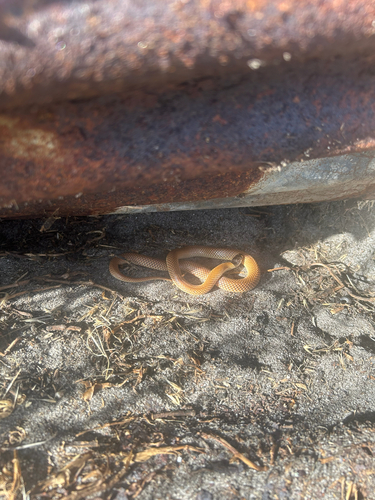 Gould's Hooded SnakeSuta gouldiiVenomous
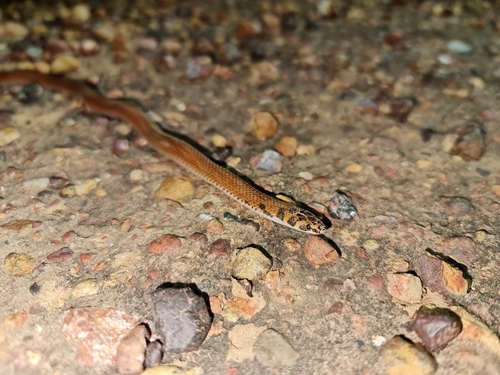 Little Spotted SnakeSuta punctataVenomous
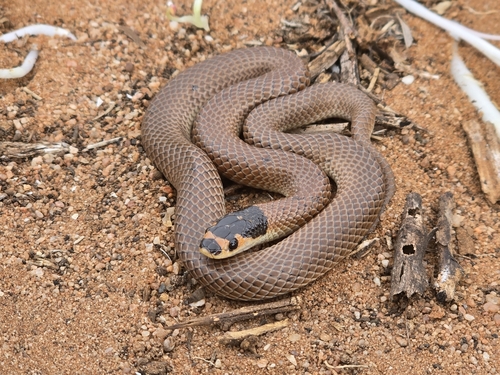 Spectacled Hooded SnakeSuta spectabilisVenomous
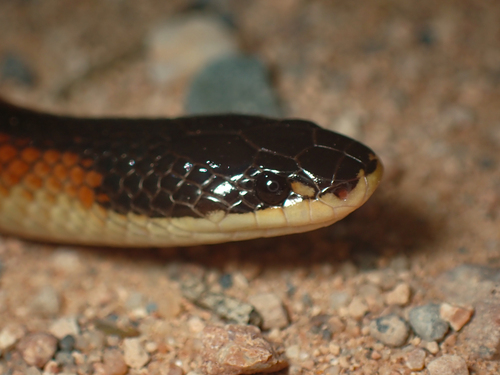 Black-backed Hooded SnakeSuta nigricepsVenomous
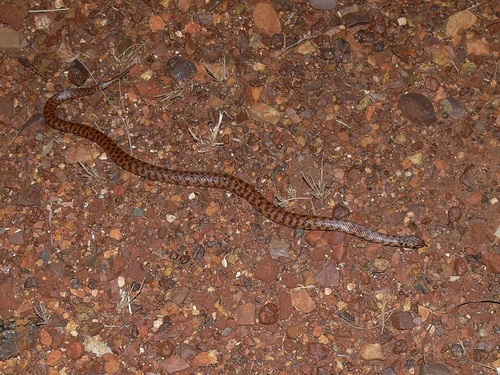 Rosen's SnakeSuta fasciataVenomous
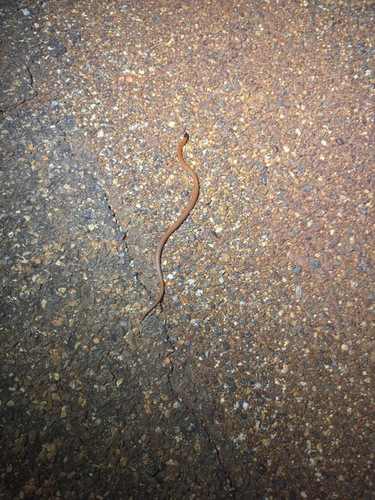 Inland Hooded SnakeSuta monachusVenomous
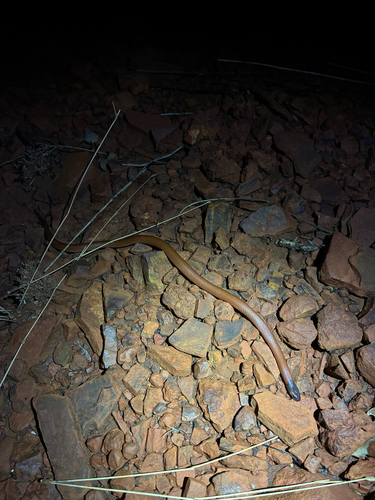 Pilbara Hooded SnakeSuta gaikhorstorumVenomous
Keep learning
- Venomous vs Nonvenomous: How to Tell the DifferenceThe folk rules for telling venomous snakes apart, where each one fails, and why location-based identification beats guessing by sight.
- Are Snakes Dangerous? The Real Risk, in PerspectiveMost snakes are harmless and avoid people. Here is the honest picture of snakebite risk worldwide and how to lower your own.
- Snake Venom Explained: How It Works and WhyWhat snake venom actually is, why it evolved, the main venom types, fang delivery, how antivenom works, and why ranking the most venomous snake is hard.
- How Snakes Move, Hunt, and EatHow snakes move without legs, hunt as ambushers or active foragers, kill by constriction or venom, and swallow prey wider than their head.