
Genus · Prosymnidae
Types of shovel-snouts
10+ species make up the genus Prosymna, the snakes commonly called shovel-snouts. None are considered dangerous to humans.
About shovel-snout snakes
Small African burrowing snakes named for the hard, shovel-shaped snout they use to dig through soil after reptile eggs.
Prosymna is the only genus in the family Prosymnidae, a group of small African snakes commonly called shovel-snout snakes. The family was historically lumped into the larger colubrid assemblage, but it is now treated as its own lineage. The genus holds roughly a dozen and a half recognized species, including the East African Shovel-Snout, the South African Shovel-snout, the Lineolate Shovel-snout, and the Mozambique Shovel-snout. Because these snakes are small, secretive, and similar in appearance, telling the species apart usually depends on scale counts and locality rather than color.
These snakes are found across sub-Saharan Africa, with species ranging through East Africa, southern Africa, and parts of Central and West Africa. They are burrowing animals that favor sandy soils, savanna, dry scrub, and loose ground where they can dig and where their prey is plentiful. They spend most of their lives underground or hidden beneath rocks, logs, and leaf litter, so they are seldom seen in the open and most often turn up when people dig in gardens or move debris.
Members are recognized as small, slender, smooth-scaled snakes with a distinctive hardened, angular snout that projects forward and is shaped like a shovel or spade. This snout is the key field mark and the tool the snake uses to push through soil. The head is small and barely set off from the neck, the eyes are small, and the body is cylindrical, all traits typical of a dedicated burrower. Most species are short, often well under 40 cm, and coloration tends toward plain browns, grays, and blacks, sometimes with fine lines or speckling.
Shovel-snout snakes are harmless to people. They are not front-fanged venomous snakes, they do not pose a medical threat through a bite, and they are not considered dangerous. Their small size and gentle, retiring nature make encounters low risk. As with any wild animal, the responsible practice is to observe rather than handle, leave the snake undisturbed, and avoid picking up any snake you cannot confidently identify. If anyone is ever bitten by an unidentified snake and there is doubt, treat it as a medical matter and contact local emergency services or, in the United States, Poison Control at 1-800-222-1222.
Ecologically, Prosymna are specialists on reptile eggs, feeding heavily on the soft-shelled eggs of lizards and other small reptiles, which they locate and dig out underground. Some species also take small invertebrates. They are egg-laying snakes that produce small clutches. Their behavior is shy and inoffensive; when uncovered they tend to burrow away or hide rather than confront a threat, and some are known to coil and writhe defensively, which is part of why they stay so poorly observed despite a wide distribution.
Prosymna belongs to the Prosymnidae family (Shovel-snout snakes). Burrowing African egg-eaters with a wedge-shaped snout. Small, smooth, with a distinctly angular, shovel-shaped snout.
Danger: Harmless.
All species (17)
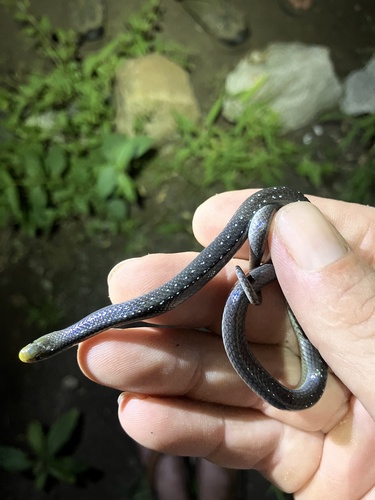 East African Shovel-SnoutProsymna stuhlmanniHarmless
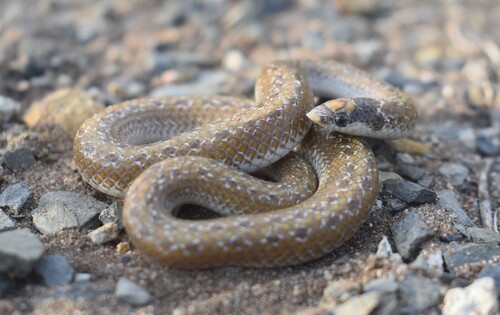 South African Shovel-snoutProsymna sundevalliHarmless
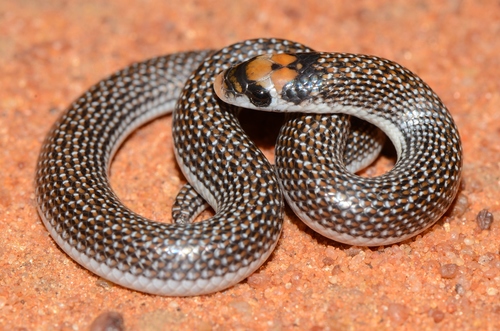 Lineolate Shovel-snoutProsymna lineataHarmless
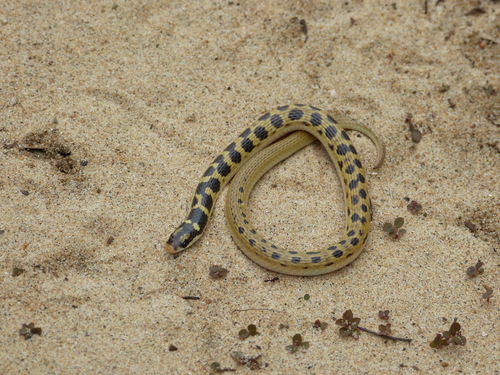 Mozambique Shovel-snoutProsymna janiiHarmless
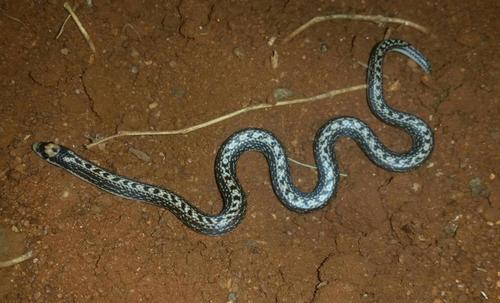 Twin-striped Shovel-snoutProsymna bivittataHarmless
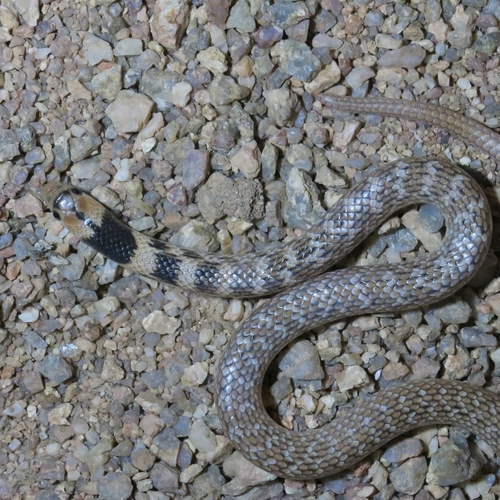 South-western African Shovel-snoutProsymna frontalisHarmless
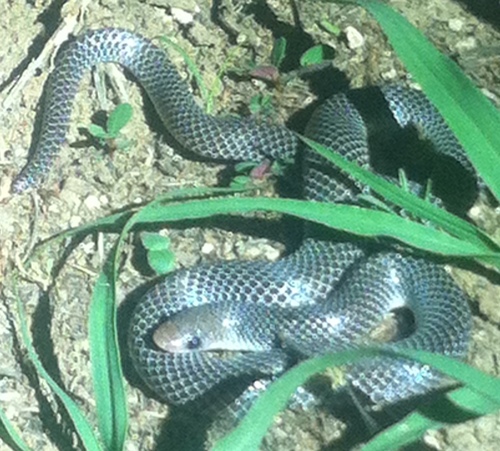 Ruspoli's Shovelsnout SnakeProsymna ruspoliiHarmless
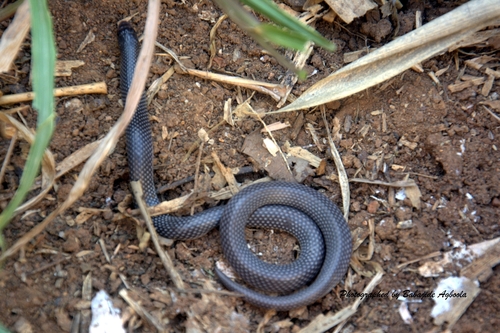 Ghana Shovel-snoutProsymna meleagrisHarmless
 Angola Shovel-snoutProsymna angolensisHarmless
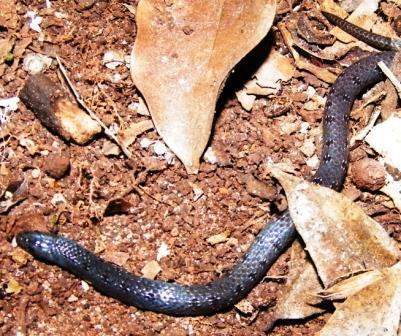 Banded shovel-snoutProsymna semifasciataHarmless
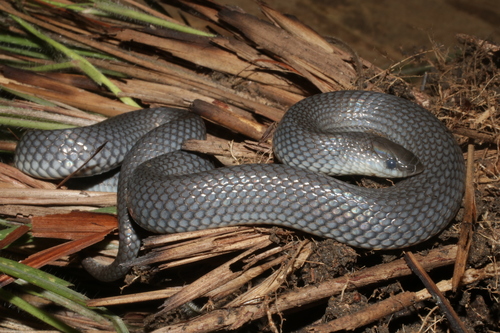 Angolan Shovel-snoutProsymna ambiguaHarmless
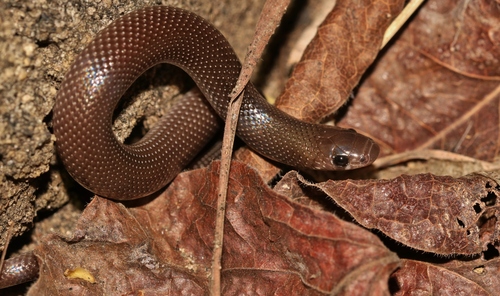 Multi-scaled Shovel-snoutProsymna pitmaniHarmless
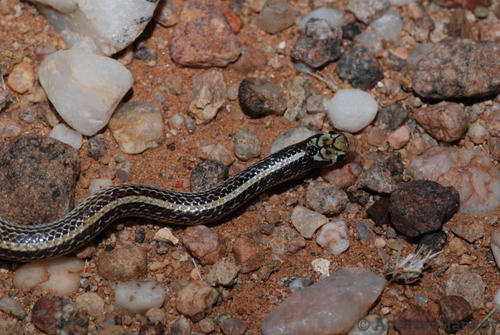 Visser’s Shovel-snoutProsymna visseriHarmless
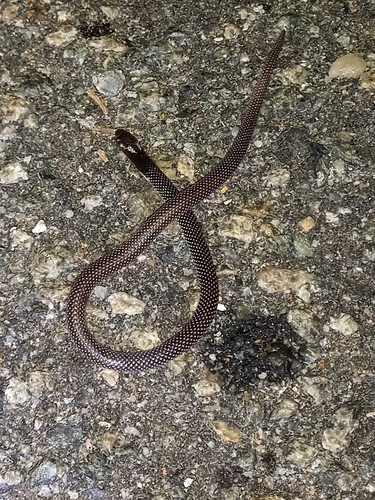 Greigert's Shovel-SnoutProsymna greigertiHarmless
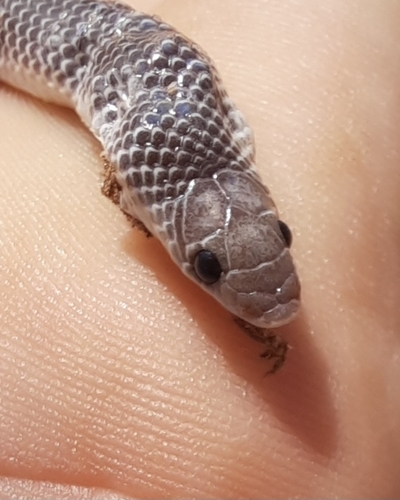 Somali Shovelsnout SnakeProsymna somalicaHarmless
- No photoProsymna collarisHarmless
- No photoKalahari Shovel-snout snakeProsymna lisimaHarmless
Keep learning
- What Is a Snake? Anatomy and the BasicsA clear overview of what makes a snake a snake: limbless body plan, anatomy, evolution from lizards, species diversity, and why they are ectothermic.
- How Snakes Move, Hunt, and EatHow snakes move without legs, hunt as ambushers or active foragers, kill by constriction or venom, and swallow prey wider than their head.
- What Do Snakes Eat?All snakes are carnivores. Learn what snakes eat, how diet changes with size and age, how often they feed, and how they hunt and swallow prey.
- Venomous vs Nonvenomous: How to Tell the DifferenceThe folk rules for telling venomous snakes apart, where each one fails, and why location-based identification beats guessing by sight.