
Genus · Colubridae
Types of hognose snakes
4 species make up the genus Heterodon, the snakes commonly called hognose snakes. None are considered dangerous to humans.
About hognose snakes
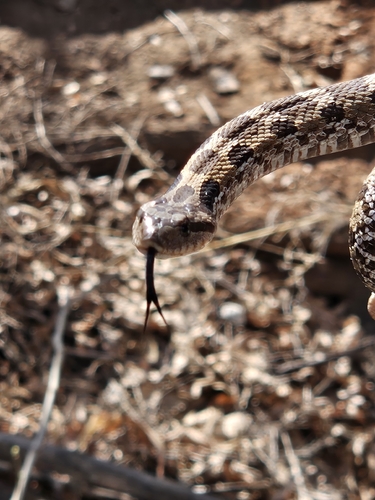
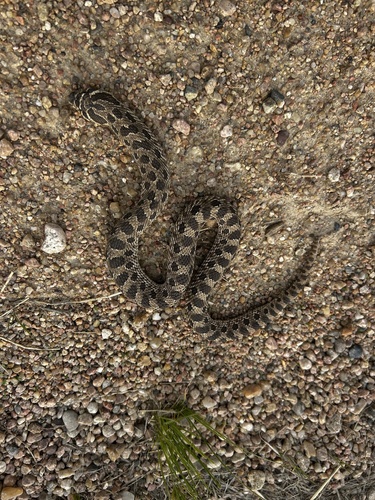
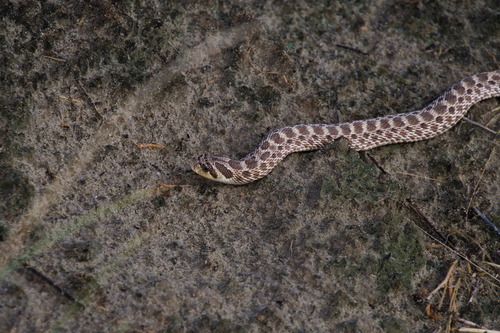
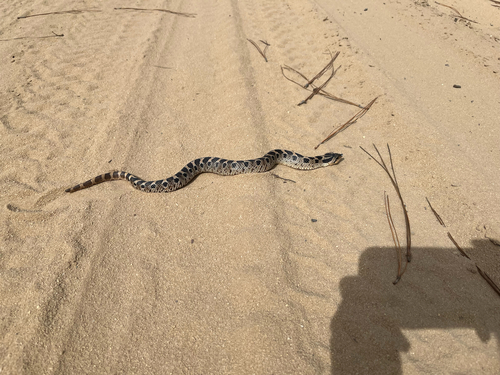
Heterodon is the genus of North American hognose snakes, small stout colubrids named for the upturned, shovel-like snout they use to dig through sandy soil, and famous for one of the most theatrical bluffing displays in the animal world.
Heterodon is a genus of small, heavy-bodied colubrid snakes native to North America. Their defining feature is the sharply upturned, shovel-like snout that gives the group its common name. That hardened snout is a digging tool, letting these snakes root through loose, sandy soil to unearth buried prey and to burrow out of sight. Combined with a thick body and strongly keeled scales that give them a rough texture, the upturned nose makes hognose snakes fairly easy to recognize in the field.
What sets Heterodon apart from nearly every other snake is the elaborate defensive performance they put on when threatened. The first act is bluff: the snake flattens its neck into a hood like a tiny cobra, hisses loudly, and lunges with closed-mouth strikes that almost never make contact. If the intruder is not fooled, the snake escalates to its closing act. It rolls onto its back, writhes as though in agony, gapes its mouth open, and goes limp playing dead, sometimes releasing a foul musk to complete the illusion. The act is so committed that a hognose flipped right-side up will often roll straight back over, as if insisting it is still a corpse.
These snakes live in sandy areas, open fields, and dry woodlands across much of North America, habitats that suit both their burrowing snout and their preferred hunting grounds. They are dietary specialists, feeding heavily on toads, and they come equipped for the job. Hognose snakes are resistant to the toxins toads secrete from their skin, and they reproduce by laying eggs. Their close link to toad populations means they tend to be most common where amphibians are plentiful.
A useful and often misunderstood detail: hognose snakes are technically rear-fanged, with enlarged teeth at the back of the jaw and a mild saliva toxin adapted to help subdue toads. This is part of their feeding biology, not a threat to people. They are not considered dangerous to humans, and bites are very rare, because a hognose almost never bites in defense. Its entire strategy is to scare or trick a threat into leaving rather than to fight it.
Our database lists four species in this genus, none of them classed as dangerous to people. Recognizable members include the Eastern Hognose Snake, the Plains Hognose Snake, the Mexican Hognose Snake, and the Southern Hognose Snake. The honest safety picture is reassuring: these are harmless, famously reluctant-to-bite snakes whose dramatic displays are pure bluff. As with any wild animal, the right response is to observe from a respectful distance and leave it undisturbed rather than handle it.
Heterodon belongs to the Colubridae family (Colubrids). The largest snake family, and the one most snakes you meet belong to. Typically round pupils, a head only slightly wider than the neck, and no heat-sensing facial pit or rattle. Scales may be smooth and glossy or keeled and matte depending on the species.
Danger: Almost all colubrids are harmless. A small number are rear-fanged with medically significant venom, the boomslang and the twig (vine) snakes of Africa being the dangerous exceptions. Most colubrids will flee or bluff rather than bite.
All species (4)
Keep learning
- What Is a Snake? Anatomy and the BasicsA clear overview of what makes a snake a snake: limbless body plan, anatomy, evolution from lizards, species diversity, and why they are ectothermic.
- How Snakes Move, Hunt, and EatHow snakes move without legs, hunt as ambushers or active foragers, kill by constriction or venom, and swallow prey wider than their head.
- What Do Snakes Eat?All snakes are carnivores. Learn what snakes eat, how diet changes with size and age, how often they feed, and how they hunt and swallow prey.
- Venomous vs Nonvenomous: How to Tell the DifferenceThe folk rules for telling venomous snakes apart, where each one fails, and why location-based identification beats guessing by sight.