
Genus · Colubridae
Types of keelbacks
10 species make up the genus Fowlea, the snakes commonly called keelbacks. None are considered dangerous to humans.
About Asian keelbacks
Fowlea is a genus of semiaquatic Asian keelbacks, harmless to people but capable of a defensive bluff that mimics far more dangerous snakes.
Fowlea is a genus of colubrid snakes in the family Colubridae, the largest and most diverse snake family. Its members are commonly called keelbacks, a name that points to the raised ridge, or keel, running down the center of most of their dorsal scales. This keeling gives the body a slightly rough, matte texture rather than a smooth shine. Several species now placed in Fowlea were long grouped under the genus Xenochrophis, and the two names are still used interchangeably in older field guides and databases.
The genus is centered on South and Southeast Asia. Members range across India, Sri Lanka, Bangladesh, Myanmar, Thailand, southern China, and the islands of Indonesia and the Philippines, with the wide-ranging chequered keelback reaching across much of that area. These are water snakes in habit. They live in and around freshwater: rice paddies, ponds, irrigation canals, slow rivers, marshes, and roadside ditches, including disturbed and agricultural land near people. They are strong swimmers and rarely stray far from water.
Recognizing a Fowlea keelback comes down to a combination of build, scale texture, and setting rather than one single mark. They are slender to moderately built snakes of small to medium size, generally a foot and a half to a little over three feet long, with keeled scales and large eyes set high on the head, an adaptation for a life spent partly submerged. Patterns vary by species and include checkerboard blotching, rows of spots, or fine speckling over olive, brown, or greenish ground colors. Because color and pattern overlap heavily between species and with unrelated water snakes, exact identification is best confirmed by a regional expert.
Fowlea keelbacks are not considered dangerous to humans. They are non-venomous in the medical sense and have no front fangs and no potent venom delivery. When cornered they put on a memorable threat display: flattening the neck and forebody, raising up, and striking, behavior that can resemble a cobra and leads to many harmless keelbacks being killed out of fear. A bite from one of these snakes may cause minor local bleeding or irritation but is not a medical emergency. Even so, no wild snake should be handled. Misidentification is the real risk, since dangerous species can share the same waterside habitat. If anyone is bitten by a snake they cannot positively identify, treat it seriously, stay calm, keep the limb still, and seek emergency care. In the United States contact Poison Control at 1-800-222-1222, and elsewhere call local emergency services.
Ecologically these snakes are aquatic hunters. Their diet is dominated by fish and amphibians such as frogs, tadpoles, and toads, which they pursue actively in shallow water. Like most colubrids in the genus, they are egg-laying, with females depositing clutches of eggs rather than giving live birth. They are largely diurnal to crepuscular and play a useful role in wetland and rice-field food webs, both as predators of fish and frogs and as prey for birds, larger snakes, and mammals. Their tolerance of human-modified wetlands makes them among the more frequently encountered water snakes across their range.
Fowlea belongs to the Colubridae family (Colubrids). The largest snake family, and the one most snakes you meet belong to. Typically round pupils, a head only slightly wider than the neck, and no heat-sensing facial pit or rattle. Scales may be smooth and glossy or keeled and matte depending on the species.
Danger: Almost all colubrids are harmless. A small number are rear-fanged with medically significant venom, the boomslang and the twig (vine) snakes of Africa being the dangerous exceptions. Most colubrids will flee or bluff rather than bite.
All species (10)
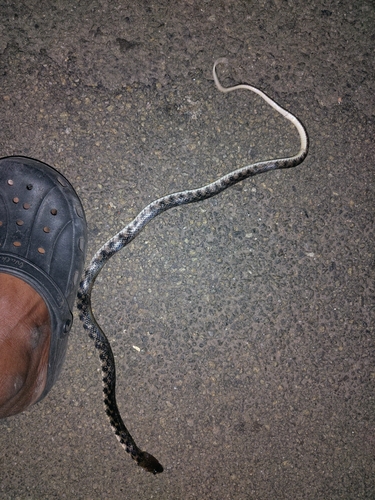 Chequered KeelbackFowlea piscatorHarmless
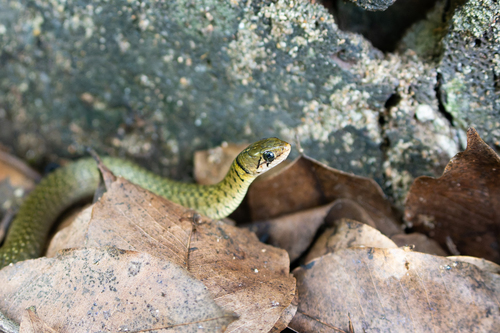 Yellow-spotted KeelbackFowlea flavipunctataHarmless
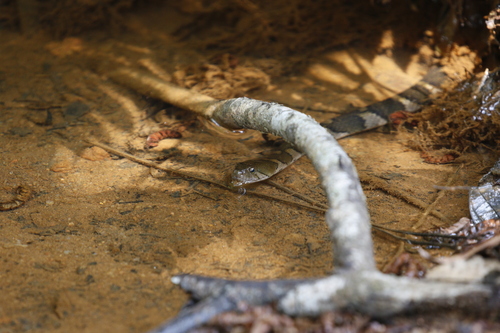 Boulenger's KeelbackFowlea asperrimaHarmless
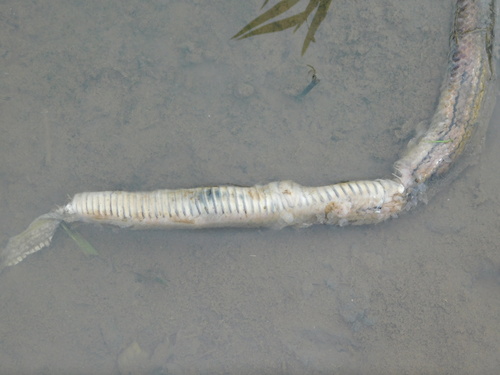 Javan KeelbackFowlea melanzostaHarmless
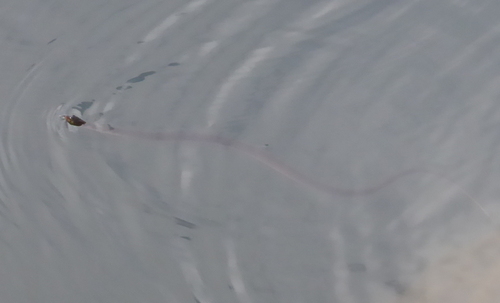 Tikiri KeelbackFowlea unicolorHarmless
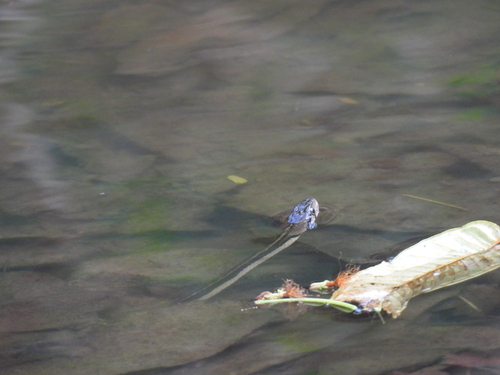 Andaman KeelbackFowlea tytleriHarmless
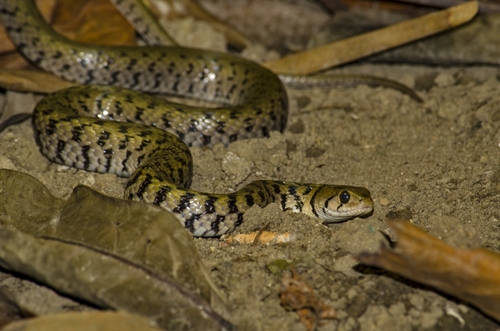 Bar-necked KeelbackFowlea schnurrenbergeriHarmless
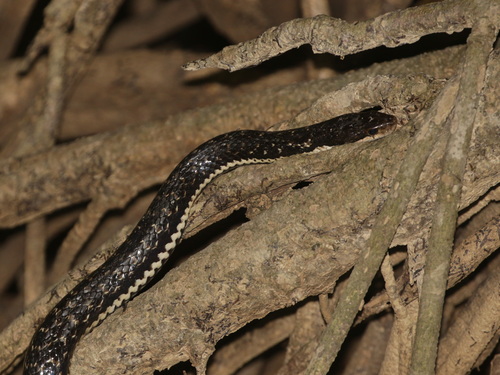 Spotted Keelback Water SnakeFowlea punctulataHarmless
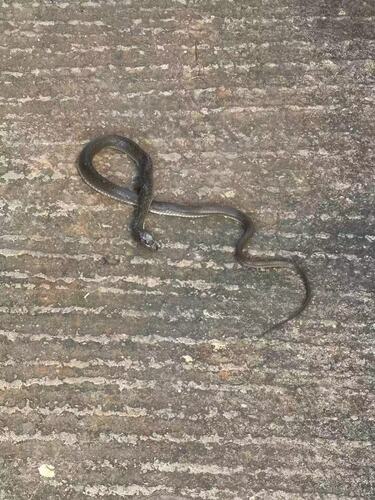 Yunnan Olive KeelbackFowlea yunnanensisHarmless
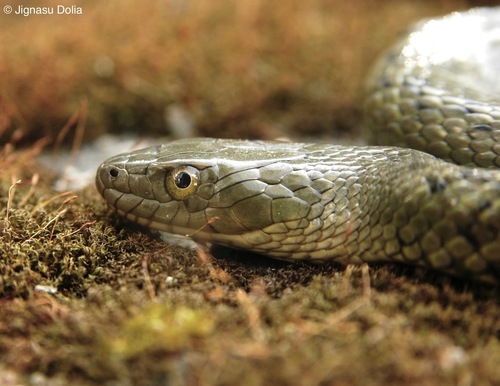 St. John's KeelbackFowlea sanctijohannisHarmless
Keep learning
- What Is a Snake? Anatomy and the BasicsA clear overview of what makes a snake a snake: limbless body plan, anatomy, evolution from lizards, species diversity, and why they are ectothermic.
- How Snakes Move, Hunt, and EatHow snakes move without legs, hunt as ambushers or active foragers, kill by constriction or venom, and swallow prey wider than their head.
- What Do Snakes Eat?All snakes are carnivores. Learn what snakes eat, how diet changes with size and age, how often they feed, and how they hunt and swallow prey.
- Venomous vs Nonvenomous: How to Tell the DifferenceThe folk rules for telling venomous snakes apart, where each one fails, and why location-based identification beats guessing by sight.