
Genus · Colubridae
Types of snail-eaters
40+ species make up the genus Dipsas, the snakes commonly called snail-eaters. None are considered dangerous to humans.
About Snail-eating snakes
Dipsas are slender, big-eyed Neotropical snakes built almost entirely around eating snails and slugs.
Dipsas is a genus in the family Colubridae, the largest snake family, which holds most of the world's snakes and is famous for its variety of body plans and feeding habits. Within that broad family, Dipsas belongs to the dipsadine group, a New World radiation of small to mid-sized snakes that have specialized in unusual prey. The genus contains many species, with 46 represented in our database, and is one of the classic examples of a snake lineage shaped by a narrow diet.
These snakes live in the American tropics and subtropics, ranging from Mexico and Central America down through much of tropical South America. They favor humid, vegetated habitats such as rainforest, cloud forest, and forest edges, where the snails and slugs they depend on are abundant. Most are nocturnal and arboreal or semi-arboreal, moving through low branches, shrubs, and leaf litter at night and hiding in cover during the day.
In general terms, you can recognize a Dipsas by its slim body, short blunt head that is distinctly wider than the neck, and very large eyes with rounded or vertical pupils suited to night activity. Many species are strongly banded or blotched in browns, grays, creams, and black, a pattern that can superficially resemble venomous snakes and offers some protection. The lower jaw is modified for their feeding style, lacking the rigid chin structure of typical snakes so they can extract soft-bodied prey from shells.
Dipsas are not dangerous to people. They are non-venomous, rear-fanged colubrids with no medically significant venom and no interest in biting humans, and they are not constrictors in the usual sense. Their entire feeding apparatus is tuned to slow, soft prey rather than defense. Even so, any wild snake can bite if cornered, and these snakes should be observed and left alone rather than handled. If a bite ever causes a reaction or you are unsure about a snake's identity, contact US Poison Control at 1-800-222-1222 or your local emergency services.
Ecologically, Dipsas are specialized molluscivores. They hunt land snails and slugs at night, and to eat a snail they insert the lower jaw into the shell and use repeated jaw movements to pull the soft body free, a technique that lets them feed without crushing the shell. They are egg-laying snakes, and their slow, deliberate movements and reliance on a single prey type make them sensitive indicators of healthy, moist forest. Their resemblance to venomous species is widely thought to be defensive mimicry, since they have no other strong defenses of their own.
Dipsas belongs to the Colubridae family (Colubrids). The largest snake family, and the one most snakes you meet belong to. Typically round pupils, a head only slightly wider than the neck, and no heat-sensing facial pit or rattle. Scales may be smooth and glossy or keeled and matte depending on the species.
Danger: Almost all colubrids are harmless. A small number are rear-fanged with medically significant venom, the boomslang and the twig (vine) snakes of Africa being the dangerous exceptions. Most colubrids will flee or bluff rather than bite.
All species (46)
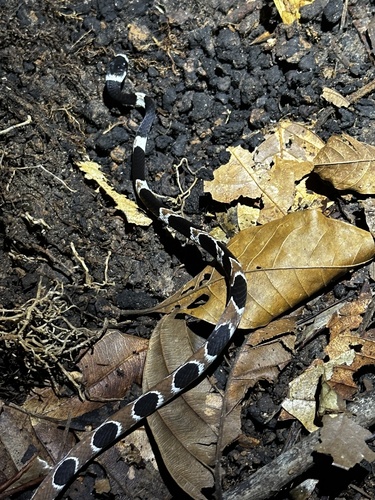 Catesby's Snail-eaterDipsas catesbyiHarmless
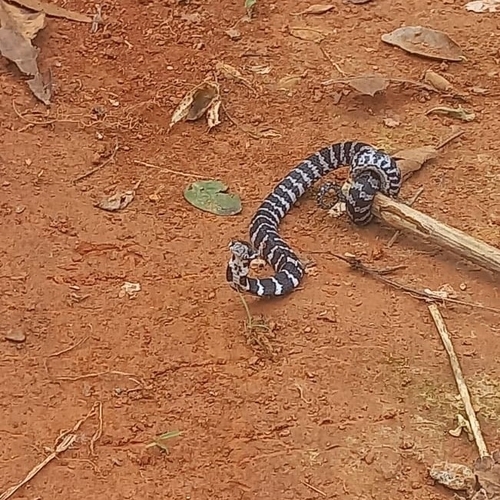 Brazilian Slug-eating SnakeDipsas mikaniiHarmless
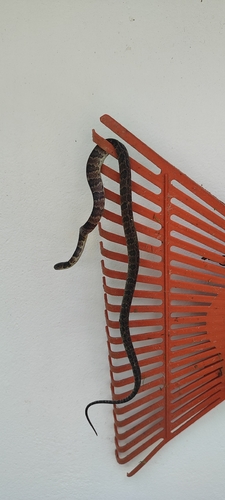 Neuwied's Tree SnakeDipsas neuwiediHarmless
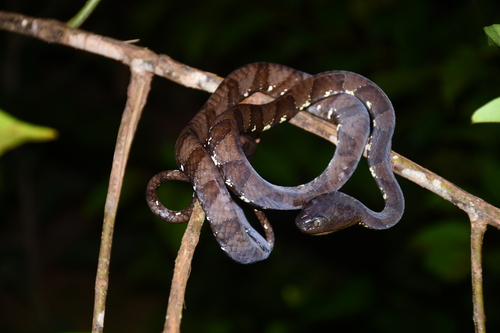 Neotropical Snail-eaterDipsas indicaHarmless
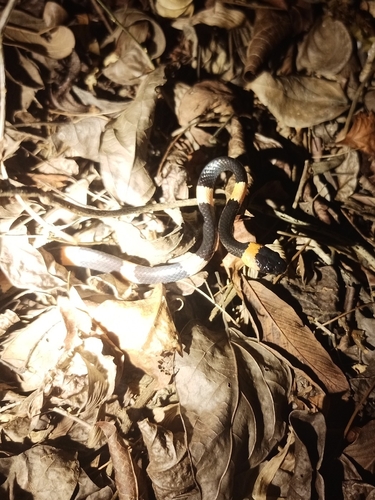 Snail-eating Thirst SnakeDipsas brevifaciesHarmless
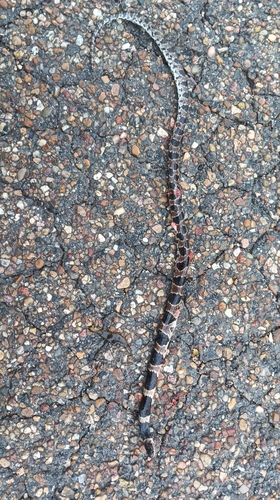 Bolivian Snail-eaterDipsas turgidaHarmless
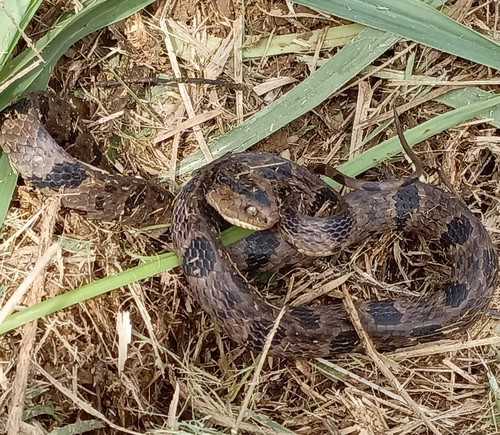 Andean Snail-eaterDipsas andianaHarmless
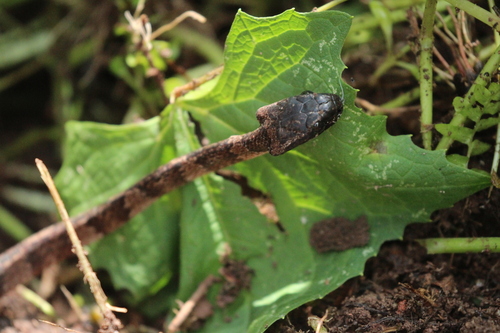 Elegant Snail-eaterDipsas elegansHarmless
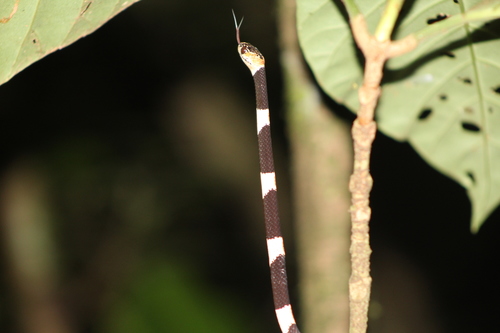 American Snail-eaterDipsas articulataHarmless
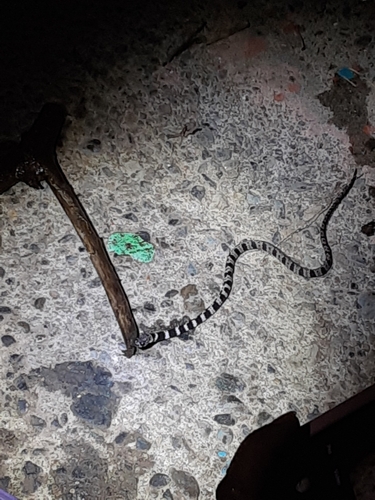 Tropical Snail-eaterDipsas sanctijoannisHarmless
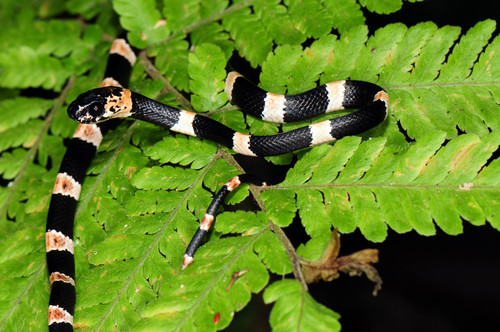 Graceful Snail-eaterDipsas gracilisHarmless
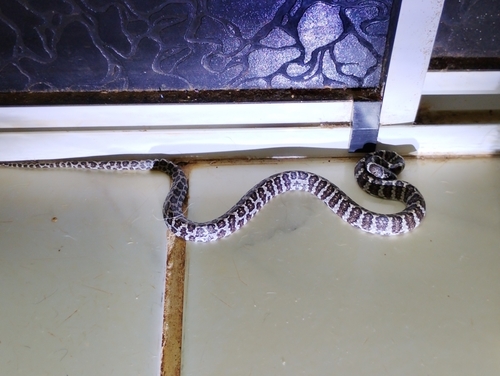 Spot-bellied Slug-eating SnakeDipsas ventrimaculataHarmless
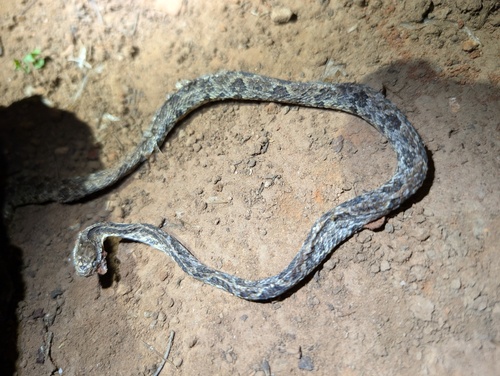 Variegated Snail-eaterDipsas variegataHarmless
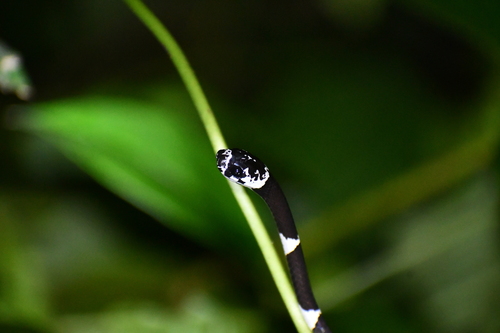 Northern Snail-eaterDipsas pavoninaHarmless
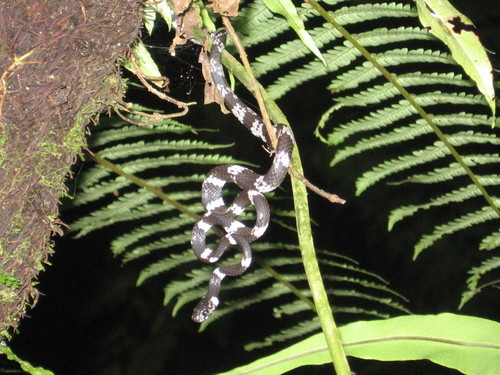 Taylor's Snail-eaterDipsas tenuissimaHarmless
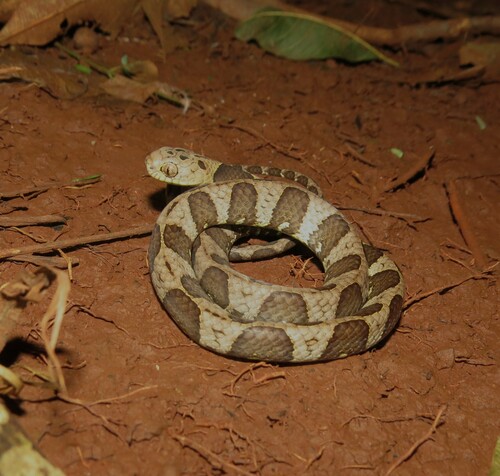 Neotropical Snail-eaterDipsas bucephalaHarmless
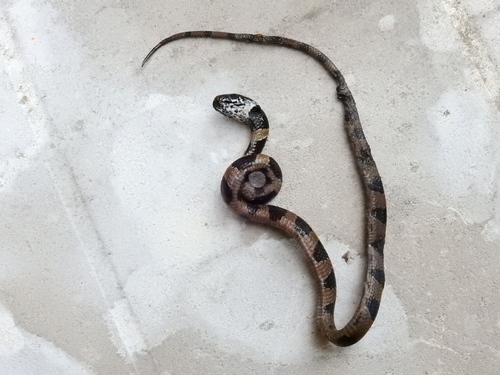 Vermiculate Snail-eaterDipsas vermiculataHarmless
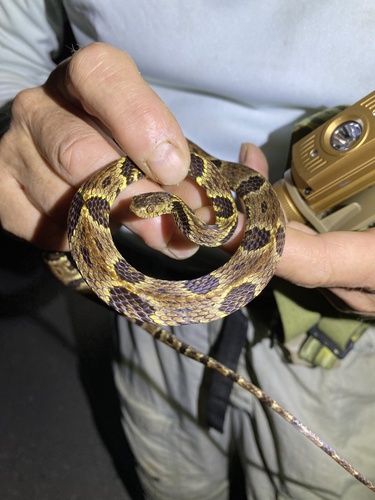 Trinidad Snail-eaterDipsas trinitatisHarmless
 George Jett's Snail-EaterDipsas georgejettiHarmless
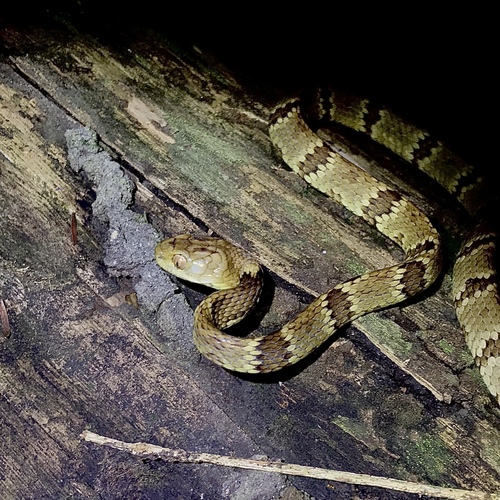 Sauvage's Snail-eaterDipsas albifronsHarmless
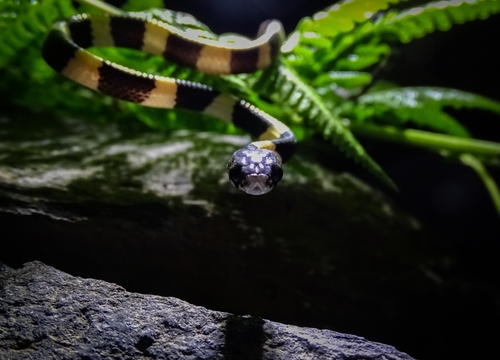 Temporal Snail-eaterDipsas temporalisHarmless
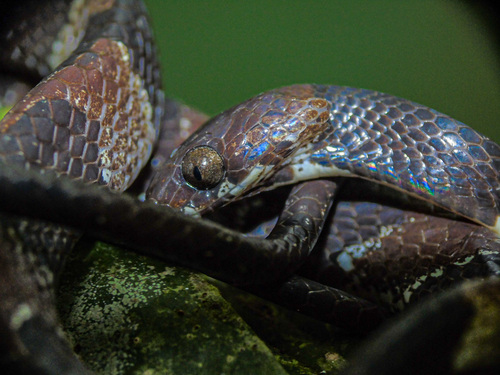 Dipsas aparatiritosHarmless
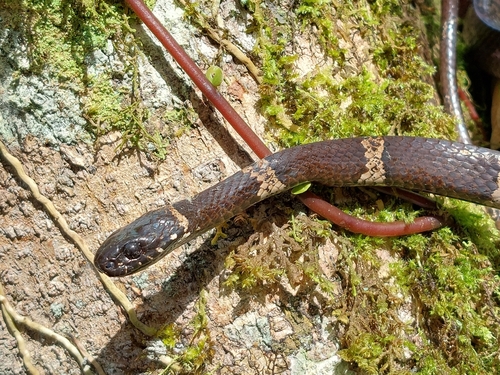 Klebba's Snail-EaterDipsas klebbaiHarmless
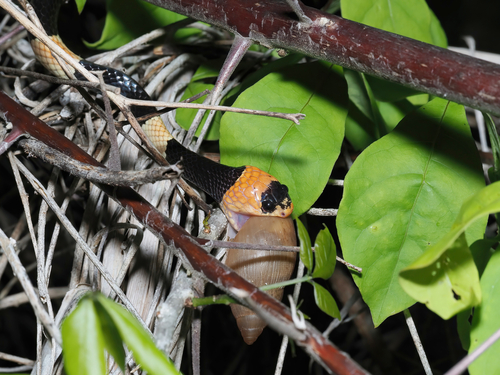 Gaige's Thirst Snail-eaterDipsas gaigeaeHarmless
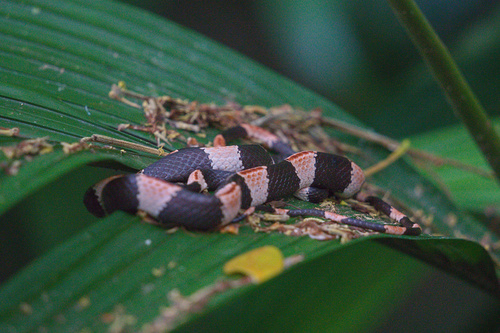 Two-colored Snail-eaterDipsas bicolorHarmless
 Ibarra Snail-eaterDipsas ellipsiferaHarmless
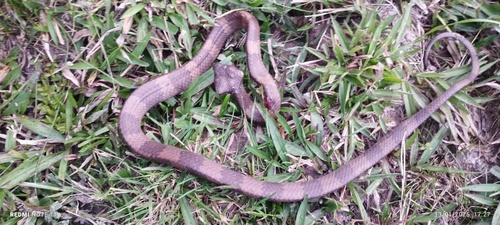 Pratt's Snail-eaterDipsas prattiHarmless
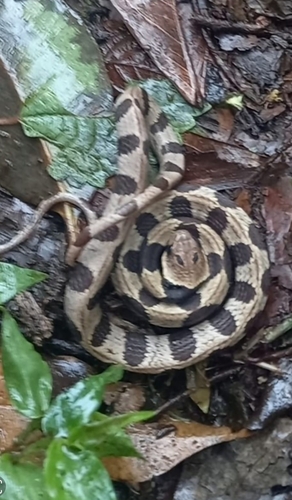 Jan's Snail-eaterDipsas alternansHarmless
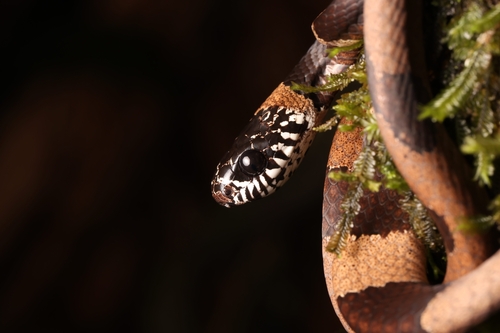 Dipsas palmeriHarmless
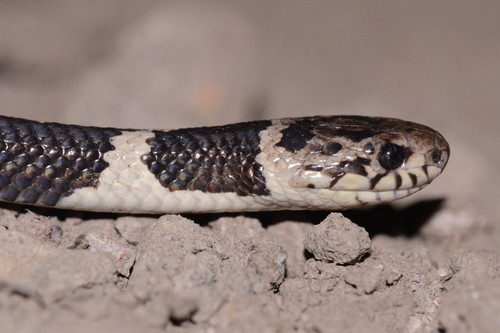 Williams' Tree SnakeDipsas williamsiHarmless
 Ecuador Snail-eaterDipsas oreasHarmless
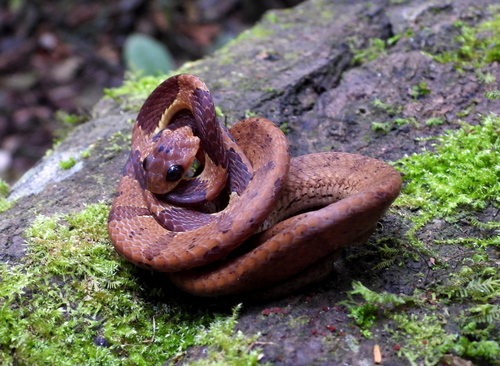 Atlantic Forest Snail-eaterDipsas sazimaiHarmless
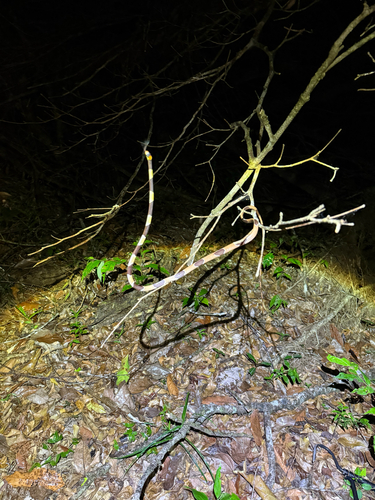 Cope's Snail-eaterDipsas copeiHarmless
 James Peters's Snail-eaterDipsas jamespetersiHarmless
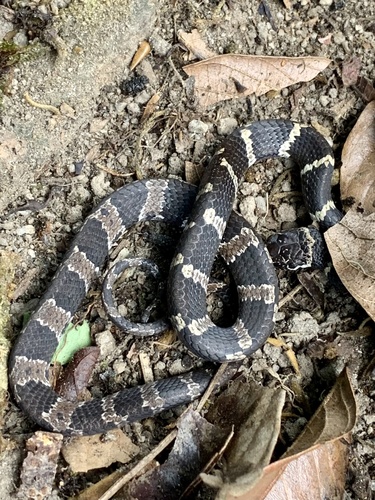 Peruvian Thirst SnakeDipsas peruanaHarmless
 El Oro Snail EaterDipsas bobridgelyiHarmless
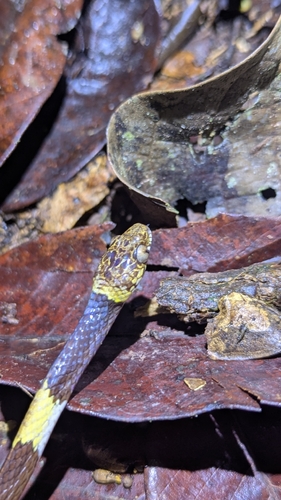 Dipsas welborniHarmless
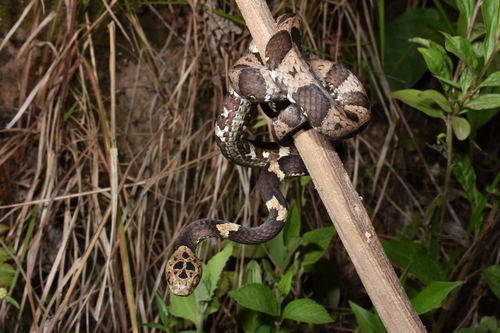 Neotropical Snail-eaterDipsas cisticepsHarmless
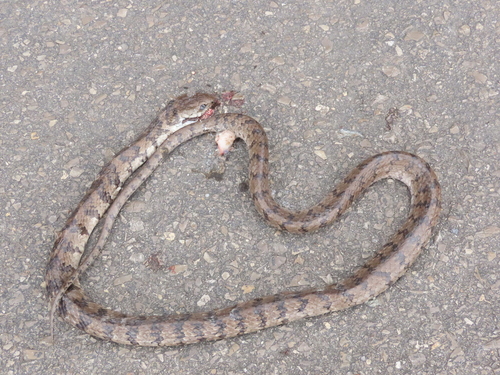 O'Neill's Tree SnakeDipsas oneilliHarmless
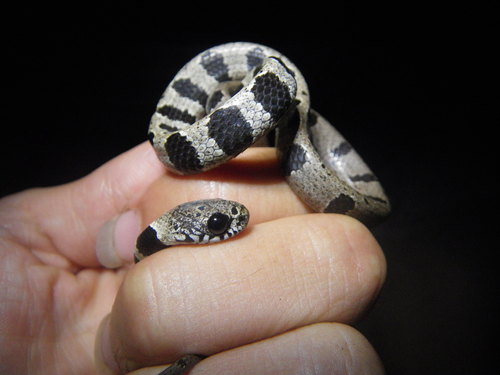 Chapare Snail-eaterDipsas chaparensisHarmless
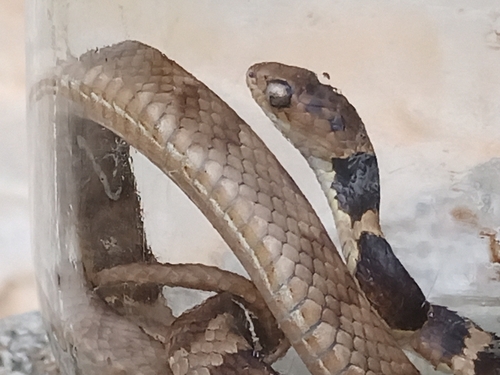 Dipsas latifrontalisHarmless
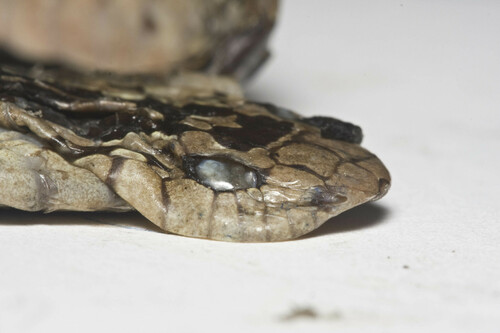 Dipsas nicholsiHarmless
 Dipsas oligozonataHarmless
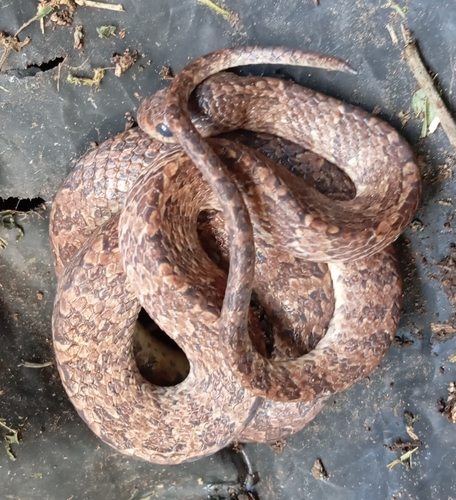 La Villa's Slug-eating SnakeDipsas lavillaiHarmless
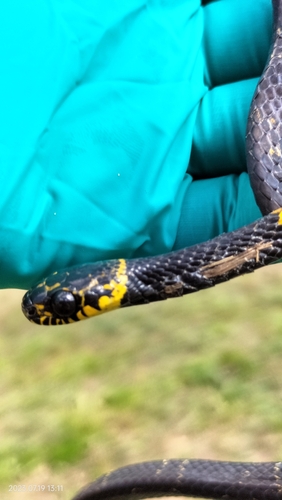 Schunk's Snail-eaterDipsas schunkiiHarmless
- No photoSerra do Cariri Snail EaterDipsas bothropoidesHarmless
Keep learning
- What Is a Snake? Anatomy and the BasicsA clear overview of what makes a snake a snake: limbless body plan, anatomy, evolution from lizards, species diversity, and why they are ectothermic.
- How Snakes Move, Hunt, and EatHow snakes move without legs, hunt as ambushers or active foragers, kill by constriction or venom, and swallow prey wider than their head.
- What Do Snakes Eat?All snakes are carnivores. Learn what snakes eat, how diet changes with size and age, how often they feed, and how they hunt and swallow prey.
- Venomous vs Nonvenomous: How to Tell the DifferenceThe folk rules for telling venomous snakes apart, where each one fails, and why location-based identification beats guessing by sight.