
Genus · Pythonidae
Types of pythons
4 species make up the genus Antaresia, the snakes commonly called pythons. None are considered dangerous to humans.
About children's and pygmy pythons
Antaresia is a genus of small Australasian pythons that kill by constriction and pose no venom threat to people.
Antaresia is a genus in the family Pythonidae, the true pythons. It contains the smallest pythons in the world, a cluster of slender, modestly sized snakes native to Australia and New Guinea. The name is best known through the Children's Python, which is named after the naturalist John George Children rather than for any link to human children. Members of the genus are sometimes grouped together as the Children's and pygmy pythons.
These snakes occur across much of mainland Australia, especially the north and the arid and tropical interior, with a representative reaching into New Guinea. Typical habitat is varied and adaptable: rocky outcrops, woodland, savanna, scrub, and the margins of human settlement. Like other pythons they are non venomous. They are constrictors that seize prey in their jaws and wrap coils around it, and they carry the heat sensing labial pits characteristic of the family, which help them detect warm bodied prey.
In general terms, an Antaresia python is a small, heavy bodied snake for its length, usually well under about 1.5 meters and often closer to 1 meter or less. The patterning runs to blotches, spots, or a reticulated wash of brown, tan, and darker markings on a paler ground, which is the source of common names such as Spotted Python. Precise identification to species depends on geography and scale and head detail, so close field identification of an obscure individual is best left to a regional herpetology guide rather than guessed at.
Antaresia pythons are non venomous and not dangerous to humans. They have teeth and can bite defensively, and any bite from a wild animal should be cleaned and watched for infection, but there is no venom involved. They are harmless to people in the sense that they carry no medically significant toxin. As with any wild snake, the responsible approach is to observe and not handle, and to leave capture or relocation to trained handlers.
Ecologically these are ambush and active foragers that take small vertebrates: lizards, small mammals, birds, and frogs, with younger animals often specializing on smaller prey such as geckos. Like all pythons they are egg layers, and the female coils around her clutch to brood it through incubation, a behavior that distinguishes pythons from many other egg laying snakes. They are largely nocturnal and secretive, sheltering in rock crevices, burrows, hollows, and similar cover by day.
Antaresia belongs to the Pythonidae family (Pythons). Old-World egg-laying constrictors, including the longest snakes on Earth. Large and heavy-bodied with blotched or banded patterns, smooth scales, and heat-sensing pits along the lips. No rattle or fangs.
Danger: Non-venomous. Only the very largest species could be a physical danger, and bites are defensive, not venomous.
All species (4)
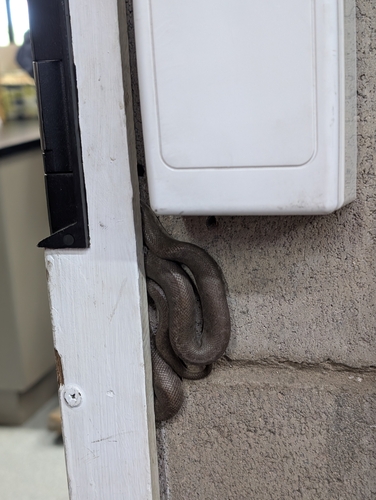
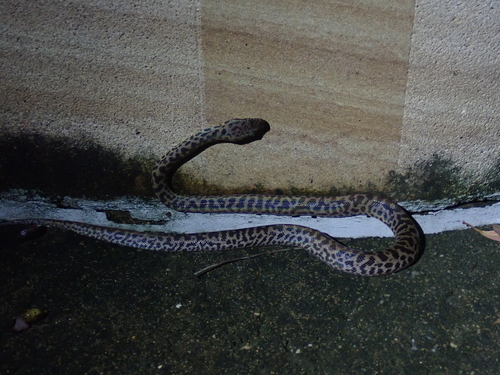
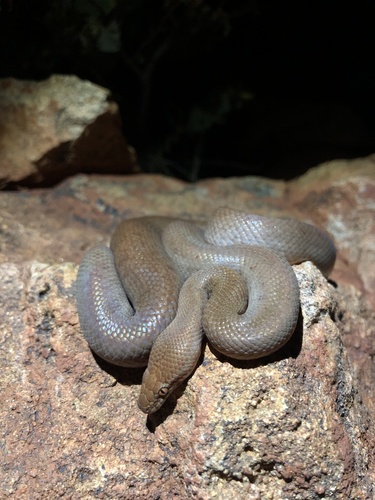
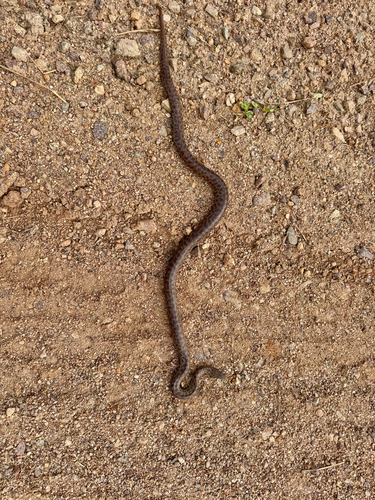
Keep learning
- What Is a Snake? Anatomy and the BasicsA clear overview of what makes a snake a snake: limbless body plan, anatomy, evolution from lizards, species diversity, and why they are ectothermic.
- How Snakes Move, Hunt, and EatHow snakes move without legs, hunt as ambushers or active foragers, kill by constriction or venom, and swallow prey wider than their head.
- What Do Snakes Eat?All snakes are carnivores. Learn what snakes eat, how diet changes with size and age, how often they feed, and how they hunt and swallow prey.
- Venomous vs Nonvenomous: How to Tell the DifferenceThe folk rules for telling venomous snakes apart, where each one fails, and why location-based identification beats guessing by sight.