
Genus · Typhlopidae
Types of blind snakes
20+ species make up the genus Anilios, the snakes commonly called blind snakes. None are considered dangerous to humans.
About Australian blind snakes
Anilios is the dominant genus of blind snakes across Australia, tiny burrowing reptiles that look more like earthworms than serpents.
Anilios is a genus of blind snakes in the family Typhlopidae, the largest family of blind snakes worldwide. It contains the great majority of Australia's blind snake species, with our database holding 20+ of them, including the Blackish Blind Snake, the Prong-snouted Blind Snake, the Southern Blind Snake, and the Dark-spined Blind Snake. As typhlopids, these are among the most primitive living snakes, a lineage that has stayed small, fossorial, and specialized for life underground.
Like all members of Typhlopidae, Anilios snakes are built for burrowing. The body is slender and roughly the same thickness from head to tail, covered in smooth, glossy, tightly overlapping scales that let the animal slide through soil. The head is blunt and barely distinct from the neck, and the tail is short and often tipped with a small spine the snake uses for traction. The common name is literal: the eyes are reduced to dark spots beneath the head scales, capable of sensing light and dark but not forming images, which is all a permanent burrower needs.
Most Anilios species are small, commonly in the range of about 20 to 50 cm in total length, though size varies by species. They live across a wide spread of Australian habitats, from arid and semi-arid interior to wetter coastal regions, spending nearly all their time underground or under rocks, logs, and leaf litter. People most often encounter them after heavy rain, when flooding drives them to the surface, or when turning over cover objects in the garden. Their wormlike appearance means they are frequently mistaken for earthworms.
These snakes are harmless to humans. They are not venomous, have no large fangs, and their mouths are tiny, adapted to feeding rather than biting people. They do not pose a danger and there is no medical concern from handling them. That said, they are delicate, easily stressed wild animals best left undisturbed or gently returned to cover rather than kept or handled.
Anilios snakes feed mainly on the eggs, larvae, and pupae of ants and termites, following chemical trails into nests and feeding inside the colony. This diet ties them closely to soil ecosystems and makes them useful natural regulators of insect populations. Like other typhlopids, they reproduce by laying eggs, and some species are thought to be capable of producing clutches without a mate. Secretive and rarely seen, they are nonetheless a widespread and ecologically important part of Australia's reptile fauna.
Anilios belongs to the Typhlopidae family (Blindsnakes). Tiny, worm-like burrowing snakes that raid ant and termite nests. Looks like a small, glossy earthworm with smooth scales and no obvious neck, eyes, or pattern.
Danger: Harmless. They do not bite people and have no venom.
All species (28)
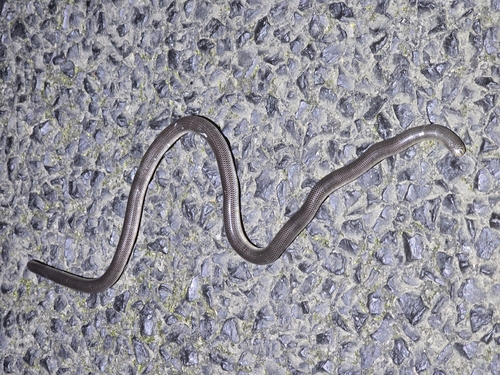 Blackish Blind SnakeAnilios nigrescensHarmless
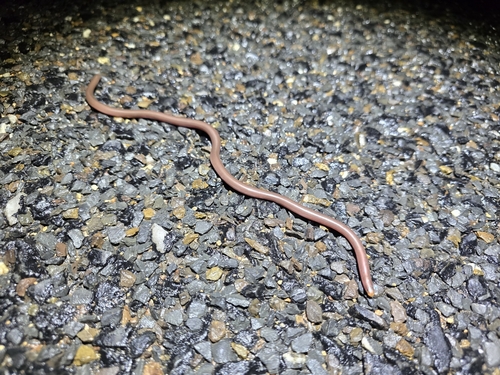 Prong-snouted Blind SnakeAnilios bituberculatusHarmless
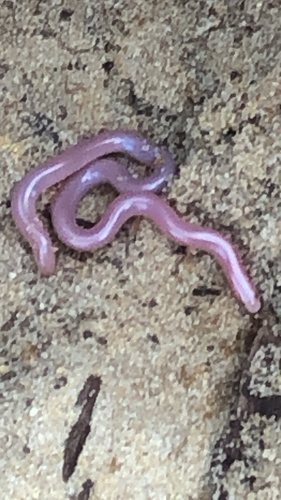 Southern Blind SnakeAnilios australisHarmless
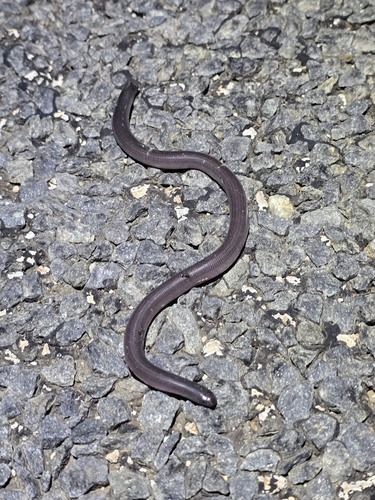 Dark-spined Blind SnakeAnilios bicolorHarmless
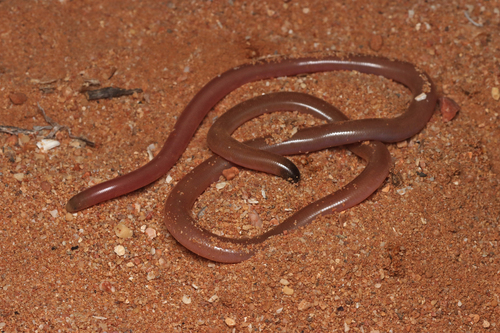 Long-beaked Blind SnakeAnilios grypusHarmless
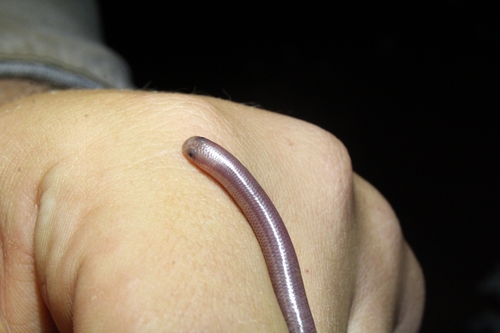 Interior Blind SnakeAnilios endoterusHarmless
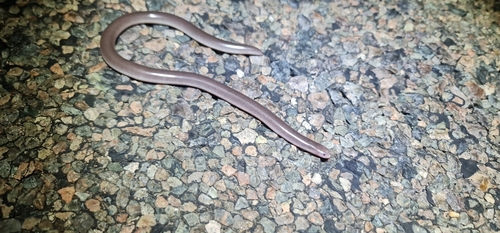 Robust Blind SnakeAnilios ligatusHarmless
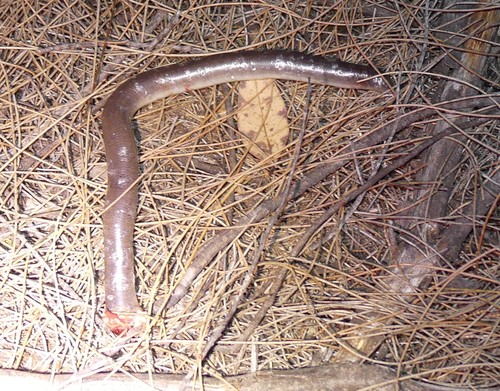 Rotund Blind SnakeAnilios pinguisHarmless
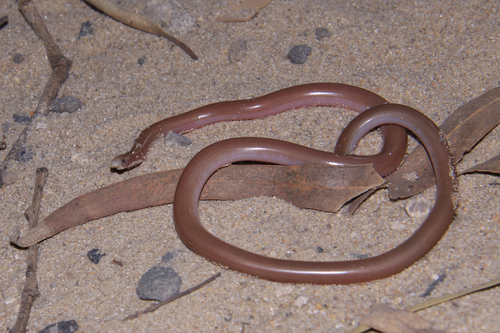 Beaked Blind SnakeAnilios waitiiHarmless
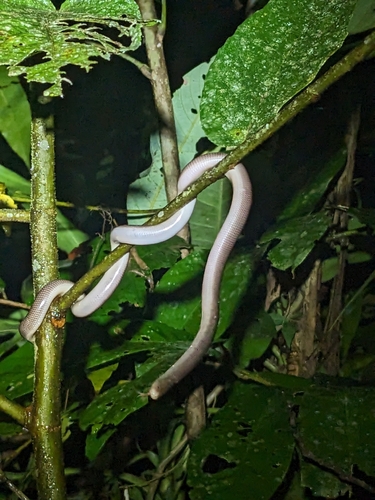 North-eastern Blind SnakeAnilios torresianusHarmless
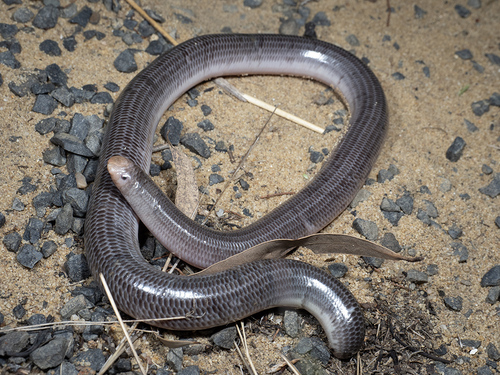 Woodland Blind SnakeAnilios proximusHarmless
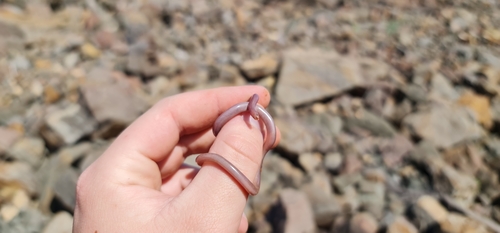 Brown-snouted Blind SnakeAnilios wiediiHarmless
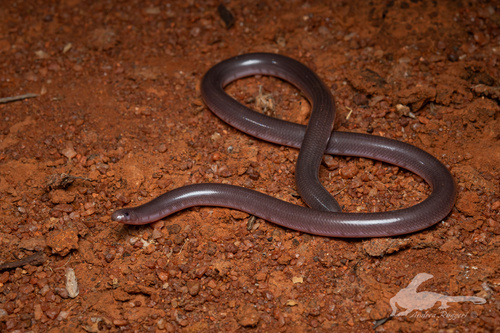 Pale-headed Blind SnakeAnilios hamatusHarmless
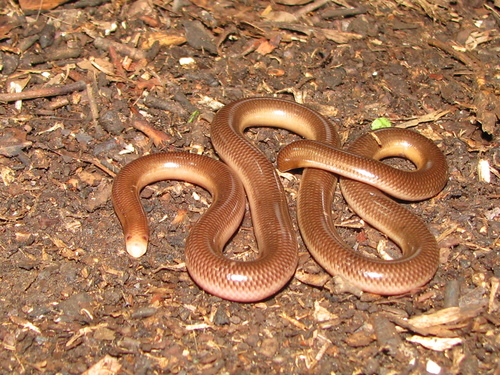 Claw-snouted Blind SnakeAnilios unguirostrisHarmless
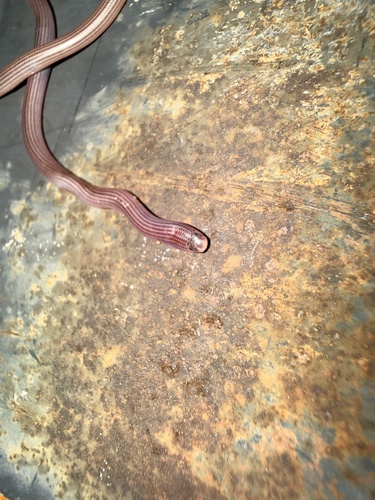 Faint-striped Blind SnakeAnilios broomiHarmless
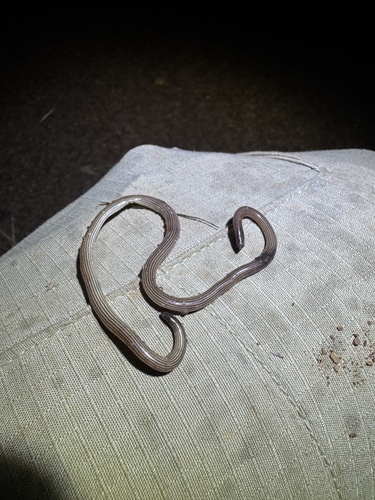 Cape York Striped Blind SnakeAnilios chamodracaenaHarmless
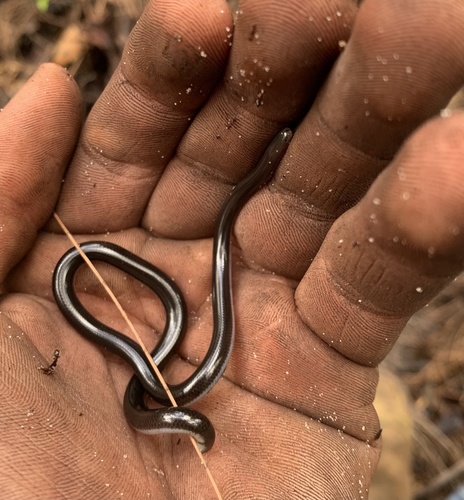 Great Sandy Blind SnakeAnilios silviaHarmless
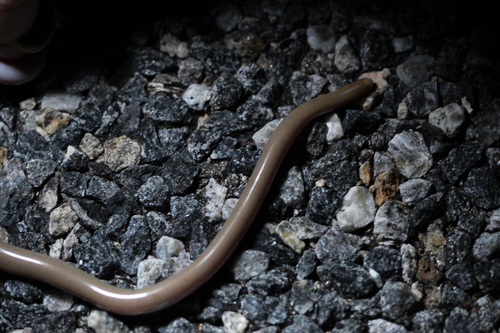 Centralian Blind SnakeAnilios centralisHarmless
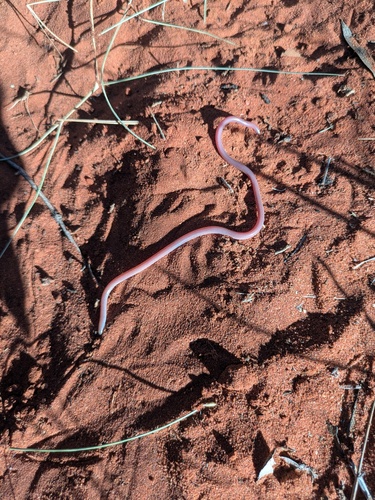 Northern Blind SnakeAnilios diversusHarmless
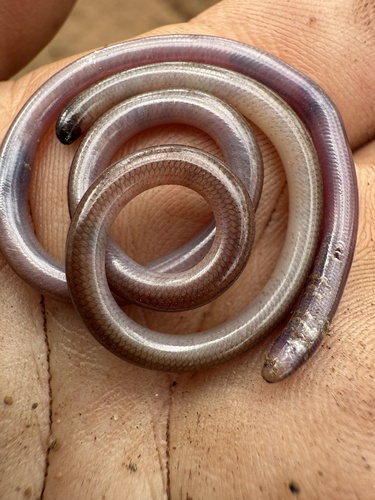 Top End Blind SnakeAnilios guentheriHarmless
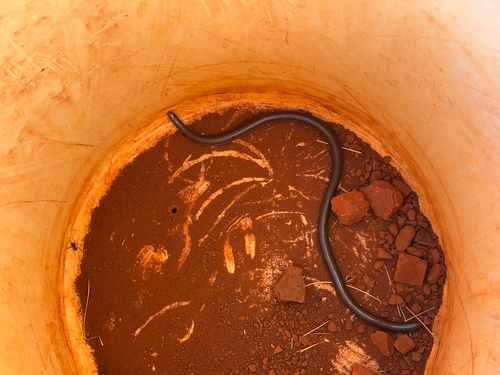 Gane's Blind SnakeAnilios ganeiHarmless
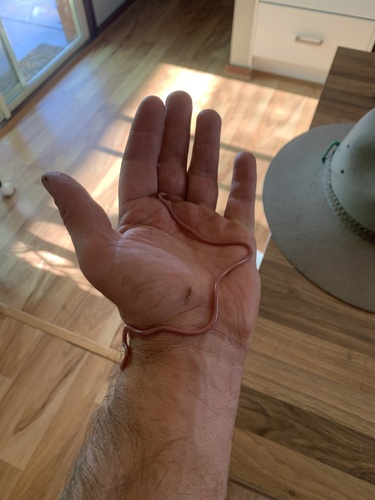 Murchison Blind SnakeAnilios leptosomaHarmless
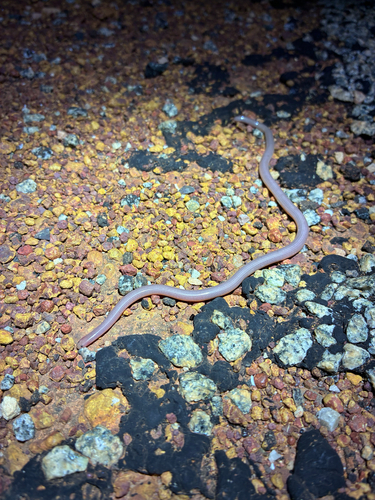 Sand-diving Blind SnakeAnilios ammodytesHarmless
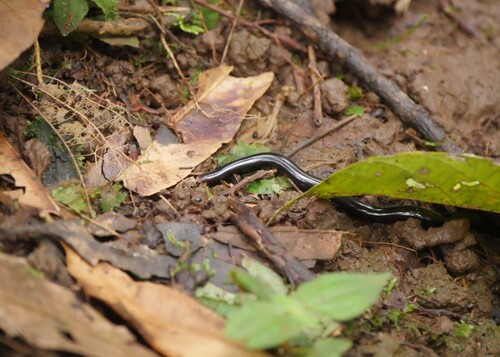 White-tailed blindsnakeAnilios leucoproctusHarmless
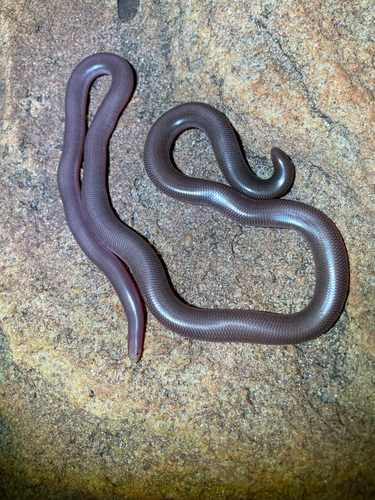 Sandamara Blind SnakeAnilios troglodytesHarmless
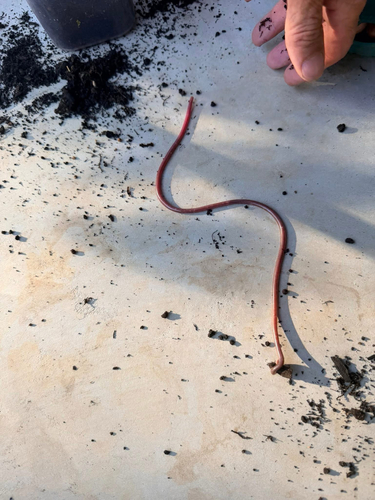 Thread-like Blind SnakeAnilios nemaHarmless
- No photoSmall-headed Blind SnakeAnilios affinisHarmless
- No photoPilbara Blind SnakeAnilios pilbarensisHarmless
Keep learning
- What Is a Snake? Anatomy and the BasicsA clear overview of what makes a snake a snake: limbless body plan, anatomy, evolution from lizards, species diversity, and why they are ectothermic.
- How Snakes Move, Hunt, and EatHow snakes move without legs, hunt as ambushers or active foragers, kill by constriction or venom, and swallow prey wider than their head.
- What Do Snakes Eat?All snakes are carnivores. Learn what snakes eat, how diet changes with size and age, how often they feed, and how they hunt and swallow prey.
- Venomous vs Nonvenomous: How to Tell the DifferenceThe folk rules for telling venomous snakes apart, where each one fails, and why location-based identification beats guessing by sight.