
Slovakia
Snakes in Slovakia
7 snake species have been recorded in Slovakia, 1 venomous.
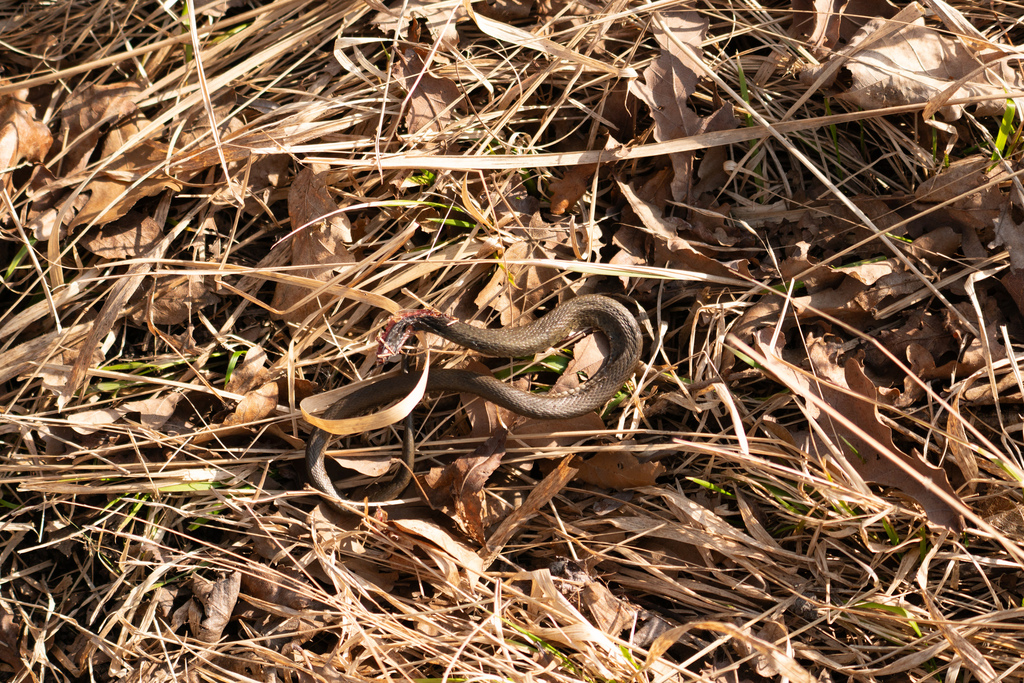
Snakes of Slovakia
Slovakia is a landlocked Central European country whose snake fauna is shaped by a strong contrast in terrain. The north and center are dominated by the Carpathian arc, including the High Tatras, with cool montane forests, rocky slopes, and alpine meadows. The south and east hold warmer lowlands, river valleys, wetlands along the Danube and its tributaries, and dry grassy hillsides. This mix of cold uplands and warmer lowlands gives the country a modest snake diversity that tracks elevation and warmth, with more species concentrated in the milder south. Our database records 7 snake species in Slovakia, of which 1 is venomous, so the great majority are non-venomous.
The one venomous snake in Slovakia belongs to the viper group, the only family of medically significant snakes in the region. Vipers here are stout, relatively short snakes with a triangular head and a dark, often zigzag, dorsal pattern. They favor cooler and rocky habitats, mountain margins, forest clearings, peat bogs, and sun-warmed slopes, where they bask and hunt small prey. They are not aggressive and rely on camouflage, biting defensively only when stepped on, cornered, or handled. Most encounters end with the snake retreating if given space.
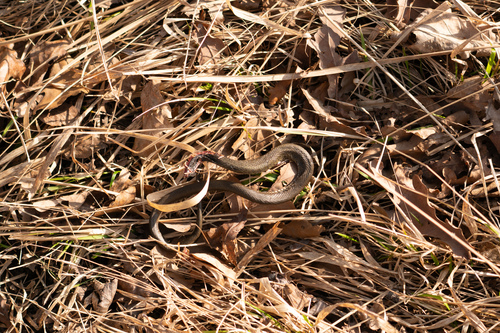
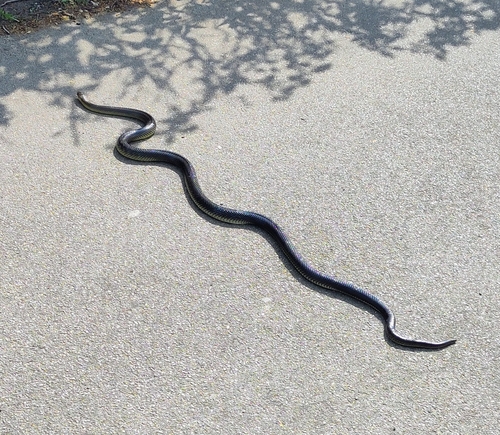
The harmless majority makes up the rest of the fauna. Grass snakes are among the most familiar, often found near water and frequently identified by pale markings behind the head; they are strong swimmers that feed on amphibians and fish. Slovakia also hosts smooth snakes, slender and secretive constrictors of dry stony ground, and members of the larger colubrid group that climb, hunt rodents and lizards, and pose no danger to people. These non-venomous snakes are shy, fast to flee, and far more often heard moving through leaf litter than actually seen.
Snakes are valuable parts of Slovakia's ecosystems. As mid-level predators they help control rodents, including agricultural pests, while also taking amphibians, lizards, and insects. In turn they are prey for birds of prey, foxes, and other carnivores, linking small animals to larger ones in the food web. Their presence is a useful indicator of healthy, undisturbed habitat, especially in wetlands and mountain ecosystems that are sensitive to land use change.
On safety, the practical picture is reassuring: nearly all snakes you might meet in Slovakia are harmless, and the single venomous group is shy and avoids people. The main medical threat is a bite from a viper, which is uncommon and rarely life threatening to a healthy adult but can cause significant local swelling, pain, and other effects, and is more serious for children, older adults, and pets. The correct response to any suspected venomous bite is professional medical care: a venomous snakebite is treated at a hospital, with antivenom and supportive care where indicated. Never handle, corner, or try to kill a wild snake, including ones that look harmless, since this is when most bites happen. If a bite occurs, contact local emergency services without delay, or in the United States call Poison Control at 1-800-222-1222.
Snakes in Slovakia: FAQ
- Are there venomous snakes in Slovakia?
- Yes. 1 venomous snake species has verified records in Slovakia, including Adder. Most snakes in Slovakia, however, are harmless.
- How many snake species live in Slovakia?
- 7 snake species have verified records in Slovakia, of which 1 is venomous.
- What is the most commonly seen snake in Slovakia?
- The Grass Snake is the most frequently reported snake in Slovakia, based on verified wildlife observations.
- What should I do if I see a venomous snake in Slovakia?
- Keep your distance and do not try to catch or kill it. Most bites happen when people handle or corner a snake. If someone is bitten, contact local emergency services or poison control immediately.
Venomous snakes in Slovakia
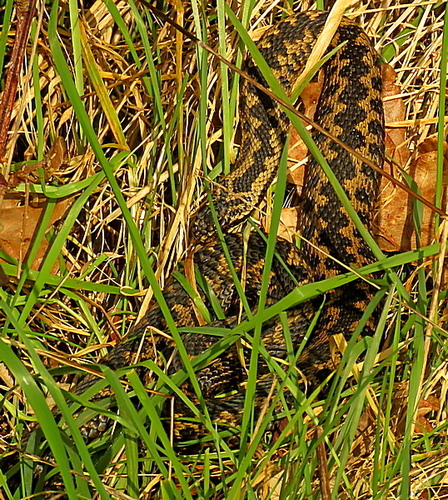
Every snake recorded in Slovakia
7 species across 2 families, grouped by family. Venomous flagged.
Colubridae (6)
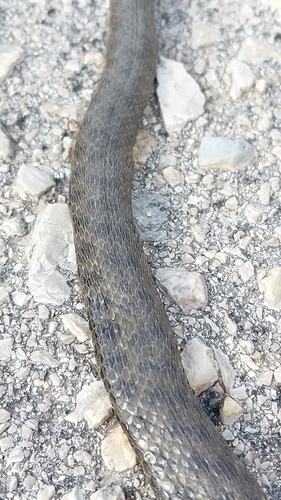
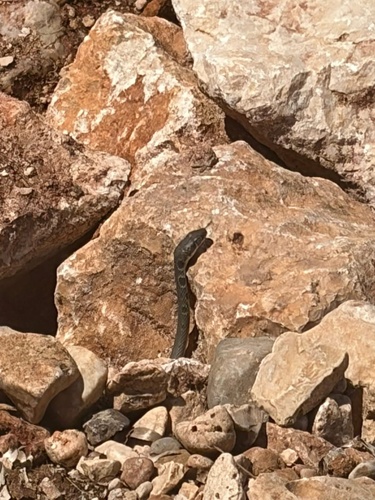
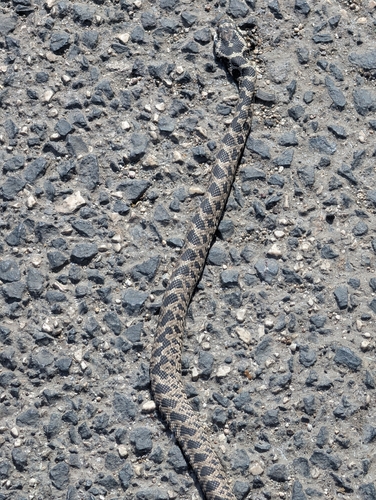
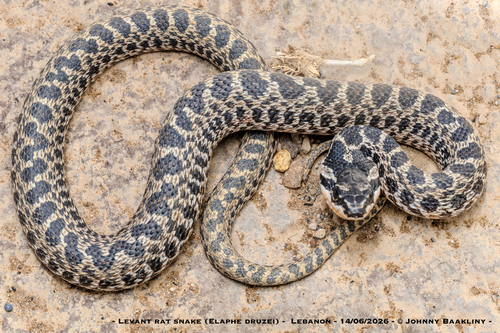
Viperidae (1)
Compiled from verified GBIF & iNaturalist observations. "How often seen" reflects how frequently a snake is reported here, not how dangerous it is. Informational only.
Keep learning
- Are Snakes Dangerous? The Real Risk, in PerspectiveMost snakes are harmless and avoid people. Here is the honest picture of snakebite risk worldwide and how to lower your own.
- Snakebite First Aid: What to Do (and What Never to Do)A clear, CDC-based guide to snakebite first aid: the steps that help, the popular myths that hurt, and how to tell a serious bite from a minor one.
- Venomous vs Nonvenomous: How to Tell the DifferenceThe folk rules for telling venomous snakes apart, where each one fails, and why location-based identification beats guessing by sight.
- What to Do If You Find a SnakeFound a snake at home or on a trail? Here is how to stay calm, give it space, identify it safely, and know when to call a professional.