
Saint Vincent and the Grenadines
Snakes in Saint Vincent and the Grenadines
8 snake species have been recorded in Saint Vincent and the Grenadines, and none are venomous.
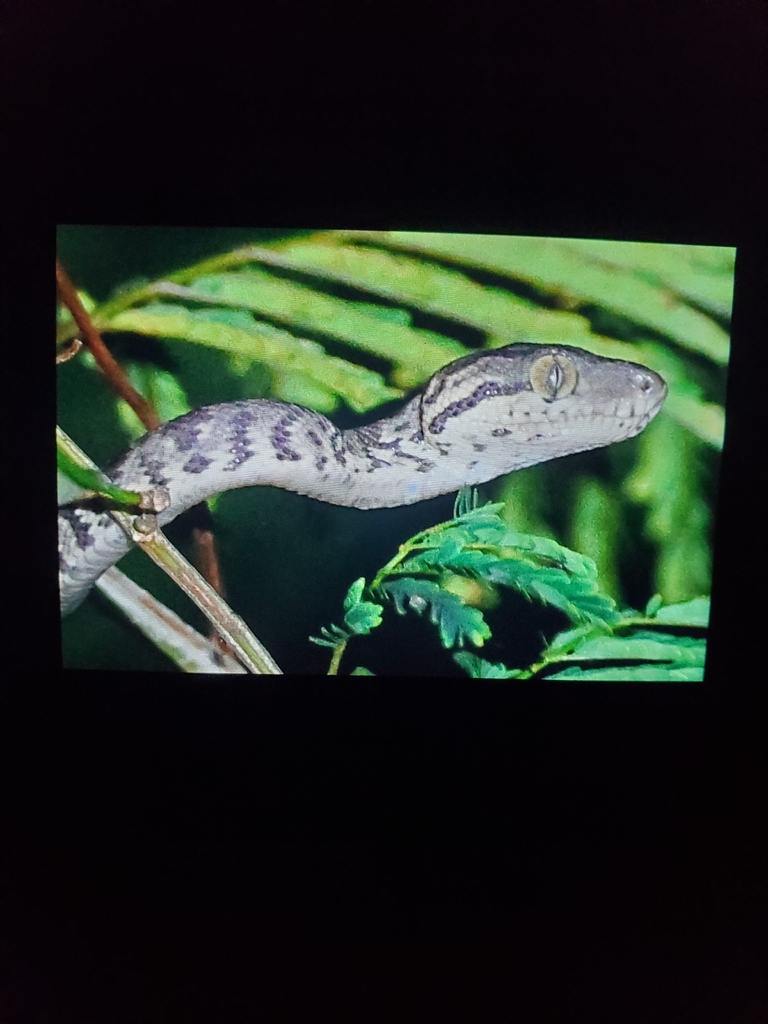
Snakes of Saint Vincent and the Grenadines
Saint Vincent and the Grenadines is a small volcanic archipelago in the eastern Caribbean, made up of the main island of Saint Vincent and a chain of smaller islands and cays running south toward Grenada. The terrain ranges from the steep rainforested slopes of La Soufriere volcano on Saint Vincent to dry coastal scrub, agricultural land, and beach margins across the lower Grenadines. This mix of wet upland forest and drier lowland habitat gives the country a modest but distinct snake fauna. Our database records 8 snake species across these islands, none of them recorded as venomous to people.
The venomous snake situation here is simple and worth stating plainly. Saint Vincent and the Grenadines has no established population of dangerously venomous land snakes. The country sits outside the natural range of the pit vipers and coral snakes that occur on the South American mainland and on nearby Trinidad and Tobago, and the deep-water gaps between islands have kept those groups out. None of the 8 species in our database are recorded as venomous. The practical takeaway is that a snake encountered on Saint Vincent or in the Grenadines is, by the documented fauna, almost certainly harmless to humans.
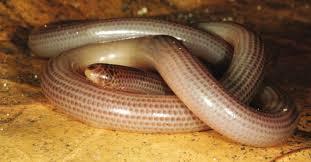
The harmless majority is what defines snake life here. The islands host small, secretive snakes such as blind snakes, which are tiny burrowing animals often mistaken for earthworms, along with non-venomous colubrid-type snakes that hunt frogs, lizards, and small prey in forest leaf litter and garden edges. These are slender, non-aggressive animals that pose no danger and spend much of their time hidden under cover. Visitors and residents far more often hear about lizards and frogs than encounter a snake, reflecting how unobtrusive the local serpents are.
Snakes play a quiet but useful ecological role on these islands. Burrowing blind snakes feed on ant and termite brood, helping limit insect colonies in soil, while the larger non-venomous species help control populations of frogs, lizards, and other small animals. On small islands where food webs are simple and easily disturbed, these native predators help keep the system in balance. Habitat loss and introduced predators are bigger threats to the snakes than the snakes are to anyone, so leaving them undisturbed supports the wider island ecosystem.
On safety, the honest summary is reassuring: the documented snakes of Saint Vincent and the Grenadines are harmless, and there is no significant venomous-snakebite threat from the recorded fauna. Even so, never handle a wild snake, since identification can be mistaken and any animal may bite when cornered. If a bite occurs or you are concerned about an exposure, treat it as a medical matter: the right response is professional medical evaluation at a hospital, with antivenom care reserved for the rare cases where a clinician determines it is needed. Contact local emergency services, or in the United States reach Poison Control at 1-800-222-1222 for guidance. Do not rely on improvised first aid.
Snakes in Saint Vincent and the Grenadines: FAQ
- Are there venomous snakes in Saint Vincent and the Grenadines?
- No venomous snakes have verified records in Saint Vincent and the Grenadines. Every snake recorded here is harmless to humans, though any snake may bite defensively if handled.
- How many snake species live in Saint Vincent and the Grenadines?
- 8 snake species have verified records in Saint Vincent and the Grenadines.
- What is the most commonly seen snake in Saint Vincent and the Grenadines?
- The Grenada Bank Boa is the most frequently reported snake in Saint Vincent and the Grenadines, based on verified wildlife observations.
Every snake recorded in Saint Vincent and the Grenadines
8 species across 3 families, grouped by family. Venomous flagged.
Boidae (4)

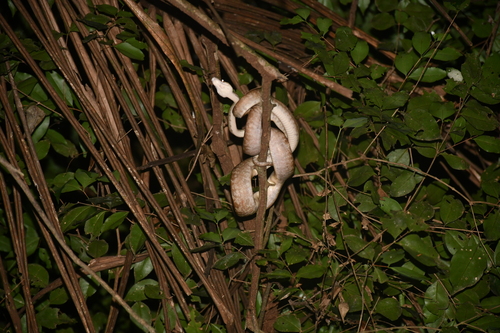
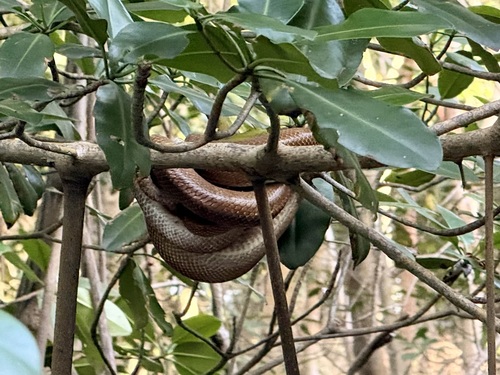
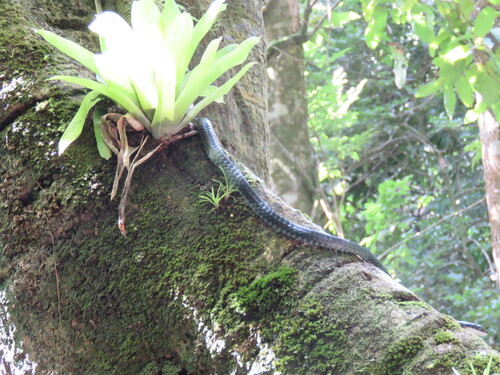
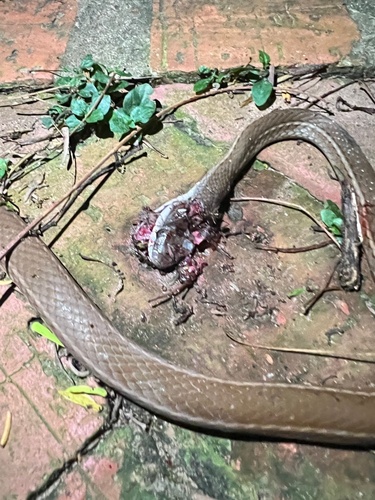
Colubridae (3)

Typhlopidae (1)
Compiled from verified GBIF & iNaturalist observations. "How often seen" reflects how frequently a snake is reported here, not how dangerous it is. Informational only.
Keep learning
- What Is a Snake? Anatomy and the BasicsA clear overview of what makes a snake a snake: limbless body plan, anatomy, evolution from lizards, species diversity, and why they are ectothermic.
- What to Do If You Find a SnakeFound a snake at home or on a trail? Here is how to stay calm, give it space, identify it safely, and know when to call a professional.
- How to Keep Snakes Out of Your Yard and HomeA practical guide to keeping snakes out of your yard and home using habitat changes that work, plus what to skip and what to do if one shows up.
- Are Snakes Dangerous? The Real Risk, in PerspectiveMost snakes are harmless and avoid people. Here is the honest picture of snakebite risk worldwide and how to lower your own.