
Kosovo
Snakes in Kosovo
8 snake species have been recorded in Kosovo, 2 venomous.
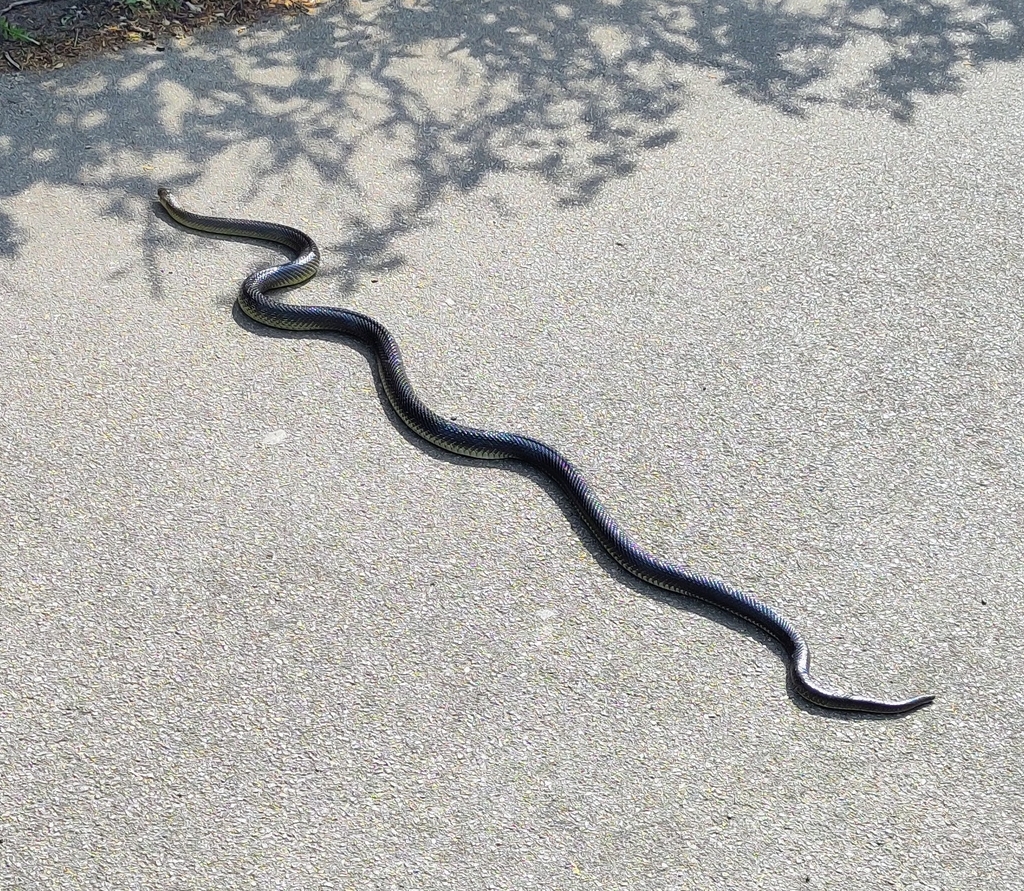
Snakes of Kosovo
Kosovo has 8 snake species recorded in our database, 2 of them venomous. The great majority of species are non-venomous. This is a small, landlocked country in the central Balkans, and its snake fauna reflects that: a modest but characteristic set of species shaped by mountainous terrain and a continental climate with warm summers and cold winters.
Geography drives where these snakes live. Kosovo is a high basin ringed by mountains, including the Sharr range and the Accursed Mountains, with the Drin and Ibar river systems cutting through. Snakes concentrate in the warmer, lower habitats: sunny rocky hillsides, dry stone walls, scrubland, forest edges, farmland margins, and the banks of rivers and wetlands. Rocky south-facing slopes that hold heat are especially good basking ground, while water snakes favor streams, ponds, and irrigation channels. At higher, colder elevations snake activity drops off, and all species spend the cold months inactive in shelters below ground.
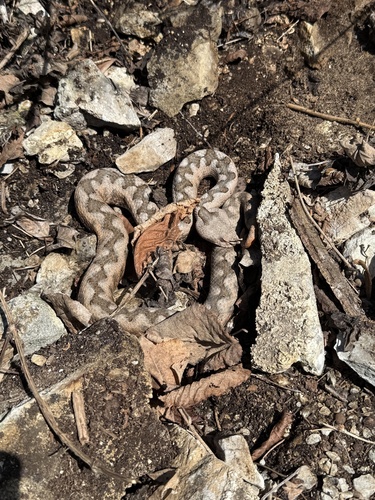
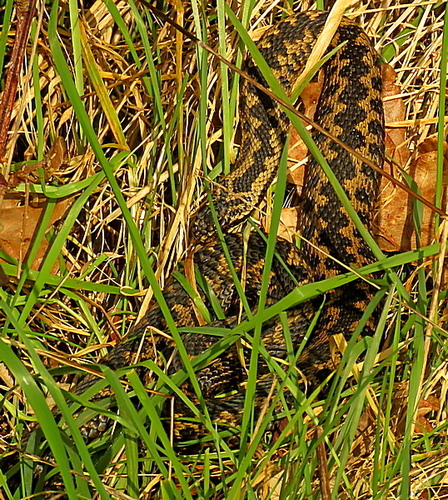
The venomous snakes present belong to the viper family (Vipera). The Balkans are home to the nose-horned viper group and related vipers of upland and rocky habitat, and it is vipers of this kind, not any other family, that account for the venomous species here. They are typically stout-bodied, slow-moving ambush predators that rely on camouflage and prefer to stay still rather than confront. The remaining species, the large majority, are non-venomous: this group in the region includes grass snakes and dice snakes associated with water, along with whip snakes, ratsnakes, and smaller colubrids found in dry and brushy terrain. These harmless snakes are the ones people encounter most often.
Snakes are a working part of Kosovo's ecosystems. They control populations of rodents, which protects stored grain and reduces crop damage, and they prey on insects, amphibians, and other small animals depending on the species. In turn they are food for birds of prey, foxes, and other predators. A landscape with healthy snake numbers is generally a landscape with a balanced food web, which is why these animals are best left undisturbed where they live.
On safety: most snakes in Kosovo are harmless, and the main medical concern is a bite from a viper. Bites are uncommon and usually happen when a snake is stepped on, cornered, or handled. Never handle a wild snake, and never assume one is harmless on sight, since identification is unreliable in the field. There are no safe do-it-yourself remedies for a venomous bite. The correct response to any bite you think may be from a venomous snake is to get to a hospital, where antivenom and supportive medical care are the established treatment. In an emergency contact local emergency services, or in the United States contact Poison Control at 1-800-222-1222.
Snakes in Kosovo: FAQ
- Are there venomous snakes in Kosovo?
- Yes. 2 venomous snake species have verified records in Kosovo, including Nose-horned Viper, Adder. Most snakes in Kosovo, however, are harmless.
- How many snake species live in Kosovo?
- 8 snake species have verified records in Kosovo, of which 2 are venomous.
- What is the most commonly seen snake in Kosovo?
- The Aesculapian Snake is the most frequently reported snake in Kosovo, based on verified wildlife observations.
- What should I do if I see a venomous snake in Kosovo?
- Keep your distance and do not try to catch or kill it. Most bites happen when people handle or corner a snake. If someone is bitten, contact local emergency services or poison control immediately.
Venomous snakes in Kosovo
Every snake recorded in Kosovo
8 species across 2 families, grouped by family. Venomous flagged.
Colubridae (6)
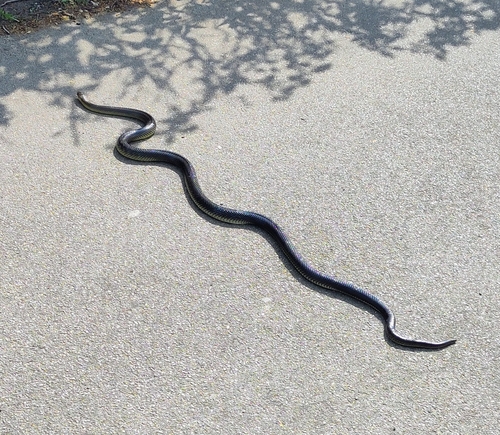
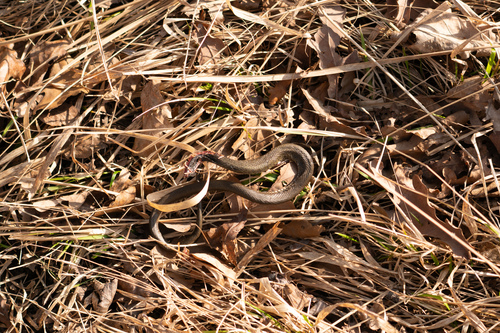
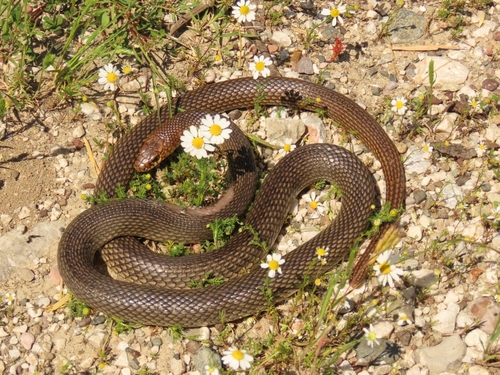
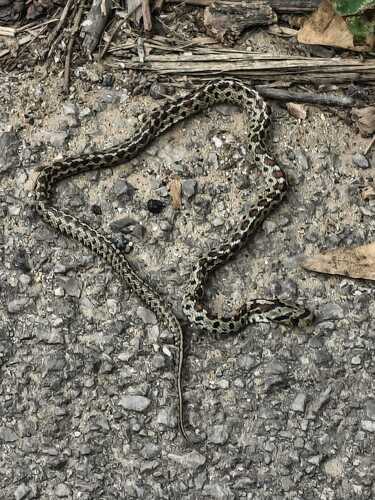
Compiled from verified GBIF & iNaturalist observations. "How often seen" reflects how frequently a snake is reported here, not how dangerous it is. Informational only.
Keep learning
- Are Snakes Dangerous? The Real Risk, in PerspectiveMost snakes are harmless and avoid people. Here is the honest picture of snakebite risk worldwide and how to lower your own.
- Snakebite First Aid: What to Do (and What Never to Do)A clear, CDC-based guide to snakebite first aid: the steps that help, the popular myths that hurt, and how to tell a serious bite from a minor one.
- Venomous vs Nonvenomous: How to Tell the DifferenceThe folk rules for telling venomous snakes apart, where each one fails, and why location-based identification beats guessing by sight.
- What to Do If You Find a SnakeFound a snake at home or on a trail? Here is how to stay calm, give it space, identify it safely, and know when to call a professional.