
Grenada
Snakes in Grenada
11 snake species have been recorded in Grenada, and none are venomous.
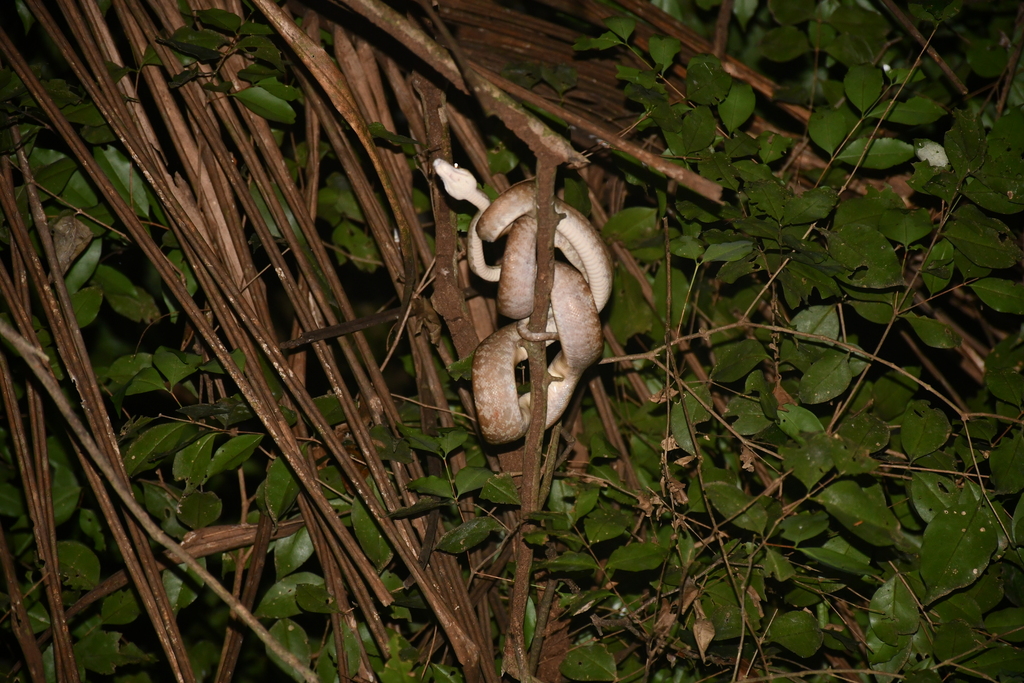
Snakes of Grenada
Grenada is a small volcanic island nation in the southeastern Caribbean, sitting near the bottom of the Lesser Antilles arc just north of Trinidad and Venezuela. Its terrain runs from coastal mangroves and dry scrub on the lowlands up through agricultural land and into the cool, wet montane rainforest of the central highlands around Grand Etang. This compression of habitats into a small area, combined with the island's isolation by sea, gives Grenada a modest but distinctive snake fauna. Our database records 11 snake species across the country, and none of them are recorded as venomous.
On the question of dangerous snakes, Grenada is straightforward. Unlike the nearby South American mainland or the larger Antillean islands, Grenada has no established population of front-fanged venomous snakes capable of causing serious envenomation in people. There are no true vipers, pit vipers, or coral snakes among its recorded fauna. The small lizard-eating and rear-fanged colubrids that do occur on the island are not considered a meaningful medical threat to humans. In practical terms, this is a place where the snakes you encounter are harmless to people, which is the case across many of the smaller Lesser Antillean islands.
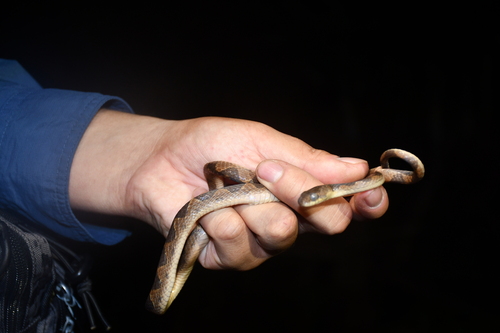
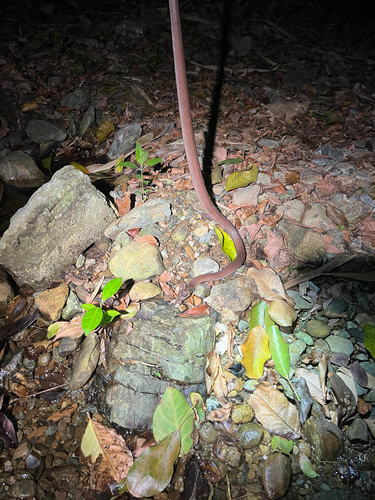
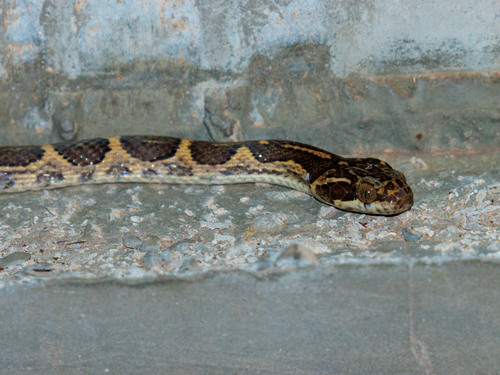
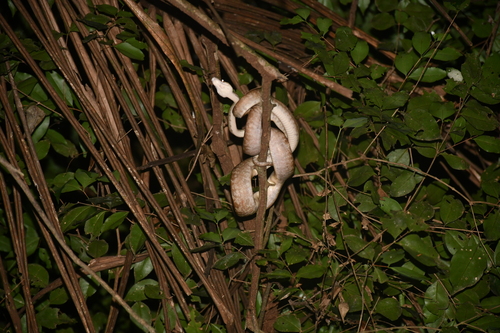
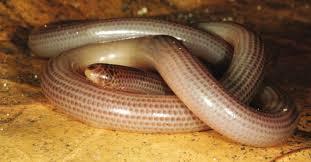
The harmless majority defines the island's snake life. The fauna is dominated by small to mid-sized non-venomous snakes adapted to island living, including slender ground and tree snakes that hunt frogs, lizards, and large insects, and small burrowing blindsnake-type species that live in soil and leaf litter and feed largely on ant and termite larvae. Constricting snakes that subdue prey by coiling rather than by venom are also part of the regional picture. These species are generally secretive, more active around dawn, dusk, and after rain, and most people on the island go about daily life rarely seeing one.
Ecologically, these snakes do quiet but important work. As mid-level predators they keep rodent, frog, lizard, and insect numbers in check, and in turn they feed hawks, herons, and other island predators, linking the forest floor to the canopy and the food web above. On a small island where every native species carries extra weight, snakes help hold the system in balance, and they are vulnerable to the same pressures that threaten island wildlife generally, including habitat loss and introduced predators.
For safety, the honest summary is reassuring. The recorded snakes of Grenada are not a venom threat to people, and the country has no established dangerously venomous species. Even so, no wild snake should be picked up or handled, because a frightened animal can bite and any bite can introduce infection. If a person is bitten by a snake and there is any uncertainty, treat it as a medical matter rather than attempting to manage it yourself: the correct response is professional medical care, where envenomation, if it ever occurred, is treated with antivenom and supportive hospital care. In the United States contact Poison Control at 1-800-222-1222, and anywhere else contact local emergency services.
Snakes in Grenada: FAQ
- Are there venomous snakes in Grenada?
- No venomous snakes have verified records in Grenada. Every snake recorded here is harmless to humans, though any snake may bite defensively if handled.
- How many snake species live in Grenada?
- 11 snake species have verified records in Grenada.
- What is the most commonly seen snake in Grenada?
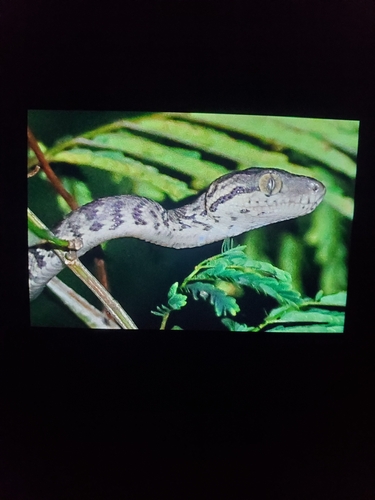
- The Garden Tree Boa is the most frequently reported snake in Grenada, based on verified wildlife observations.
Every snake recorded in Grenada
11 species across 3 families, grouped by family. Venomous flagged.
Colubridae (7)

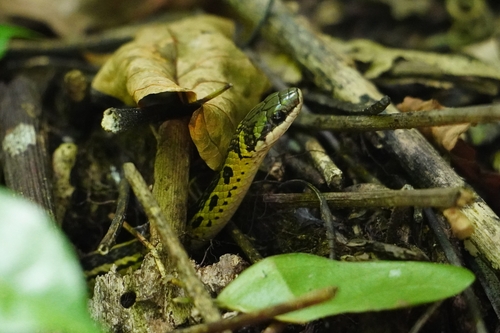
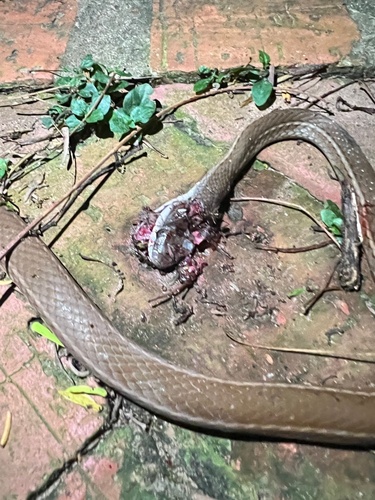
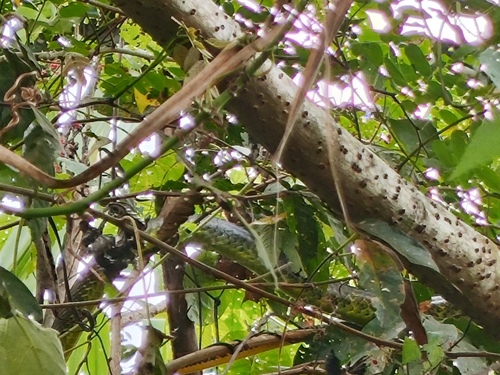
Boidae (3)

Typhlopidae (1)
Compiled from verified GBIF & iNaturalist observations. "How often seen" reflects how frequently a snake is reported here, not how dangerous it is. Informational only.
Keep learning
- What Is a Snake? Anatomy and the BasicsA clear overview of what makes a snake a snake: limbless body plan, anatomy, evolution from lizards, species diversity, and why they are ectothermic.
- What to Do If You Find a SnakeFound a snake at home or on a trail? Here is how to stay calm, give it space, identify it safely, and know when to call a professional.
- How to Keep Snakes Out of Your Yard and HomeA practical guide to keeping snakes out of your yard and home using habitat changes that work, plus what to skip and what to do if one shows up.
- Are Snakes Dangerous? The Real Risk, in PerspectiveMost snakes are harmless and avoid people. Here is the honest picture of snakebite risk worldwide and how to lower your own.