
Czechia
Snakes in Czechia
7 snake species have been recorded in Czechia, 1 venomous.
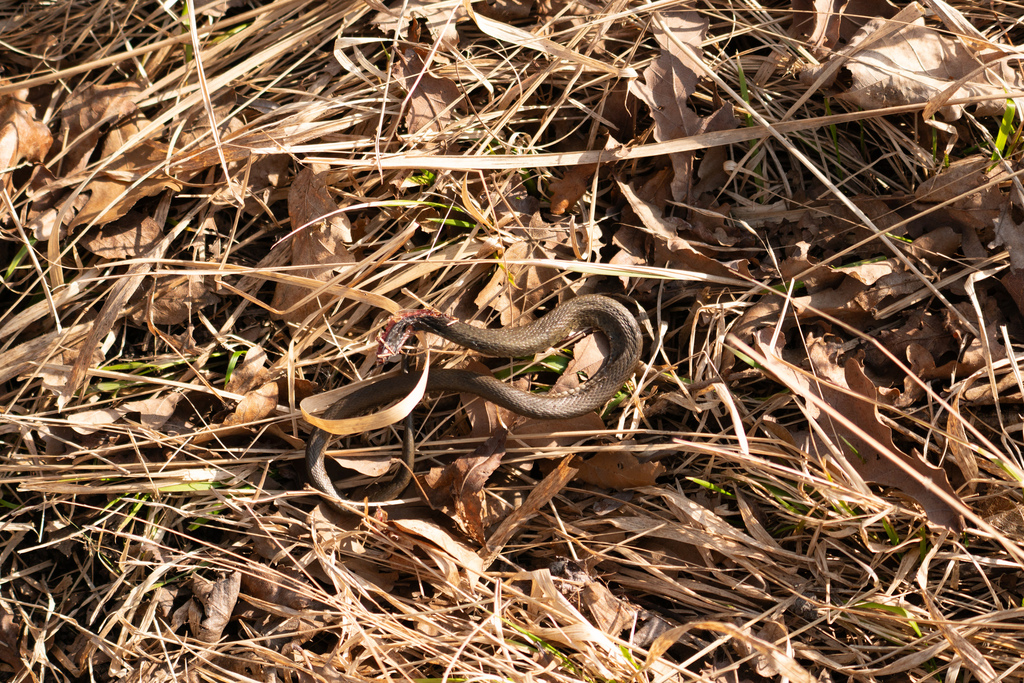
Snakes of Czechia
Czechia is a landlocked country in Central Europe, and its snake fauna reflects that temperate, four-season setting. Our database records 8 snake species here, only 2 of which are venomous. The landscape is varied: the rolling hills and forests of Bohemia, the warmer lowlands and river valleys of Moravia, limestone karst country, sun-warmed rocky slopes, wetlands, and the cooler higher ground of the surrounding mountain ranges. Because snakes are ectotherms that depend on outside warmth, they cluster where the sun reaches the ground. South-facing stony slopes, forest edges, hedgerows, riverbanks, ponds, and old stone walls are the places they are most often found, while the cold, shaded high mountains hold very few.
The venomous side of this fauna is small and well understood. The only medically significant venomous snake established in Czechia is the European adder, a viper of the genus Vipera. It is a stout, short snake usually marked with a dark zigzag down the back, and it favors heathland, forest clearings, bog margins, and rocky hillsides. The adder is not aggressive and bites people only when stepped on, cornered, or handled. Its venom is far weaker than that of tropical vipers, and serious outcomes are uncommon, but a bite is still a genuine medical event that needs prompt professional care. The country has no cobras, no mambas, and no large or fast-acting venomous species. The second venomous entry in our database reflects a second viper presence rather than any dramatic new threat, and the broad picture holds: venomous snakes here are few, slow, and avoidable.
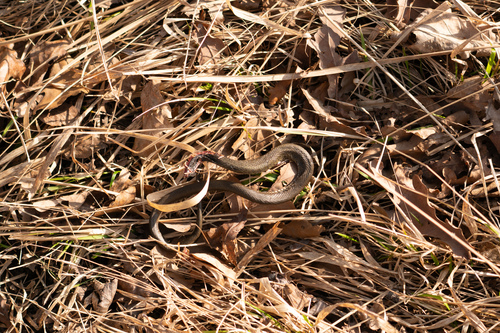
The clear majority of Czech snakes are harmless and pose no danger to people. The most familiar is the grass snake, a long, slender snake often seen near water and recognized by the pale crescent markings behind its head. It is an excellent swimmer and eats amphibians and fish. Nearby damp habitats may also hold the dice snake, another strong-swimming water-loving species. On warmer, drier slopes you can find the Aesculapian snake, a large, smooth, climbing constrictor that is completely non-venomous and is the iconic snake of European symbolism, the serpent coiled on the rod of medicine. The smooth snake, smaller and secretive, rounds out the group of widespread harmless species. None of these constrict or bite as a danger to humans, and they are a normal, healthy part of the Czech countryside.
Snakes earn their place in these ecosystems. As mid-level predators they keep rodent, frog, fish, and lizard populations in balance, and in turn they feed birds of prey, foxes, and other carnivores. The rodent control alone is a quiet service to farms, gardens, and stored grain. A landscape that still supports its full range of snakes is usually a landscape with intact food chains and clean water, which is why several of these species are legally protected and treated as indicators of habitat health.
For safety, the honest summary is reassuring. Most snakes you might meet in Czechia are harmless, and even the adder is shy and rarely bites. The one species worth real respect is the European adder, and the correct response to any venomous snakebite is the same everywhere: get the person to a hospital quickly, because professional medical care and antivenom when needed are the treatment. No wild snake should be picked up or handled, venomous or not, since identification mistakes happen and a frightened snake will defend itself. If a bite occurs, call local emergency services right away, or in the United States contact Poison Control at 1-800-222-1222, and let trained responders manage it.
Snakes in Czechia: FAQ
- Are there venomous snakes in Czechia?
- Yes. 1 venomous snake species has verified records in Czechia, including Adder. Most snakes in Czechia, however, are harmless.
- How many snake species live in Czechia?
- 7 snake species have verified records in Czechia, of which 1 is venomous.
- What is the most commonly seen snake in Czechia?
- The Grass Snake is the most frequently reported snake in Czechia, based on verified wildlife observations.
- What should I do if I see a venomous snake in Czechia?
- Keep your distance and do not try to catch or kill it. Most bites happen when people handle or corner a snake. If someone is bitten, contact local emergency services or poison control immediately.
Venomous snakes in Czechia
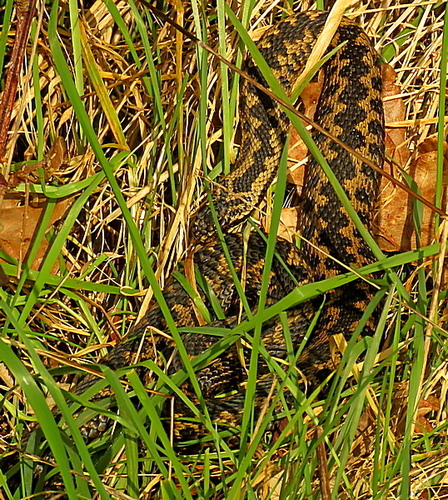
Every snake recorded in Czechia
7 species across 3 families, grouped by family. Venomous flagged.
Colubridae (5)
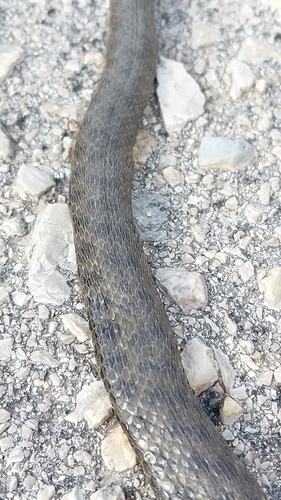
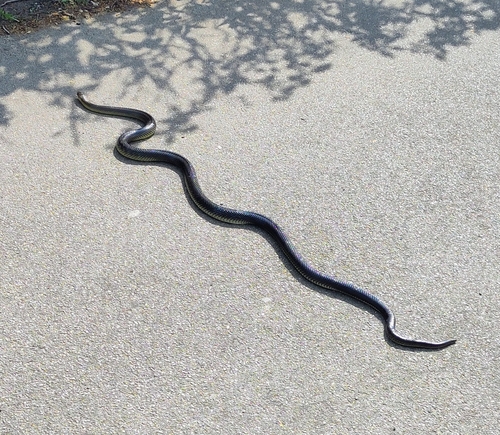
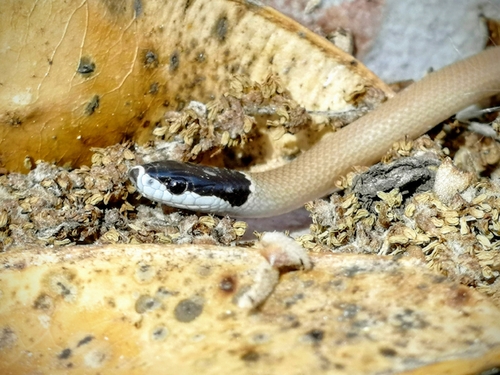
Viperidae (1)
Psammophiidae (1)
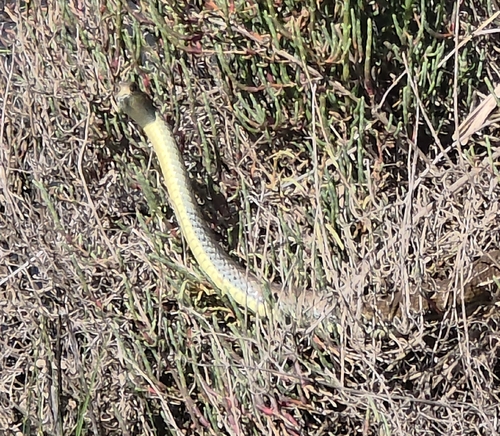
Compiled from verified GBIF & iNaturalist observations. "How often seen" reflects how frequently a snake is reported here, not how dangerous it is. Informational only.
Keep learning
- Are Snakes Dangerous? The Real Risk, in PerspectiveMost snakes are harmless and avoid people. Here is the honest picture of snakebite risk worldwide and how to lower your own.
- Snakebite First Aid: What to Do (and What Never to Do)A clear, CDC-based guide to snakebite first aid: the steps that help, the popular myths that hurt, and how to tell a serious bite from a minor one.
- Venomous vs Nonvenomous: How to Tell the DifferenceThe folk rules for telling venomous snakes apart, where each one fails, and why location-based identification beats guessing by sight.
- What to Do If You Find a SnakeFound a snake at home or on a trail? Here is how to stay calm, give it space, identify it safely, and know when to call a professional.