
Cocos Islands
Snakes in Cocos Islands
3 snake species have been recorded in Cocos Islands, and none are venomous.
Snakes of Cocos Islands
The Cocos (Keeling) Islands are a remote Australian external territory in the eastern Indian Ocean, made up of two low coral atolls and a scatter of small islands ringing shallow lagoons. The land is flat, sandy, and rarely more than a few meters above sea level, dominated by coconut palms, coastal scrub, and beach strand vegetation. This is a tiny, isolated tropical setting, and isolation of this kind tends to produce a thin land snake fauna. Our database records 3 snake species for the territory, none of them venomous. As on many small oceanic islands, the snake life present here is limited and shaped far more by what could reach or be carried to the atolls than by a broad native radiation.
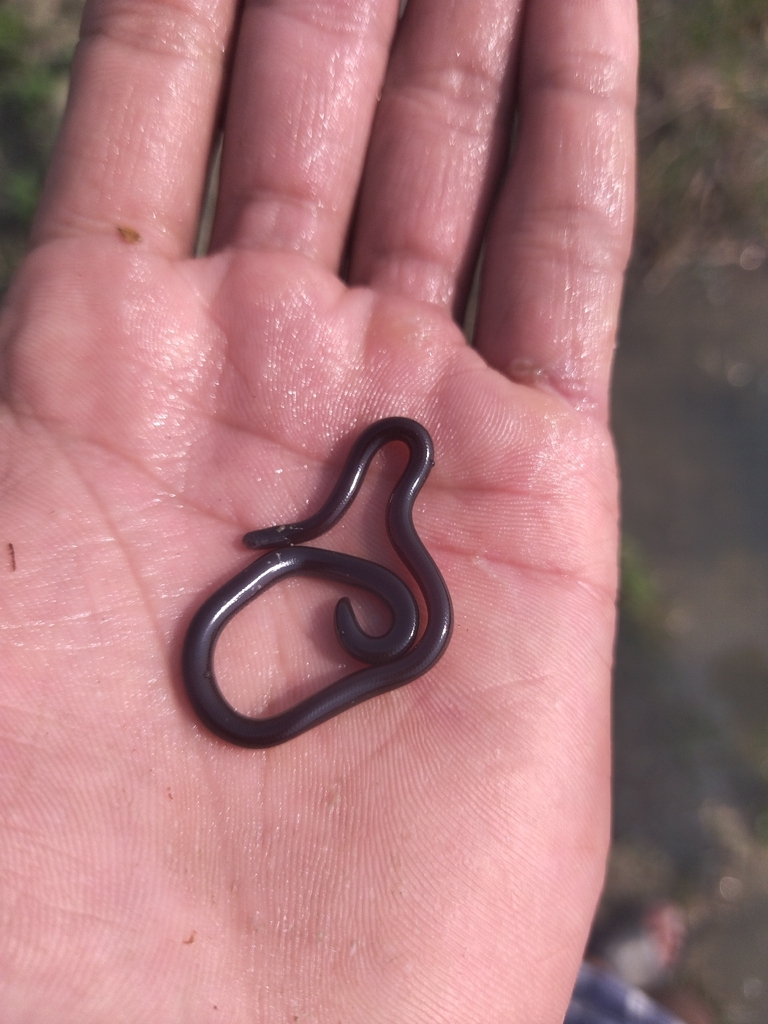
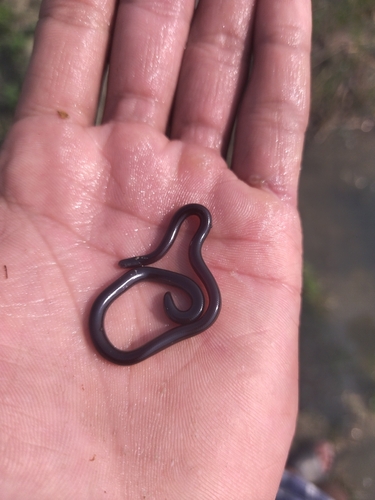
There are no established dangerously venomous land snakes recorded on the Cocos (Keeling) Islands. The terrestrial snakes associated with small islands like these are typically harmless and small bodied, and several are species that spread widely across the tropics through human movement and floating debris. The clearest example worldwide is the tiny burrowing blindsnake of the family Typhlopidae, a soil dwelling, worm like snake often mistaken for an earthworm; it is non-venomous and harmless to people. The surrounding Indian Ocean is true sea snake habitat, and venomous marine elapids can occur in tropical waters of the region, but these are creatures of the reef and open sea rather than the land, and they are not the same as a land based snake threat.
The honest summary for this territory is that the great majority of snakes here are non-venomous, and the recorded land species fall into the harmless category. Small burrowing and ground dwelling snakes spend most of their lives out of sight, under leaf litter, sand, and coconut husk debris, which is why residents and visitors rarely encounter them. There is no large, conspicuous, or iconic dangerous land snake that defines the islands. What snake presence exists is quiet, low to the ground, and easy to overlook.
Even small and unremarkable snakes earn their place in an island ecosystem. Burrowing blindsnakes feed on the eggs, larvae, and pupae of ants and termites, which helps regulate insect populations in the soil. Ground snakes more broadly keep small invertebrate and vertebrate numbers in check and serve in turn as prey for birds and other predators. On a confined atoll where every link in the food web carries weight, these animals contribute to the balance of the soil and litter community.
On safety, the practical reality is reassuring: the snakes recorded on land here are non-venomous, and there is no established dangerous land snake to fear. Still, no wild snake should ever be handled, and a snake should never be assumed safe to pick up based on appearance alone, since identification in the field is unreliable. If a bite occurs, or if anyone is bitten by a sea snake in the surrounding waters, treat it as a medical emergency: seek hospital care immediately, where antivenom and supportive treatment are available when needed. In the United States, Poison Control can be reached at 1-800-222-1222; elsewhere, contact local emergency services. Medical professionals provide the treatment, not field remedies.
Snakes in Cocos Islands: FAQ
- Are there venomous snakes in Cocos Islands?
- No venomous snakes have verified records in Cocos Islands. Every snake recorded here is harmless to humans, though any snake may bite defensively if handled.
- How many snake species live in Cocos Islands?
- 3 snake species have verified records in Cocos Islands.
- What is the most commonly seen snake in Cocos Islands?
- The Brahminy Blindsnake is the most frequently reported snake in Cocos Islands, based on verified wildlife observations.
Every snake recorded in Cocos Islands
3 species across 3 families, grouped by family. Venomous flagged.
Typhlopidae (1)
Pythonidae (1)
Colubridae (1)
Compiled from verified GBIF & iNaturalist observations. "How often seen" reflects how frequently a snake is reported here, not how dangerous it is. Informational only.
Keep learning
- What Is a Snake? Anatomy and the BasicsA clear overview of what makes a snake a snake: limbless body plan, anatomy, evolution from lizards, species diversity, and why they are ectothermic.
- What to Do If You Find a SnakeFound a snake at home or on a trail? Here is how to stay calm, give it space, identify it safely, and know when to call a professional.
- How to Keep Snakes Out of Your Yard and HomeA practical guide to keeping snakes out of your yard and home using habitat changes that work, plus what to skip and what to do if one shows up.
- Are Snakes Dangerous? The Real Risk, in PerspectiveMost snakes are harmless and avoid people. Here is the honest picture of snakebite risk worldwide and how to lower your own.