
Bonaire, Sint Eustatius and Saba
Snakes in Bonaire, Sint Eustatius and Saba
4 snake species have been recorded in Bonaire, Sint Eustatius and Saba, and none are venomous.
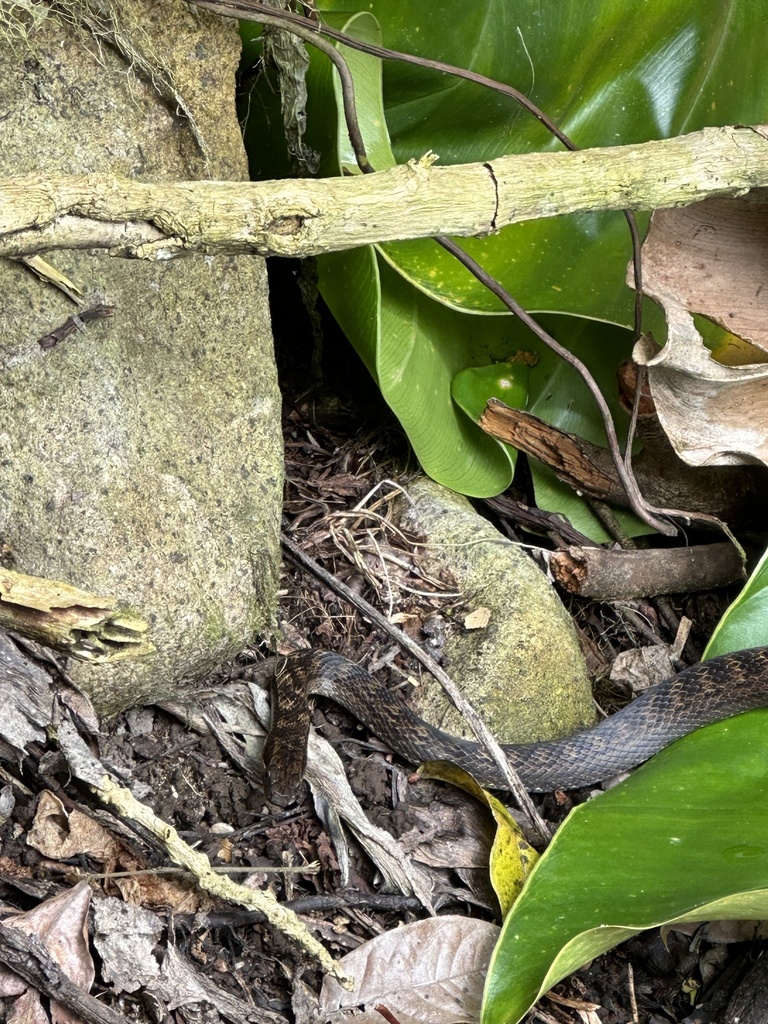
Snakes of Bonaire, Sint Eustatius and Saba
Bonaire, Sint Eustatius and Saba are three small Caribbean islands, the so-called BES islands, lying in two different parts of the region. Bonaire sits off the coast of Venezuela in the southern Caribbean and is dry and low, with cactus scrub, limestone terraces, and arid coastal flats. Saba and Sint Eustatius are tiny volcanic islands further north in the Lesser Antilles, steep and green, rising to forested upper slopes. This split geography is the key to understanding the snake fauna. Island size strongly limits how many snake species can persist, and these are among the smaller landmasses in the Caribbean, so the recorded diversity is low. Our database lists 4 snake species across the three islands, and none of them is recorded as venomous.
There are no established dangerously venomous snakes on Bonaire, Sint Eustatius or Saba. The Caribbean islands in general are poor in front-fanged venomous snakes, and small islands like these tend to have none at all. None of the 4 species recorded here is venomous in any medically significant sense. A visitor or resident is far more likely to encounter a harmless ground or tree snake than anything capable of serious harm. Where any of these snakes carry mild rear-fanged traits, the effect on humans is negligible. The practical takeaway is plain: these islands do not have a native venomous snake that poses a real threat to people.
The snakes that are present are small and harmless. Bonaire is the richest of the three, home to slender, fast-moving ground snakes and small constrictors typical of the arid southern Caribbean and the nearby South American mainland, along with tiny burrowing blindsnakes that look more like earthworms than serpents and spend their lives in soil and leaf litter eating ants and termites. The volcanic islands of Saba and Sint Eustatius carry an even sparser fauna, with small terrestrial and semi-fossorial snakes adapted to their forested and rocky slopes. None of these animals is aggressive, and all rely on staying hidden rather than confronting larger animals.
Even on islands with few species, snakes do real ecological work. The ground snakes and small constrictors help control populations of lizards, large insects, and rodents, which matters on islands where rodents can damage crops and threaten nesting birds. The burrowing blindsnakes feed on ants and termites and turn over soil as they move through it. In closed island ecosystems with limited land area, these predators are part of what keeps invertebrate and small-vertebrate numbers in balance, and losing them would ripple through the food web.
For safety the message is straightforward: the snakes of these islands are not a danger to people, and there is no established venomous species to worry about. Bites are unlikely and would not be medically serious. Still, no wild snake should ever be picked up or handled, on these islands or anywhere else, because handling stresses the animal and invites a defensive bite. If a person is bitten by any snake and is worried about the wound or any reaction, the right response is to stay calm and seek professional medical care rather than attempting home remedies. In the United States you can reach Poison Control at 1-800-222-1222, and on the islands contact local emergency services. Treatment for any genuine envenomation is hospital care, including antivenom when a clinician judges it necessary.
Snakes in Bonaire, Sint Eustatius and Saba: FAQ
- Are there venomous snakes in Bonaire, Sint Eustatius and Saba?
- No venomous snakes have verified records in Bonaire, Sint Eustatius and Saba. Every snake recorded here is harmless to humans, though any snake may bite defensively if handled.
- How many snake species live in Bonaire, Sint Eustatius and Saba?
- 4 snake species have verified records in Bonaire, Sint Eustatius and Saba.
- What is the most commonly seen snake in Bonaire, Sint Eustatius and Saba?
- The Red-bellied Racer is the most frequently reported snake in Bonaire, Sint Eustatius and Saba, based on verified wildlife observations.
Every snake recorded in Bonaire, Sint Eustatius and Saba
4 species across 3 families, grouped by family. Venomous flagged.
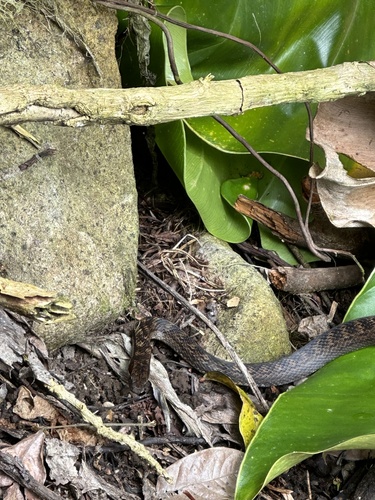
Colubridae (2)
Typhlopidae (1)
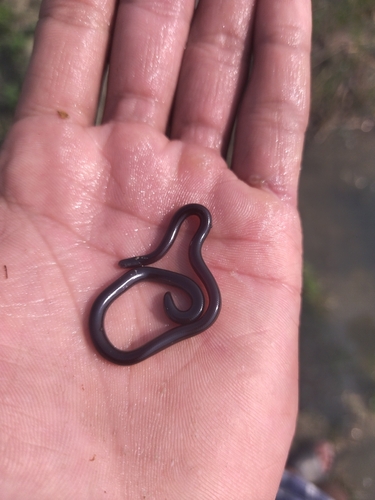
Leptotyphlopidae (1)
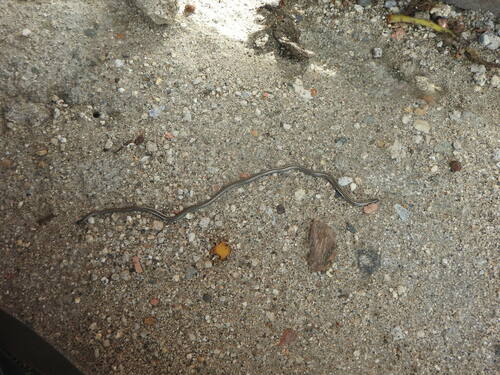
Compiled from verified GBIF & iNaturalist observations. "How often seen" reflects how frequently a snake is reported here, not how dangerous it is. Informational only.
Keep learning
- What Is a Snake? Anatomy and the BasicsA clear overview of what makes a snake a snake: limbless body plan, anatomy, evolution from lizards, species diversity, and why they are ectothermic.
- What to Do If You Find a SnakeFound a snake at home or on a trail? Here is how to stay calm, give it space, identify it safely, and know when to call a professional.
- How to Keep Snakes Out of Your Yard and HomeA practical guide to keeping snakes out of your yard and home using habitat changes that work, plus what to skip and what to do if one shows up.
- Are Snakes Dangerous? The Real Risk, in PerspectiveMost snakes are harmless and avoid people. Here is the honest picture of snakebite risk worldwide and how to lower your own.