
Regional field guide
Snakes in Arizona
50+ snake species have verified records in Arizona, including 16 venomous. Pick your county below to see exactly which snakes live near you.
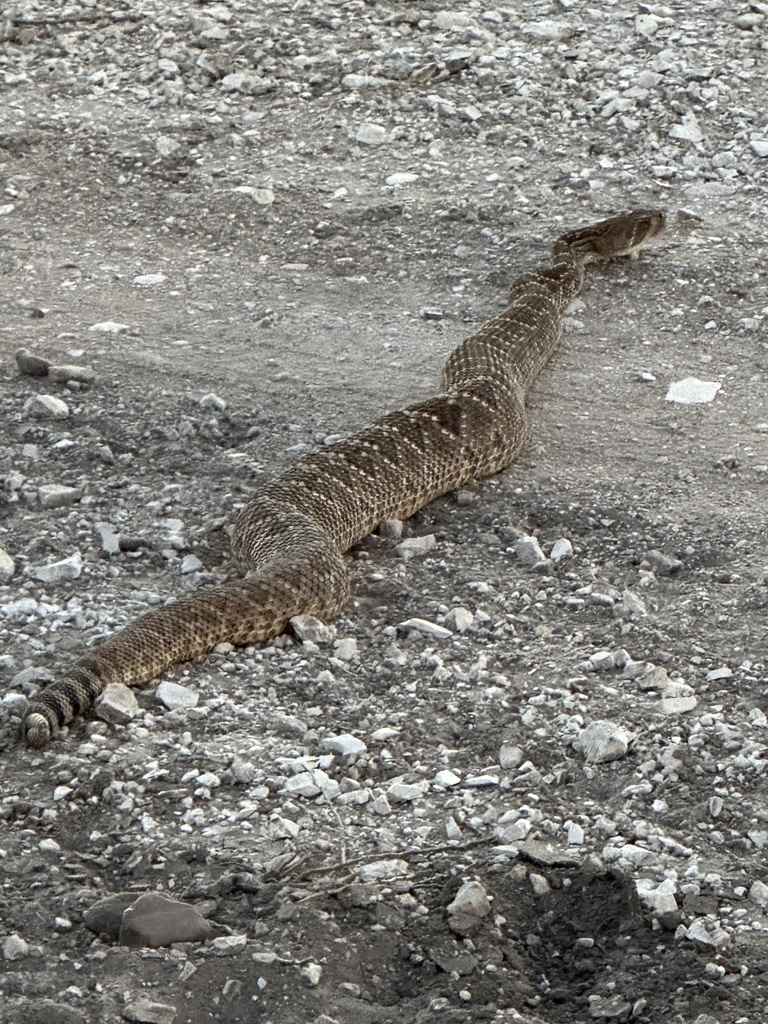
Snakes of Arizona
Arizona is famous among snake enthusiasts, with about 75+ species recorded and 16 of them venomous. Even with that many venomous species, the majority of Arizona's snakes are still harmless. What sets the state apart is its rattlesnakes: Arizona has more species of rattlesnake than any other state in the country, which is why it is so often called the rattlesnake capital of the US. Snakes are most active in the warm months and around the monsoon rains, when they move across desert flats, rocky slopes, and warm roads, but most of what you encounter is non-venomous and eager to avoid you.
That extraordinary diversity comes from Arizona's landscapes. The Sonoran desert covers much of the south and west with saguaro forest, creosote flats, and rocky bajadas, while the southeast carries Chihuahuan desert influence. Rising out of the desert are the sky islands, isolated mountain ranges whose cool, forested, canyon-cut upper slopes act like ecological islands, each one harboring rattlesnakes adapted to that range. The Mogollon Rim and northern high country add yet another set of species. This combination of low hot desert, mountain sky islands, and deep canyons is the single biggest reason Arizona's rattlesnake list runs so long.
The venomous picture is rattlesnake after rattlesnake. The Western Diamond-backed is the big, common desert species, joined by the Western and Prairie Rattlesnakes, the Sidewinder that loops sideways across loose sand, the Speckled and Southwestern Speckled Rattlesnakes, the Tiger and Arizona Black Rattlesnakes, the Western Black-tailed, and the sky-island specialists: the Twin-spotted, Ridge-nosed, and Rock Rattlesnakes that live only on certain mountains. The Mojave Rattlesnake deserves particular respect for its strongly neurotoxic venom. The Western and Eastern Massasauga round out the rattlers. The one non-rattlesnake is the Sonoran Coralsnake, a small, secretive banded elapid that stays hidden in burrows and litter; the red-and-yellow color rhymes are only a rough US guide and never a safe ID method.
Most snakes Arizonans actually see are harmless desert colubrids. Gophersnakes (often called bullsnakes) are large and put on a hissing, tail-shaking rattlesnake imitation but cannot hurt you, coachwhips race across open ground, and patch-nosed snakes dart through scrub. Kingsnakes are prized because some hunt and eat rattlesnakes, nightsnakes work after dark, hognose snakes flatten their necks and play dead, and a long list of small harmless species fills out the desert. These snakes do real pest control, and many are killed only because a panicked person assumes the worst.
On safety: with 16 venomous species and lots of people living right up against snake habitat, Arizona records many snakebites, but deaths are very rare when a bite gets prompt antivenom and proper medical care. The pattern behind serious bites holds everywhere: most come from handling, harassing, or trying to kill or move a snake, not from a snake seeking out a person. Watch your hands and feet around rocks, woodpiles, and brush, and give any snake a wide berth. Never assume a wild snake is safe to handle, including a small or seemingly calm one. If a bite happens, call Poison Control at 1-800-222-1222 or 911 immediately.
Venomous snakes in Arizona
- Western Diamond-backed RattlesnakeCrotalus atrox Venomous
- Mojave RattlesnakeCrotalus scutulatus Venomous
- Western Black-tailed RattlesnakeCrotalus molossus Venomous
- SidewinderCrotalus cerastes Venomous
- Tiger RattlesnakeCrotalus tigris Venomous
- Sonoran CoralsnakeMicruroides euryxanthus Venomous
- Arizona Black RattlesnakeCrotalus cerberus Venomous
- Prairie RattlesnakeCrotalus viridis Venomous
- Rock RattlesnakeCrotalus lepidus Venomous
- Southwestern Speckled RattlesnakeCrotalus pyrrhus Venomous
- Twin-spotted RattlesnakeCrotalus pricei Venomous
- Ridge-nosed RattlesnakeCrotalus willardi Venomous
- Western RattlesnakeCrotalus oreganus Venomous
- Speckled RattlesnakeCrotalus mitchellii Venomous
- Eastern MassasaugaSistrurus catenatus Venomous
- Western MassasaugaSistrurus tergeminus Venomous
Most commonly seen
- Western Diamond-backed RattlesnakeCommonly seen
- Gopher SnakeCommonly seen
- Mojave RattlesnakeCommonly seen
- Western Black-tailed RattlesnakeCommonly seen
- Long-nosed SnakeCommonly seen
- SidewinderCommonly seen
- Black-necked Garter SnakeCommonly seen
- Common CoachwhipCommonly seen
- Western Patch-nosed SnakeCommonly seen
- Western Terrestrial Garter SnakeCommonly seen
- California King SnakeCommonly seen
- Ground SnakeCommonly seen
Counties in Arizona
15 listedSnakes in Arizona: FAQ
- Are there venomous snakes in Arizona?
- Yes. 16 venomous snake species have verified records in Arizona, including Western Diamond-backed Rattlesnake, Mojave Rattlesnake, Western Black-tailed Rattlesnake, Sidewinder. Most snakes in Arizona, however, are harmless.
- How many snake species live in Arizona?
- 50+ snake species have verified records in Arizona, of which 16 are venomous.
- What is the most commonly seen snake in Arizona?
- The Western Diamond-backed Rattlesnake is the most frequently reported snake in Arizona, based on verified wildlife observations.
- What should I do if I see a venomous snake in Arizona?
- Keep your distance and do not try to catch or kill it. Most bites happen when people handle or corner a snake. If someone is bitten, contact local emergency services or poison control immediately.