
Genus · Colubridae
Types of ratsnakes
6 species make up the genus Zamenis, the snakes commonly called ratsnakes. None are considered dangerous to humans.
About European ratsnakes
Zamenis is a small genus of slender, nonvenomous Old World ratsnakes best known for the Aesculapian snake of European folklore.
Zamenis is a genus in the family Colubridae, the largest snake family and the one that contains most of the harmless, egg-laying snakes people encounter in temperate regions. The genus holds a handful of medium to large climbing snakes native to Europe, the Caucasus, and parts of western Asia. Members are commonly grouped as European ratsnakes, and several were once lumped into the broad genus Elaphe before being separated out based on closer study of their relationships.
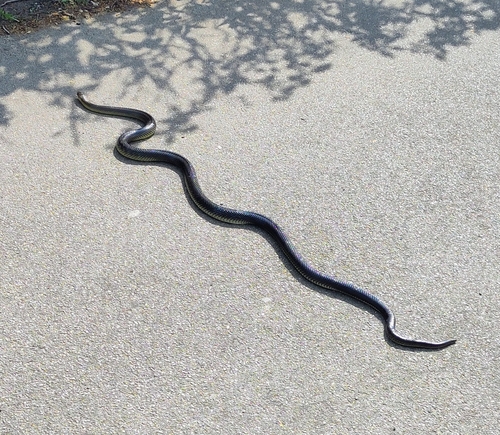
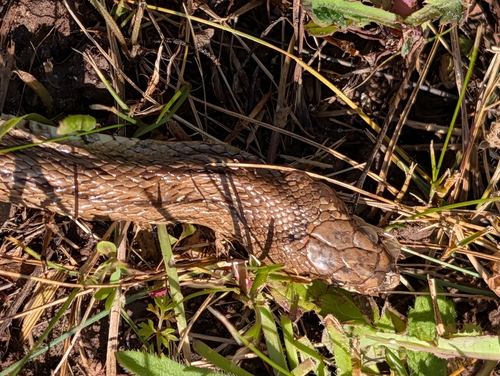
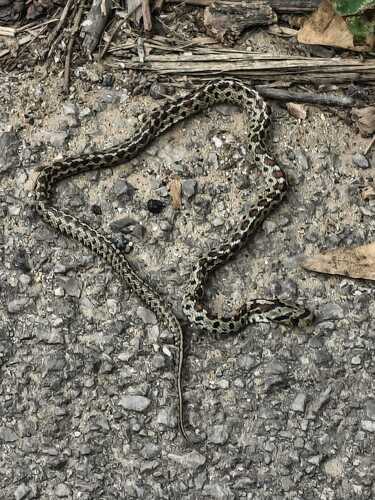
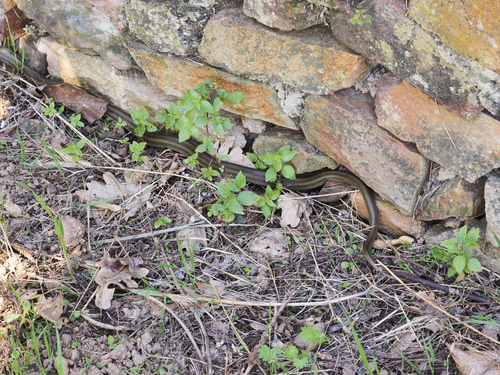
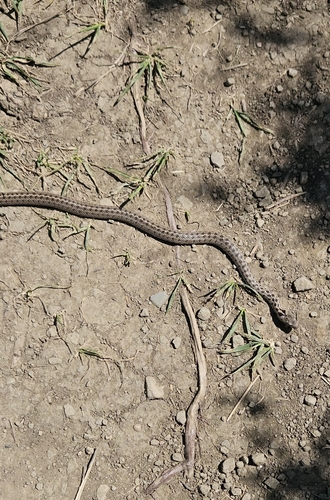
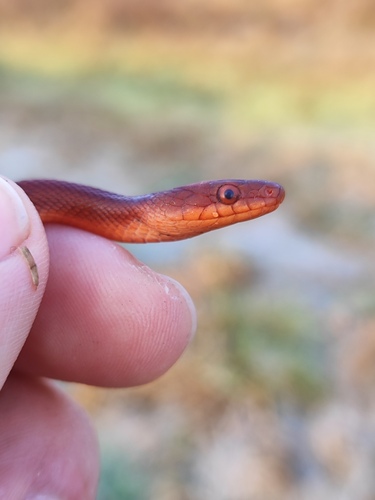
These are slender, agile, and strongly built constrictors. In general terms a Zamenis is a long snake with smooth or weakly keeled scales, a fairly narrow head that is only slightly distinct from the neck, and round pupils. Adults often reach 1 to 2 meters depending on the species, with the Aesculapian snake among the larger members. Coloration tends toward plain browns, olives, and grays, sometimes with faint stripes, light spotting, or a ladder-like pattern on the back, which gives the Ladder snake its name. Juveniles can look more strongly marked than adults.
Zamenis snakes are nonvenomous and harmless to people. They kill prey by constriction rather than venom, and they pose no medical danger. Like many colubrids they may bite or release a foul-smelling musk if cornered or handled, but there is no venom involved. As a rule, wild snakes are best observed and left alone rather than picked up, both for your safety and theirs. If you are ever bitten by a snake you cannot confidently identify, clean the wound and seek medical advice, and in the United States you can call Poison Control at 1-800-222-1222 or contact local emergency services.
Ecologically these are versatile, often semi-arboreal hunters. They climb well into shrubs, trees, walls, and ruins, and they also move readily on the ground and through leaf litter. Their diet is built around small mammals such as mice and voles, along with birds, eggs, and lizards, which makes them useful natural controllers of rodents around fields and old buildings. They are active by day in cooler weather and may shift toward dawn and dusk in summer heat.
Like most colubrids in the genus, Zamenis snakes reproduce by laying eggs rather than giving live birth. Females deposit clutches in warm, humid, hidden spots such as compost, rotting wood, or soil cavities, and the young hatch later in the season already able to hunt small prey on their own. The Aesculapian snake is the species tied to the staff of Asclepius, the classical symbol of medicine and healing, and its historical spread across Europe is often linked to Roman-era movement and temple sites.
Zamenis belongs to the Colubridae family (Colubrids). The largest snake family, and the one most snakes you meet belong to. Typically round pupils, a head only slightly wider than the neck, and no heat-sensing facial pit or rattle. Scales may be smooth and glossy or keeled and matte depending on the species.
Danger: Almost all colubrids are harmless. A small number are rear-fanged with medically significant venom, the boomslang and the twig (vine) snakes of Africa being the dangerous exceptions. Most colubrids will flee or bluff rather than bite.
All species (6)
Keep learning
- What Is a Snake? Anatomy and the BasicsA clear overview of what makes a snake a snake: limbless body plan, anatomy, evolution from lizards, species diversity, and why they are ectothermic.
- How Snakes Move, Hunt, and EatHow snakes move without legs, hunt as ambushers or active foragers, kill by constriction or venom, and swallow prey wider than their head.
- What Do Snakes Eat?All snakes are carnivores. Learn what snakes eat, how diet changes with size and age, how often they feed, and how they hunt and swallow prey.
- Venomous vs Nonvenomous: How to Tell the DifferenceThe folk rules for telling venomous snakes apart, where each one fails, and why location-based identification beats guessing by sight.