
Genus · Pareidae
Types of slug snakes
20+ species make up the genus Pareas, the snakes commonly called slug snakes. None are considered dangerous to humans.
About slug-eating snakes
Small, slow-moving Asian snakes built to pull snails and slugs from their shells.
Pareas is a genus of slug-eating snakes in the family Pareidae, a group of small, non-venomous snakes found across South and Southeast Asia. The family Pareidae was split out from the larger colubrid assemblage as genetic and anatomical work clarified that these snails-and-slug specialists form their own distinct lineage. Pareas is the core genus of that family, and our database lists 20+ species, including the White-spotted slug snake, the Keeled Slug Snake, the Atayal Slug-eating Snake, and the Formosa Slug Snake.
These snakes range across Southeast Asia and parts of southern and eastern Asia, from India and southern China through mainland Southeast Asia and into the islands of Indonesia, with several species on Taiwan. They favor damp, forested habitats: humid lowland and montane forest, leaf litter, low vegetation, and the edges of streams and farmland. They are most active at night, when the snails and slugs they hunt are also on the move, and they spend much of the day hidden in cover.
In general terms, Pareas members are small and slender, usually well under a meter long, with a short, blunt head that is distinct from a narrow neck and large eyes suited to nocturnal life. Many have keeled or strongly patterned scales and a laterally compressed body that helps them move through foliage. Color tends toward browns, grays, and tans with darker bands, blotches, or fine spotting. Because the species look similar and overlap in range, confident identification to species often relies on scale counts and locality rather than color alone.
Pareas snakes are not dangerous to people. They are non-venomous and have no medically significant bite. Their most striking feature is a feeding adaptation: the lower jaw is asymmetrical, with more teeth on one side, which lets them extract soft-bodied snails from their shells. Many species show a right-side bias matched to the common clockwise coiling of snail shells. Even so, any wild snake can bite defensively if grabbed, and wild animals are best observed rather than handled. If a bite ever causes a reaction you are unsure about, contact US Poison Control at 1-800-222-1222 or your local emergency services.
Ecologically, Pareas are specialist predators of snails and slugs, a narrow diet that ties them closely to moist habitats where those prey are abundant. They are egg-laying (oviparous), producing small clutches, and they are slow, deliberate movers rather than fast hunters. Their quiet, nocturnal habits and modest size mean they are easy to overlook, but they play a real role in regulating gastropod populations in the forests they inhabit.
Pareas belongs to the Pareidae family (Slug-eating snakes). Snail and slug specialists with lopsided jaws. Slender, blunt-headed snakes, often with large eyes; usually found in damp forest.
Danger: Harmless. No venom of concern.
All species (27)
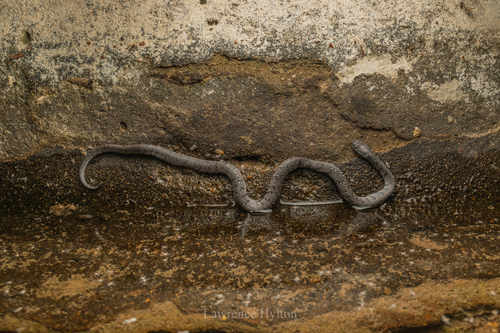 White-spotted slug snakePareas margaritophorusHarmless
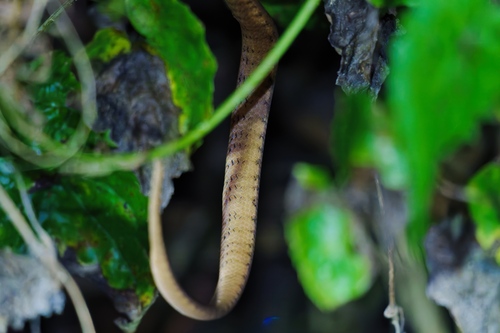 Keeled Slug SnakePareas carinatusHarmless
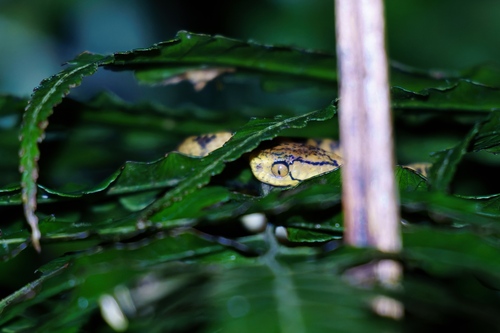 Atayal Slug-eating SnakePareas atayalHarmless
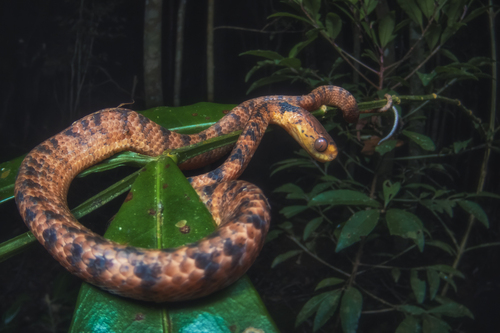 Formosa Slug SnakePareas formosensisHarmless
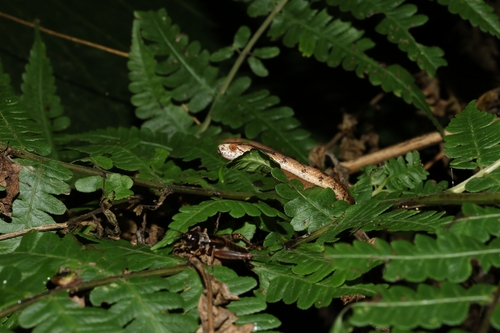 Formosan Slug SnakePareas komaiiHarmless
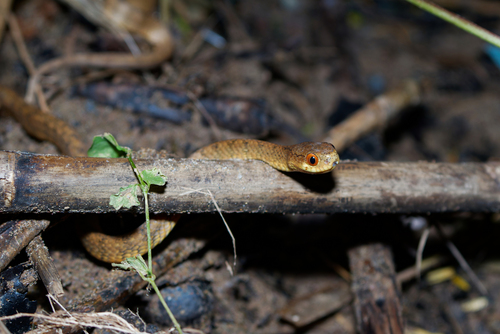 Pareas berdmoreiHarmless
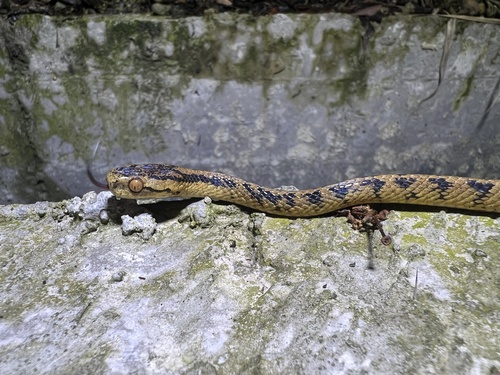 Boulenger's Slug SnakePareas boulengeriHarmless
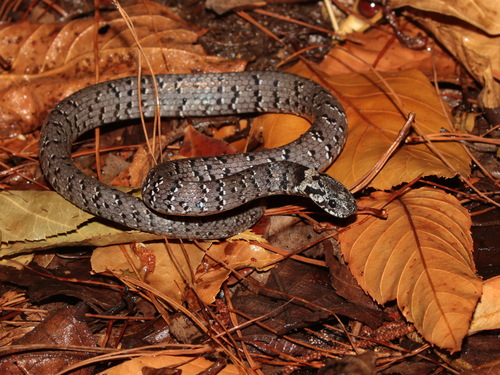 Mountain Slug SnakePareas maculariusHarmless
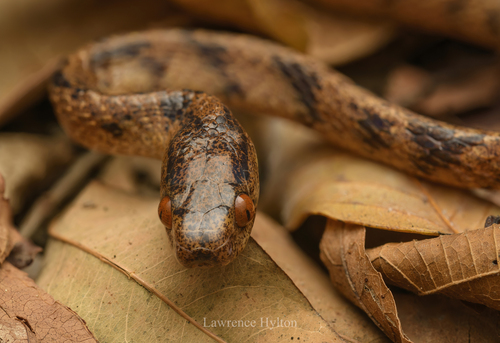 Chinese Slug SnakePareas chinensisHarmless
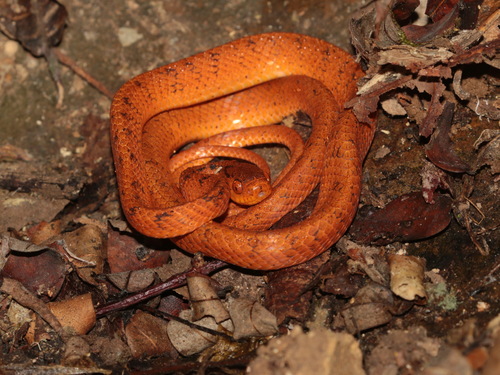 Pareas yunnanensisHarmless
 Hampton's Slug SnakePareas hamptoniHarmless
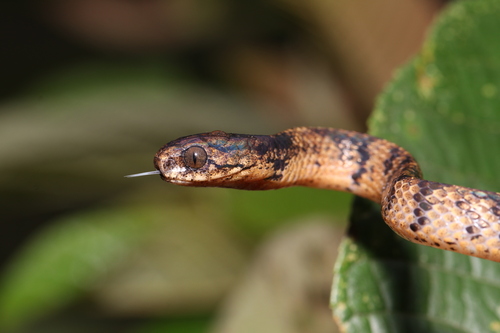 Common Slug SnakePareas monticolaHarmless
 Pareas nigerHarmless
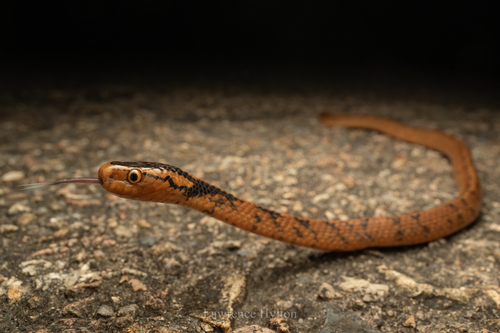 Stanley's Slug SnakePareas stanleyiHarmless
 Baise slug-eating snakePareas baiseensisHarmless
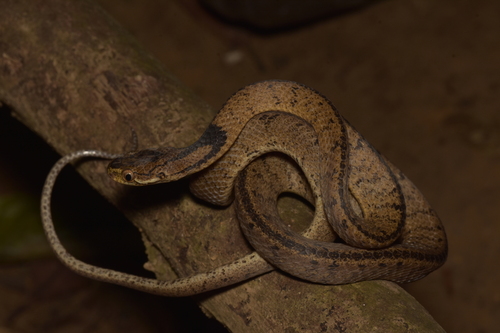 Di Linh Snail-eating SnakePareas temporalisHarmless
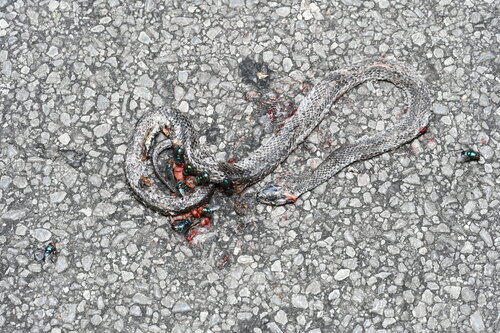 Pareas andersoniiHarmless
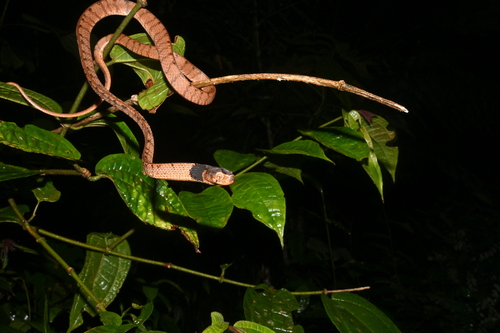 Pareas nuchalisHarmless
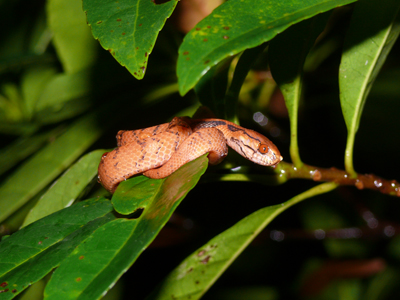 Iwasaki's Snail-eaterPareas iwasakiiHarmless
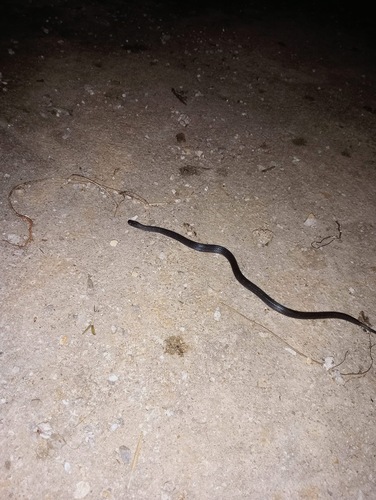 Pareas modestusHarmless
 Pareas abrosHarmless
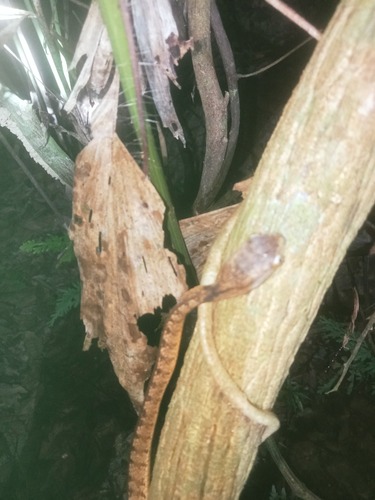 Pareas kuznetsovorumHarmless
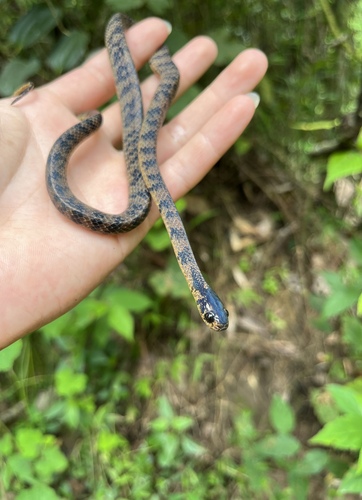 Xiaoheishan Slug-eater SnakePareas nigricepsHarmless
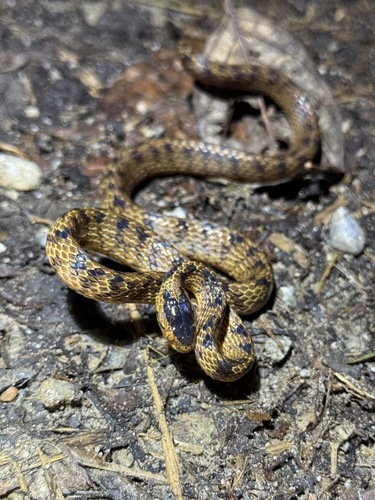 Pareas dulongjiangensisHarmless
 Pareas guanyinshanensisHarmless
 Pareas tigerinusHarmless
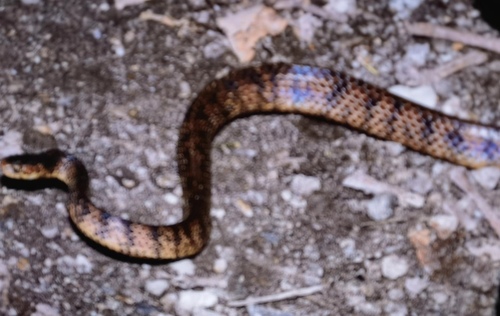 Pareas vindumiHarmless
Keep learning
- What Is a Snake? Anatomy and the BasicsA clear overview of what makes a snake a snake: limbless body plan, anatomy, evolution from lizards, species diversity, and why they are ectothermic.
- How Snakes Move, Hunt, and EatHow snakes move without legs, hunt as ambushers or active foragers, kill by constriction or venom, and swallow prey wider than their head.
- What Do Snakes Eat?All snakes are carnivores. Learn what snakes eat, how diet changes with size and age, how often they feed, and how they hunt and swallow prey.
- Venomous vs Nonvenomous: How to Tell the DifferenceThe folk rules for telling venomous snakes apart, where each one fails, and why location-based identification beats guessing by sight.