
Genus · Colubridae
Types of ratsnakes
8 species make up the genus Pantherophis, the snakes commonly called ratsnakes. None are considered dangerous to humans.
About rat snakes and corn snakes
Pantherophis is the genus of North American rat snakes and corn snakes, a group of medium to large non-venomous constrictors that rank among the most commonly encountered larger snakes across the eastern and central United States.
Pantherophis belongs to the family Colubridae and contains the familiar rat snakes and corn snakes of North America. These are powerful, non-venomous constrictors that overpower prey by coiling and squeezing rather than by venom. Our database lists 8 species in the genus, and none of them are venomous. Real examples include the Western Ratsnake, the Eastern Ratsnake, the Gray Ratsnake, the Red Cornsnake, and the Great Plains Ratsnake.
Two members stand out for very different reasons. The corn snake, Pantherophis guttatus, is one of the most popular pet snakes in the world, prized for its calm temperament and the huge variety of color morphs bred in captivity. The black rat snakes are the ones people meet most often in daily life, frequently turning up in barns and around homes as they hunt for rodents.
The standout trait of this genus is climbing. Pantherophis are excellent climbers that readily go up trees and into barns, attics, and rafters in search of rodents and bird eggs. This habit is exactly why people so often cross paths with them around buildings. Their range covers forests, farmland, and suburbs across eastern and central North America, and their willingness to live near people makes them a regular sight.
Recognizing a Pantherophis takes a little practice because the look changes with age. Adults often show a blocky or blotched pattern, and juveniles can look quite different from the grown snakes, which sometimes leads to mistaken identity. A useful field clue is the body cross-section, which can look like a loaf of bread rather than a smooth round tube. As egg-laying snakes and superb rodent controllers, they are a real asset to farms and gardens.
On safety, Pantherophis snakes are non-venomous and beneficial, and they are harmless to people. When startled they may vibrate the tail or release a musky scent rather than attempt to harm you, and the tail buzzing in dry leaves can cause them to be confused with rattlesnakes. They are also sometimes mistaken for watersnakes. The honest takeaway is that meeting one near your home means free rodent control, not danger. Observe wild snakes at a respectful distance and let them go on their way.
Pantherophis belongs to the Colubridae family (Colubrids). The largest snake family, and the one most snakes you meet belong to. Typically round pupils, a head only slightly wider than the neck, and no heat-sensing facial pit or rattle. Scales may be smooth and glossy or keeled and matte depending on the species.
Danger: Almost all colubrids are harmless. A small number are rear-fanged with medically significant venom, the boomslang and the twig (vine) snakes of Africa being the dangerous exceptions. Most colubrids will flee or bluff rather than bite.
All species (8)
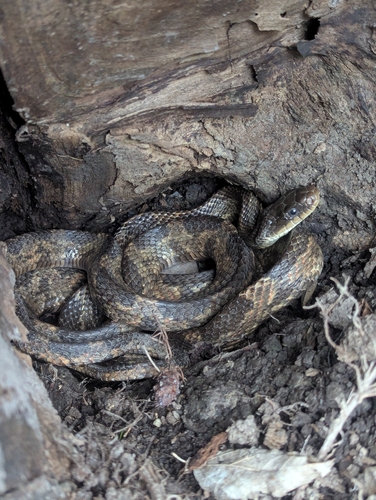 Western RatsnakePantherophis obsoletusHarmless
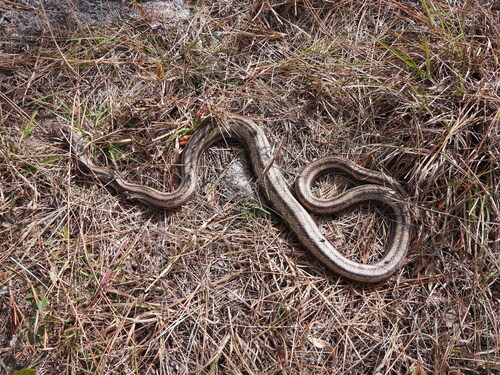 Eastern RatsnakePantherophis alleghaniensisHarmless
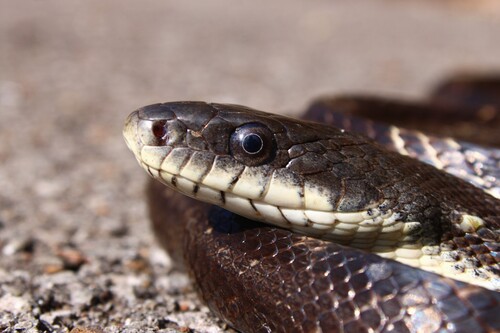 Gray RatsnakePantherophis spiloidesHarmless
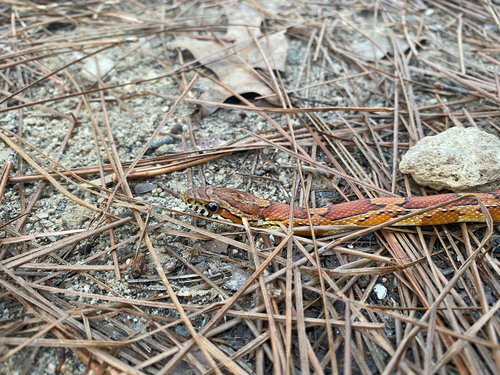 Red CornsnakePantherophis guttatusHarmless
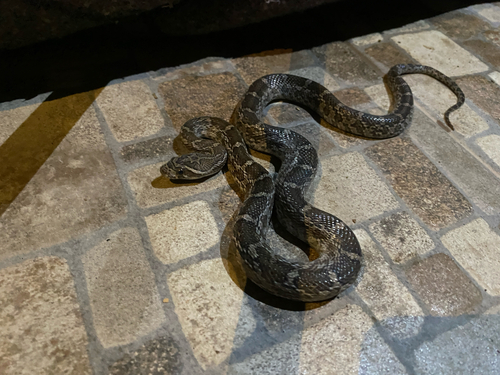 Great Plains RatsnakePantherophis emoryiHarmless
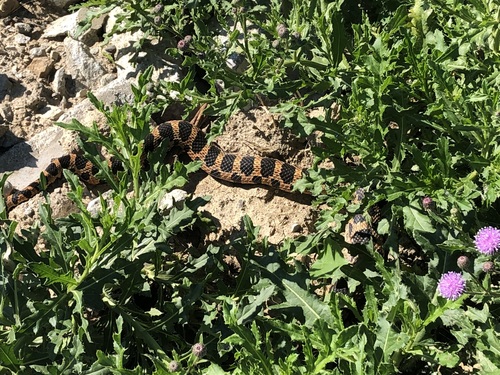 Eastern FoxsnakePantherophis vulpinusHarmless
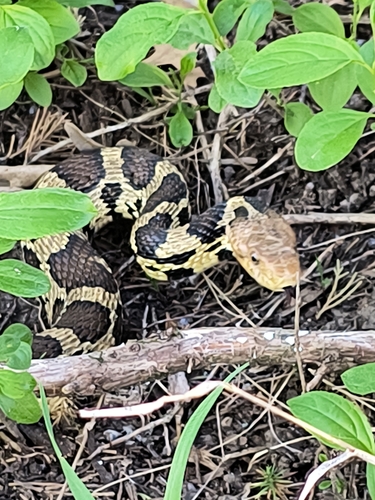 Western FoxsnakePantherophis ramspottiHarmless
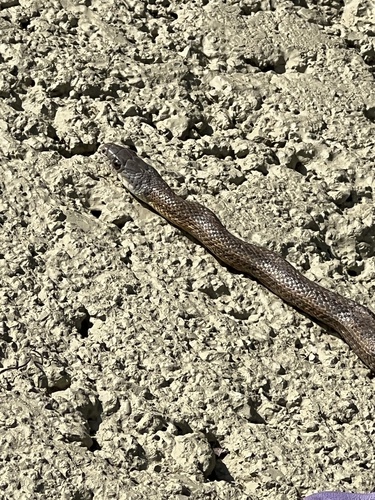 Baird's RatsnakePantherophis bairdiHarmless
Keep learning
- What Is a Snake? Anatomy and the BasicsA clear overview of what makes a snake a snake: limbless body plan, anatomy, evolution from lizards, species diversity, and why they are ectothermic.
- How Snakes Move, Hunt, and EatHow snakes move without legs, hunt as ambushers or active foragers, kill by constriction or venom, and swallow prey wider than their head.
- What Do Snakes Eat?All snakes are carnivores. Learn what snakes eat, how diet changes with size and age, how often they feed, and how they hunt and swallow prey.
- Venomous vs Nonvenomous: How to Tell the DifferenceThe folk rules for telling venomous snakes apart, where each one fails, and why location-based identification beats guessing by sight.