
Genus · Lamprophiidae
Types of wolf snakes
20+ species make up the genus Lycophidion, the snakes commonly called wolf snakes. None are considered dangerous to humans.
About wolf snakes (African)
Small, secretive African snakes with recurved teeth built for gripping hard-scaled lizards.
Lycophidion is a genus of small, terrestrial snakes in the family Lamprophiidae, a large African-centered group that also includes house snakes, sand snakes, and many other ground-dwelling species. The members are commonly called African wolf snakes, a name that points to their most distinctive feature, the long, curved teeth at the front of the jaws. The genus contains roughly 20+ species in our database, including the Cape Wolf Snake, the Pygmy Wolf Snake, the Variegated Wolf Snake, and the Spotted Wolf Snake.
These snakes are found across sub-Saharan Africa, ranging through savanna, grassland, woodland, and forest-edge habitats. They are ground dwellers that spend much of their time hidden under rocks, logs, leaf litter, and other cover. Most are active at night or at dusk, which keeps them out of sight and contributes to their reputation as rarely seen snakes even where they are common.
In general terms, Lycophidion species are small and slender, often under a foot or two in length, with a flattened head that is barely distinct from the neck. Coloration tends toward dark brown, blackish, or grayish bodies, frequently with pale flecking, spotting, or a light edging to the scales that can give a faintly speckled look. The smooth scales often have a slight sheen. The defining trait, visible mostly on close inspection, is the set of enlarged, backward-curving teeth that grip smooth, hard-bodied prey.
Wolf snakes are not considered dangerous to people. They are not front-fanged venomous snakes like cobras or vipers. The genus is generally regarded as harmless to humans; their recurved teeth and feeding strategy are adapted for holding small reptiles, not for delivering medically significant venom. Even so, the cautious approach with any wild snake is to observe and not handle, since identification mistakes happen and any bite can carry infection risk.
Their ecology centers on a diet of small lizards, especially skinks and other smooth-scaled species, which the curved teeth help them seize and hold. Prey is typically overpowered by gripping and constriction-like restraint rather than venom. Lycophidion species are egg-laying (oviparous), with females depositing small clutches. Their secretive, nocturnal habits and reliance on ground cover make them a quiet but widespread part of Africa's small-snake fauna.
Lycophidion belongs to the Lamprophiidae family (African house snakes & allies). Common African snakes, including the familiar house snakes. Variable; many are smooth-scaled, secretive, and active at night.
Danger: Mostly harmless. A few are rear-fanged with mild venom of no medical significance.
All species (20)
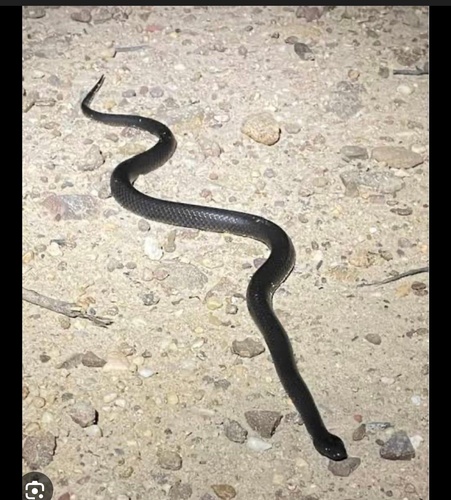 Cape Wolf SnakeLycophidion capenseHarmless
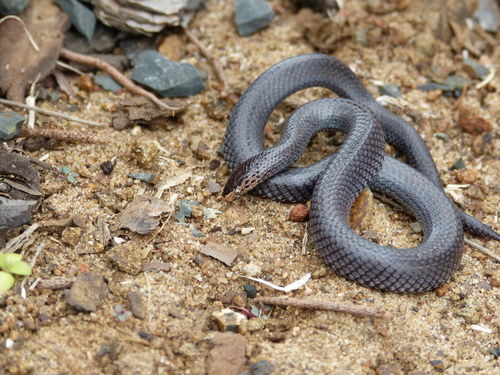 Pygmy Wolf SnakeLycophidion pygmaeumHarmless
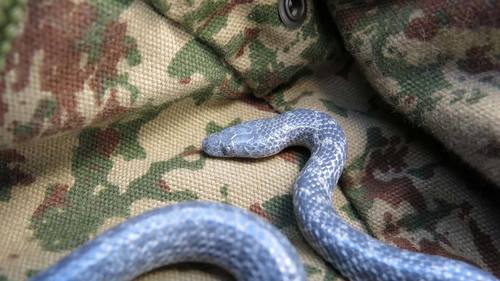 Variegated Wolf SnakeLycophidion variegatumHarmless
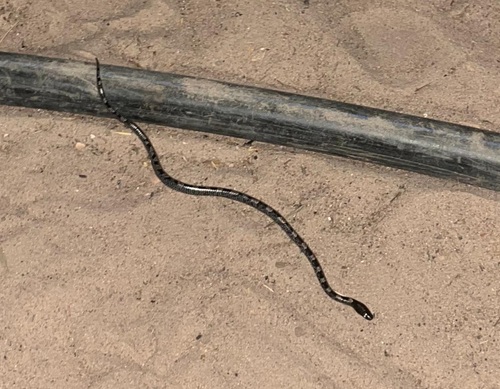 Spotted Wolf SnakeLycophidion albomaculatumHarmless
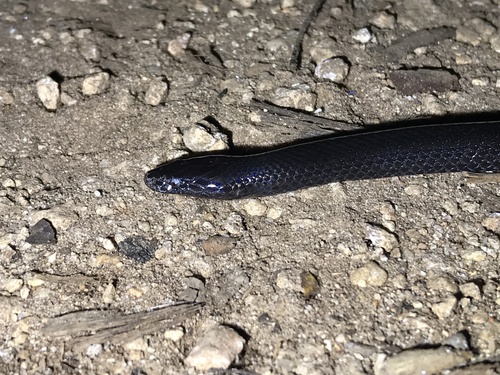 Flat-snouted Wolf SnakeLycophidion depressirostreHarmless
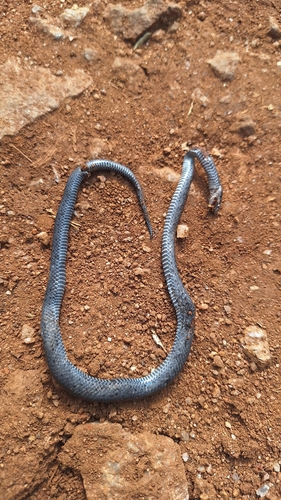 Ornate Wolf SnakeLycophidion ornatumHarmless
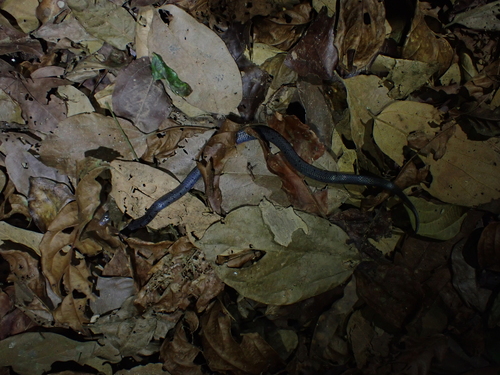 Leach's Wolf SnakeLycophidion irroratumHarmless
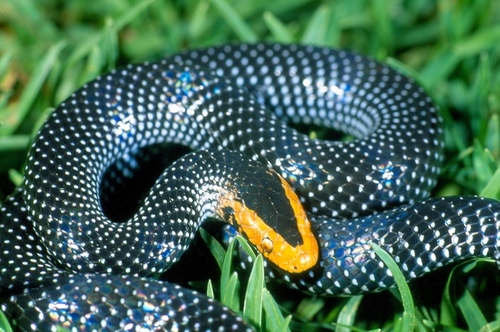 Red-snouted Wolf SnakeLycophidion uzungwenseHarmless
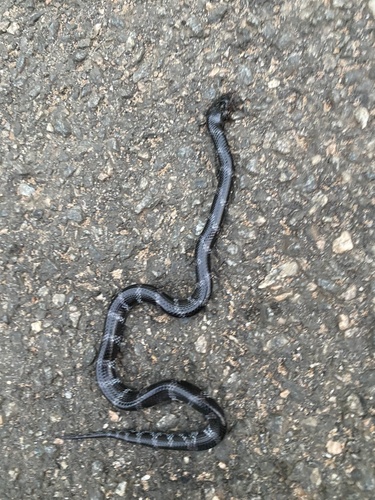 Semi-annulated Wolf SnakeLycophidion semicinctumHarmless
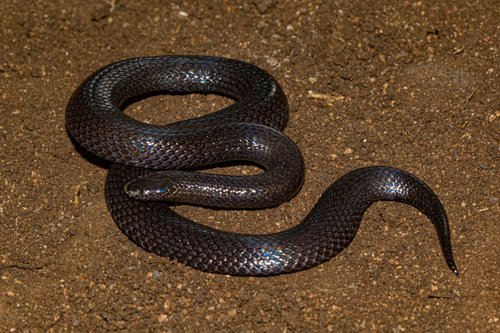 Dwarf Wolf SnakeLycophidion nanumHarmless
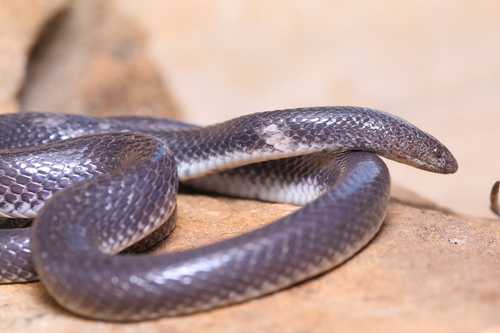 Namibian Wolf SnakeLycophidion namibianumHarmless
 Spotted Wolf SnakeLycophidion multimaculatumHarmless
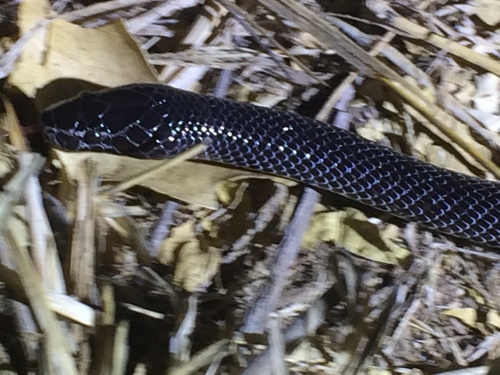 Lycophidion jacksoniHarmless
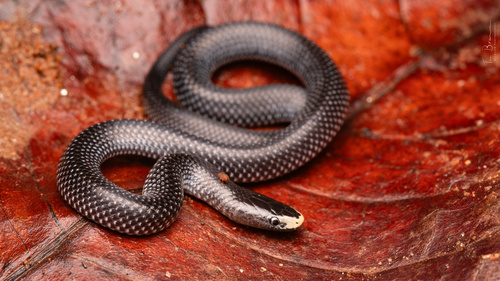 Speckled wolf snakeLycophidion meleagreHarmless
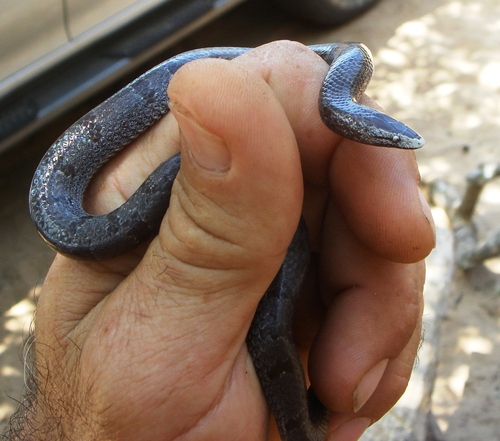 Eastern Wolf SnakeLycophidion semiannuleHarmless
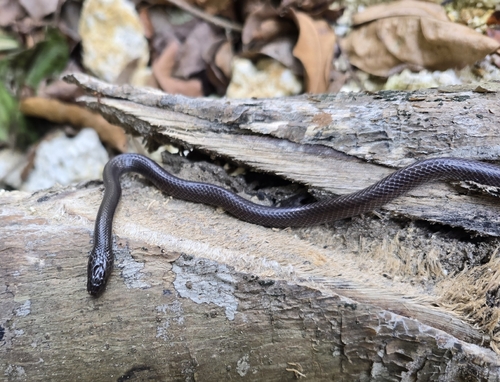 Pemba Wolf SnakeLycophidion pembanumHarmless
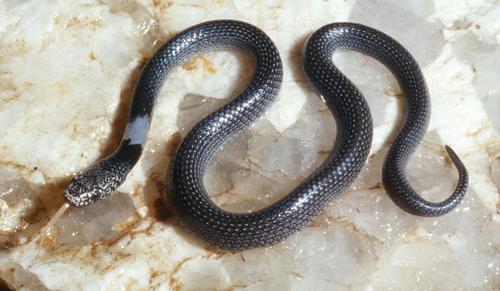 Taylor’s wolf snakeLycophidion tayloriHarmless
- No photoFlat Wolf SnakeLycophidion lateraleHarmless
- No photoBlotched Wolf SnakeLycophidion nigromaculatumHarmless
- No photoLycophidion tchadensisHarmless
Keep learning
- What Is a Snake? Anatomy and the BasicsA clear overview of what makes a snake a snake: limbless body plan, anatomy, evolution from lizards, species diversity, and why they are ectothermic.
- How Snakes Move, Hunt, and EatHow snakes move without legs, hunt as ambushers or active foragers, kill by constriction or venom, and swallow prey wider than their head.
- What Do Snakes Eat?All snakes are carnivores. Learn what snakes eat, how diet changes with size and age, how often they feed, and how they hunt and swallow prey.
- Venomous vs Nonvenomous: How to Tell the DifferenceThe folk rules for telling venomous snakes apart, where each one fails, and why location-based identification beats guessing by sight.