
Genus · Lamprophiidae
Types of file snakes
5 species make up the genus Limaformosa, the snakes commonly called file snakes. None are considered dangerous to humans.
About African file snakes
Slender African snakes with a strange three-sided body and a ridged back that gives them the rasp-like texture of a metal file.
Limaformosa is a genus of African file snakes in the family Lamprophiidae, a large group of mostly African and Madagascan snakes that also includes house snakes, wolf snakes and many other ground-dwelling forms. The file snakes were long placed in the genus Mehelya, and many older books and field guides still use that name; Limaformosa is the modern genus that several of these species now sit in. Our database lists 5 species, including the Cape File Snake, the Central African Forest File Snake, the Unicolor File Snake and the species simply called the African File Snake. The shared common name is the most reliable way most people will search for them.
These snakes are found across sub-Saharan Africa, in habitats that range from savanna and woodland to forest edges and moist lowland forest depending on the species. They are largely terrestrial and secretive, spending much of their time on or near the ground, under cover, and active mainly at night. Because they are nocturnal and not aggressive, they are encountered far less often than their wide range might suggest.
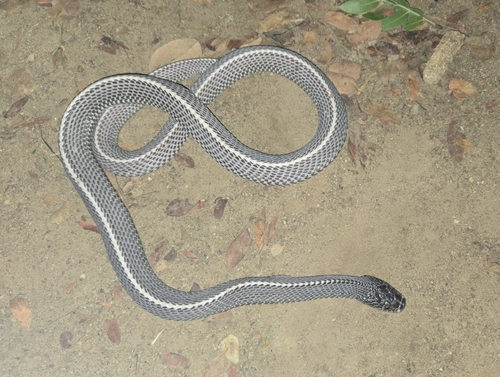
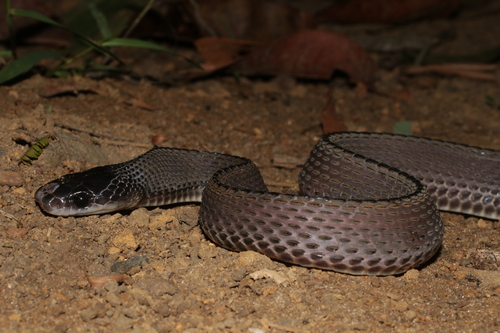
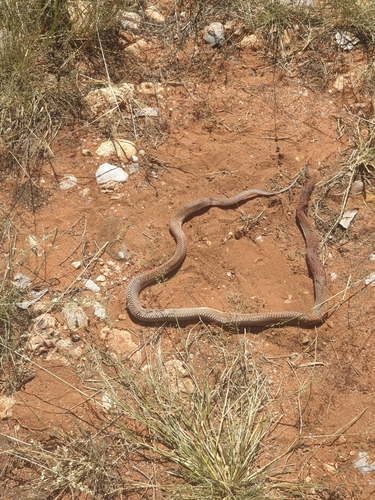
The body shape is the giveaway. File snakes have a distinctly triangular cross-section, with flattened sides and a raised ridge running down the spine, so the body looks almost like a flattened triangle rather than a round tube. The back scales are strongly keeled and stand apart from one another, and pale skin often shows between them, which produces the rough, file-like surface that gives the group its name. Many species are grey to brownish or blackish, sometimes with a thin pale line along the spine, and the head is not strongly set off from the neck.
African file snakes are non-venomous and harmless to people. They are not front-fanged venomous snakes and are not considered dangerous, and they have a calm disposition that makes them slow to bite. They are best known ecologically as snake eaters: file snakes prey heavily on other snakes, including venomous species, and appear to have a strong tolerance for the venom of the snakes they hunt, alongside a diet that can also include lizards. Prey is overpowered by the snake's powerful, constricting coils.
Like many lamprophiids, file snakes are egg-laying, and their quiet, ground-hugging, nocturnal habits keep them out of sight for most of the year. As with any wild snake, the right approach is to observe from a distance and not handle or attempt to capture one, both for the animal's sake and because field identification can be uncertain. If anyone is bitten by a snake they cannot confidently identify, treat it as a medical matter rather than guessing: in the United States contact Poison Control at 1-800-222-1222, and elsewhere call local emergency services.
Limaformosa belongs to the Lamprophiidae family (African house snakes & allies). Common African snakes, including the familiar house snakes. Variable; many are smooth-scaled, secretive, and active at night.
Danger: Mostly harmless. A few are rear-fanged with mild venom of no medical significance.
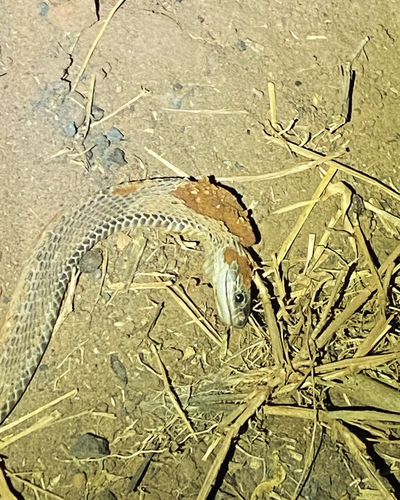
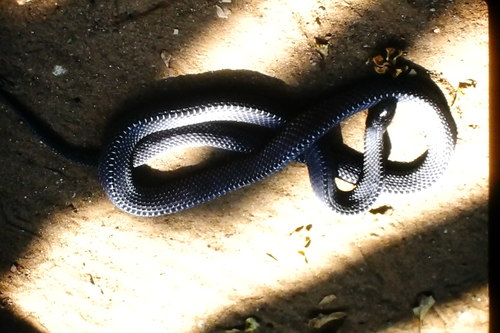
All species (5)
Keep learning
- What Is a Snake? Anatomy and the BasicsA clear overview of what makes a snake a snake: limbless body plan, anatomy, evolution from lizards, species diversity, and why they are ectothermic.
- How Snakes Move, Hunt, and EatHow snakes move without legs, hunt as ambushers or active foragers, kill by constriction or venom, and swallow prey wider than their head.
- What Do Snakes Eat?All snakes are carnivores. Learn what snakes eat, how diet changes with size and age, how often they feed, and how they hunt and swallow prey.
- Venomous vs Nonvenomous: How to Tell the DifferenceThe folk rules for telling venomous snakes apart, where each one fails, and why location-based identification beats guessing by sight.