
Genus · Leptotyphlopidae
Types of blind snakes
30+ species make up the genus Epictia, the snakes commonly called blind snakes. None are considered dangerous to humans.
About blind snakes (threadsnakes)
Epictia is a genus of tiny, worm-like threadsnakes that spend almost their whole lives underground hunting ants and termites.
Epictia belongs to the family Leptotyphlopidae, the slender blind snakes or threadsnakes. These are among the smallest snakes on Earth, and members of Epictia look far more like a shiny earthworm than a typical snake. The whole family is built for a burrowing, ant-and-termite-eating life, and Epictia is one of its largest and most widespread genera, with dozens of described species.
The range of Epictia is centered on the Americas, reaching from Mexico and Central America through much of South America, with several species in the Caribbean. They favor warm, often dry to seasonally dry environments and live in loose soil, leaf litter, under rocks and logs, and inside ant and termite nests. Because they are fossorial, meaning they live mostly below the surface, people usually only encounter them after heavy rain, while digging or gardening, or when one turns up under a stone.
Recognizing an Epictia comes down to a handful of family-level traits rather than bold markings. They are very thin and short, typically only a few inches long, with a cylindrical body of nearly uniform width, a blunt tail that often ends in a tiny spine, and a rounded head that is hard to tell apart from the tail at a glance. The eyes are reduced to dark spots under the head scales, the scales are smooth and glossy, and the body is usually a uniform brown, gray, or black, sometimes with pale spots on the head and tail tip.
Epictia is harmless to people. These snakes are not venomous and are not rear-fanged. Their mouths are tiny and adapted for eating soft-bodied insects, so they pose no medical threat. That said, leave any wild snake you cannot confidently identify alone, since lookalike fears and mistaken identity cause most snakebite incidents. If a venomous snakebite is ever suspected, do not attempt first aid measures like cutting or tourniquets, and contact emergency services or US Poison Control at 1-800-222-1222 right away.
Ecologically, Epictia are specialist predators of ants and termites, including their eggs, larvae, and pupae, which they raid inside the colony. They are believed to use chemical cues to follow insect trails and may secrete substances that help them move through nests without being attacked. Like most threadsnakes they are egg-laying, producing small clutches, and they are secretive and nonaggressive, relying on burrowing and their small size to stay out of sight rather than on any defensive bite.
Epictia belongs to the Leptotyphlopidae family (Slender blindsnakes (threadsnakes)). Among the smallest snakes in the world, thin as a thread. Extremely thin and worm-like, uniformly colored, with vestigial eyes. Resembles a shiny piece of string.
Danger: Harmless. No venom and far too small to harm a person.
All species (30)
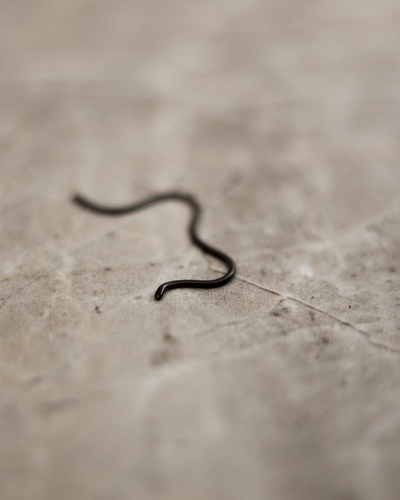 Epictia borapeliotesHarmless
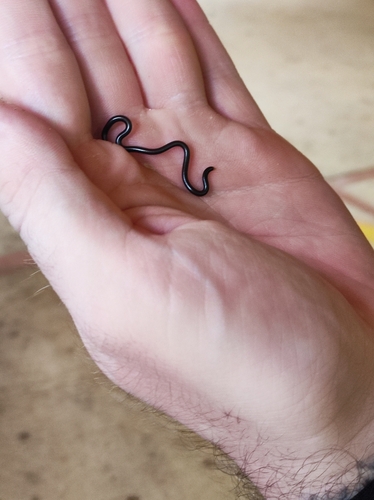 Taylor's Blind SnakeEpictia aterHarmless
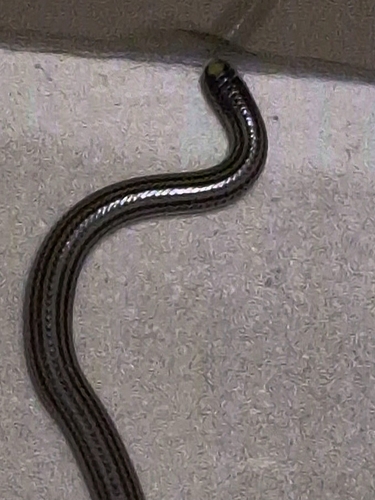 Latin American Blind SnakeEpictia albipunctaHarmless
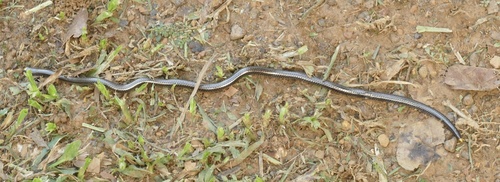 Guyana Blind SnakeEpictia tenellaHarmless
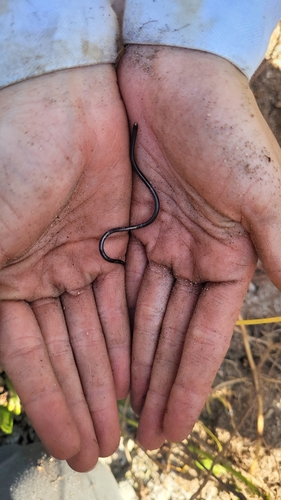 Black Blind SnakeEpictia magnamaculataHarmless
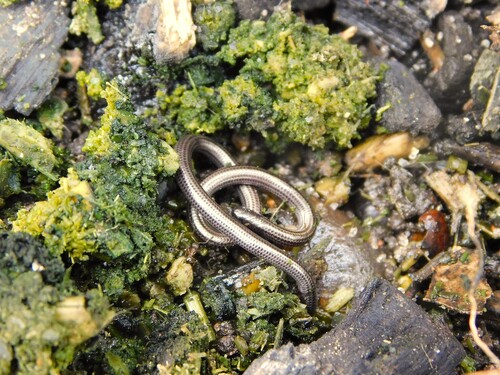 Rio Grande do Sul Blind SnakeEpictia munoaiHarmless
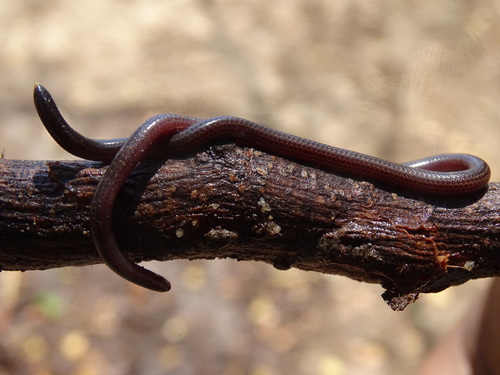 Epictia phenopsHarmless
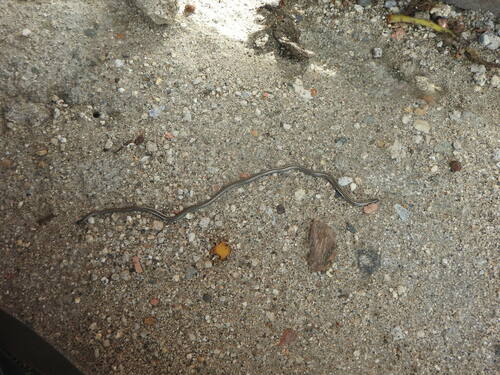 Black Blind SnakeEpictia goudotiiHarmless
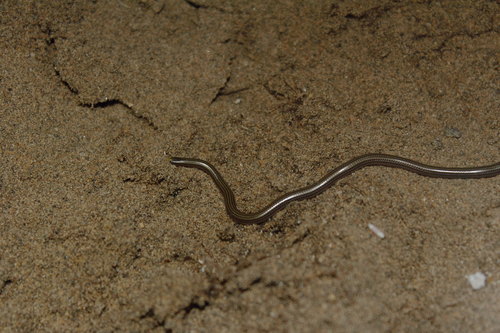 Epictia resetariHarmless
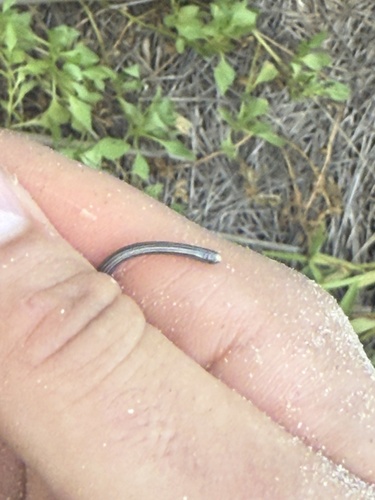 Vindum's Worm SnakeEpictia vindumiHarmless
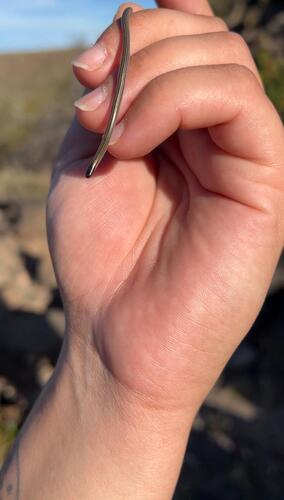 Freiberg's Blind SnakeEpictia australisHarmless
 Klauber's Blind SnakeEpictia subcrotillaHarmless
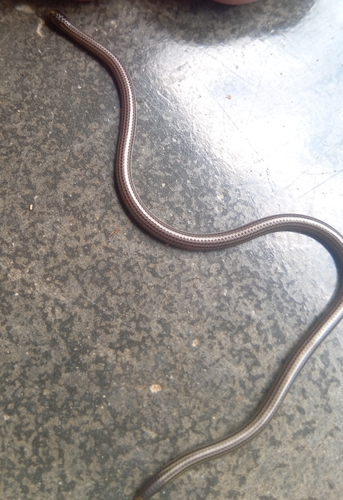 Epictia fallaxHarmless
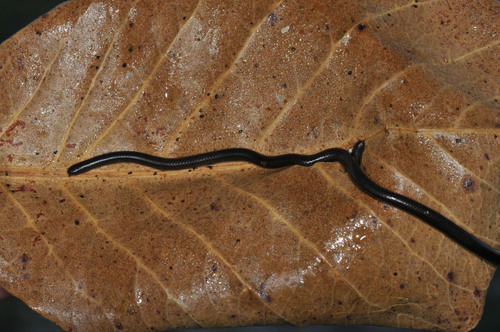 San Salvador Blind SnakeEpictia columbiHarmless
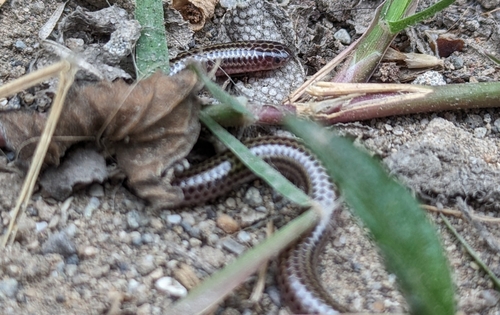 Tschudi's Blind SnakeEpictia tesselataHarmless
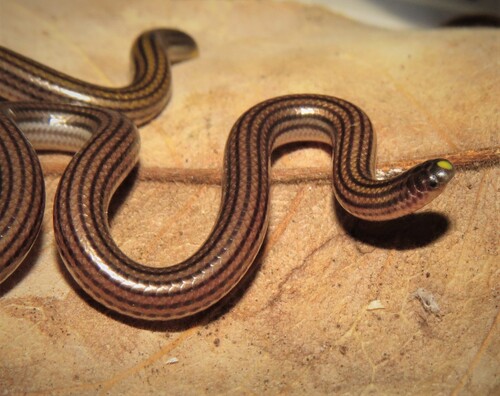 Wagler's blind snakeEpictia albifronsHarmless
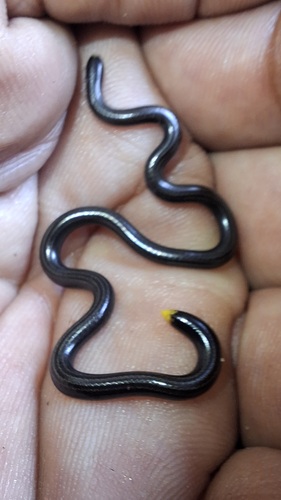 Epictia amazonicaHarmless
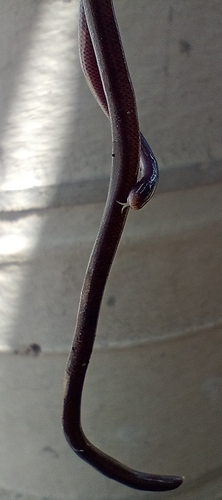 Epictia bakewelliHarmless
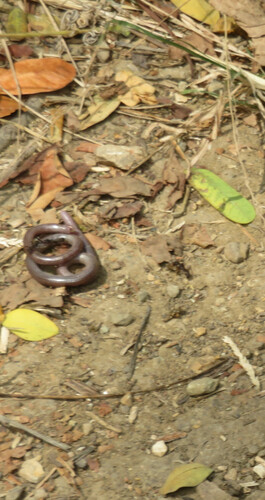 Guayaquila Blind SnakeEpictia guayaquilensisHarmless
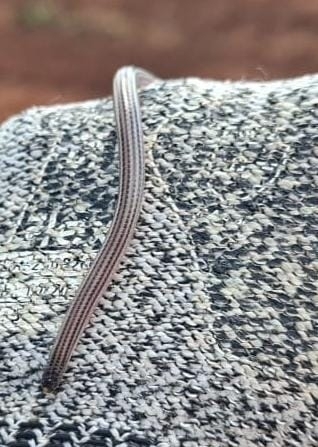 Epictia clinorostrisHarmless
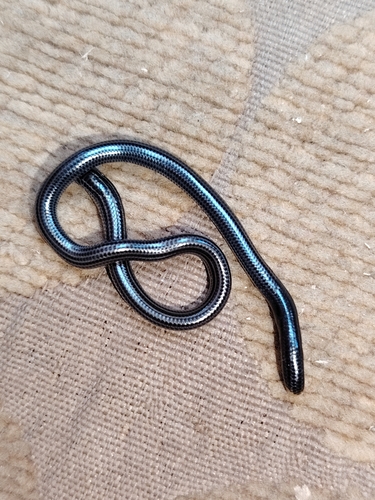 Epictia striatulaHarmless
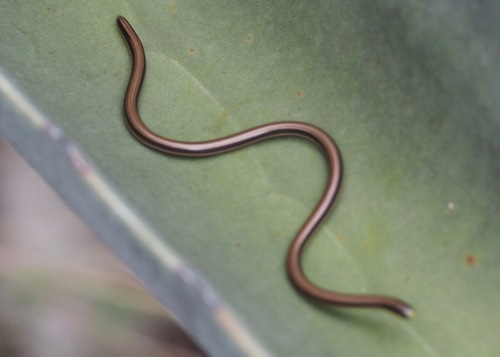 Three-colored Blind SnakeEpictia tricolorHarmless
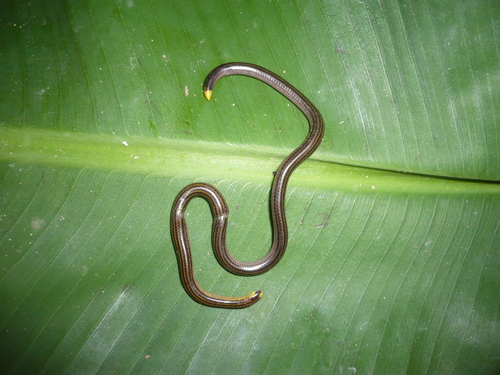 Common Peru Blind SnakeEpictia diaplociaHarmless
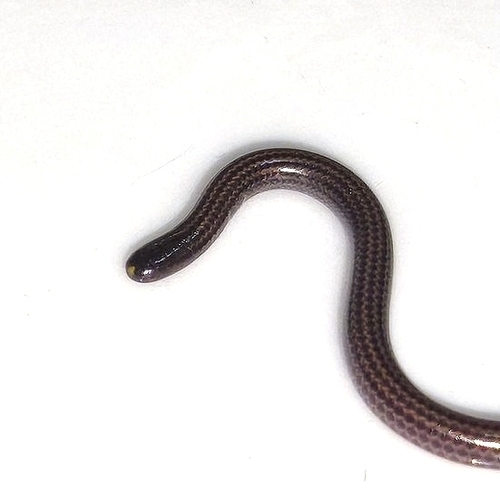 Pantanal ThreadsnakeEpictia vellardiHarmless
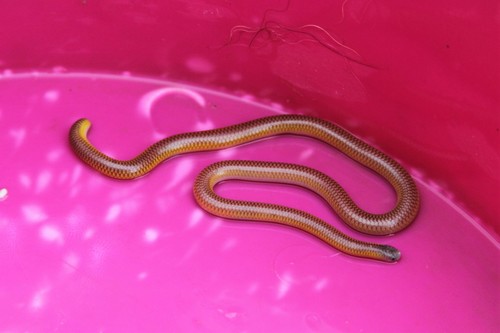 Rose Blind SnakeEpictia rufidorsaHarmless
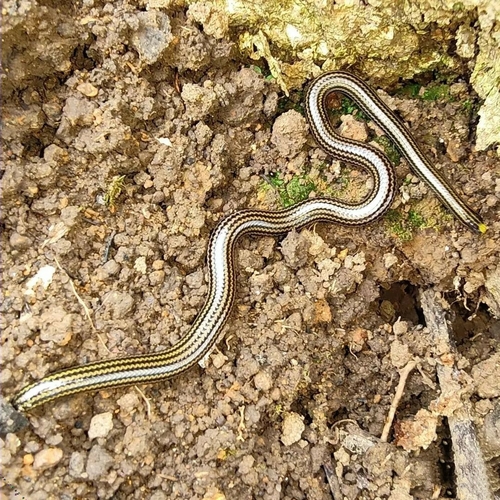 Epictia vonmayiHarmless
- No photoEpictia pauldwyeriHarmless
- No photoEpictia rioignisHarmless
- No photoEpictia schneideriHarmless
- No photoGarcía's Blind SnakeEpictia antoniogarciaiHarmless
Keep learning
- What Is a Snake? Anatomy and the BasicsA clear overview of what makes a snake a snake: limbless body plan, anatomy, evolution from lizards, species diversity, and why they are ectothermic.
- How Snakes Move, Hunt, and EatHow snakes move without legs, hunt as ambushers or active foragers, kill by constriction or venom, and swallow prey wider than their head.
- What Do Snakes Eat?All snakes are carnivores. Learn what snakes eat, how diet changes with size and age, how often they feed, and how they hunt and swallow prey.
- Venomous vs Nonvenomous: How to Tell the DifferenceThe folk rules for telling venomous snakes apart, where each one fails, and why location-based identification beats guessing by sight.