
Genus · Colubridae
Types of rat snakes
7 species make up the genus Coelognathus, the snakes commonly called rat snakes. None are considered dangerous to humans.
About Asian rat snakes
Slender, fast-moving rat snakes of South and Southeast Asia that hunt rodents and are harmless to people.
Coelognathus is a genus of nonvenomous rat snakes in the family Colubridae, the largest snake family. The genus contains a handful of species spread across South and Southeast Asia, and includes well-known snakes such as the Copperhead Rat Snake, the Trinket Snake, the Black Copper Rat Snake, and the Reddish Rat Snake. These were once lumped into the broad rat snake genus Elaphe before being separated based on anatomy and genetics, and they remain close relatives of other Old World rat snakes.
Members are typically slim, long-bodied snakes with smooth or weakly keeled scales and large eyes set in a fairly narrow head. Coloration varies by species and region, ranging from coppery and reddish browns to gray and olive, and many show dark stripes, bands, or chevron markings down the body, often most distinct on the front half. Adults of most species fall in a medium size range rather than reaching the great lengths of some other rat snakes. Identifying an individual species from a photo alone can be difficult because patterns shift with age and locality, so range and habitat are useful clues alongside markings.
These snakes occupy a wide spread of habitats, including forests, scrublands, agricultural fields, grasslands, and the edges of villages and towns. They are agile and can climb well, but most spend a good deal of time on or near the ground. Several species are drawn to areas where rodents are common, which brings them into contact with farms and human settlements where they provide natural pest control.
Coelognathus snakes are nonvenomous and not dangerous to humans. They subdue prey by constriction and by simply seizing and swallowing it rather than by injecting venom. Like many colubrids, a cornered individual may flatten its body, hiss, or bite defensively, but a bite causes only minor superficial injury with no medical venom. They are not aggressive and prefer to flee. As a general rule, do not handle any wild snake you cannot positively identify, since dangerous species can be mistaken for harmless ones; if a bite from an unidentified snake occurs, contact emergency services or US Poison Control at 1-800-222-1222.
Their diet centers on small mammals, especially rats and mice, along with birds, eggs, lizards, and frogs depending on the species. They are egg-laying snakes, with females depositing clutches that hatch into independent young. Activity patterns differ across the genus, with some species active by day and others more nocturnal, and across their range they play a steady ecological role as predators of the rodents that thrive around human habitation.
Coelognathus belongs to the Colubridae family (Colubrids). The largest snake family, and the one most snakes you meet belong to. Typically round pupils, a head only slightly wider than the neck, and no heat-sensing facial pit or rattle. Scales may be smooth and glossy or keeled and matte depending on the species.
Danger: Almost all colubrids are harmless. A small number are rear-fanged with medically significant venom, the boomslang and the twig (vine) snakes of Africa being the dangerous exceptions. Most colubrids will flee or bluff rather than bite.
All species (7)
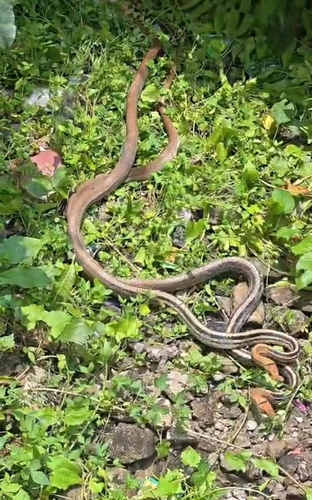 Copperhead Rat SnakeCoelognathus radiatusHarmless
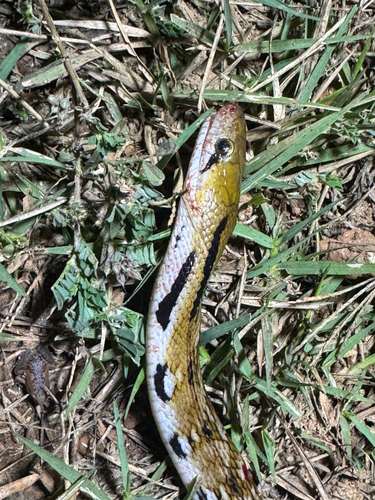 Trinket SnakeCoelognathus helenaHarmless
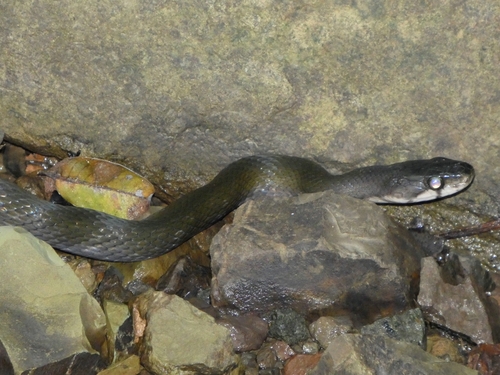 Black Copper Rat SnakeCoelognathus flavolineatusHarmless
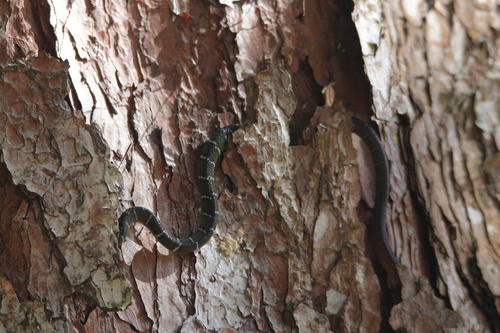 Reddish Rat SnakeCoelognathus erythrurusHarmless
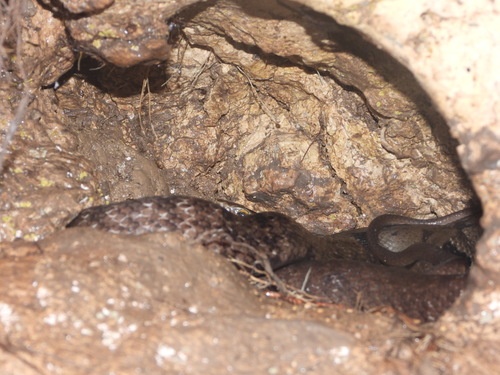 Sunda Rat SnakeCoelognathus subradiatusHarmless
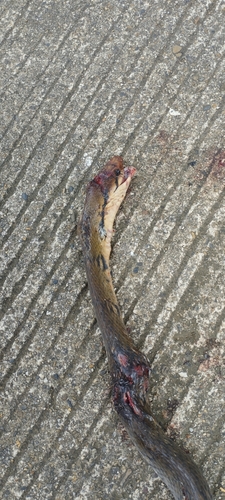 Palawan rat snakeCoelognathus philippinusHarmless
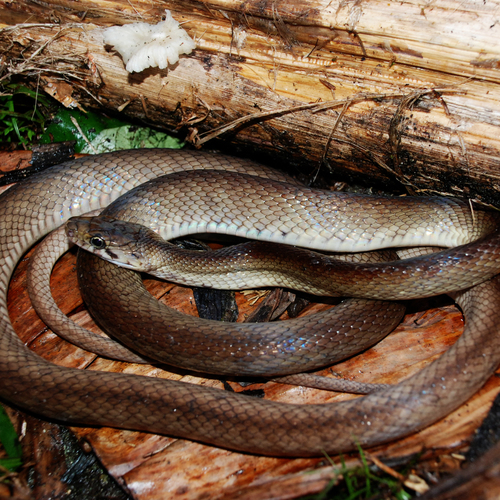 Enggano Rat SnakeCoelognathus enganensisHarmless
Keep learning
- What Is a Snake? Anatomy and the BasicsA clear overview of what makes a snake a snake: limbless body plan, anatomy, evolution from lizards, species diversity, and why they are ectothermic.
- How Snakes Move, Hunt, and EatHow snakes move without legs, hunt as ambushers or active foragers, kill by constriction or venom, and swallow prey wider than their head.
- What Do Snakes Eat?All snakes are carnivores. Learn what snakes eat, how diet changes with size and age, how often they feed, and how they hunt and swallow prey.
- Venomous vs Nonvenomous: How to Tell the DifferenceThe folk rules for telling venomous snakes apart, where each one fails, and why location-based identification beats guessing by sight.