
Genus · Viperidae
Types of adders
6 species make up the genus Causus, the snakes commonly called adders. All of them are venomous.
About night adders
Causus are stout little African vipers that break almost every rule people expect from a viper.
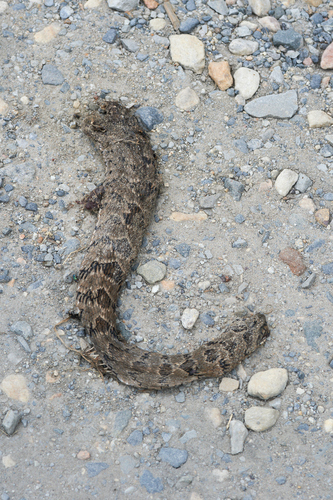
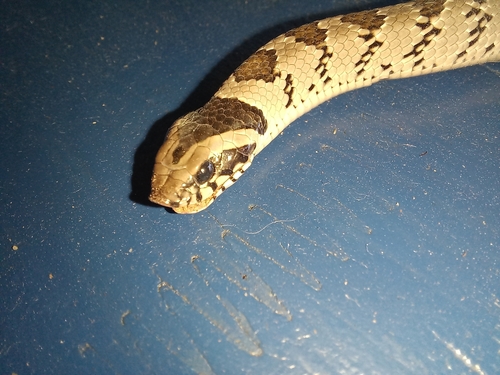
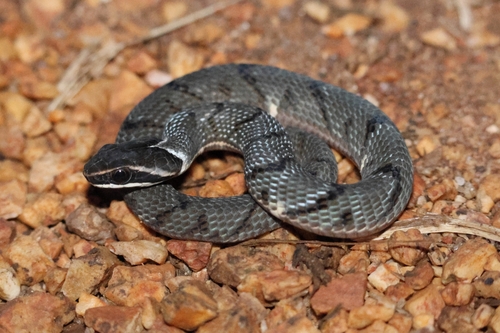
Causus is a small genus of vipers, family Viperidae, known in plain English as the night adders. Six species are recognized in our database, all native to sub-Saharan Africa. Although they belong to the viper family alongside heavyweights like puff adders and bush vipers, night adders look and behave unusually for the group. They have rounded heads that are barely distinct from the neck, round pupils rather than the vertical slit pupils typical of most vipers, and smooth or weakly keeled scales. These traits make them look more like a harmless colubrid at first glance, which is exactly why careful identification matters.
These are ground-dwelling snakes of moderate to low elevation across much of Africa south of the Sahara. They turn up in savanna, grassland, open woodland, the edges of forest, and frequently in gardens, farmland, and around human dwellings where moisture and prey are reliable. Several species favor damp habitats because their main food, amphibians, concentrates near water and seasonal wetlands. The name night adder reflects a tendency toward dusk and nighttime activity, though they may also move on overcast or rainy days.
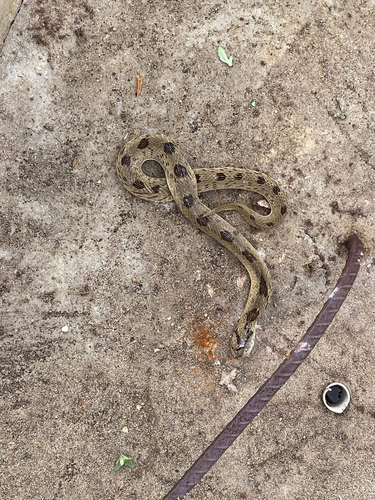
In general terms, a night adder is a small, thick-bodied snake usually under a meter long, with a short tail and a blunt head. Many species carry a pattern of darker blotches or rhombic markings down the back over a brown, gray, or olive ground color, and a number show a dark V or chevron mark on the top of the head. Because the round pupils and unobtrusive head can fool people into thinking the snake is non-venomous, the safest approach is to treat any unidentified African snake as potentially dangerous and leave it alone.
Night adders are venomous front-fanged vipers, not rear-fanged, and they are medically significant even though they are not among Africa's deadliest snakes. Their venom is primarily cytotoxic, and bites typically cause intense local pain, marked swelling, and tissue inflammation; serious systemic effects and fatalities are uncommon but the local injury can be substantial. One unusual feature is that Causus species have notably long venom glands extending back along the body. This is not a snake to handle, photograph closely, or attempt to capture or move by hand. If a bite occurs, treat it as a medical emergency: keep the person calm and still, immobilize the limb, remove rings and tight items, and get to professional emergency care immediately. In the United States contact Poison Control at 1-800-222-1222, and elsewhere call local emergency services.
Ecologically, night adders are toad and frog specialists, a diet that is unusual among vipers and ties them to wetter microhabitats. They hunt mostly by ambush and active foraging at lower light. Behaviorally they tend to be quick to defend themselves: when threatened many will inflate the body, hiss loudly, and adopt a striking coil, sometimes flattening or raising the forebody. Reproduction is another departure from typical vipers, because Causus species lay eggs rather than giving live birth, which is rare in the viper family. Like other vipers they are predators that help control amphibian and small prey populations, and they are best appreciated at a respectful distance.
Causus belongs to the Viperidae family (Vipers & pit vipers). Heavy-bodied venomous snakes with long, hinged, hollow fangs. Broad, triangular head distinct from a narrow neck, heavy body, and (usually) vertical, cat-like pupils. Pit vipers also have a heat-sensing pit; true vipers do not.
Danger: Every viper is venomous, and the family includes some of the world's most medically important snakes. Venom is typically hemotoxic, causing pain, swelling, tissue damage, and bleeding. Treat any viper bite as a medical emergency.
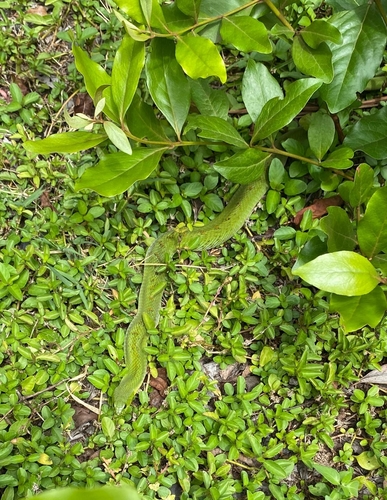
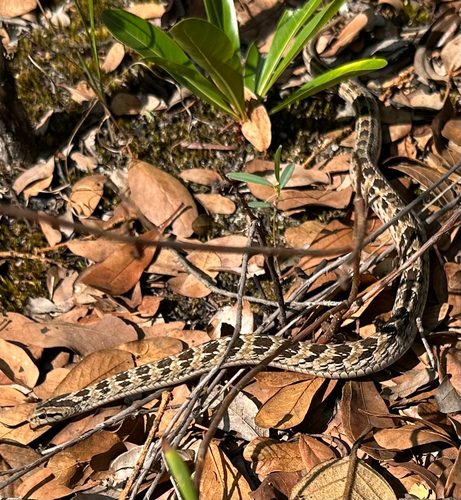
All species (6)
Keep learning
- Venomous vs Nonvenomous: How to Tell the DifferenceThe folk rules for telling venomous snakes apart, where each one fails, and why location-based identification beats guessing by sight.
- Are Snakes Dangerous? The Real Risk, in PerspectiveMost snakes are harmless and avoid people. Here is the honest picture of snakebite risk worldwide and how to lower your own.
- Snake Venom Explained: How It Works and WhyWhat snake venom actually is, why it evolved, the main venom types, fang delivery, how antivenom works, and why ranking the most venomous snake is hard.
- How Snakes Move, Hunt, and EatHow snakes move without legs, hunt as ambushers or active foragers, kill by constriction or venom, and swallow prey wider than their head.