
Genus · Elapidae
Types of sea snakes
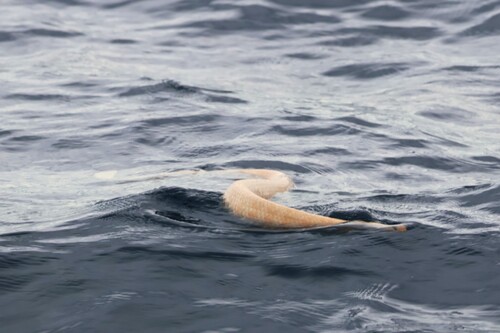
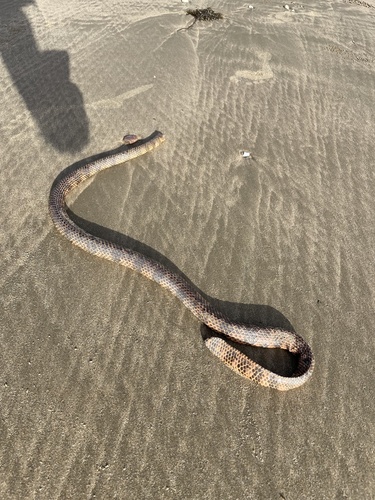
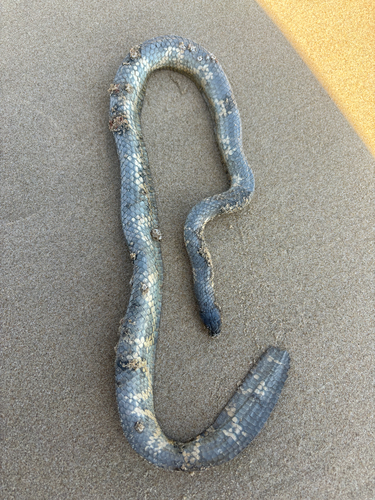
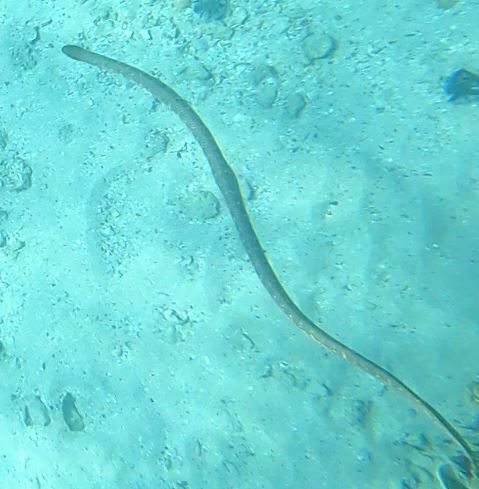
6 species make up the genus Aipysurus, the snakes commonly called sea snakes. All of them are venomous.
About olive sea snakes
Aipysurus is a genus of fully marine, front-fanged sea snakes that spend their entire lives in tropical Indo-Pacific waters.
Aipysurus is a genus in the family Elapidae, the same family that includes cobras, mambas, and Australian land elapids. Its members are true sea snakes, a lineage of elapids that returned to the ocean and adapted to live there permanently. Our database holds 6 species in this genus, including the Olive Sea Snake, the Reef Shallows Sea Snake, the Mosaic Sea Snake, and the Shark Bay Sea Snake.
These snakes live in the warm coastal waters of the Indo-West Pacific, with the greatest diversity around northern Australia, the Timor Sea, and the reefs of New Guinea and southeast Asia. Typical habitat is shallow tropical sea floor: coral reefs, rocky reef flats, seagrass beds, and sandy or silty bottoms. Unlike the sea kraits, which come ashore to lay eggs and rest, Aipysurus species are highly aquatic and rarely if ever leave the water.
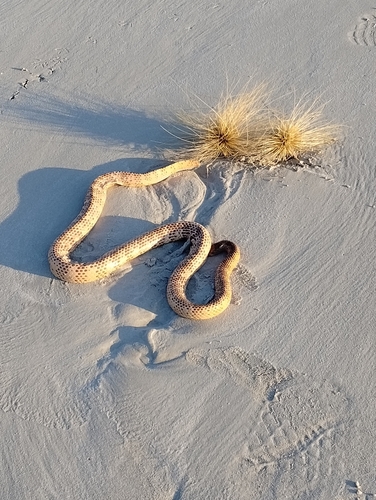
In general terms, members are recognized by adaptations to ocean life rather than by one single color pattern. They have a paddle-shaped, laterally flattened tail that works like an oar, valved nostrils set high on the snout, and a body built for swimming rather than crawling. Coloration ranges from plain olive or brown in the well-known Olive Sea Snake to banded or mottled patterns in others. Because identification at the species level is difficult and several species are poorly studied, the safest approach is to treat any sea snake in this range as a venomous marine elapid.
Aipysurus species are venomous front-fanged elapids and should be considered dangerous. Sea snakes are generally not aggressive and many bites happen when an animal is handled, trodden on, or caught in nets, but the venom of marine elapids can be medically serious. Do not handle, corner, or attempt to identify a wild sea snake by touch. If a bite occurs, treat it as a medical emergency and seek care immediately: in the United States contact Poison Control at 1-800-222-1222, and anywhere call local emergency services.
Ecologically these are reef predators. They forage along the bottom, and several species feed heavily on fish and fish eggs, probing crevices and burrows for prey. Like other true sea snakes, Aipysurus are viviparous, giving birth to live young in the water rather than laying eggs on land, which removes any need to return to shore. They surface periodically to breathe but can remain submerged for long stretches between breaths.
Aipysurus belongs to the Elapidae family (Cobras, mambas, coral & sea snakes). Front-fanged venomous snakes, many with potent neurotoxic venom. Usually slender with a head barely wider than the neck and fixed front fangs (not the folding fangs of vipers). Coral snakes are boldly ringed; sea snakes have a flattened, paddle-like tail.
Danger: All elapids are venomous and the family is responsible for a large share of fatal snakebites worldwide. Many are shy, but bites can be life-threatening. Treat any bite as a medical emergency.
All species (6)

Keep learning
- Venomous vs Nonvenomous: How to Tell the DifferenceThe folk rules for telling venomous snakes apart, where each one fails, and why location-based identification beats guessing by sight.
- Are Snakes Dangerous? The Real Risk, in PerspectiveMost snakes are harmless and avoid people. Here is the honest picture of snakebite risk worldwide and how to lower your own.
- Snake Venom Explained: How It Works and WhyWhat snake venom actually is, why it evolved, the main venom types, fang delivery, how antivenom works, and why ranking the most venomous snake is hard.
- How Snakes Move, Hunt, and EatHow snakes move without legs, hunt as ambushers or active foragers, kill by constriction or venom, and swallow prey wider than their head.