
Genus · Acrochordidae
Types of file snakes
3 species make up the genus Acrochordus, the snakes commonly called file snakes. None are considered dangerous to humans.
About file snakes
Loose, baggy-skinned aquatic snakes whose rasp-like scales feel like a file, built almost entirely for life in the water.
Acrochordus is the only genus in the family Acrochordidae, a small and ancient lineage of aquatic snakes found across South and Southeast Asia, northern Australia, and nearby islands. The genus holds just three species, including the Little File Snake, the Arafura File Snake, and the Javan File Snake. They sit on their own branch of the snake family tree, distinct from the typical land snakes and from the venomous sea snakes they sometimes share water with.
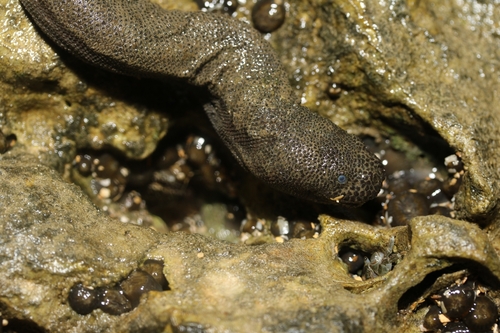
These snakes are immediately recognizable by their skin. The body is covered in small, rough, granular scales that do not overlap like the smooth shingled scales of most snakes, giving the animal a sandpaper or file-like texture that the common name describes. The skin is noticeably loose and baggy, hanging in folds on the body, and there are no enlarged belly scales for crawling. The rough hide helps them grip slippery prey.
File snakes live in freshwater, estuaries, and coastal marine waters depending on the species, favoring rivers, swamps, tidal creeks, and mangroves. They are highly aquatic and move clumsily on land because they lack the broad belly scales that other snakes use to push forward. They are slow, secretive ambush hunters that often lie still in the water and use their rough skin to seize and hold fish, which make up most of their diet.
Acrochordus snakes are non-venomous and not considered dangerous to people. They have no fangs or venom and rely on gripping and constriction to subdue fish rather than a bite that harms humans. Even so, any wild snake should be observed and not handled, since handling stresses the animal and a frightened snake can still bite, and wild animals can carry their own hazards. Let any wild snake move along on its own.
Reproduction in this group is live-bearing rather than egg-laying, with females giving birth to fully formed young after carrying them through development. The Arafura File Snake in particular has been studied for its very low metabolism and long intervals between meals and reproduction, a slow-living strategy that suits an animal that waits patiently in the water for fish to come within reach.
Acrochordus belongs to the Acrochordidae family (File & wart snakes). Fully aquatic snakes with baggy, file-rough skin. Loose, baggy, sandpapery skin and a flabby body; unmistakable in the water.
Danger: Harmless. No venom.
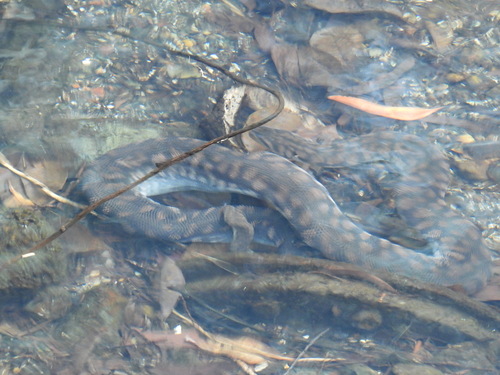
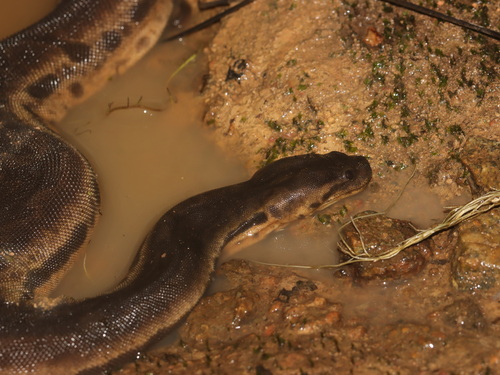
All species (3)
Keep learning
- What Is a Snake? Anatomy and the BasicsA clear overview of what makes a snake a snake: limbless body plan, anatomy, evolution from lizards, species diversity, and why they are ectothermic.
- How Snakes Move, Hunt, and EatHow snakes move without legs, hunt as ambushers or active foragers, kill by constriction or venom, and swallow prey wider than their head.
- What Do Snakes Eat?All snakes are carnivores. Learn what snakes eat, how diet changes with size and age, how often they feed, and how they hunt and swallow prey.
- Venomous vs Nonvenomous: How to Tell the DifferenceThe folk rules for telling venomous snakes apart, where each one fails, and why location-based identification beats guessing by sight.