
U.S. Virgin Islands
Snakes in U.S. Virgin Islands
10+ snake species have been recorded in U.S. Virgin Islands, and none are venomous.
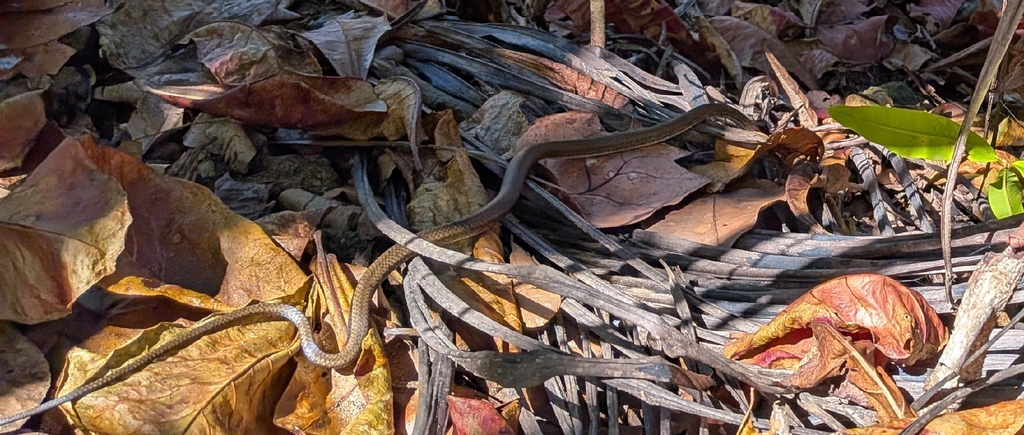
Snakes of U.S. Virgin Islands
The U.S. Virgin Islands sit in the eastern Caribbean and are made up of three main islands, St. Croix, St. Thomas, and St. John, plus dozens of small cays. Our database records 10+ snake species across the territory, and none of them are recorded as venomous. As small tropical islands, the Virgin Islands support a snake fauna shaped by limited land area, dry forest and moist forest pockets, coastal scrub, rocky hillsides, and human-altered yards and gardens. Island geography keeps overall diversity modest, but it also means several of the snakes here are small, secretive, and closely tied to specific microhabitats.
On the question of venom, the picture for the Virgin Islands is straightforward. There are no established populations of front-fanged venomous snakes such as pit vipers or coral snakes on these islands. The native land snakes are non-venomous constrictors and small burrowing or ground-dwelling species. This is typical of many Caribbean islands, where the dangerous mainland snake groups simply never colonized or did not persist. In practical terms, a person in the U.S. Virgin Islands is not facing a native snake with a medically significant bite.
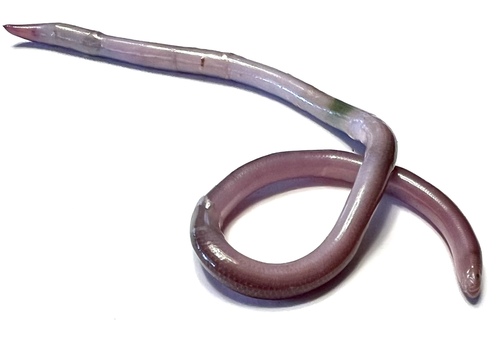
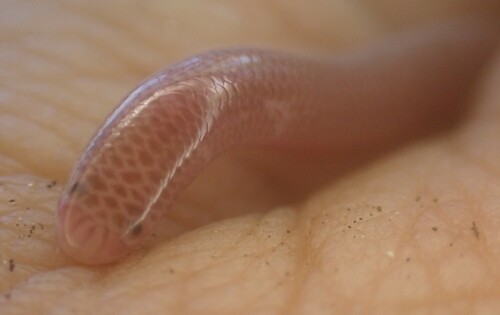
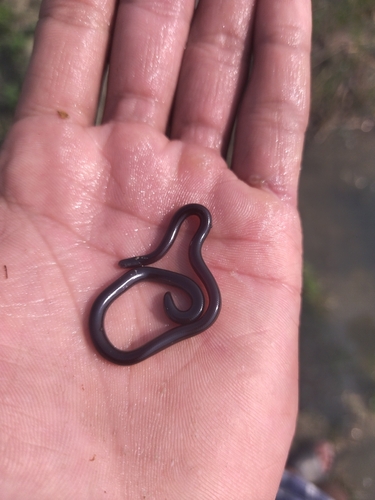
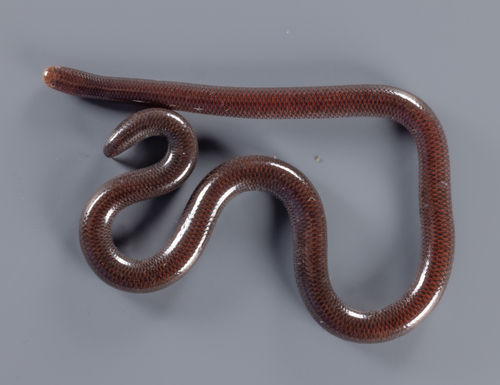
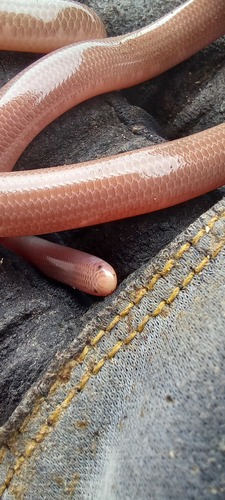
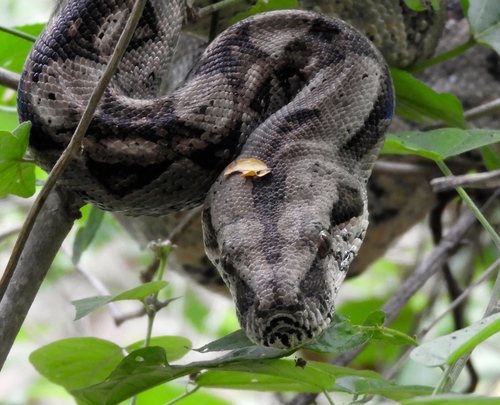
The harmless majority defines the local fauna. The best known resident is the Virgin Islands boa, a slender nocturnal constrictor that is a conservation priority and is protected; it is non-venomous and kills small prey by constriction. Alongside it are small ground snakes and the tiny blindsnakes and threadsnakes, worm-like burrowers that spend most of their lives in soil and leaf litter feeding on ant and termite brood. These secretive species are easy to overlook and are entirely harmless to people. Together they make up a fauna of small, low-profile snakes rather than large or aggressive ones.
Ecologically, these snakes earn their place. The boas and ground snakes help control populations of rodents, lizards, and large insects, while the blindsnakes and threadsnakes regulate ant and termite colonies in the soil. In a constrained island ecosystem, that pest control is meaningful, and the snakes themselves are prey for birds and other predators, linking parts of the food web. Several island snakes are also vulnerable to habitat loss and introduced predators such as cats and mongooses, which makes their protection part of keeping these ecosystems balanced.
On safety, the honest summary is reassuring. With no venomous snakes recorded here, the species you may encounter are not a medical threat, and the main sensible response to any snake is simply to leave it alone and let it move off. Even so, no wild snake should be picked up or handled, both for your safety and because protected species like the Virgin Islands boa must not be disturbed. If a bite of any kind occurs and you are worried, seek medical care; in the U.S. Virgin Islands you can contact emergency services or reach U.S. Poison Control at 1-800-222-1222. When venomous snakebite is ever a concern anywhere, the real treatment is antivenom and supportive hospital care, not field remedies.
Snakes in U.S. Virgin Islands: FAQ
- Are there venomous snakes in U.S. Virgin Islands?
- No venomous snakes have verified records in U.S. Virgin Islands. Every snake recorded here is harmless to humans, though any snake may bite defensively if handled.
- How many snake species live in U.S. Virgin Islands?
- 10+ snake species have verified records in U.S. Virgin Islands.
- What is the most commonly seen snake in U.S. Virgin Islands?
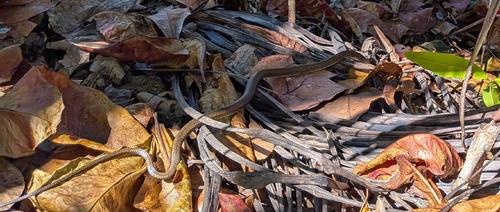
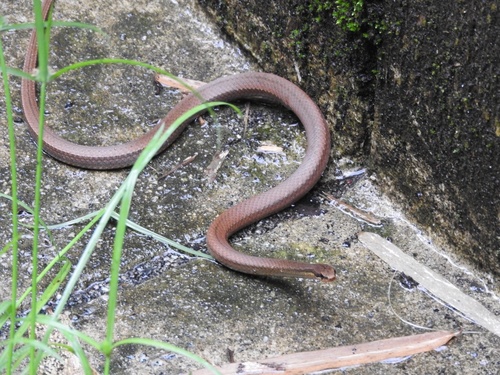
- The Puerto Rican Racer is the most frequently reported snake in U.S. Virgin Islands, based on verified wildlife observations.
Every snake recorded in U.S. Virgin Islands
10+ species across 3 families, grouped by family. Venomous flagged.
Typhlopidae (6)
Colubridae (4)
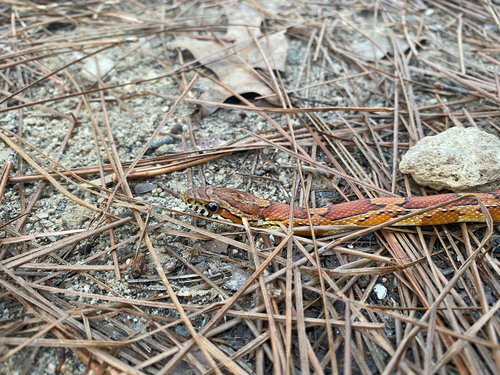
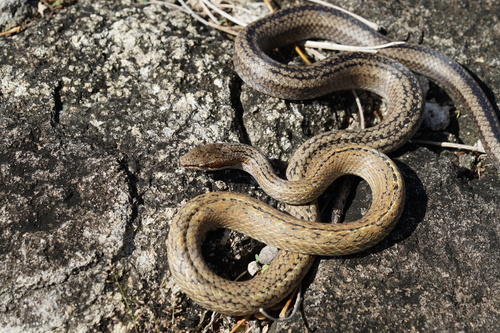
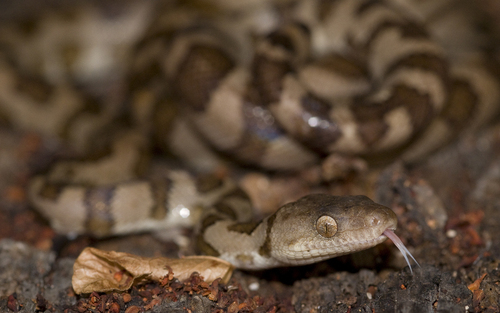
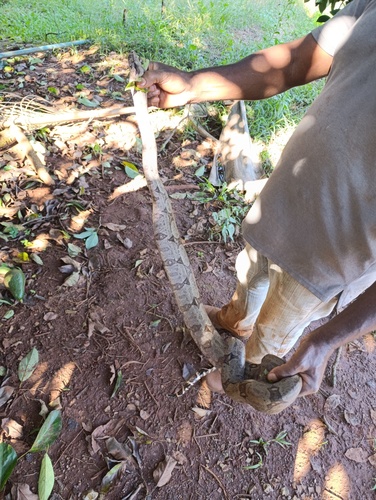

Compiled from verified GBIF & iNaturalist observations. "How often seen" reflects how frequently a snake is reported here, not how dangerous it is. Informational only.
Keep learning
- What Is a Snake? Anatomy and the BasicsA clear overview of what makes a snake a snake: limbless body plan, anatomy, evolution from lizards, species diversity, and why they are ectothermic.
- What to Do If You Find a SnakeFound a snake at home or on a trail? Here is how to stay calm, give it space, identify it safely, and know when to call a professional.
- How to Keep Snakes Out of Your Yard and HomeA practical guide to keeping snakes out of your yard and home using habitat changes that work, plus what to skip and what to do if one shows up.
- Are Snakes Dangerous? The Real Risk, in PerspectiveMost snakes are harmless and avoid people. Here is the honest picture of snakebite risk worldwide and how to lower your own.