
United States Minor Outlying Islands
Snakes in United States Minor Outlying Islands
3 snake species have been recorded in United States Minor Outlying Islands, 1 venomous.
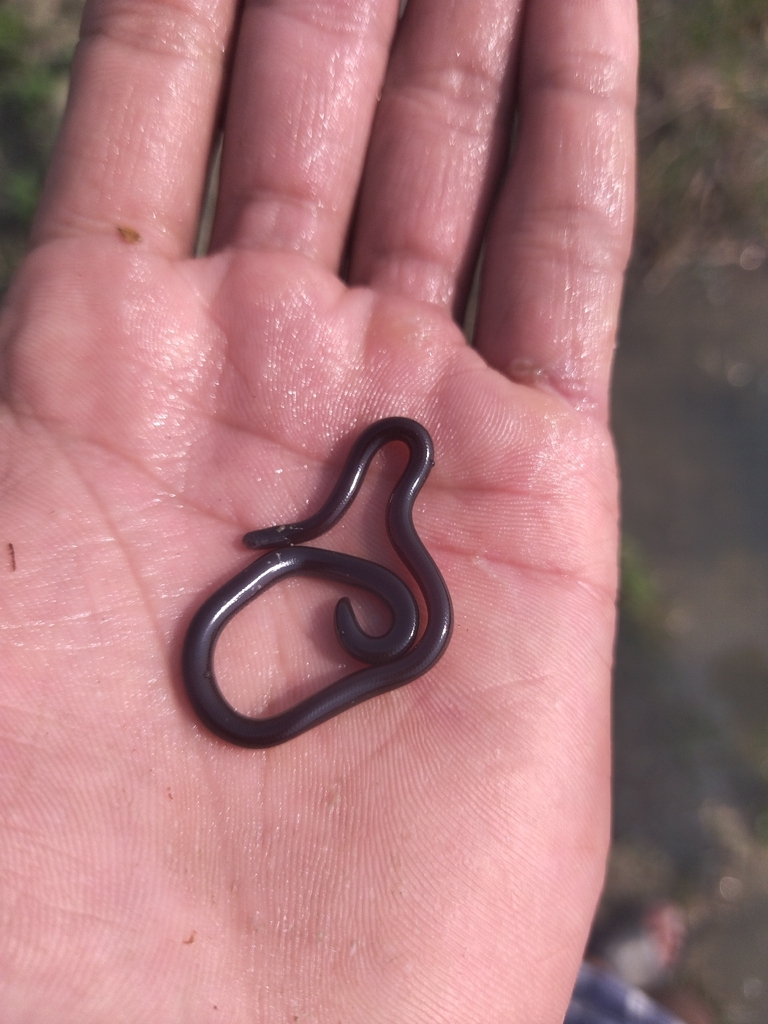
Snakes of United States Minor Outlying Islands
The United States Minor Outlying Islands are a scattered group of tiny, mostly uninhabited Pacific and Caribbean islands and atolls, including places like Wake Island, Midway, Howland, Baker, Johnston Atoll, Palmyra, and Navassa. These are isolated specks of land, coral reef, sand, and low scrub surrounded by open ocean. That isolation is the single most important fact about their snake fauna. Remote oceanic islands rarely have native land snakes, because snakes cannot easily cross hundreds or thousands of miles of saltwater to colonize them. What snakes do occur here are tied to coastlines, lagoons, and the warm surrounding sea rather than to forests or grasslands, and the recorded diversity is very low: just 3 species in our database.
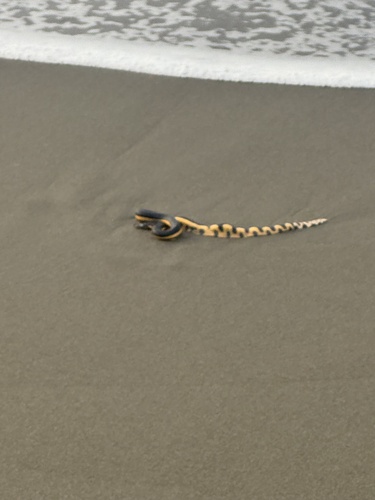
Of those 3 recorded species, 1 is venomous. The venomous element here is marine rather than terrestrial. The warm tropical Pacific waters around these islands fall within the range of sea snakes, including the yellow-bellied sea snake, a wide-ranging open-ocean species that drifts on currents across the entire tropical Pacific and Indian Ocean. Sea snakes are highly venomous as a group, but they are creatures of the water, feeding on fish and spending their lives at sea. They are not encountered on dry land in the way a person walks past a snake in a yard, and they are not aggressive toward people who leave them alone. A sea snake found washed up on a beach should never be picked up.
The remaining species are non-venomous, which fits the broad pattern that the great majority of snakes anywhere are harmless. On islands like these, harmless snakes are typically associated with the shoreline and the marine environment rather than with inland habitat, since there is little true inland habitat to speak of. Given how small, remote, and largely uninhabited these islands are, snake encounters of any kind are uncommon. There is no large terrestrial snake fauna to navigate here, and most visitors and personnel will never see a snake at all.
Snakes play a real ecological role even where they are few. Sea snakes are predators of reef and lagoon fish and their eggs, and they help regulate those populations as part of the broader marine food web. They are in turn prey for sharks and large fish. On fragile island and atoll ecosystems, every native predator and prey relationship matters, and the snakes present are a small but genuine part of how these systems function.
On safety, the honest summary is that most snakes here are harmless and snake encounters are rare overall. The one meaningful medical concern is the venomous sea snake, whose bite is a serious matter requiring immediate professional medical care. No wild snake, and especially no venomous one, is safe to handle, including one that appears dead or stranded on a beach. If a bite occurs, the correct response is to get the person to emergency medical care without delay, where antivenom and hospital treatment are the proven options. In the United States and its territories you can reach Poison Control at 1-800-222-1222, or contact local emergency services. Do not rely on field remedies; professional treatment is what works.
Snakes in United States Minor Outlying Islands: FAQ
- Are there venomous snakes in United States Minor Outlying Islands?
- Yes. 1 venomous snake species has verified records in United States Minor Outlying Islands, including Yellow-bellied Sea Snake. Most snakes in United States Minor Outlying Islands, however, are harmless.
- How many snake species live in United States Minor Outlying Islands?
- 3 snake species have verified records in United States Minor Outlying Islands, of which 1 is venomous.
- What is the most commonly seen snake in United States Minor Outlying Islands?
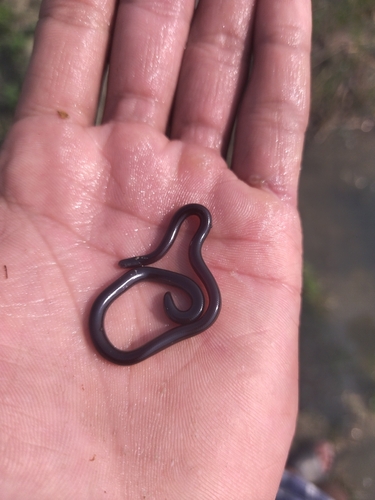
- The Brahminy Blindsnake is the most frequently reported snake in United States Minor Outlying Islands, based on verified wildlife observations.
- What should I do if I see a venomous snake in United States Minor Outlying Islands?
- Keep your distance and do not try to catch or kill it. Most bites happen when people handle or corner a snake. If someone is bitten, contact local emergency services or poison control immediately.
Venomous snakes in United States Minor Outlying Islands
Every snake recorded in United States Minor Outlying Islands
3 species across 3 families, grouped by family. Venomous flagged.
Typhlopidae (1)
Tropidophiidae (1)
Compiled from verified GBIF & iNaturalist observations. "How often seen" reflects how frequently a snake is reported here, not how dangerous it is. Informational only.
Keep learning
- Are Snakes Dangerous? The Real Risk, in PerspectiveMost snakes are harmless and avoid people. Here is the honest picture of snakebite risk worldwide and how to lower your own.
- Snakebite First Aid: What to Do (and What Never to Do)A clear, CDC-based guide to snakebite first aid: the steps that help, the popular myths that hurt, and how to tell a serious bite from a minor one.
- Venomous vs Nonvenomous: How to Tell the DifferenceThe folk rules for telling venomous snakes apart, where each one fails, and why location-based identification beats guessing by sight.
- What to Do If You Find a SnakeFound a snake at home or on a trail? Here is how to stay calm, give it space, identify it safely, and know when to call a professional.