
Saint Kitts and Nevis
Snakes in Saint Kitts and Nevis
7 snake species have been recorded in Saint Kitts and Nevis, and none are venomous.
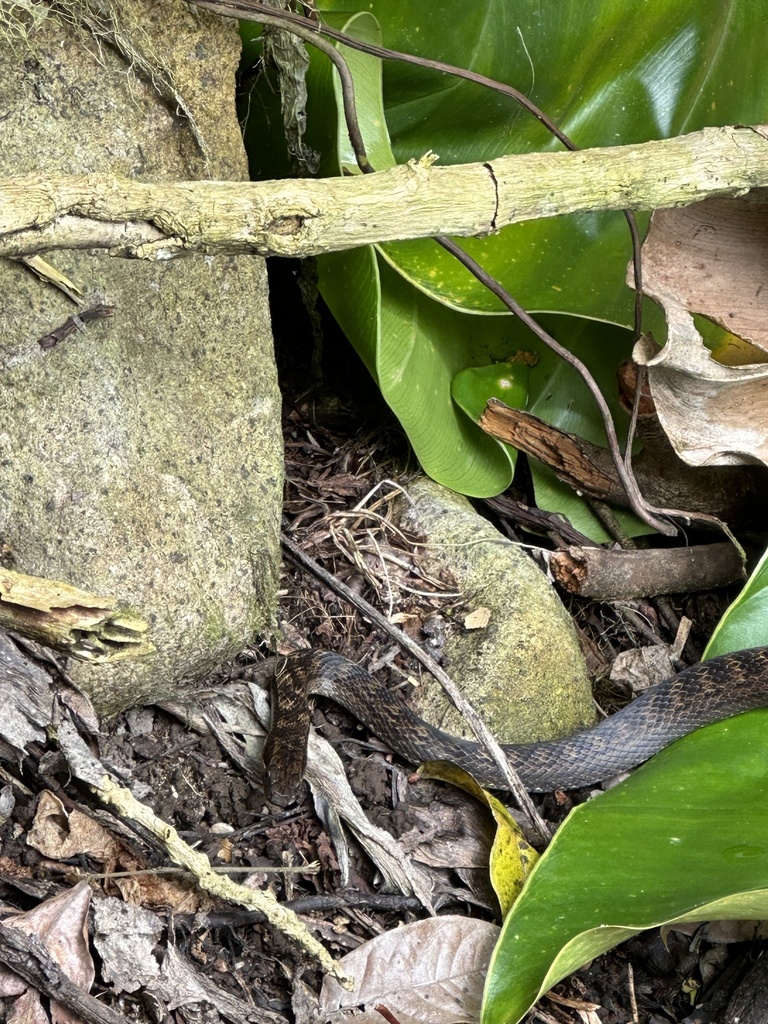
Snakes of Saint Kitts and Nevis
Saint Kitts and Nevis is a two-island federation in the northern Lesser Antilles, formed from volcanic peaks that rise steeply from the Caribbean Sea. The islands are small, with high central forested mountains, drier coastal lowlands, sugar-estate grasslands, ravines known locally as ghauts, and scattered wetlands. This compressed range of habitats, set on land that has been isolated by ocean for a long time, gives the islands a modest snake fauna rather than the rich diversity found on the South American mainland. Our database records 7 snake species for Saint Kitts and Nevis, and none of them are recorded as venomous.
There are no medically dangerous venomous snakes established on Saint Kitts and Nevis. This is the normal pattern for these small, oceanic Lesser Antilles islands: the dangerous pit vipers of the region, such as the lanceheads found on a few larger islands like Martinique and Saint Lucia, never colonized Saint Kitts or Nevis. The snakes present here belong to harmless groups. Any account of a highly venomous snake on these islands should be treated as a misidentification, an escaped or imported animal, or confusion with marine life rather than evidence of an established dangerous population.
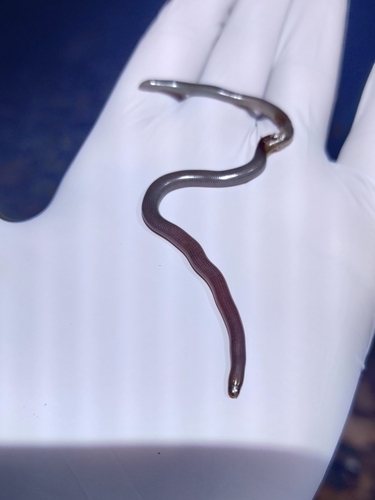
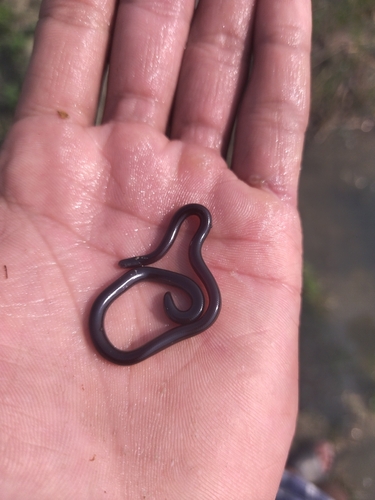
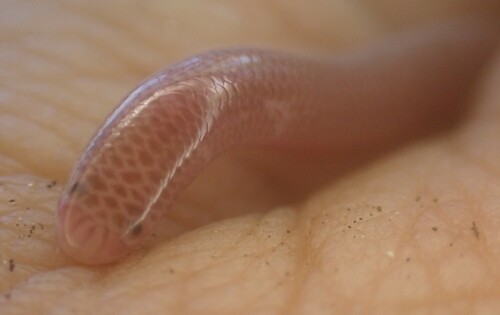
The great majority of the islands' snakes are small, non-venomous, and inoffensive. The fauna is dominated by groups typical of the eastern Caribbean: slender, burrowing blind snakes and threadsnakes that look like dark worms and spend most of their lives in soil and leaf litter, along with small terrestrial colubrid-type snakes that hunt lizards, frogs, and invertebrates in the ghauts and forest floor. These are secretive animals, more often turned up under stones or logs than seen in the open, and they pose no threat to people.
Snakes are a working part of the islands' ecology. The small ground snakes and blind snakes help control insects, lizards, and other invertebrates, and in turn feed birds and larger predators. On islands where introduced mongooses and rats have pressured native reptiles, the surviving snakes are an indicator of habitat health in the remaining forest and ghaut systems. Protecting their habitat supports the broader balance of the island ecosystems.
For safety, the practical picture is simple: the snakes you may encounter on Saint Kitts and Nevis are non-venomous, and there is no established dangerous snake here. Even so, never handle a wild snake, and do not assume any snake is safe to pick up, because handling stresses the animal and risks bites and misidentification. If a bite occurs, or you are unsure what bit you, seek medical care promptly. Definitive treatment for a serious snakebite is hospital care, with antivenom given only when a physician determines it is needed. In the United States you can reach Poison Control at 1-800-222-1222; on the islands, contact local emergency services.
Snakes in Saint Kitts and Nevis: FAQ
- Are there venomous snakes in Saint Kitts and Nevis?
- No venomous snakes have verified records in Saint Kitts and Nevis. Every snake recorded here is harmless to humans, though any snake may bite defensively if handled.
- How many snake species live in Saint Kitts and Nevis?
- 7 snake species have verified records in Saint Kitts and Nevis.
- What is the most commonly seen snake in Saint Kitts and Nevis?
- The Red-bellied Racer is the most frequently reported snake in Saint Kitts and Nevis, based on verified wildlife observations.
Every snake recorded in Saint Kitts and Nevis
7 species across 3 families, grouped by family. Venomous flagged.
Typhlopidae (3)
Colubridae (2)
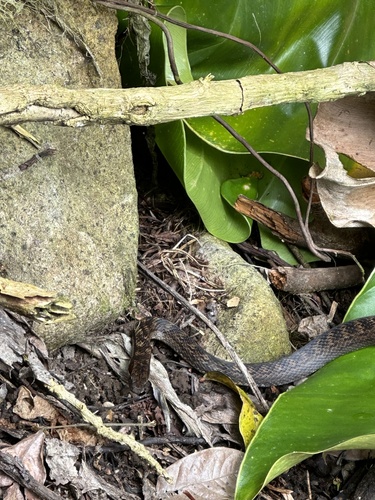
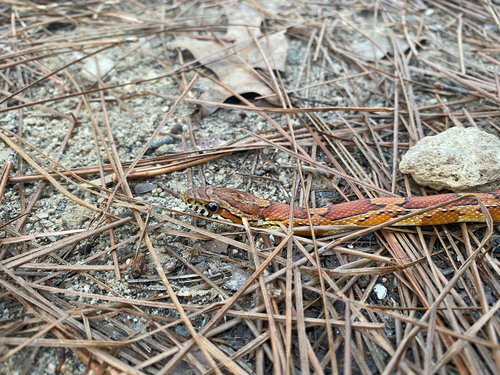
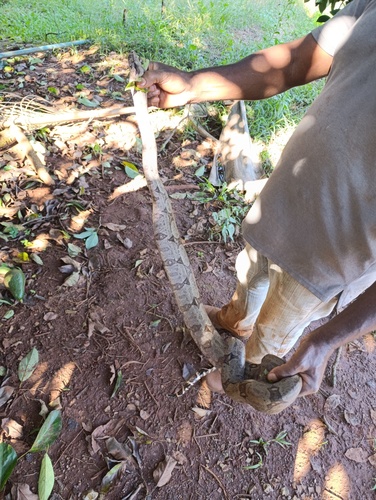
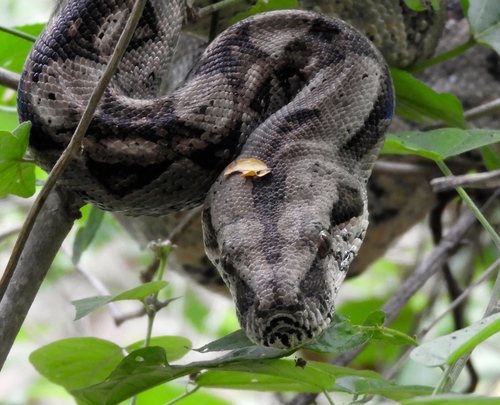
Compiled from verified GBIF & iNaturalist observations. "How often seen" reflects how frequently a snake is reported here, not how dangerous it is. Informational only.
Keep learning
- What Is a Snake? Anatomy and the BasicsA clear overview of what makes a snake a snake: limbless body plan, anatomy, evolution from lizards, species diversity, and why they are ectothermic.
- What to Do If You Find a SnakeFound a snake at home or on a trail? Here is how to stay calm, give it space, identify it safely, and know when to call a professional.
- How to Keep Snakes Out of Your Yard and HomeA practical guide to keeping snakes out of your yard and home using habitat changes that work, plus what to skip and what to do if one shows up.
- Are Snakes Dangerous? The Real Risk, in PerspectiveMost snakes are harmless and avoid people. Here is the honest picture of snakebite risk worldwide and how to lower your own.