
Marshall Islands
Snakes in Marshall Islands
3 snake species have been recorded in Marshall Islands, 1 venomous.
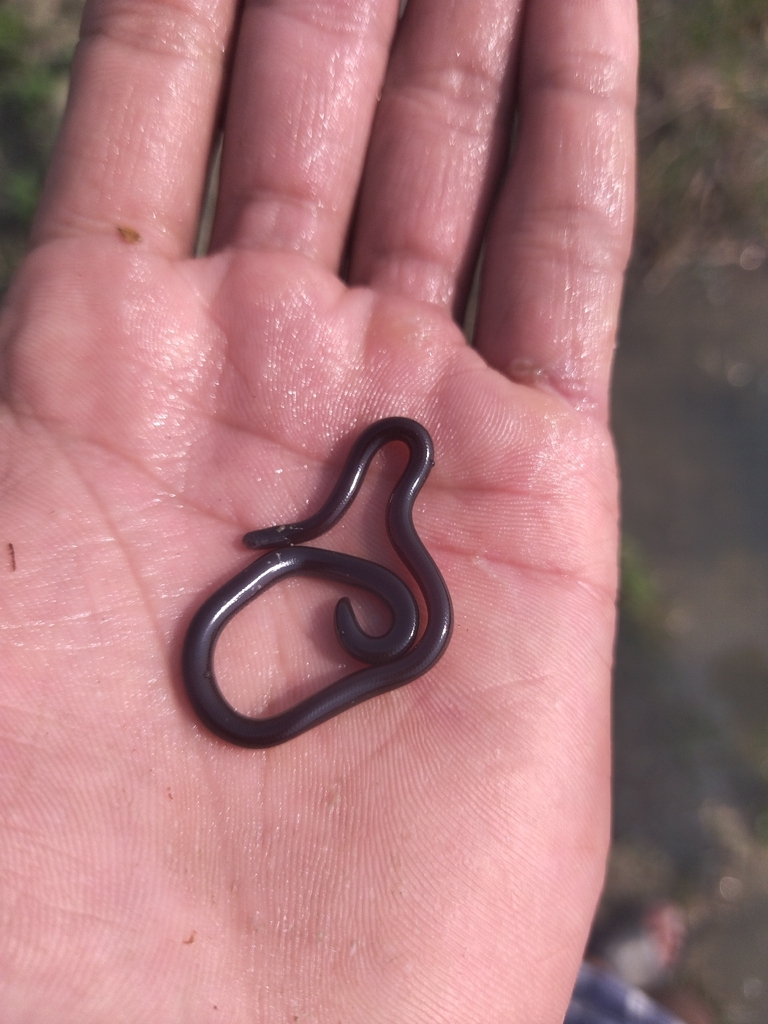
Snakes of Marshall Islands
The Marshall Islands is a chain of low coral atolls and small islands scattered across the central Pacific, and its snake fauna is correspondingly sparse. Our database records 3 snake species for the country, of which 1 is venomous. The overwhelming majority of species here are non-venomous. As a remote oceanic nation with no large landmass, the Marshall Islands never developed the rich terrestrial snake communities found on continents, and what little it has reached the islands by sea or by human movement.
Geography shapes everything about snakes here. The land is flat, sandy, and rarely rises more than a few meters above the ocean, covered with coconut palms, scrub, and beach vegetation around brackish lagoons. There are no forests, mountains, or freshwater rivers to support a diverse reptile community. The most ecologically significant snakes in this setting are not land animals at all but sea snakes, which live in the warm coastal waters and lagoons of the wider Pacific and are adapted to a fully marine life.
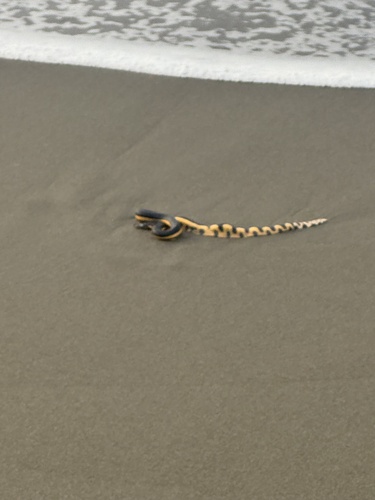
The venomous presence in the Marshall Islands is best understood at the group level rather than through any one well-established land species. Marine sea snakes of the broader Indo-Pacific are front-fanged and venomous, and a snake encountered in or near the water in this region should be treated as potentially dangerous. Sea snakes are generally not aggressive toward people and bites are uncommon, but their venom can be medically serious. On land, the islands lack the large venomous snake families seen on continents, so the practical risk to people on shore is low.
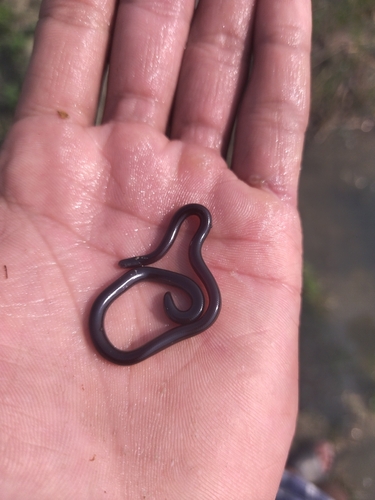
The harmless majority includes small, secretive snakes associated with human-altered ground, the best known being the tiny Brahminy blind snake, a burrowing, worm-like species that lives in soil and leaf litter and is completely harmless. It is often spread accidentally in the soil of potted plants, which is how such snakes reach isolated islands. These small snakes are easy to overlook and pose no threat to people.
Snakes, including sea snakes, play a real ecological role by controlling the small animals and fish they prey on and by serving as food for larger predators, helping keep these island and marine food webs in balance. Most snakes a person may encounter here are harmless, and the main medical concern is a bite from a venomous sea snake in coastal water. No wild snake should ever be handled, venomous or not. If a bite occurs, the correct response is professional medical care, since antivenom and hospital treatment are the established treatment for venomous bites. Contact local emergency services immediately, or in the United States reach Poison Control at 1-800-222-1222.
Snakes in Marshall Islands: FAQ
- Are there venomous snakes in Marshall Islands?
- Yes. 1 venomous snake species has verified records in Marshall Islands, including Yellow-bellied Sea Snake. Most snakes in Marshall Islands, however, are harmless.
- How many snake species live in Marshall Islands?
- 3 snake species have verified records in Marshall Islands, of which 1 is venomous.
- What is the most commonly seen snake in Marshall Islands?
- The Brahminy Blindsnake is the most frequently reported snake in Marshall Islands, based on verified wildlife observations.
- What should I do if I see a venomous snake in Marshall Islands?
- Keep your distance and do not try to catch or kill it. Most bites happen when people handle or corner a snake. If someone is bitten, contact local emergency services or poison control immediately.
Venomous snakes in Marshall Islands
Every snake recorded in Marshall Islands
3 species across 3 families, grouped by family. Venomous flagged.
Typhlopidae (1)
Colubridae (1)
Compiled from verified GBIF & iNaturalist observations. "How often seen" reflects how frequently a snake is reported here, not how dangerous it is. Informational only.
Keep learning
- Are Snakes Dangerous? The Real Risk, in PerspectiveMost snakes are harmless and avoid people. Here is the honest picture of snakebite risk worldwide and how to lower your own.
- Snakebite First Aid: What to Do (and What Never to Do)A clear, CDC-based guide to snakebite first aid: the steps that help, the popular myths that hurt, and how to tell a serious bite from a minor one.
- Venomous vs Nonvenomous: How to Tell the DifferenceThe folk rules for telling venomous snakes apart, where each one fails, and why location-based identification beats guessing by sight.
- What to Do If You Find a SnakeFound a snake at home or on a trail? Here is how to stay calm, give it space, identify it safely, and know when to call a professional.