
Luxembourg
Snakes in Luxembourg
4 snake species have been recorded in Luxembourg, and none are venomous.
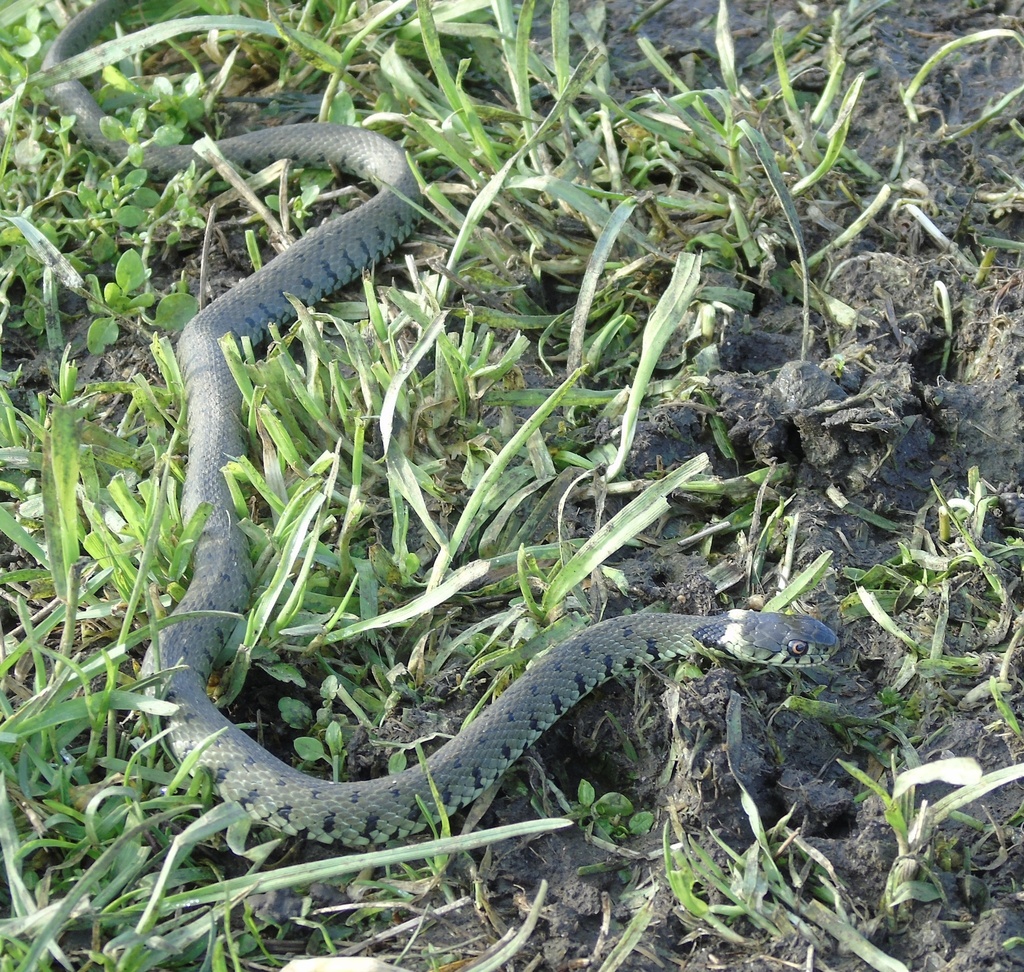
Snakes of Luxembourg
Luxembourg is a small, landlocked country in western Europe, and its snake fauna reflects that compact, temperate setting. Our database records 4 snake species for the country, none of them venomous. The landscape ranges from the wooded, hilly Ardennes in the north to the river valleys, farmland, and warmer slopes of the Gutland in the south. Snakes here concentrate where sun, cover, and prey overlap: forest edges, hedgerows, dry stone walls, railway embankments, heathland, and the banks of the Moselle, Sure, and Our rivers. A cool, moist climate and a short active season mean reptiles are most visible from spring through early autumn, when they bask to regulate body temperature.
There are no established, medically significant venomous snakes in Luxembourg. Europe's only widespread venomous group is the true vipers, and the species most often associated with this part of the continent is the European adder. Luxembourg sits near the western edge of that group's range, and the country is not a stronghold for it. Any genuinely dangerous snakebite risk in this region comes from vipers rather than from the country's common species, all of which are harmless. The practical takeaway is that Luxembourg is a low-risk country for venomous snakes, and the great majority of snakes a person will encounter pose no venom threat at all.
The harmless majority is what defines snake life here. The grass snake is the classic Luxembourg snake, a strong swimmer found near ponds, ditches, and slow water, where it hunts amphibians and often gives itself away by gliding across the surface. The dice snake is another water-associated species tied to clean rivers and their stony margins. Drier, sunlit habitats support smooth, slender snakes that shelter in stone walls and rocky banks and feed on lizards and small prey. None of these constrict or threaten people; their usual defense is to flee, hide, or release a foul-smelling musk, and a grass snake may even feign death rather than bite.
Snakes earn their place in Luxembourg's ecosystems as both predators and prey. By eating amphibians, fish, rodents, lizards, and insects, they help regulate those populations and keep local food webs balanced, while they in turn feed birds of prey, foxes, and other carnivores. Because many of these snakes depend on wetlands, clean rivers, and undisturbed sunny banks, their presence is a useful signal of healthy habitat. Several European snakes are also legally protected, so leaving them undisturbed is both the ecologically sound and the lawful choice.
On safety, the honest summary is that nearly every snake you might meet in Luxembourg is harmless and wants nothing to do with you. The only serious medical concern anywhere in this region would be a viper bite, which is uncommon, and the correct response to any bite that causes spreading pain, swelling, or feeling unwell is professional medical care: get to a hospital, where antivenom and supportive treatment are available. No wild snake should be picked up or handled, even one believed to be harmless, because misidentification and bites happen exactly that way. This page does not provide first-aid procedures; in an emergency, contact local emergency services, or in the United States call Poison Control at 1-800-222-1222.
Snakes in Luxembourg: FAQ
- Are there venomous snakes in Luxembourg?
- No venomous snakes have verified records in Luxembourg. Every snake recorded here is harmless to humans, though any snake may bite defensively if handled.
- How many snake species live in Luxembourg?
- 4 snake species have verified records in Luxembourg.
- What is the most commonly seen snake in Luxembourg?
- The Barred Grass Snake is the most frequently reported snake in Luxembourg, based on verified wildlife observations.
Every snake recorded in Luxembourg
4 species across 1 families, grouped by family. Venomous flagged.
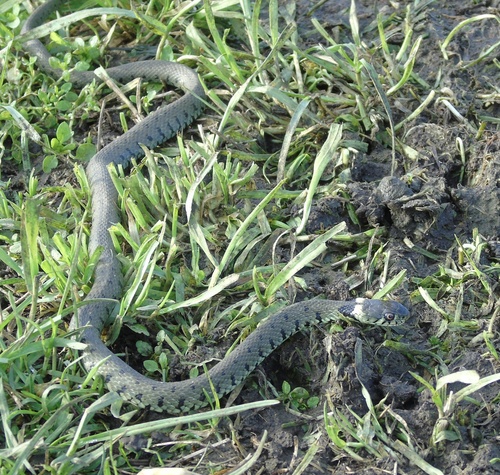
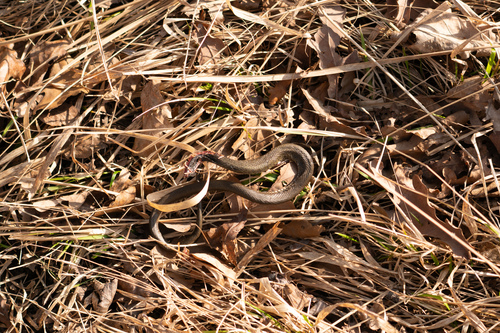
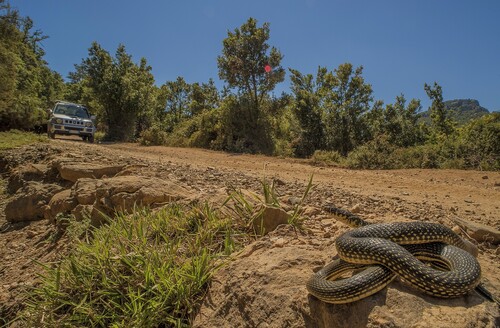
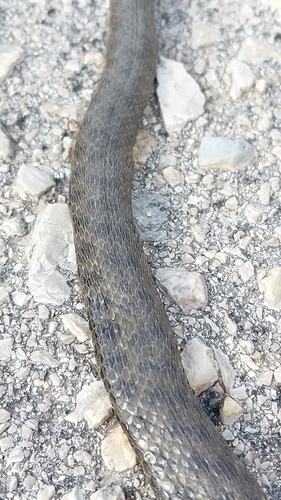
Compiled from verified GBIF & iNaturalist observations. "How often seen" reflects how frequently a snake is reported here, not how dangerous it is. Informational only.
Keep learning
- What Is a Snake? Anatomy and the BasicsA clear overview of what makes a snake a snake: limbless body plan, anatomy, evolution from lizards, species diversity, and why they are ectothermic.
- What to Do If You Find a SnakeFound a snake at home or on a trail? Here is how to stay calm, give it space, identify it safely, and know when to call a professional.
- How to Keep Snakes Out of Your Yard and HomeA practical guide to keeping snakes out of your yard and home using habitat changes that work, plus what to skip and what to do if one shows up.
- Are Snakes Dangerous? The Real Risk, in PerspectiveMost snakes are harmless and avoid people. Here is the honest picture of snakebite risk worldwide and how to lower your own.