
Barbados
Snakes in Barbados
6 snake species have been recorded in Barbados, and none are venomous.

Snakes of Barbados
Barbados is a small, low coral island in the eastern Caribbean, geologically distinct from the volcanic islands of the Lesser Antilles. Its limestone bedrock, gentle terrain, sugarcane fields, gully woodlands, and patches of remnant forest set the stage for a modest snake fauna. Our database records 6 snake species for Barbados, and none of them are recorded as venomous. As on many isolated Caribbean islands, snake diversity here is low, and the species present are small, secretive, and pose no danger to people.
The habitats that shape Barbadian snakes are largely human-altered. Centuries of agriculture replaced most of the original dry forest, so the snakes that persist tend to live in soil, leaf litter, stone walls, gardens, gullies, and the edges of cultivated land. These conditions favor small burrowing and ground-dwelling species rather than large active hunters. The island's size and separation from the mainland also limit how many species could ever establish, which is the main reason the total is so small compared with continental tropics.
On the question of venom, the plain answer for Barbados is that there are no established dangerously venomous snakes. None of the 6 recorded species is a recorded venomous snake in our data, and Barbados is not home to the front-fanged pit vipers found on some nearby continental and larger-island areas. The island's snakes belong to harmless groups: tiny blindsnakes and threadsnakes, which are worm-like burrowers, and small slender colubrid-type ground snakes. These animals are not built to harm humans, and Barbados is correctly regarded as an island with effectively no venomous snake threat.
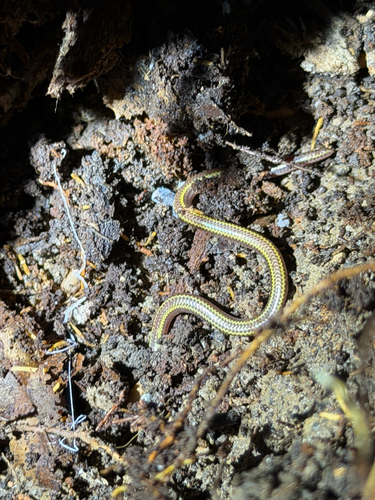
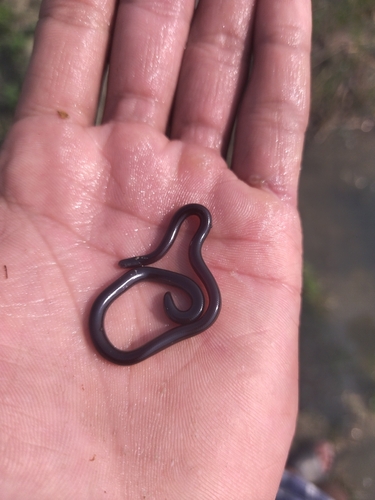
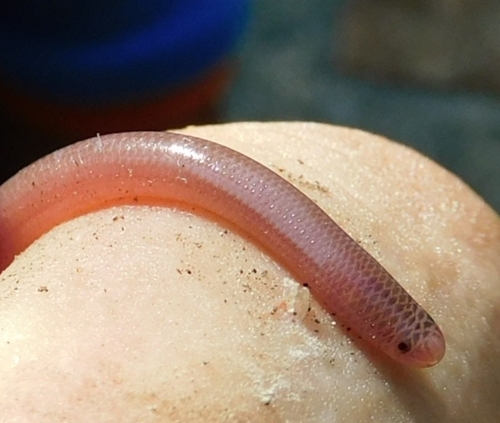
The harmless majority is the whole story here. The best known native is the Barbados threadsnake, among the smallest snakes in the world, a thin, burrowing animal that feeds on ant and termite larvae and is so slender it is often mistaken for an earthworm. Alongside it are other tiny blindsnakes and small ground-dwelling snakes that spend much of their lives hidden in soil and litter. These snakes are inoffensive, easily overlooked, and important parts of the island's natural heritage rather than a hazard.
Ecologically, even small snakes earn their place. The burrowing species help control populations of ants, termites, and other invertebrates, while the larger ground snakes prey on small animals and in turn feed birds and other predators. This keeps soil and garden ecosystems in balance. On safety: the great majority of species here are harmless and Barbados has no established venomous snake threat, but no wild snake should ever be picked up or handled, since identification mistakes and defensive bites are still possible. If a snakebite or any envenomation emergency ever occurs, the correct response is professional medical care. In the United States contact Poison Control at 1-800-222-1222, and anywhere call local emergency services. Antivenom and hospital treatment, where needed, are the proper care, not home remedies.
Snakes in Barbados: FAQ
- Are there venomous snakes in Barbados?
- No venomous snakes have verified records in Barbados. Every snake recorded here is harmless to humans, though any snake may bite defensively if handled.
- How many snake species live in Barbados?
- 6 snake species have verified records in Barbados.
- What is the most commonly seen snake in Barbados?
- The Barbados Threadsnake is the most frequently reported snake in Barbados, based on verified wildlife observations.
Every snake recorded in Barbados
6 species across 4 families, grouped by family. Venomous flagged.
Leptotyphlopidae (2)
Typhlopidae (2)
Colubridae (1)
Boidae (1)
Compiled from verified GBIF & iNaturalist observations. "How often seen" reflects how frequently a snake is reported here, not how dangerous it is. Informational only.
Keep learning
- What Is a Snake? Anatomy and the BasicsA clear overview of what makes a snake a snake: limbless body plan, anatomy, evolution from lizards, species diversity, and why they are ectothermic.
- What to Do If You Find a SnakeFound a snake at home or on a trail? Here is how to stay calm, give it space, identify it safely, and know when to call a professional.
- How to Keep Snakes Out of Your Yard and HomeA practical guide to keeping snakes out of your yard and home using habitat changes that work, plus what to skip and what to do if one shows up.
- Are Snakes Dangerous? The Real Risk, in PerspectiveMost snakes are harmless and avoid people. Here is the honest picture of snakebite risk worldwide and how to lower your own.