
Anguilla
Snakes in Anguilla
3 snake species have been recorded in Anguilla, and none are venomous.
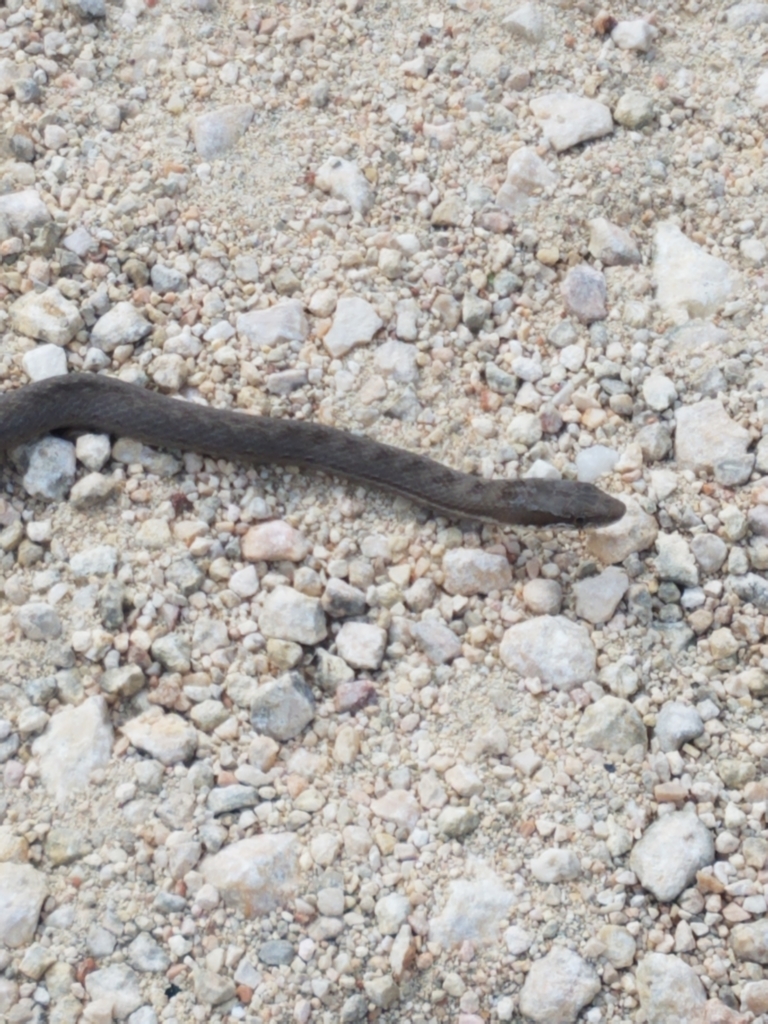
Snakes of Anguilla
Anguilla is a small, low-lying coral and limestone island in the northern Lesser Antilles, the kind of dry Caribbean territory whose reptile life is shaped by scrub, beach, and rock rather than dense rainforest. The terrain is flat and arid, covered largely by thorny scrub, dry woodland, salt ponds, and coastal vegetation. These conditions favor small, heat-tolerant reptiles, and the snake fauna here is correspondingly limited. Our database records 3 snake species for Anguilla, a count typical of a tiny, isolated island where only a handful of lineages ever established and persisted.
None of the snakes recorded for Anguilla are venomous, and across the world the great majority of snake species are non-venomous to begin with. Anguilla has no native population of the dangerous front-fanged pit vipers found on some larger neighboring landmasses, and the small island setting means there is no resident group of snakes capable of delivering a medically serious bite. In practical terms, this is a place where the snakes you might encounter are harmless to people. Saying that plainly is more accurate than implying a hidden threat that the fauna simply does not include.
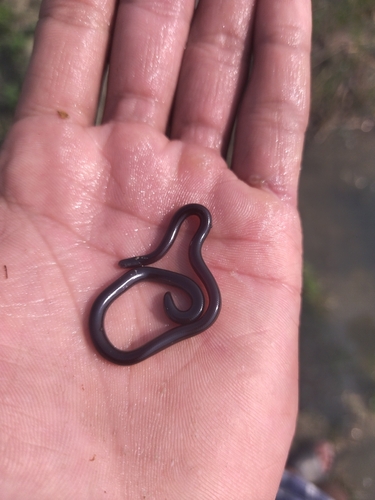
The harmless majority on islands like Anguilla is made up of small, secretive snakes. The smallest are blind snakes, slender burrowing animals often mistaken for earthworms, which live in soil and leaf litter and feed on tiny invertebrates such as ants and termites. Larger but still non-threatening are the slim, fast-moving racers and ground snakes of the wider Lesser Antilles, which hunt lizards and other small prey by day among rocks and scrub. These are the snakes that give the island its quiet, low-profile reptile character: easy to overlook, quick to retreat, and no danger to humans.
Even on a small island, snakes earn their place in the ecosystem. The burrowing blind snakes help regulate populations of ants, termites, and other soil invertebrates, while the larger ground-dwelling snakes are predators of lizards and other small animals, keeping those numbers in check. In turn, snakes are prey for birds and other island predators. On a confined island, every native species carries weight in the food web, and the snakes are no exception. Their presence is a sign of a functioning, if compact, natural system.
On safety, the honest summary for Anguilla is reassuring: the recorded snakes are non-venomous and pose no envenomation threat to people. There is no significant medical snakebite hazard from the island's native snakes. That said, no wild snake should ever be handled or picked up, even a harmless one, because handling stresses the animal and invites bites and other injury. If a bite of any kind occurs, or if there is ever doubt about a snake's identity, the right response is professional medical care rather than home treatment. In the United States, Poison Control can be reached at 1-800-222-1222; in Anguilla and elsewhere, contact local emergency services. Let trained responders and hospital care handle any concern, including antivenom where that is ever needed.
Snakes in Anguilla: FAQ
- Are there venomous snakes in Anguilla?
- No venomous snakes have verified records in Anguilla. Every snake recorded here is harmless to humans, though any snake may bite defensively if handled.
- How many snake species live in Anguilla?
- 3 snake species have verified records in Anguilla.
- What is the most commonly seen snake in Anguilla?
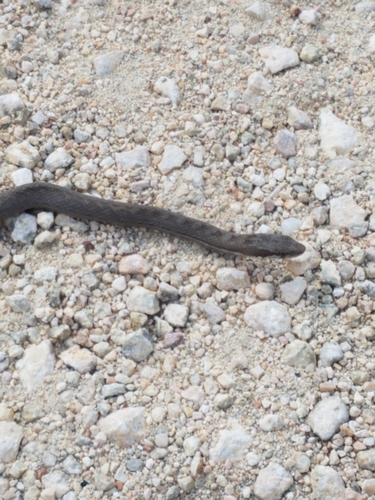
- The Anguilla Bank Racer is the most frequently reported snake in Anguilla, based on verified wildlife observations.
Every snake recorded in Anguilla
3 species across 2 families, grouped by family. Venomous flagged.
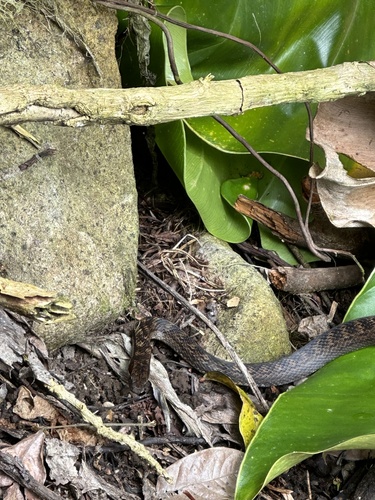
Colubridae (2)
Typhlopidae (1)
Compiled from verified GBIF & iNaturalist observations. "How often seen" reflects how frequently a snake is reported here, not how dangerous it is. Informational only.
Keep learning
- What Is a Snake? Anatomy and the BasicsA clear overview of what makes a snake a snake: limbless body plan, anatomy, evolution from lizards, species diversity, and why they are ectothermic.
- What to Do If You Find a SnakeFound a snake at home or on a trail? Here is how to stay calm, give it space, identify it safely, and know when to call a professional.
- How to Keep Snakes Out of Your Yard and HomeA practical guide to keeping snakes out of your yard and home using habitat changes that work, plus what to skip and what to do if one shows up.
- Are Snakes Dangerous? The Real Risk, in PerspectiveMost snakes are harmless and avoid people. Here is the honest picture of snakebite risk worldwide and how to lower your own.