
American Samoa
Snakes in American Samoa
2 snake species have been recorded in American Samoa, and none are venomous.
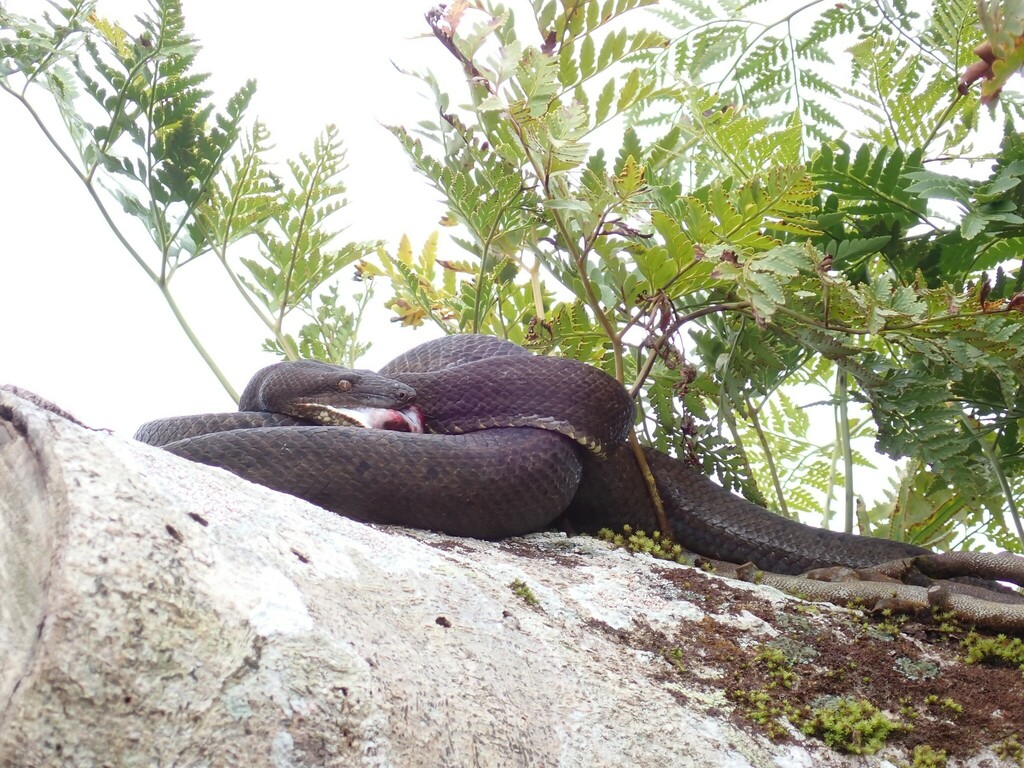
Snakes of American Samoa
American Samoa is a small group of volcanic islands and coral atolls in the central South Pacific, including Tutuila, the Manu'a islands, Rose Atoll, and Swains Island. The terrain runs from steep, forested volcanic ridges and rainforest valleys down to coastal flats, mangroves, plantations, and reef-fringed shorelines. This is a remote oceanic setting, far from any continental landmass, and that isolation is the single biggest factor shaping the snake fauna. Islands like these are reached only by species that can cross open water or arrive with human movement, so the snake community is naturally sparse rather than diverse.
Our database records 2 snake species for American Samoa, and none of them are recorded as venomous. The great majority of species here are non-venomous, which is typical of small, isolated Pacific islands. On land, the snakes most associated with the region are blind snakes, small burrowing animals that look more like earthworms than typical snakes and are entirely harmless to people. Pacific islands of this kind also lack the large terrestrial venomous snake groups found on continents, so there is no resident land snake here that poses a meaningful bite risk to humans.
The one important caveat in any tropical Pacific setting is the sea. The warm coastal and reef waters of the central Pacific are part of the broad range of marine snakes, which are venomous and are true ocean animals rather than land snakes. Any snake-like animal encountered in the water or washed onto a beach should be treated as something to leave alone and never picked up, even when it appears slow or harmless. On land, the practical picture for American Samoa is straightforward: the snakes you are likely to meet are small and non-venomous.
Snakes, even in a fauna this limited, do real ecological work. Blind snakes live in soil and leaf litter and feed largely on ants, termites, and their larvae, which helps regulate insect populations and recycle nutrients in the forest floor. Small terrestrial snakes also serve as prey for birds and other predators, linking the insect world to the wider food web. In an island ecosystem with few native land reptiles, each species carries more weight than it would in a crowded continental community, so these animals matter out of proportion to their numbers.
On safety, the honest summary is reassuring: the land snakes of American Samoa are non-venomous and present no serious medical threat. The real risk in this region comes from venomous marine snakes in coastal and ocean waters, not from anything in the forests or yards. No wild snake, on land or in the water, should ever be handled, regardless of how harmless it looks. If a bite occurs, or if there is any doubt about what bit someone, treat it as a medical emergency: contact local emergency services or, from the United States and its territories, the Poison Control hotline at 1-800-222-1222. Definitive treatment for a venomous bite is medical care at a hospital, including antivenom where indicated, so the priority is always getting the person to professional care quickly.
Snakes in American Samoa: FAQ
- Are there venomous snakes in American Samoa?
- No venomous snakes have verified records in American Samoa. Every snake recorded here is harmless to humans, though any snake may bite defensively if handled.
- How many snake species live in American Samoa?
- 2 snake species have verified records in American Samoa.
- What is the most commonly seen snake in American Samoa?
- The Bibron's Bevel-nosed Boa is the most frequently reported snake in American Samoa, based on verified wildlife observations.
Every snake recorded in American Samoa
2 species across 2 families, grouped by family. Venomous flagged.
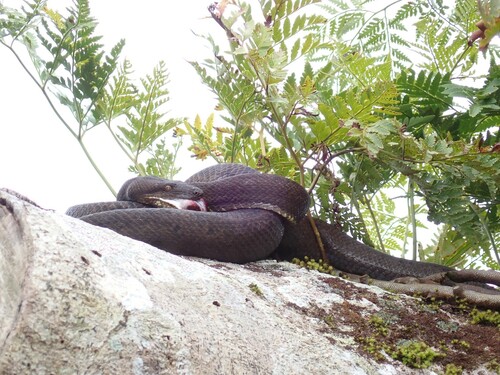
Typhlopidae (1)
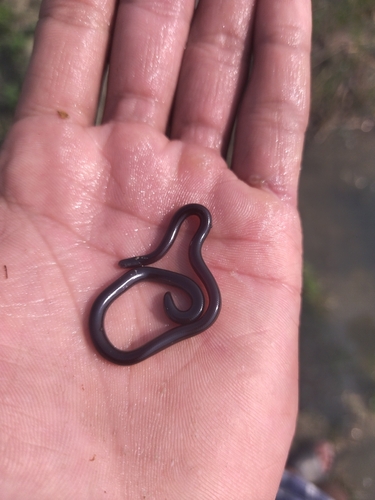
Compiled from verified GBIF & iNaturalist observations. "How often seen" reflects how frequently a snake is reported here, not how dangerous it is. Informational only.
Keep learning
- What Is a Snake? Anatomy and the BasicsA clear overview of what makes a snake a snake: limbless body plan, anatomy, evolution from lizards, species diversity, and why they are ectothermic.
- What to Do If You Find a SnakeFound a snake at home or on a trail? Here is how to stay calm, give it space, identify it safely, and know when to call a professional.
- How to Keep Snakes Out of Your Yard and HomeA practical guide to keeping snakes out of your yard and home using habitat changes that work, plus what to skip and what to do if one shows up.
- Are Snakes Dangerous? The Real Risk, in PerspectiveMost snakes are harmless and avoid people. Here is the honest picture of snakebite risk worldwide and how to lower your own.