
Regional guide
The Most Dangerous Snakes in India: The Big Four
India sees more snakebite deaths than any country. Learn the most dangerous snakes in India, the Big Four that cause most bites, and how to stay safe.
India records more snakebite deaths than any other country in the world, with tens of thousands of fatalities each year, most of them in rural areas. The cause is not the most exotic species but a small set of common snakes that live alongside people, in fields, homes, and grain stores. These are known as the Big Four.
Antivenom in India is designed around these four species, which is one more reason they matter so much. For a fuller picture of what lives across the country, see the India snake guide. The Big Four are:
- The spectacled cobra, also known as the Indian cobra, recognizable by its hood.
- The common krait, a nocturnal snake with a near-painless but very potent bite.
- Russell's viper, a thick-bodied snake common in farmland.
- The saw-scaled viper, small, fast, and quick to strike.
Spectacled Cobra
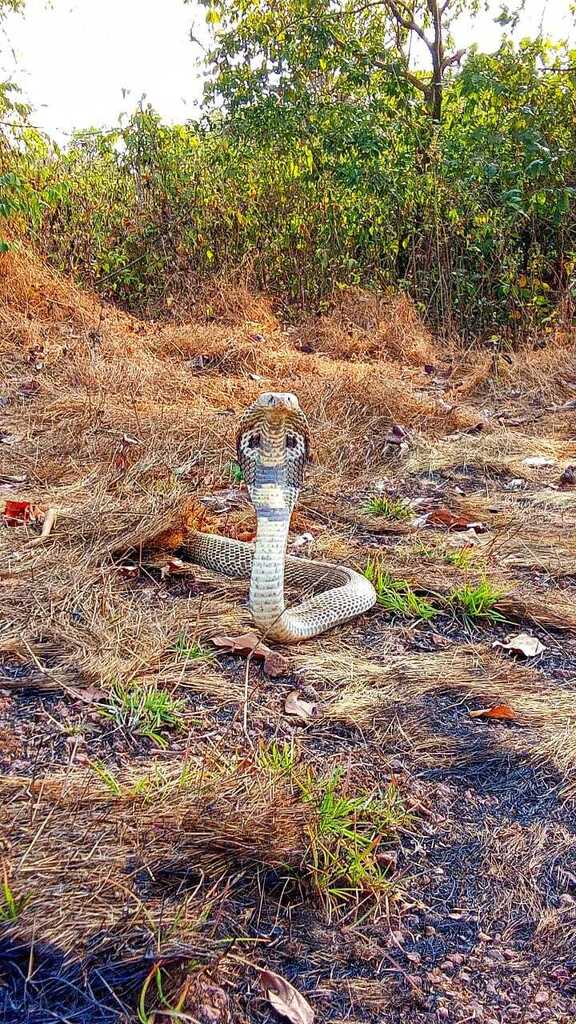
The spectacled cobra is one of the most recognizable snakes in the world, named for the spectacle-shaped mark on the back of its hood. It is the same species often called the Indian cobra. When threatened it rears up and spreads its hood, a clear warning to back away. Its venom affects the nervous system, and a serious bite can impair breathing. Cobras are widespread and often found near villages, where they hunt rodents.
Common Krait
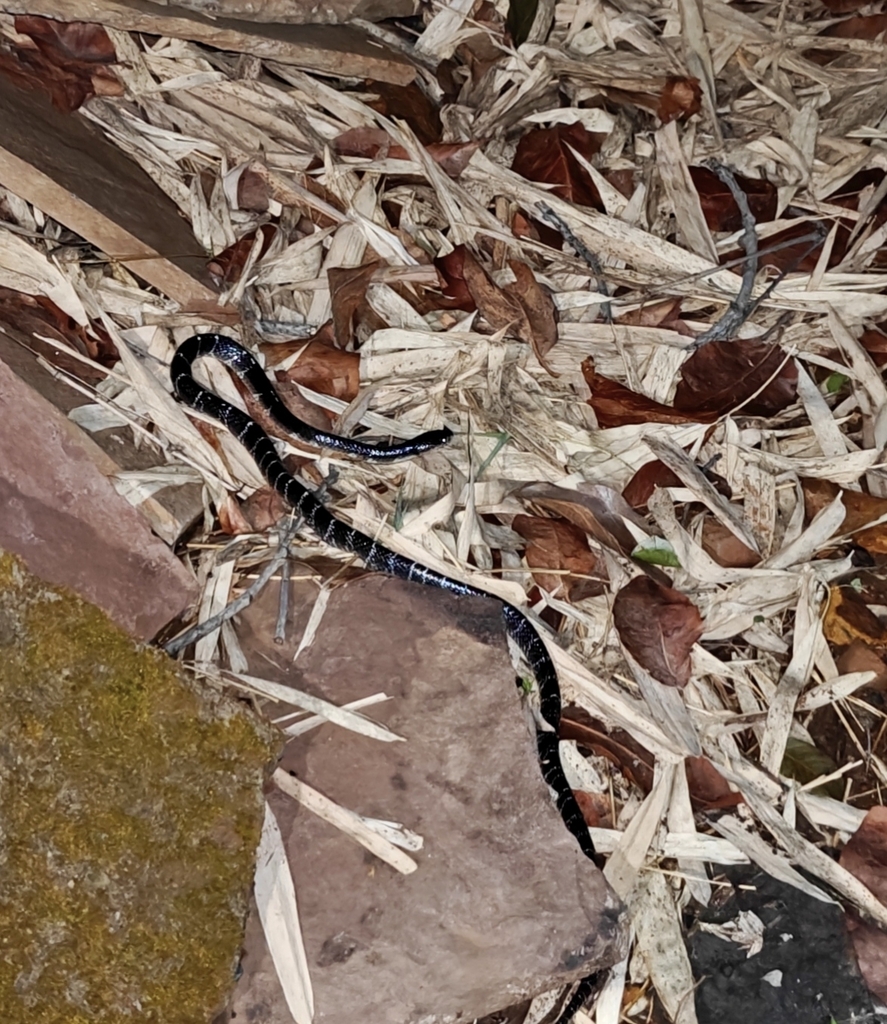
The common krait is one of the most dangerous snakes in India precisely because it is easy to overlook. It is active at night and has very potent neurotoxic venom, yet its bite can be nearly painless. Many serious cases happen when a krait enters a home and bites a person sleeping on the floor, who may not realize what happened until symptoms appear hours later. Its slender body is glossy black or bluish with thin pale crossbands.
Russell's Viper
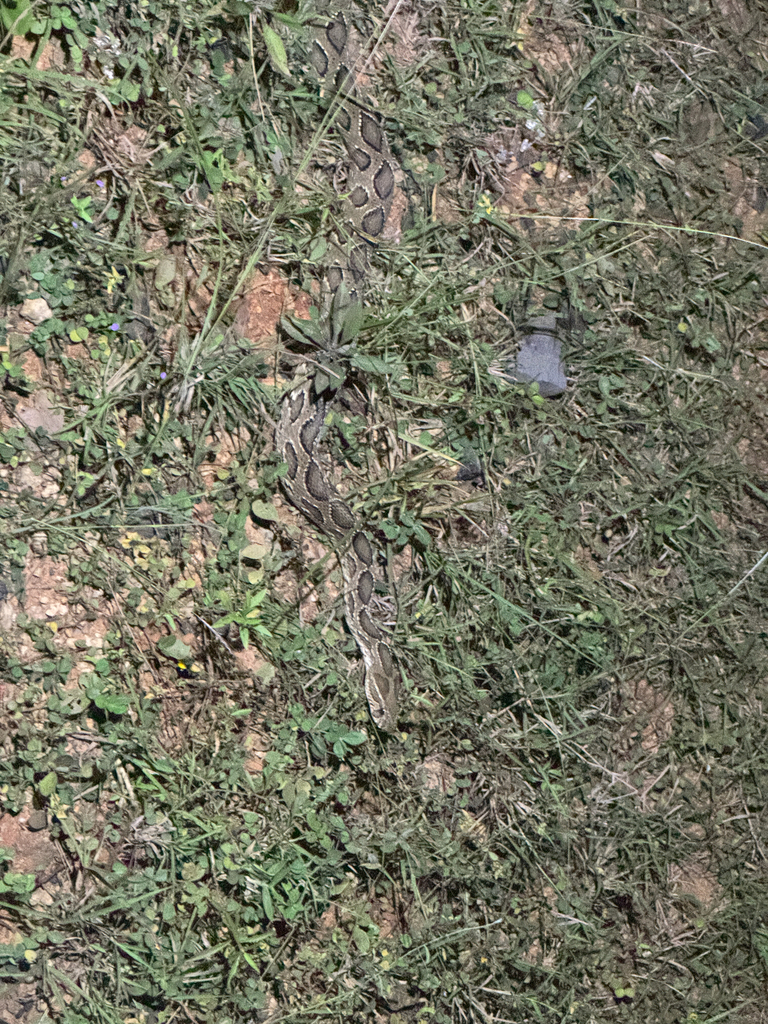
Russell's viper is a thick-bodied snake with a chain of dark, pale-edged ovals along its back. It is common in agricultural land, where it follows rodents, and it accounts for a large share of severe bites. The venom damages blood clotting and can affect the kidneys, so complications can develop over time even after the initial bite is treated. It often gives a loud hiss when disturbed.
Saw-scaled Viper
The saw-scaled viper is small but quick to defend itself. When alarmed it rubs its coils together to make a rasping, sizzling sound, then strikes readily. It lives in dry and scrub habitats and its bite can cause serious bleeding problems. Because it is small and well camouflaged, people often step near one without seeing it.
Why the Big Four Matter
Most bites in India happen to farmers and rural residents, often on the hands and feet during fieldwork or at night, and many occur when people accidentally tread near a hidden snake rather than during any attempt to handle one. Wearing closed shoes, using a light at night, and clearing rodent attractants away from sleeping areas all reduce risk.
When and Where Bites Happen
Snakebite in India peaks during the monsoon and the months around it, when heavy rain pushes snakes and their rodent prey into closer contact with people, and when farm work is at its busiest. Most bites occur in fields and around homes, often in the dark, and frequently on the feet, ankles, and hands. A few simple habits cut the risk substantially: wear closed shoes or boots in fields, carry a flashlight after dark, sleep on a raised bed rather than the floor when possible, and use a bed net, which also helps keep out a krait at night. Storing grain away from living spaces reduces the rodents that draw snakes in.
What to Do About a Bite
The most important point is that polyvalent antivenom covers all four of these species and saves lives, but it has to be given in time. If someone is bitten, keep them calm and as still as possible, do not cut, suck, or apply a tourniquet, and get to a hospital with antivenom as fast as possible. Many deaths in India come from delay or from seeking non-medical remedies first, so going straight to a medical facility is the single most important decision.
To see which species occur in a given region, start with the India guide, browse the venomous snakes list, or compare countries from the countries hub.