
Colubridae
Western China Keelback
HarmlessHebius maximus
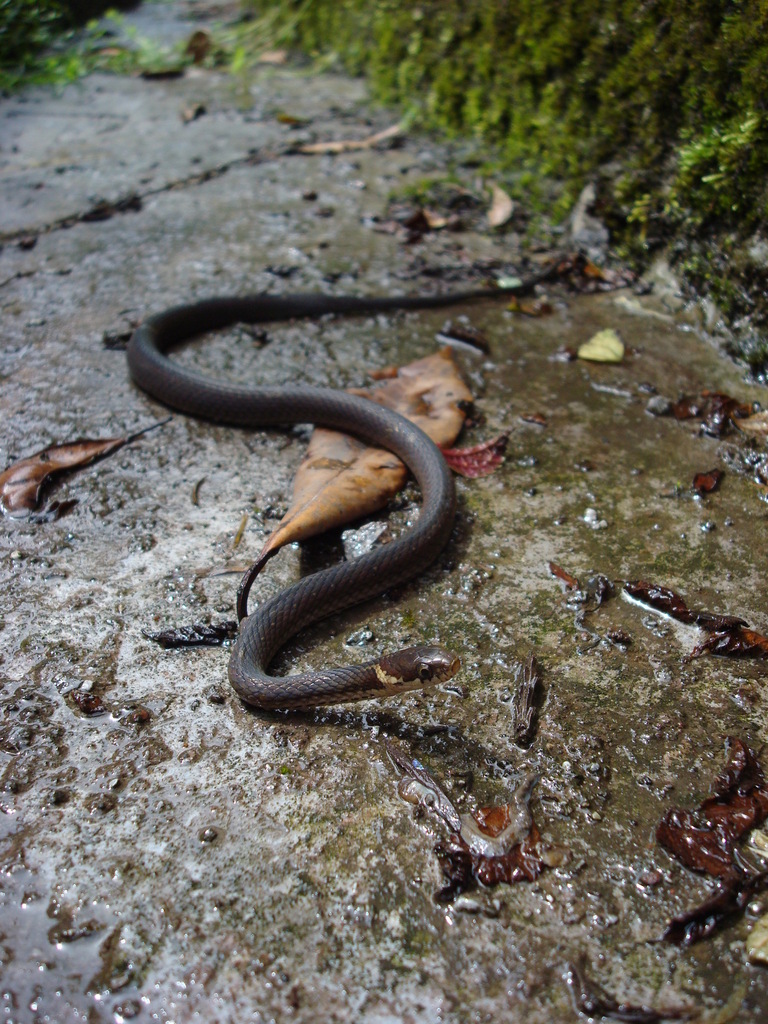
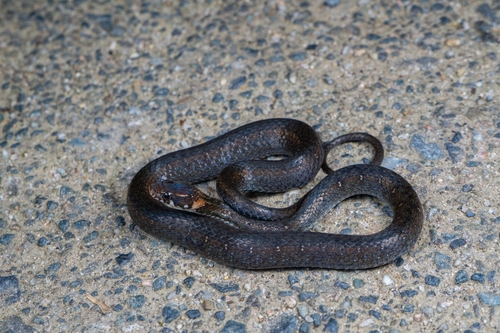
The Western China Keelback (Hebius maximus) is a non-venomous snake in the Colubridae family.
- Family
- Colubridae
About the Western China Keelback
Hebius maximus, the western China keelback, is a species of snake of the family Colubridae. The snake is endemic to Southwestern China (Chongqing, Sichuan, northwestern Guizhou). Originally described as a subspecies of Amphiesma sauteri (=Hebius sauteri), its validity has been doubted; however, it was revalidated by a 2022 study based on morphological and molecular evidence. The evidence even warranted the recognition of Hebius maximus as a full species.
Etymology
The specific name maximus refers to this taxon having the highest count of ventral scales among what at the time were the three subspecies of H. sauteri.
Description
Hebius maximus is a small to medium-sized snake, reaching 597 mm (23.5 in) in total length. The tail is relatively long, 25–33% of the total length. Dorsal colouration is reddish-brown or grayish brown, while the ventrum is cream white. An ill-defined dark olive dorsal streak scattered with black spots runs from neck to tail.
Habitat
Hebius maximus occurs in subtropical mountain regions at elevations of about 812–1,200 m (2,664–3,937 ft) above sea level in coniferous forests, large forest clearings, and agricultural areas. It is diurnal, active at dusk. Its prey includes earthworms, slugs, and tadpoles.
Adapted from Wikipedia, available under CC BY-SA.
Frequently asked: Western China Keelback
- Is the Western China Keelback venomous?
- No. The Western China Keelback (Hebius maximus) is non-venomous and is not considered dangerous to humans. Like most snakes, it will retreat rather than bite when given the chance.
- Is the Western China Keelback poisonous?
- Snakes are venomous, not poisonous. "Poisonous" means harmful to eat or touch; "venomous" means injecting toxins through a bite. The Western China Keelback is neither poisonous nor venomous.
- Is the Western China Keelback dangerous?
- The Western China Keelback is not dangerous to humans. It has no medically significant venom and bites only defensively if cornered or handled.
- Why is it called the Western China Keelback?
- The specific name maximus refers to this taxon having the highest count of ventral scales among what at the time were the three subspecies of H. sauteri.
More Colubridae snakes
Classification
How scientists group this snake, from the broadest category down to the exact species. Each step narrows to its closest relatives.
- OrderThe broad group of scaled reptiles: all snakes and lizards
- Squamata
- FamilyA group of related snakes that share key traits
- Colubridae
- GenusA close-knit group of very similar species
- Hebius
- SpeciesThis exact snake, named in the two-part scientific name
- Hebius maximus
Keep learning
- What to Do If You Find a SnakeFound a snake at home or on a trail? Here is how to stay calm, give it space, identify it safely, and know when to call a professional.
- Venomous vs Nonvenomous: How to Tell the DifferenceThe folk rules for telling venomous snakes apart, where each one fails, and why location-based identification beats guessing by sight.
- What Is a Snake? Anatomy and the BasicsA clear overview of what makes a snake a snake: limbless body plan, anatomy, evolution from lizards, species diversity, and why they are ectothermic.
- How to Keep Snakes Out of Your Yard and HomeA practical guide to keeping snakes out of your yard and home using habitat changes that work, plus what to skip and what to do if one shows up.
Distribution from GBIF & iNaturalist. Venom status per CDC. Background: Wikipedia. Informational only. Never handle a snake to identify it.