
Genus · Colubridae
Types of keelbacks
40+ species make up the genus Hebius, the snakes commonly called keelbacks. None are considered dangerous to humans.
About Asian keelbacks
Hebius is a large group of small, semiaquatic Asian keelback snakes that live near water and feed on frogs, fish, and other small prey.
Hebius is a genus in the family Colubridae, the largest snake family, which holds the majority of the world's snake species. Within Colubridae, Hebius belongs to the natricine group, the keelbacks and water snakes. The genus was split out from the older catch-all genus Natrix and later Amphiesma as herpetologists used genetics and anatomy to sort these snakes into more accurate groups, so many species carry the common name keelback. Our database holds 40+ species of Hebius, including the Japanese Keelback, the Kosempo Keelback, Pryer's Keelback, and the Wynad Keelback.
These snakes are spread across South, Southeast, and East Asia. The range covers a broad arc from India and the Himalayas through China, mainland Southeast Asia, and out into island chains such as Japan, Taiwan, and parts of Indonesia. They are strongly tied to water and damp ground, so typical habitat is the edge of streams, rivers, ponds, rice paddies, marshes, and wet forest floor. Many species favor hills and mountain forests with cool, moist conditions, which is part of why the genus is so diverse across so many separate regions.
Most Hebius are small to medium snakes with slender bodies and the keeled scales that give keelbacks their name. A keel is a raised ridge running down the center of each scale, which gives the skin a rough, matte look rather than a smooth shine. Coloring is usually brown, olive, or gray with darker blotches, crossbars, or pale stripes and spots along the sides, which helps them blend into leaf litter and streambanks. Because many species look alike and overlap in range, exact identification often comes down to scale counts and locality, so general appearance is a guide rather than proof of a specific species.
Hebius keelbacks are not front-fanged venomous snakes and are not considered dangerous to people. Like many colubrids they are best described as harmless to humans in practical terms. Some natricine relatives have mild rear-positioned secretions used on small prey, but these snakes are not a medical threat in the way vipers, cobras, or kraits are. Even so, no wild snake should be handled. Picking up a wild snake risks bites and stress to the animal, and field identification can be wrong. If anyone is bitten by an unknown snake and symptoms appear, or there is any doubt about the species, treat it as a medical situation: contact US Poison Control at 1-800-222-1222 or local emergency services rather than trying to manage it alone.
Ecologically these are water-linked hunters. Their diet centers on frogs, tadpoles, fish, and other small soft-bodied prey found near water, and some take worms and insects. Like most colubrids in this group they are egg-laying, with females depositing clutches rather than giving live birth. Behavior is generally shy and quick to flee toward water or cover when disturbed. They are an important middle link in their wetland food webs, both as predators of small aquatic life and as prey for birds, larger snakes, and mammals.
Hebius belongs to the Colubridae family (Colubrids). The largest snake family, and the one most snakes you meet belong to. Typically round pupils, a head only slightly wider than the neck, and no heat-sensing facial pit or rattle. Scales may be smooth and glossy or keeled and matte depending on the species.
Danger: Almost all colubrids are harmless. A small number are rear-fanged with medically significant venom, the boomslang and the twig (vine) snakes of Africa being the dangerous exceptions. Most colubrids will flee or bluff rather than bite.
All species (45)
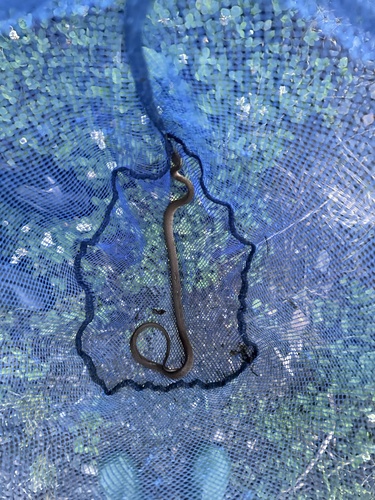 Japanese KeelbackHebius vibakariHarmless
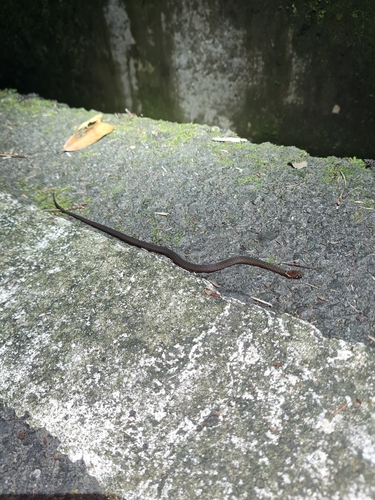 Kosempo KeelbackHebius sauteriHarmless
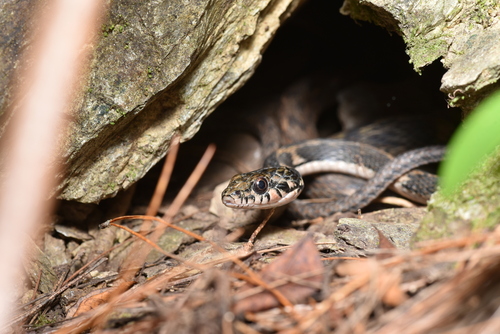 Pryer's KeelbackHebius pryeriHarmless
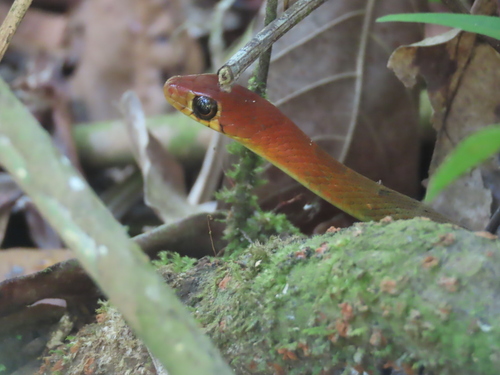 Wynad KeelbackAmphiesma monticolaHarmless
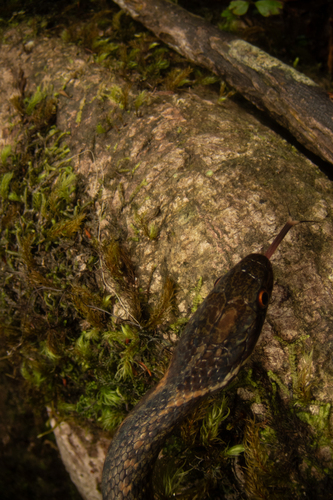 Tai-yong KeelbackHebius boulengeriHarmless
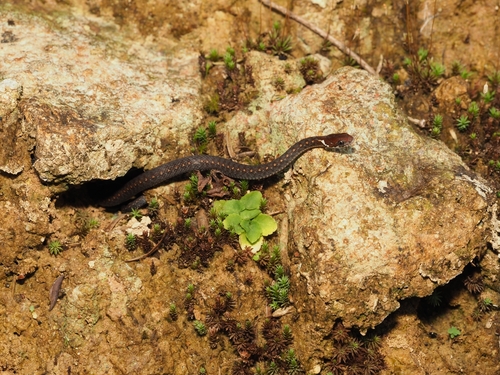 Kuatun KeelbackHebius craspedogasterHarmless
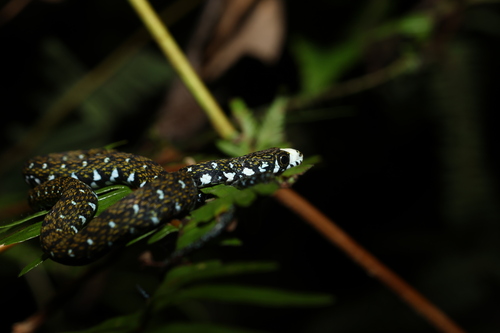 Sabah KeelbackHebius flavifronsHarmless
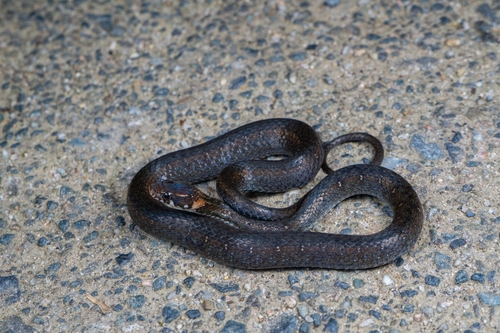 Pope's KeelbackHebius popeiHarmless
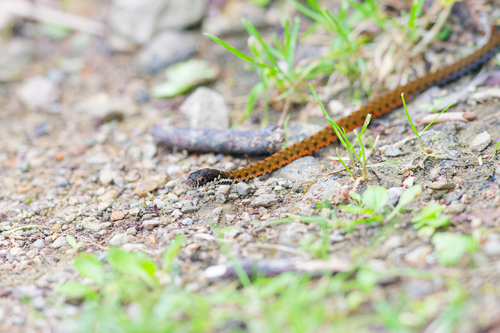 Sarawak KeelbackHebius sarawacensisHarmless
 Maki's KeelbackHebius miyajimaeHarmless
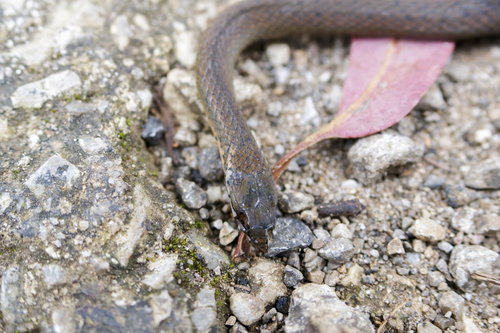 Tonkin KeelbackHebius atemporalisHarmless
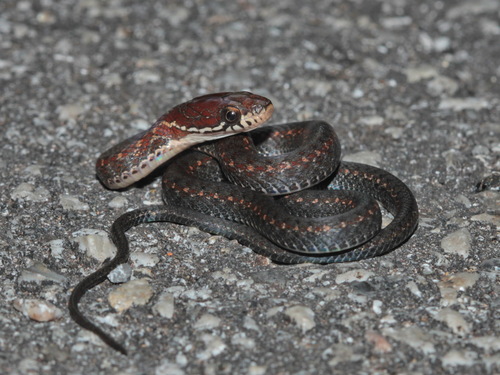 Khasi Hills KeelbackHebius khasiensisHarmless
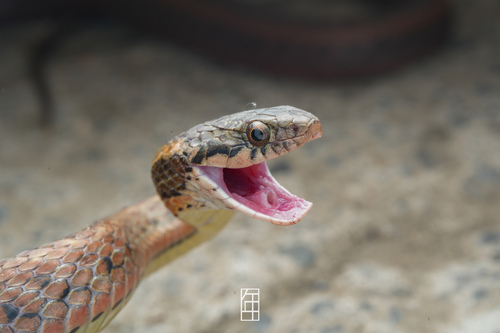 Wa Shan KeelbackHebius metusiaHarmless
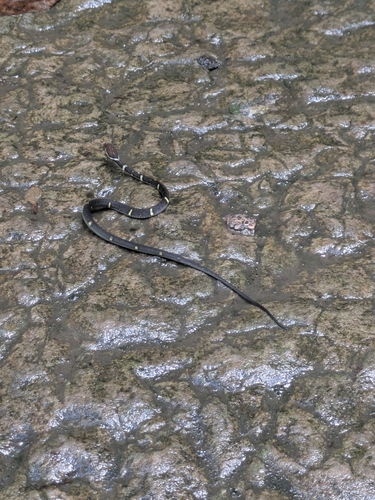 Mount Omei KeelbackHebius optatusHarmless
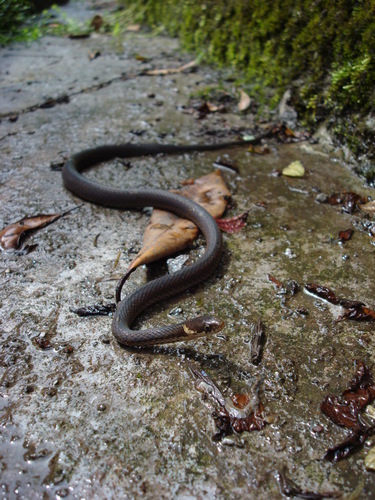 Western China KeelbackHebius maximusHarmless
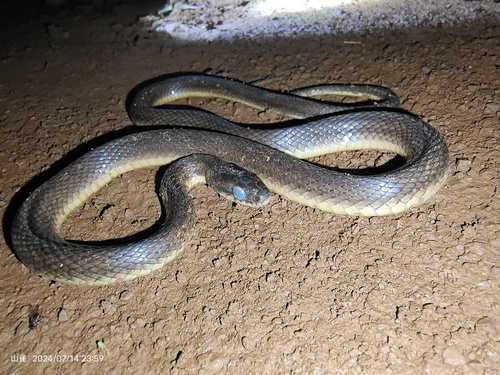 Eight-lined KeelbackHebius octolineatusHarmless
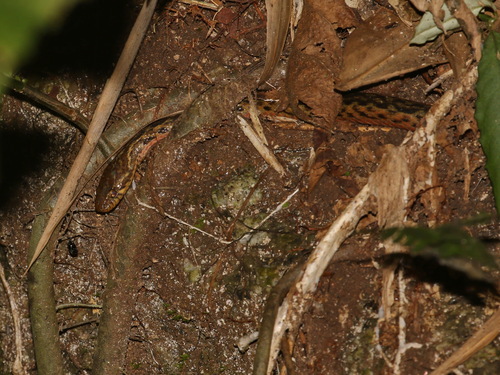 Cameroon KeelbackHebius sanguineusHarmless
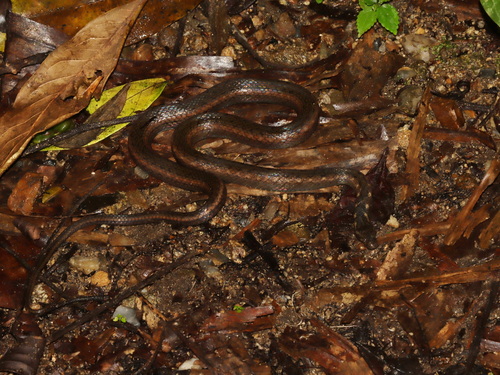 Deschauensee’s KeelbackHebius deschauenseeiHarmless
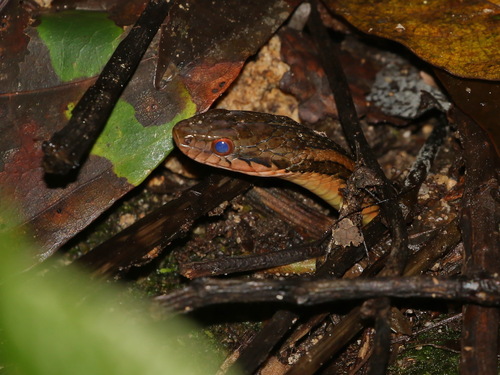 Kutkai KeelbackHebius bitaeniatusHarmless
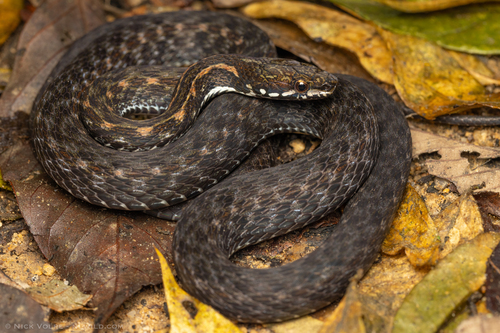 Gunung Inas KeelbackHebius inasHarmless
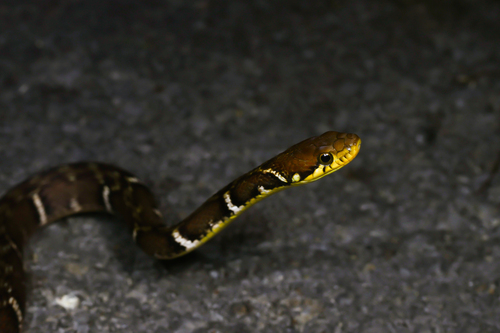 Yaeyama keelbackHebius ishigakiensisHarmless
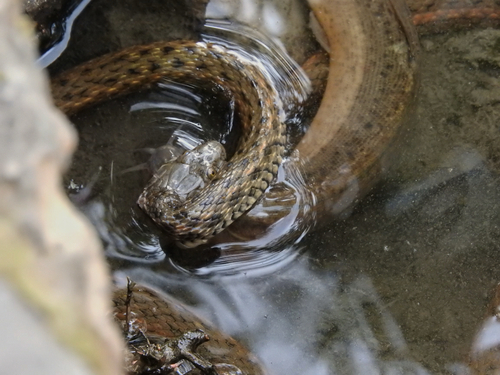 Hebius yanbianensisHarmless
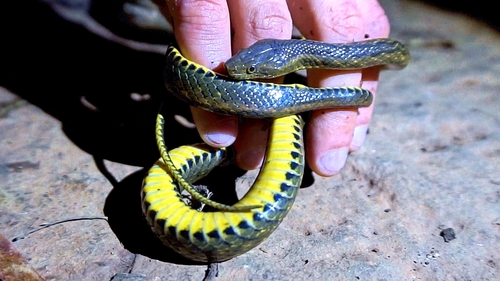 Johann's KeelbackHebius johannisHarmless
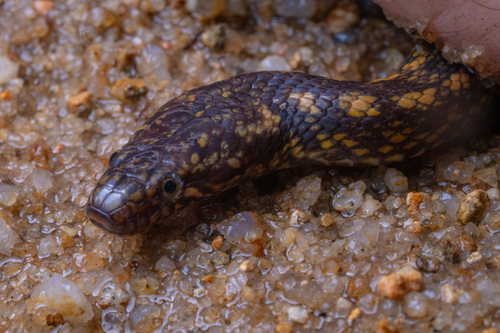 Vietnam Water SnakeHebius chapaensisHarmless
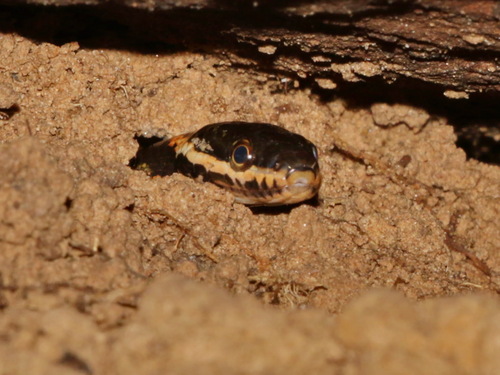 White-lipped KeelbackHebius leucomystaxHarmless
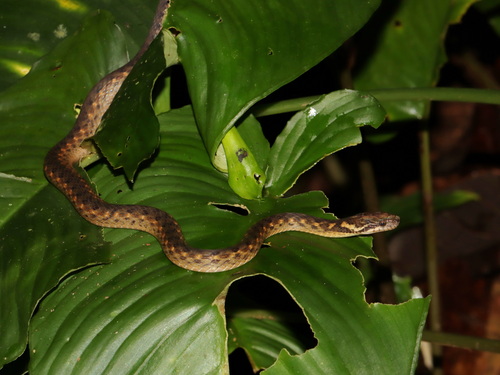 Hebius terrakarenorumHarmless
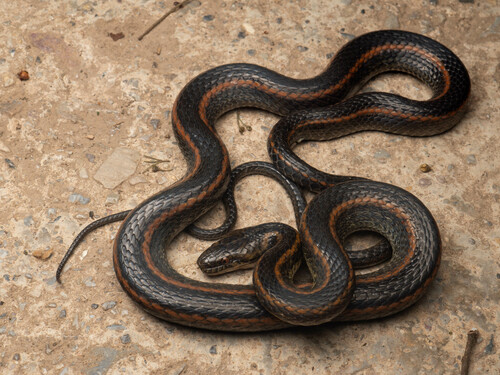 Hebius youjiangensisHarmless
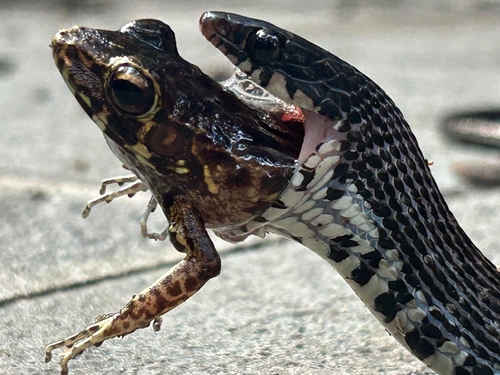 Peters' KeelbackHebius petersiiHarmless
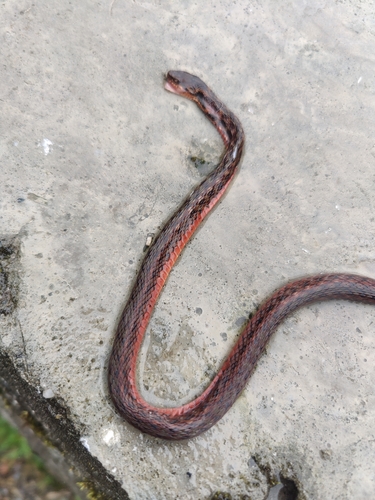 Yunnan keelbackHebius clerkiHarmless
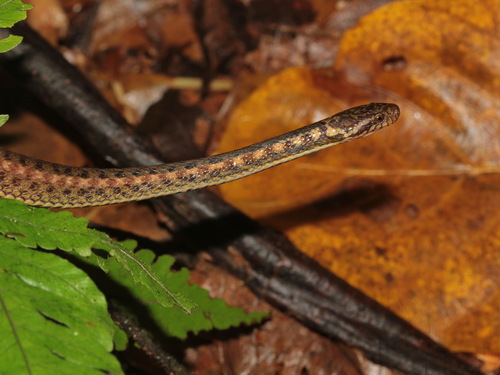 Hebius igneusHarmless
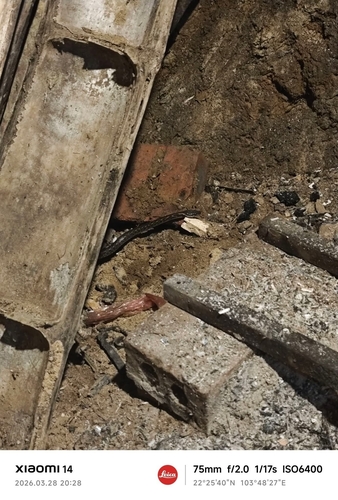 Shan’s keelbackHebius shantianfangiHarmless
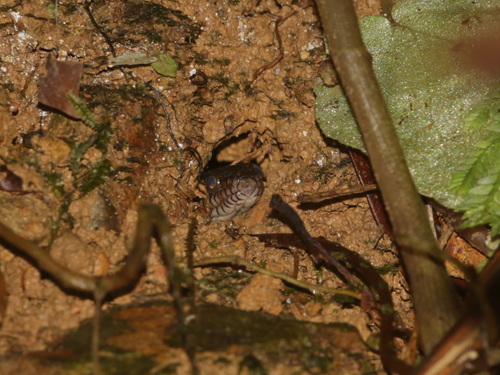 Groundwater's KeelbackHebius groundwateriHarmless
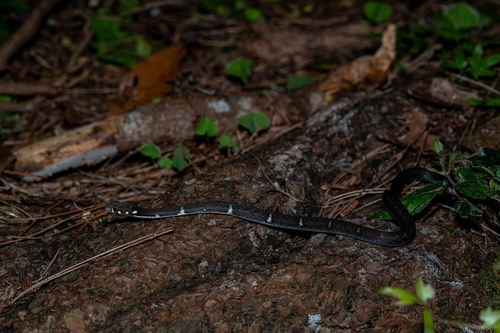 Hebius concelarusHarmless
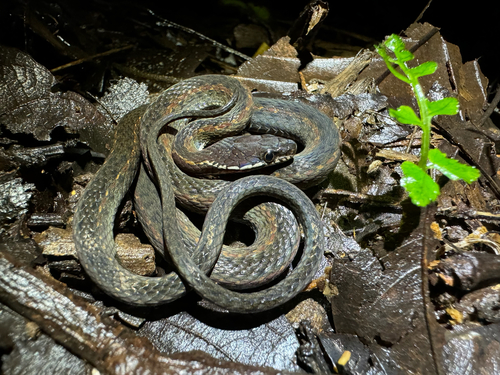 Hebius gilhodesiHarmless
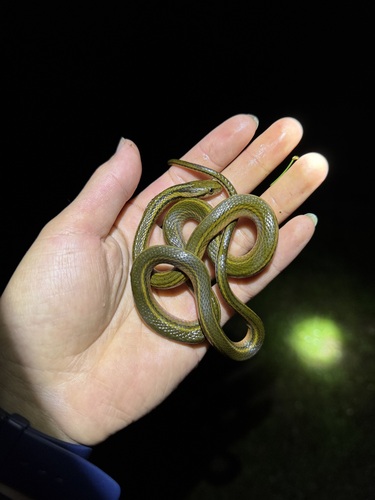 Hebius septemlineatusHarmless
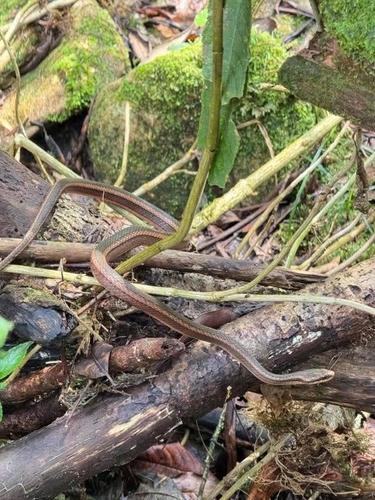 Jingdong Keelback SnakeHebius jingdongensisHarmless
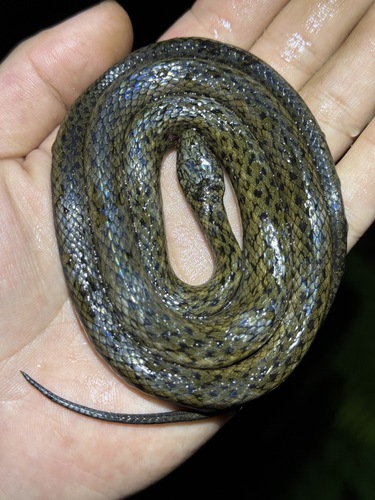 Taron KeelbackHebius taronensisHarmless
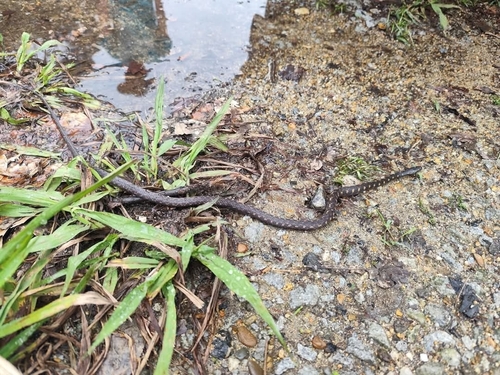 Annam KeelbackHebius annamensisHarmless
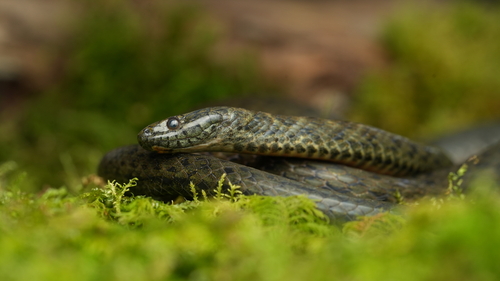 Chin Hills KeelbackHebius venningiHarmless
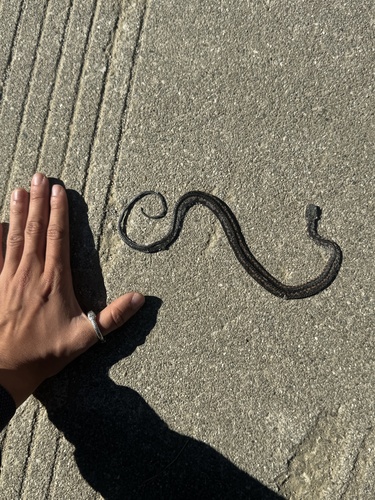 Hebius nigriventerHarmless
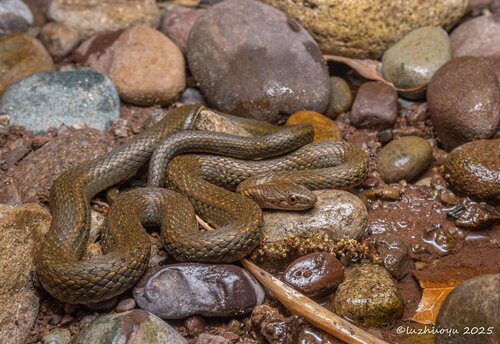 Hebius weixiensisHarmless
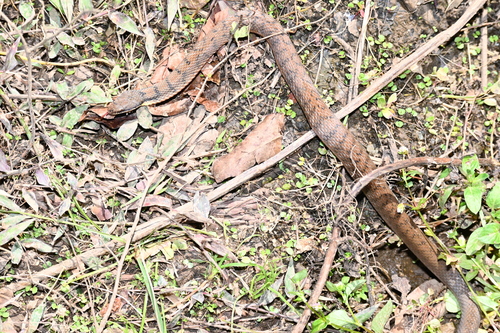 Sarasin’s KeelbackHebius sarasinorumHarmless
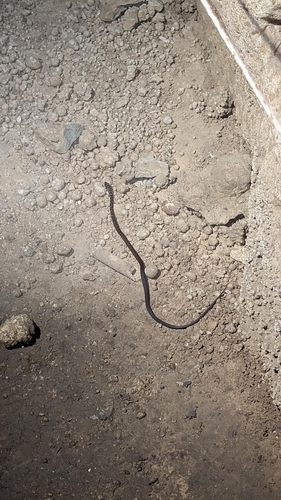 Andrea’s KeelbackHebius andreaeHarmless
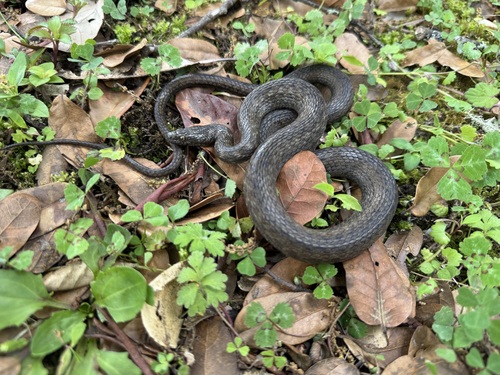 Modest KeelbackHebius modestusHarmless
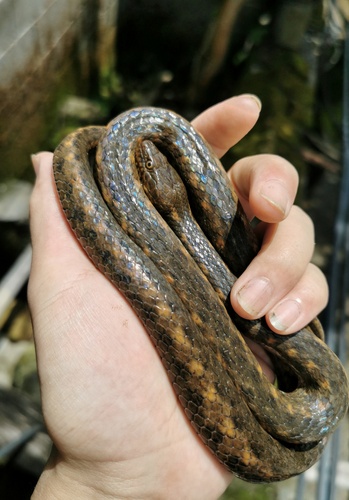 Yingjiang Keelback SnakeHebius citrinoventerHarmless
Keep learning
- What Is a Snake? Anatomy and the BasicsA clear overview of what makes a snake a snake: limbless body plan, anatomy, evolution from lizards, species diversity, and why they are ectothermic.
- How Snakes Move, Hunt, and EatHow snakes move without legs, hunt as ambushers or active foragers, kill by constriction or venom, and swallow prey wider than their head.
- What Do Snakes Eat?All snakes are carnivores. Learn what snakes eat, how diet changes with size and age, how often they feed, and how they hunt and swallow prey.
- Venomous vs Nonvenomous: How to Tell the DifferenceThe folk rules for telling venomous snakes apart, where each one fails, and why location-based identification beats guessing by sight.