
Genus · Tropidophiidae
Types of boas
20+ species make up the genus Tropidophis, the snakes commonly called boas. None are considered dangerous to humans.
About dwarf boas (West Indian dwarf boas)
Small, secretive New World snakes famous for a strange defense: they bleed from the eyes and mouth and play dead when threatened.
Tropidophis is a genus of small snakes in the family Tropidophiidae, the dwarf boas or wood snakes. Despite the boa-like common name, they are not true boas (family Boidae); the dwarf boas are an old, distinct lineage that sits apart on the snake family tree. The family is sometimes called the New World dwarf boas, and Tropidophis is by far its largest and most familiar genus, with dozens of described species. Twenty-five of them are represented in our database, including the Northern Eyelash Boa, the Cuban Dwarf Boa, the Haitian Dwarf Boa, and the Cayman Islands Dwarf Boa.
These are creatures of the West Indies. The genus is centered on the Caribbean, with a strong concentration in Cuba and the surrounding islands, and additional species reaching parts of mainland South America. Many species have extremely small ranges, sometimes confined to a single island or a small patch of forest, which makes the group important for island conservation. Typical habitats are wooded and rocky: leaf litter, forest floor, limestone outcrops, and areas where they can shelter under cover by day and move at dusk or night.
Recognizing a dwarf boa comes down to a combination of small size and stout, blunt build rather than any single flashy mark. Adults are generally short, often well under a meter, with a thick body for their length, a short tail, and a head that is only modestly set off from the neck. Color and pattern vary widely across the genus, commonly muted browns, grays, and tans with rows of darker blotches that help them disappear into litter and stone. Their best-known trait is behavioral: when alarmed, a Tropidophis may coil tightly, hide its head, and autohemorrhage, releasing blood from the eyes and mouth, while feigning death. It is a defensive bluff, not an attack.
Dwarf boas are not venomous. They are non-venomous constrictors, harmless to people in the sense that they carry no venom and pose no medical threat from a bite. Like any wild animal, one can bite or release musk if grabbed, and wild snakes should be observed and left alone rather than handled. If you are ever unsure whether a snake is one of these harmless species or something dangerous, do not pick it up. For any bite where the snake's identity or venom status is uncertain, or for any symptoms of concern, contact emergency services or US Poison Control at 1-800-222-1222.
Ecologically, these are quiet ambush and search predators. They feed largely on small vertebrates such as lizards (especially anoles and similar island lizards), frogs, and small mammals, subduing prey by constriction rather than venom. Reproduction in the genus is live-bearing (viviparous), producing small litters rather than laying eggs, which is consistent with the broader dwarf boa lineage. Behavior is generally secretive and nocturnal or crepuscular, with the animals spending daylight hours tucked under rocks, logs, and leaf litter. Their small size, hidden habits, and tiny island ranges mean many species are poorly studied and several are of conservation concern.
Tropidophis belongs to the Tropidophiidae family (Dwarf boas). Small New-World boas that can bleed from the eyes when threatened. Small, stout-bodied snakes, often blotched, that coil tightly when handled.
Danger: Harmless. Non-venomous constrictors.
All species (25)
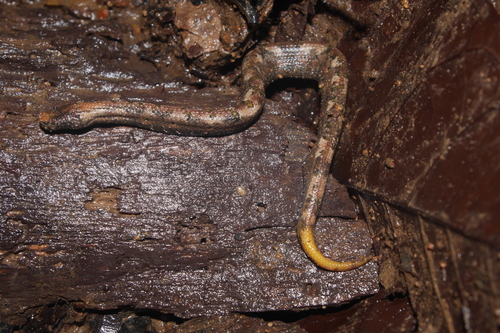 Northern Eyelash BoaTropidophis boulengeriHarmless
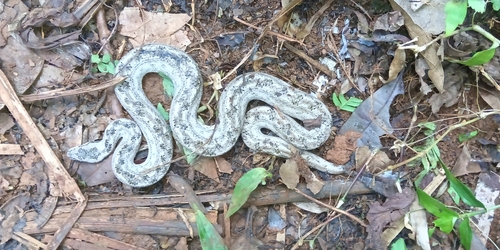 Cuban Dwarf BoaTropidophis melanurusHarmless
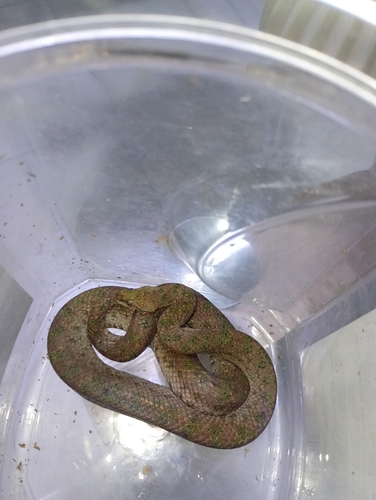 Haitian Dwarf BoaTropidophis haetianusHarmless
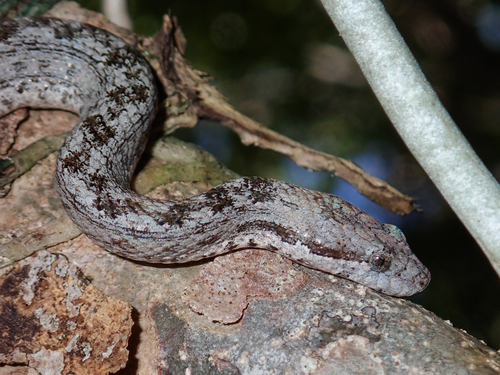 Cayman Islands Dwarf BoaTropidophis caymanensisHarmless
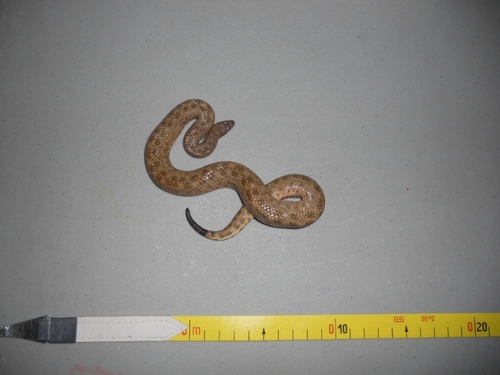 Northern Bahamas TropeTropidophis curtusHarmless
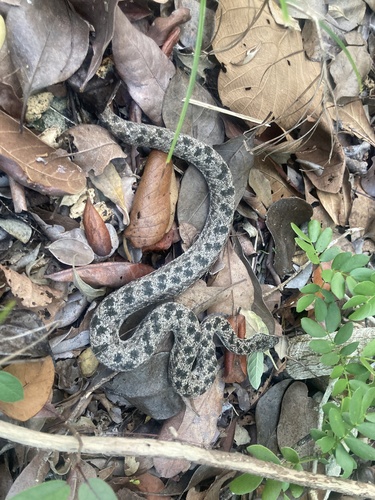 Ambergris Cay Dwarf BoaTropidophis greenwayiHarmless
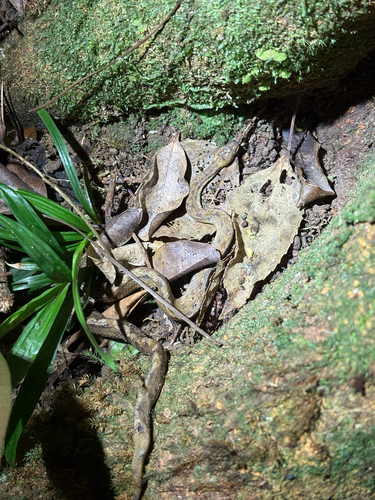 Brazilian Dwarf BoaTropidophis paucisquamisHarmless
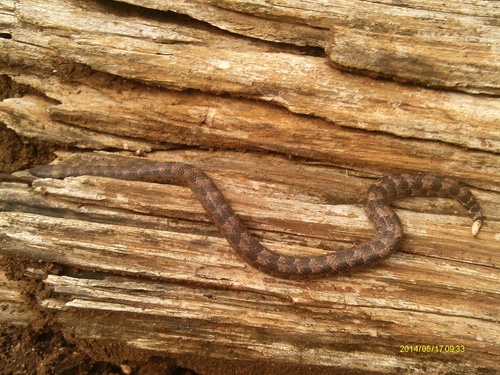 Spotted Brown TropeTropidophis pardalisHarmless
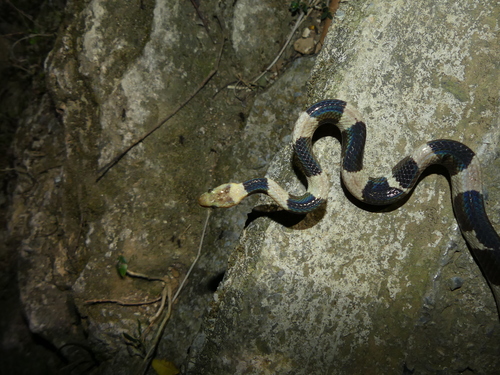 Feick's Dwarf BoaTropidophis feickiHarmless
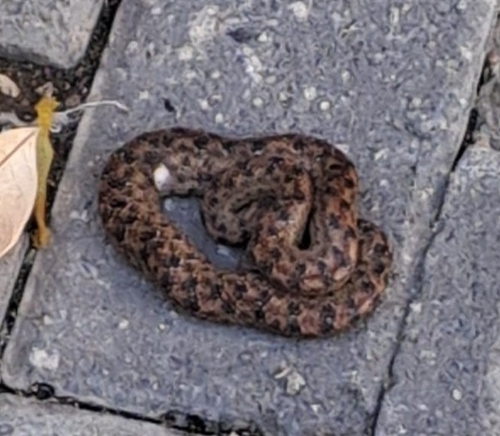 Jamaican Brown Dwarf BoaTropidophis jamaicensisHarmless
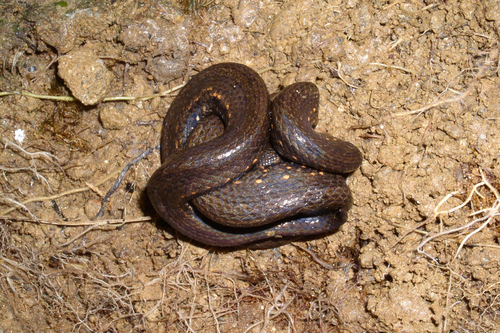 Taczanowsky's Dwarf BoaTropidophis taczanowskyiHarmless
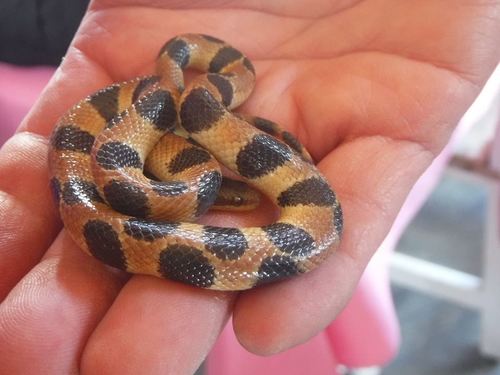 Banded Dwarf BoaTropidophis semicinctusHarmless
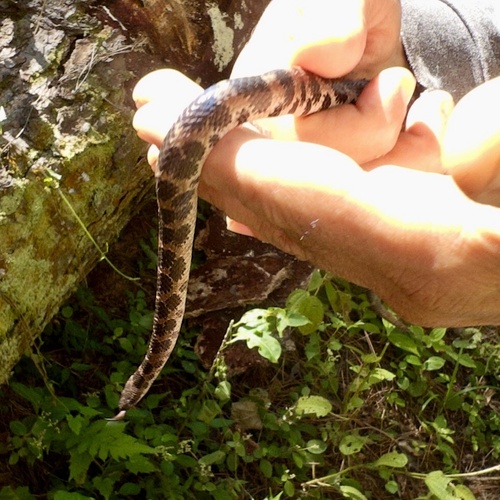 Ghost Dwarf BoaTropidophis spiritusHarmless
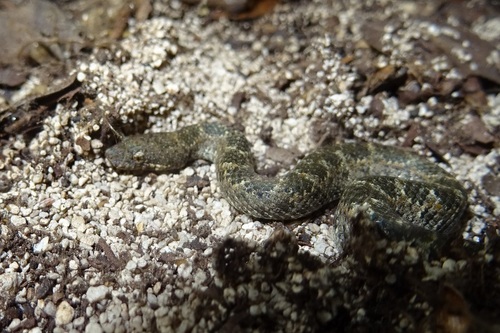 Guanahacabibes dwarf boaTropidophis xanthogasterHarmless
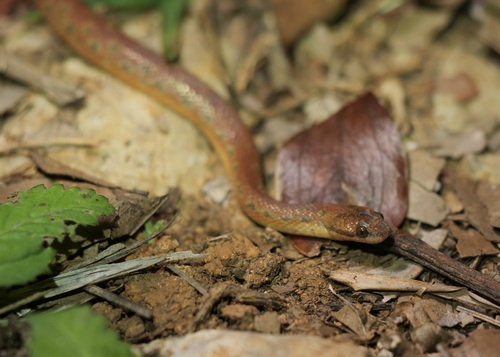 Spotted Dwarf BoaTropidophis maculatusHarmless
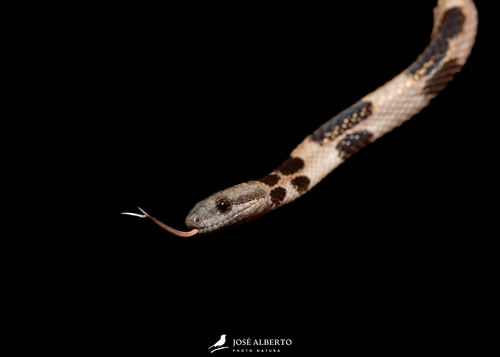 Wright's Dwarf BoaTropidophis wrightiHarmless
 Bahama Wood SnakeTropidophis canusHarmless
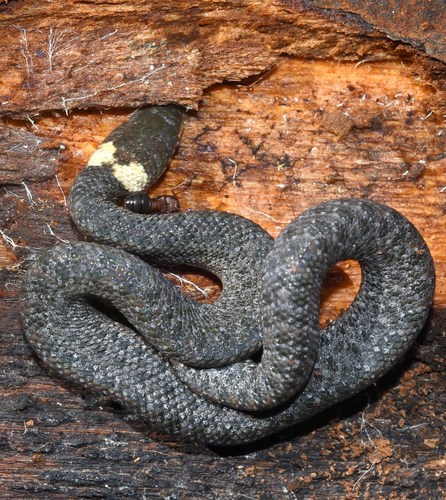 Escambray White-necked TropeTropidophis galacelidusHarmless
 Jamaican Eyespot Dwarf BoaTropidophis stejnegeriHarmless
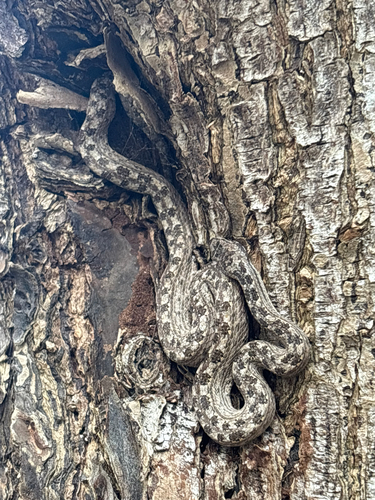 Schwartz’ Dwarf BoaTropidophis schwartziHarmless
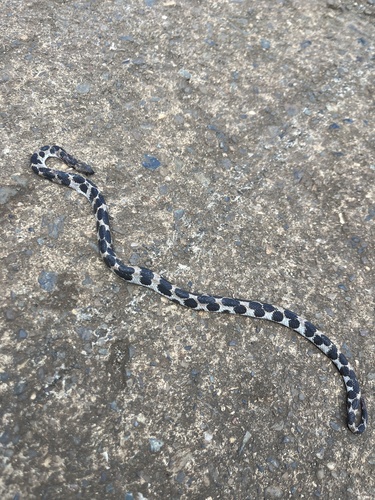 Tropidophis steinleiniHarmless
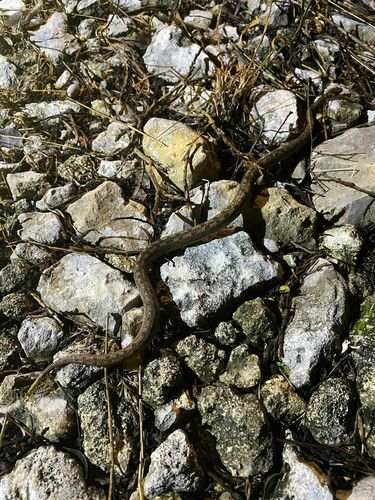 Little Cayman Dwarf BoaTropidophis parkeriHarmless
 Tropidophis cacuangoaeHarmless
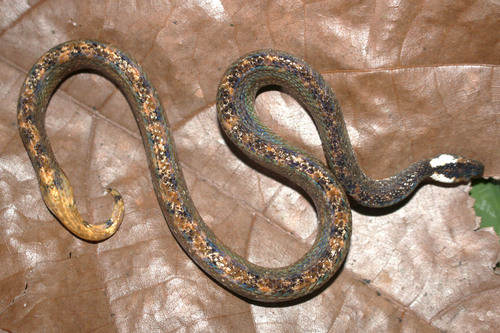 Tropidophis grapiunaHarmless
- No photoTropidophis preciosusHarmless
Keep learning
- What Is a Snake? Anatomy and the BasicsA clear overview of what makes a snake a snake: limbless body plan, anatomy, evolution from lizards, species diversity, and why they are ectothermic.
- How Snakes Move, Hunt, and EatHow snakes move without legs, hunt as ambushers or active foragers, kill by constriction or venom, and swallow prey wider than their head.
- What Do Snakes Eat?All snakes are carnivores. Learn what snakes eat, how diet changes with size and age, how often they feed, and how they hunt and swallow prey.
- Venomous vs Nonvenomous: How to Tell the DifferenceThe folk rules for telling venomous snakes apart, where each one fails, and why location-based identification beats guessing by sight.